


TL;DR
Europe Destination Wedding Planning Guide. If you’re short on time, here’s what you need to know:
Start planning 18-24 months ahead – Peak Mediterranean season (May-June, Sept-Oct) books up fast
Budget realistically – Expect €30k-€100k for 40-80 guests (add 20-30% buffer for hidden costs)
Keep guest lists under 60 – Smaller = more intimate, less expensive, easier logistics
Hire a local planner – Essential for navigating language, vendors, and avoiding costly mistakes
Choose value regions – Portugal, Croatia, inland Spain, Puglia offer 30-40% savings vs. Amalfi/Como
Carefull with multi-day events – Welcome dinner + wedding + brunch = 2-3x the cost
Accept guest declines – Plan for 50-60% attendance; not everyone can travel internationally
Photography matters – Budget €3k-€8k for experienced destination wedding photographers
Best Mediterranean regions: Spain (Mallorca, Barcelona, Costa Brava), Italy (Puglia, Tuscany, Amalfi Coast), Greece (Santorini, Crete), Portugal (Algarve, Lisbon), France (Provence, French Riviera), Croatia (Istria, Dubrovnik)
Ready to dive deeper? Keep reading for the complete breakdown.
What Real Couples Wish They'd Known: 15 Hard-Earned Lessons
Before we talk venues, Europe wedding photographers, and packages, let’s start with what actually matters. These insights come from real couples who planned European destination weddings, the lessons they learned the hard way, so you don’t have to.
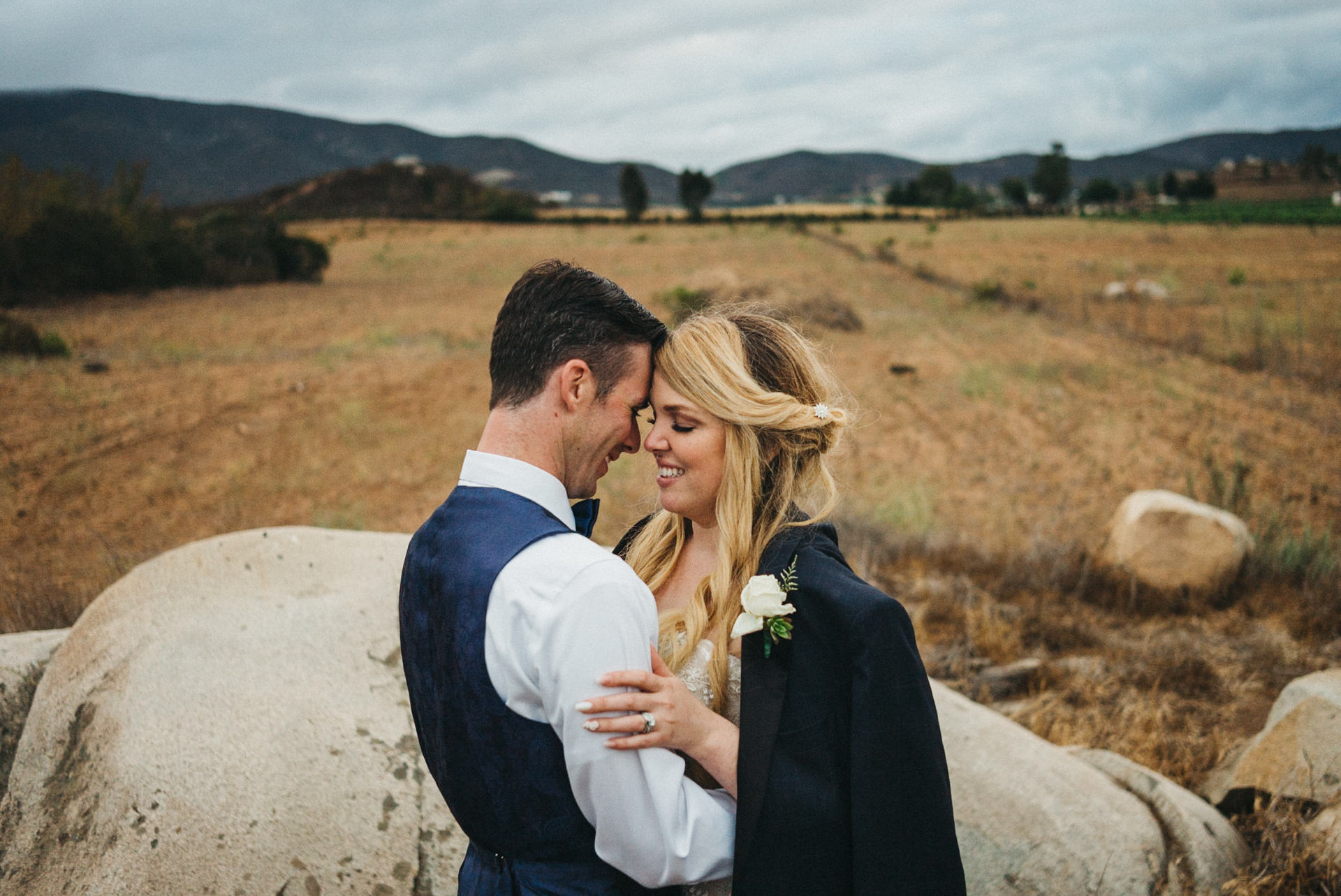
1. Smaller Guest Lists = Less Stress, More Intimacy
The Reality: Keep it under 60 guests if you can.
Couples with 20-60 guests consistently report better experiences than those hosting 100+. Smaller celebrations give you flexibility with venues, lower per-person catering costs, the ability to rent villas for multi-day stays, and, most importantly, an intimate atmosphere where you actually get to spend time with everyone.
Takeaway: Lower headcount means fewer vendors, simpler logistics, fewer surprise costs, and a wedding that feels personal instead of like managing a conference.
2. Skip the “It” Destinations, Go Where Value Lives
The Reality: Portugal and inland Spain beat Amalfi Coast pricing by 40%.
Couples consistently steer away from Instagram-famous locations because vendor costs are inflated. Portugal, Croatia, inland Spain, and Puglia offer the same European charm, historic venues, incredible food, beautiful landscapes, without the luxury markup.
Takeaway: You get all the European magic without the “trendy destination” tax. Your budget goes further on what actually matters.
3. Hire a Local Planner, Seriously
The Reality: Local expertise prevents expensive mistakes.
Couples who hired in-country planners reported smoother experiences, better vendor relationships, realistic cost expectations, and fewer surprise fees. Local planners know which venues have hidden costs, how to structure contracts, and can communicate in the local language.
Takeaway: A good planner pays for themselves by preventing budget blow-outs and logistical disasters.
4. Hidden Costs Will Surprise You, Budget 20-30% Extra
The Reality: What “should” cost €20,000 often becomes €26,000.
Multiple couples mentioned costs ballooning once “minor” fees appeared: VAT (20-25%), tourist taxes, music permits, vendor minimums, service charges, late-night fees. Smart couples build in a contingency buffer from day one.
Takeaway: Your initial budget is your starting point, not your ceiling. Plan for unexpected expenses.
5. Never Reveal Your Full Budget to Vendors
The Reality: “Step 1: never reveal your real budget 😅”
When vendors know your maximum, they have little incentive to offer budget-friendly options, they quote higher packages, upgrades, and extras because they assume you can pay. Couples who disclosed their full budget upfront often felt pressured into unnecessary spending.
Takeaway: Start with a lower number. Let vendors present options, then negotiate up if needed.
6. European Vendors Are More Low-Key Than American Ones
The Reality: Don’t expect flashy, high-energy US-style service.
Some American couples were surprised by the “calmer” vendor style in Europe. European wedding professionals are attentive and skilled, but more understated, less “jazz hands,” more quiet competence. This isn’t worse, just different.
Takeaway: Set expectations for intimate, personal service rather than big production energy. It’s a cultural difference, not a quality issue.
7. Guest Travel Logistics Are Your Biggest Emotional Challenge
The Reality: Not everyone will come, and that’s okay.
Even when couples had solid budgets, they stressed about whether guests would commit: time off work, international travel costs, visa requirements, accommodations. Some guests will decline due to finances, family obligations, or work constraints, and that can trigger guilt or disappointment.
Takeaway: Plan for 50-60% attendance from your invite list. Accept early that not all loved ones can make it.
8. Multi-Day Events Explode Your Budget Fast
The Reality: Welcome dinner + wedding + brunch = 2-3x the cost.
Couples who planned weekend-long celebrations (welcome drinks, rehearsal dinner, ceremony, farewell brunch) saw costs spike dramatically, even with moderate guest counts. Each event needs separate catering, rentals, coordination, and often multi-day venue commitments.
Takeaway: Treat each additional event as a separate wedding, not an add-on. Budget accordingly, or simplify to ceremony + reception only.
9. Flexibility = Better Value and Less Stress
The Reality: “Perfect villa + 100 guests + peak summer” is a recipe for frustration.
Couples who insisted on dream-list parameters—specific villa type, coastal location, 100 guests, July wedding—struggled with availability and unrealistic quotes. Those who stayed flexible found better venues at better prices with way less stress.
Takeaway: Rigid expectations limit options. Flexibility opens doors to venues you hadn’t considered that might be even better.
10. Start Planning 18-24 Months Ahead
The Reality: Late planning = limited options and higher prices.
Couples who booked 1.5-2 years in advance had time to secure ideal venues, coordinate guest travel, send early save-the-dates, and build contingency into their budget. Those planning under 12 months faced limited availability, premium last-minute pricing, and high stress.
Takeaway: Early start = more control, better choices, time to handle surprises without panic.
11. Over-Planning Kills the Joy
The Reality: Less is more, focus on the wedding day, not a production.
Multiple couples regretted adding too many extras (welcome dinner, day-after brunch, multiple activities). It led to vendor fatigue, host stress, and ironically, less time with guests because they were managing logistics.
Takeaway: You’re planning a wedding, not a weekend festival. Prioritize quality time over packed schedules.
12. Not Everyone Will Travel, And That’s Legitimately Okay
The Reality: Accept the reality early, plan accordingly.
Some guests will decline. Work schedules, finances, family situations, there are legitimate reasons people can’t travel internationally. Couples who accepted this early and built their guest list around committed attendees avoided resentment and guilt.
Takeaway: A destination wedding means a smaller, more intentional guest list. Focus on who can be there, not who can’t.
13. Intimate Vibes Beat Instagram Glamour
The Reality: Vineyard simplicity > over-produced perfection.
Couples seeking “forest, vineyard, outdoors, minimal décor” weddings reported feeling more themselves. They chose venues that didn’t need heavy decorating, which reduced stress and cost. The atmosphere felt cozy and meaningful instead of performative.
Takeaway: Authenticity beats aesthetics. Choose what reflects you as a couple, not what looks good on social media.
14. Set Guest Expectations Early and Clearly
The Reality: Transparent communication prevents awkwardness.
Smart couples sent preliminary surveys asking if guests were willing/able to travel and cover their own accommodations. This helped filter the guest list realistically. Clear messaging, “If you can’t come, we completely understand”, reduced pressure and guilt.
Takeaway: Honesty upfront saves emotional burden. Let guests opt in or out without judgment.
15. The “Worth It” Factor Isn’t About Cost, It’s About Experience
The Reality: Intimacy and magic beat convenience.
Despite the challenges, many couples said meeting loved ones at a European villa, waking up to historic surroundings, and spending a weekend celebrating together felt worth every bit of effort and expense. For them, the stress was an acceptable trade-off for once-in-a-lifetime memories.
Takeaway: If you value atmosphere, uniqueness, and emotional connection over convenience and low cost, a destination wedding delivers something irreplaceable.
Understanding Destination Wedding Packages Europe: What's Actually Included
When you see “destination wedding package,” it can mean wildly different things depending on the vendor. Here’s how to decode what you’re actually getting.
Types of Packages
1. Venue-Only Packages
What’s included: The space, basic tables/chairs, sometimes linens
What’s NOT included: Catering, bar, florals, photography, planning, entertainment
Average Cost: €3,000-€15,000 depending on location and exclusivity
Best for: DIY couples who want to source their own vendors
2. All-Inclusive Venue Packages
What’s included: Venue, catering, bar service, coordinator, basic décor, sometimes accommodations
What’s NOT included: Photography, videography, florals (beyond basics), entertainment, personal planning
Average Cost: €200-€350 per guest (so €20k-€35k for 100 guests)
Best for: Couples who want simplified logistics but still control key vendors like photography
3. Full-Service Planning Packages
What’s included: Planner manages everything, venue scouting, vendor coordination, timeline, day-of management
What’s NOT included: The actual vendor costs (you pay those separately)
Average Cost: €5,000-€15,000 for full-service planning (or 10-20% of total budget)
Best for: Couples planning from abroad who need local expertise
4. Elopement Packages
What’s included: Photography (4-8 hours), coordination, sometimes celebrant, basic florals, location scouting
What’s NOT included: Guest accommodations, reception, catering
Average Cost: €3,000-€12,000 depending on location and photographer quality
Best for: Couples getting married alone or with under 20 guests
What to Ask Before Booking ANY Package
Is VAT (20-25%) included in the quoted price?
What’s the cancellation/postponement policy?
Are vendor meals included? (Standard to feed your vendors)
What are the payment terms? (Typically 25-50% deposit, rest before wedding)
Is there a venue fee separate from catering minimums?
What’s included in “coordination”? (Day-of only vs. full planning)
Can we use outside vendors or is there a preferred list?
What happens if our guest count changes?
Are setup and breakdown included?
What insurance is required? (Public liability, cancellation)
Weddings in Europe: Practical Realities American Couples Need to Know

Legal Marriage vs. Symbolic Ceremony
The Smart Move: Handle legal paperwork at home, celebrate symbolically in Europe.
Why: European legal marriages require residency periods, translated documents, apostilles, and bureaucratic processes that vary by country. Most couples do a quick courthouse ceremony at home (or self-solemnize if their state allows), then have a beautiful symbolic celebration abroad.
Exception: If legal marriage in Europe is important to you, hire a planner who specializes in navigating that country’s requirements. Budget extra time (often 3-7 days on-site before the wedding).
Guest Count Realities
Average destination wedding in Europe: 40-70 guests (vs. 140 at home weddings)
Why fewer guests come:
- International flights: $800-$1,500 per person from the US
- Accommodations: $150-$400/night for 2-4 nights
- Time off work: Many can’t take a full week
- Visa requirements for some guests
- Family obligations, financial constraints
Plan for 50-60% attendance from your initial invite list. If you invite 100, expect 50-60 to commit.
Travel Logistics for Guests
Choose locations with easy airport access:
Best for US guests (direct flights from major cities):
- Barcelona, Spain
- Rome, Italy
- Athens, Greece
- Lisbon, Portugal
- Paris, France
- Nice, France
Require connections but worth it:
- Mallorca, Spain (via Madrid/Barcelona)
- Puglia, Italy (via Rome/Milan)
- Santorini, Greece (via Athens)
- Costa Brava, Spain (via Barcelona)
Communication timeline:
- 12-18 months out: Send save-the-dates with location info
- 9-12 months out: Share accommodation blocks, travel tips
- 6 months out: Send formal invitations with RSVP deadline
- 3 months out: Share detailed itinerary, what to pack
Language Barriers
High-end wedding vendors in tourist-heavy Mediterranean regions speak excellent English. This includes:
- Spain (Barcelona, Mallorca, Marbella, Valencia)
- Italy (Tuscany, Amalfi Coast, Lake Como, Rome)
- Greece (Santorini, Mykonos, Athens)
- Portugal (Lisbon, Porto, Algarve)
- France (Paris, Provence, French Riviera)
In hidden gem locations (Slovenia, Romania, rural areas), English is less common, hire a bilingual coordinator.
Your planner acts as translator when needed for local services (permits, transportation, etc.).
Weather Considerations
Best months for Mediterranean weddings:
- May-June: Warm (not hot), fewer crowds, spring blooms, reliable weather
- September-October: Still warm, harvest season (great for vineyard weddings), shoulder season pricing
Peak summer (July-August):
- Pros: Guaranteed sunshine, long days
- Cons: Extreme heat (35-40°C / 95-104°F), peak tourist crowds, highest prices
Off-season (November-March):
- Pros: Significantly cheaper, no crowds
- Cons: Weather unpredictable, shorter days, many venues closed
- Works in: Southern Spain, Greece, Portugal (milder winters)
Cultural Differences to Expect
Meal timing:
European dinners start later (8-9 PM is normal). Adjust your timeline or inform guests.
Service style:
More formal, less “chummy” than US service. Not rude, just professional European hospitality.
Vendor punctuality:
“On time” can be interpreted differently. Build buffer into schedules.
Noise ordinances:
Many venues have 11 PM-midnight music cutoffs. Plan accordingly.
Europe Wedding Planner: When You Need One (And When You Don't)
When You ABSOLUTELY NEED a Planner
Large weddings (80+ guests) – Too complex to coordinate remotely
Multi-day celebrations – Welcome dinner, ceremony, brunch requires serious logistics
Language barriers – Planning in countries where you don’t speak the language
Legal marriage abroad – Navigating residency, documents, translations
Limited time on-site – Can’t visit beforehand to meet vendors
Complex venues – Historic estates, castles, villas requiring permits/insurance
When You MIGHT Skip a Planner
Intimate elopements (under 20 people) – Vendors can coordinate directly
All-inclusive venue packages – Venue handles most coordination
You speak the language fluently
You have time and strong organizational skills
Single-day, simple ceremony + reception
What European Wedding Planners Actually Do
Full-Service Planning (12-18 months):
- Venue scouting based on your vision and budget
- Vendor curation (photographers, florists, caterers, musicians)
- Contract negotiation (in local language)
- Timeline creation and management
- Design consultation
- Guest coordination (travel info, accommodations)
- Legal/permit handling
- Day-of coordination and crisis management
Cost: €5,000-€15,000 flat fee (or 10-20% of total wedding budget)
Partial Planning (6-12 months):
- Vendor recommendations and coordination
- Timeline finalization
- Month-of check-ins
- Day-of coordination
Cost: €3,000-€8,000
Month-Of/Day-Of Coordination:
- Final vendor confirmations
- Timeline management on wedding day
- Setup oversight
- Problem-solving during event
Cost: €1,500-€4,000
Elopement Coordination:
- Location scouting
- Vendor coordination (photographer, celebrant, florist)
- Permits/paperwork
- Day-of assistance
Cost: €1,500-€3,500
Top European Wedding Planning Agencies
For Mediterranean Luxury:
- White Eden Weddings (French Riviera, Provence) – High-end full-service
- The Tuscan Wedding (Tuscany, Italy) – 20+ years experience
- Natalie Hewitt Weddings (Spain, Portugal) – Boutique, design-focused
For Intimate/Elopement Specialists:
- Peach Perfect Weddings (Spain, Portugal, Croatia, Greece) – 2-60 guests
- Crissorama (Europe-wide) – Adventure elopements
For Budget-Conscious:
- The Elopement Collective (Europe-wide) – Transparent pricing, elopement focus
- Local venue coordinators (many offer day-of services at €1,000-€2,000)
Wedding Agency Europe: Understanding the Service Model

What’s the difference between a planner and an agency?
Wedding Planner: Individual or small team, hands-on, usually works one location/region
Wedding Agency: Larger organization, multiple planners, covers broader geography, often has vendor partnerships
Agency Benefits:
Economies of scale (can negotiate better vendor rates)
Broader location coverage
Backup planners if someone gets sick
Established vendor relationships
Agency Drawbacks:
Less personal relationship
May push preferred vendors (who pay commission)
Higher costs in some cases
How Crissorama Fits Into Your European Wedding Planning
After 15+ years shooting destination weddings, I understand the entire ecosystem, not just the photography part.

What sets Crissorama apart:
Seasonal Positioning: I split my year between Barcelona and Costa Rica (. When you book me for a Mediterranean wedding, I’m already there, no transatlantic flight risks, no jet lag, no last-minute travel anxiety.
All-Inclusive Pricing: My €7,500 package covers two full days of coverage (welcome evening + up to 12 hours on wedding day), hybrid photography + documentary film, all travel expenses across Spain, Italy, France, Greece, and Portugal, 800+ edited images, and 2-week delivery. No surprise fees, no expense reimbursements.
Honest Guidance: During our consultation, I’ll help you think through not just photography, but the full experience, timeline, guest flow, realistic expectations. After seeing hundreds of Mediterranean weddings, I know what works and what causes stress.
Ready to start planning your European destination wedding?
Contact us for a no-pressure consultation about photography that captures your celebration authentically.
Extra Bonus:
Your European Wedding Planning Checklist
18-24 Months Before:
- Research and choose your region/location
- Set realistic budget (including 20-30% buffer)
- Decide on guest list size
- Send save-the-dates
- Book venue and photographer
- Hire planner (if using one)
12 Months Before:
- Book remaining key vendors (catering, florals, music)
- Secure accommodation blocks for guests
- Research legal requirements (if marrying legally abroad)
- Send formal invitations
6 Months Before:
- Finalize timeline with planner/vendors
- Confirm all contracts and payments
- Share travel details and itinerary with guests
- Book your own travel and accommodations
3 Months Before:
- Final guest count and seating plan
- Confirm photographer shot list and timeline
- Coordinate vendor arrival times
- Purchase wedding insurance
1 Month Before:
- Final payments to vendors
- Confirm all logistics with planner
- Pack and ship any items needed on-site
- Relax and trust your planning




Love this guide! 🙌 Really helpful tips on choosing venues and working with planners — especially for couples dreaming of a European celebration abroad. Have you considered adding insight on budgeting strategies or guest travel logistics next? Curious what your top hidden-gem European destination picks are!
Thank you! We really put up a good amount of work to do it. This is part 1 of our European Weddings series, Part 2 is about Wedding venues in Europe and part 3 will be about budgets. We would love to collab with you on that one. Drop a line to info@crissorama.com if you are interested. Cheers!