


Getting married in Costa Rica is one of the most straightforward legal destination wedding processes in the world, but only if you understand how it actually works on the ground. As a Costa Rica wedding photographer, I’ve photographed legal ceremonies across beaches, private villas, haciendas, and resorts, and I’ve seen firsthand what makes the process smooth and what causes unnecessary stress.
This guide explains exactly how to get married in Costa Rica as a foreign couple, including legal requirements, documents, timelines, and planning considerations, based on how real weddings are handled here, not just what’s written online.
Can Foreigners Get Married Legally in Costa Rica?
Yes. Foreigners can get married legally in Costa Rica without being residents or citizens. Tourists are allowed to marry here as long as they enter the country legally and meet the documentation requirements.
Couples from the United States, Canada, Europe, and other countries choose Costa Rica because the process is clear, efficient, and designed to work for international visitors.
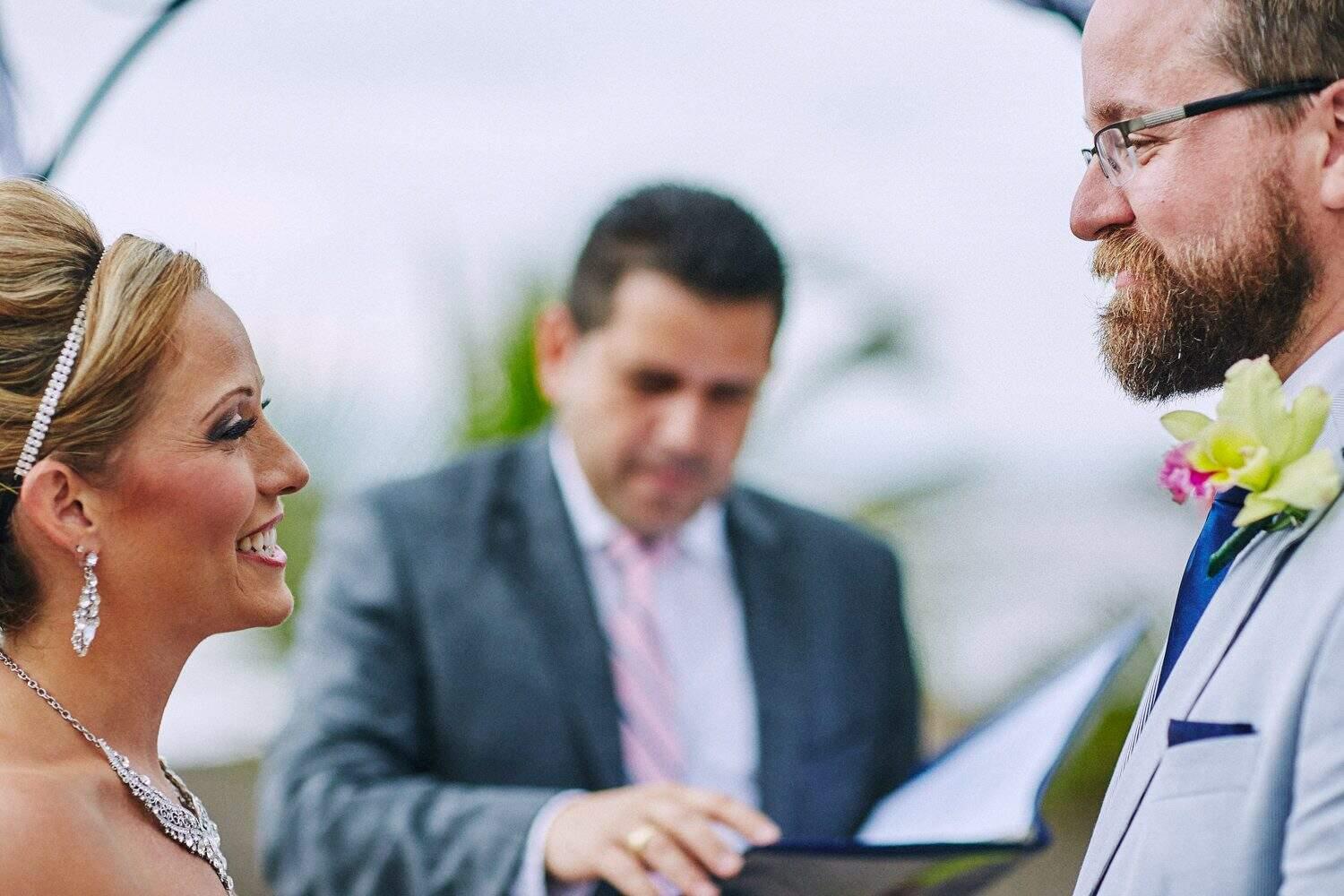
Is Costa Rica a Good Place to Get Married?
Costa Rica combines a simple legal process with natural beauty and strong infrastructure. Flights are widely available, English is commonly spoken within the wedding industry, and vendors are experienced in working remotely with couples planning from abroad.
From a practical standpoint, it’s one of the easiest countries to plan a destination wedding without sacrificing quality or reliability.
Why Couples Choose Costa Rica for Their Destination Wedding
Most couples I work with choose Costa Rica because it allows them to combine a meaningful legal ceremony with a relaxed, experience-driven celebration. Weddings here tend to feel less rigid and more personal, whether that means an intimate elopement or a full weekend event with guests.
Costa Rica also offers a wide range of locations within short travel distances, which makes logistics easier for couples and guests alike.
Legal Requirements to Get Married in Costa Rica
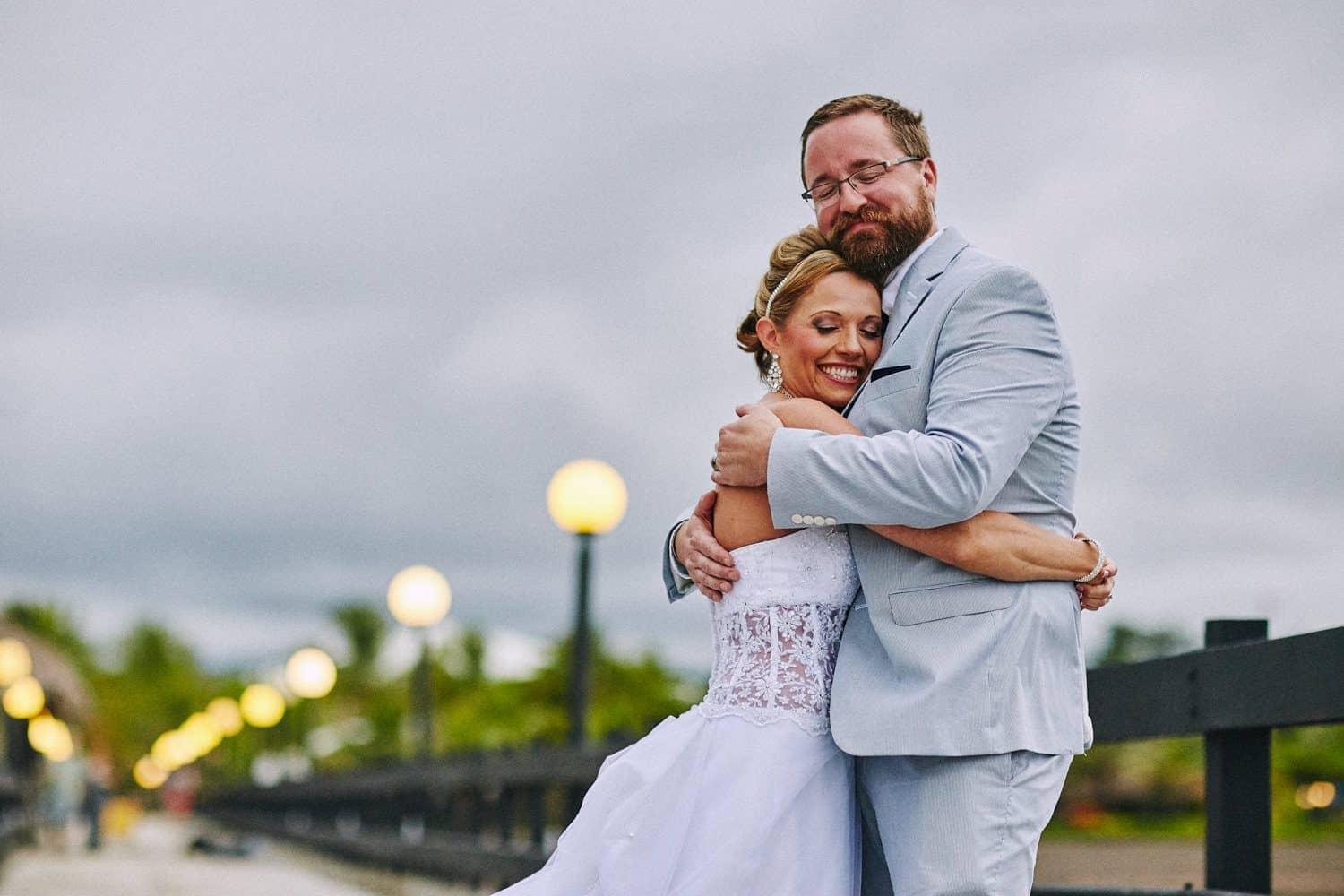
Legal weddings in Costa Rica are performed by an authorized officiant, typically a Costa Rican lawyer. In practice, most couples I photograph work with a bilingual lawyer who acts as both officiant and legal coordinator, which removes almost all paperwork friction when handled early.
What Documents Do You Need to Get Married in Costa Rica?
To get married legally in Costa Rica, you typically need:
- Valid passports
- Basic birth information
- A sworn affidavit stating your marital status
- Divorce decree or death certificate if previously married
- Two adult witnesses with valid identification
- From my experience working with international couples, documentation issues almost always come from timing rather than missing papers, which is why sending documents to your officiant well in advance matters more than over-preparing extras.
Do You Need an Apostille or Birth Certificate?
In most cases, no apostille or original birth certificate is required. This is one of the reasons Costa Rica is considered easier than many other countries for legal weddings.
Do You Need Divorce or Death Certificates?
Yes, if applicable. Copies are usually sufficient, but your officiant will confirm based on your situation.
Is Same-Sex Marriage Legal in Costa Rica?
Yes. Same-sex marriage is legal in Costa Rica, and the legal process is the same for all couples.
How Many Witnesses Are Required?
Two witnesses over the age of 18 are required. They do not need to be Costa Rican citizens and can be friends, family members, or other trusted adults.

The Legal Wedding Process Step by Step
Step 1: Choose a Qualified Costa Rica Wedding Officiant
Your officiant prepares the paperwork, performs the ceremony, and registers the marriage. Choosing someone experienced with international couples makes a significant difference.
Step 2: Prepare and Submit Your Legal Documents
Passport copies and affidavits are submitted in advance so everything is ready before you arrive in Costa Rica.
Step 3: The Wedding Ceremony and Signing
The ceremony can be short and simple or more personal, depending on your preferences. After the ceremony, the couple, witnesses, and officiant sign the legal documents.
Step 4: Registering Your Marriage After the Wedding
The officiant registers the marriage with the Costa Rican Civil Registry after the ceremony. You do not need to remain in the country for this step.
Step 5: Registering Your Marriage in Your Home Country
Once registered in Costa Rica, your marriage is legally valid. Some couples register it in their home country for administrative reasons, depending on local rules.
Step 6: Name Change After a Costa Rica Wedding (Optional)
Any name change is handled through your home country’s legal system, not in Costa Rica.
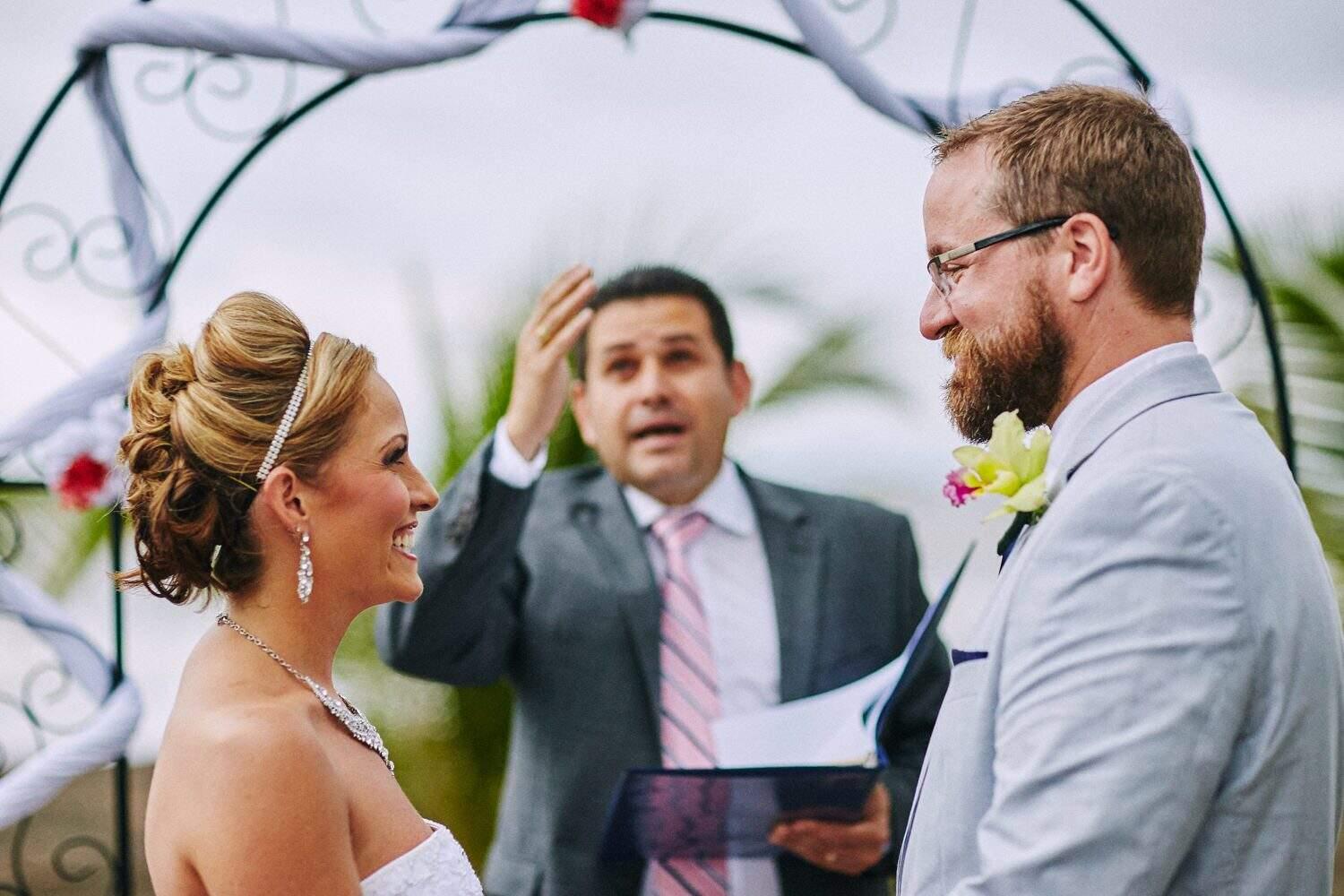
Religious and Symbolic Wedding Options
Church Weddings in Costa Rica
Church weddings, especially Catholic ceremonies, involve additional requirements and longer timelines. Many couples opt for a civil ceremony followed by a symbolic or religious celebration.
Catholic Wedding Requirements
Catholic weddings require approval from both your home parish and the Costa Rican church, which can take several months.
Symbolic Weddings vs Legal Weddings in Costa Rica
Many couples I work with choose to complete the legal ceremony in Costa Rica and then plan a more personalized celebration afterward. This approach keeps the legal process clean while allowing full creative freedom.
When to Start Planning Your Costa Rica Wedding
When Should You Contact an Officiant?
As soon as you have a tentative date. Officiants book quickly during peak season.
How Far in Advance Should You Plan?
Most destination weddings are planned 6 to 12 months in advance, especially for popular locations.
How Long Does the Legal Process Take?
The legal registration happens after the wedding and can take several weeks. This does not affect the validity of your ceremony.
Best Time of Year to Get Married in Costa Rica
Dry Season vs Green Season Weddings
The dry season runs roughly from December to April. The green season runs from May to November and offers lush landscapes and fewer crowds.
Having photographed weddings in both seasons, I’ve found that guest experience and location choice often matter more than the season itself.
Weather Considerations by Region
Costa Rica has microclimates. Weather can vary significantly depending on whether you’re on the coast, in the mountains, or inland.
Where to Get Married in Costa Rica
Beach Weddings in Costa Rica
Beach weddings are popular for their relaxed atmosphere and sunset views on both the Pacific and Caribbean coasts.
Luxury Villa and Resort Weddings
Private villas and resorts offer convenience, accommodations, and full service options in one place.
Hacienda and Private Estate Weddings
Haciendas and estates provide privacy and flexibility, especially for larger guest counts.
Popular Wedding Locations in Costa Rica
Common wedding destinations include Guanacaste, Tamarindo, Nosara, Santa Teresa, Manuel Antonio, and the Central Valley.
Planning Your Destination Wedding
Travel Requirements for Couples and Guests
Most visitors enter Costa Rica without a visa for short stays. Passports must be valid for the duration of travel.
How to Find Trusted Wedding Vendors in Costa Rica
Work with vendors who regularly serve destination couples. Experience with international timelines and expectations matters.
Working With Local Wedding Planners
Local planners help manage logistics, vendor coordination, and timelines, especially when planning remotely.
Budget Considerations for a Costa Rica Wedding
Costs vary based on location, guest count, and style. Setting priorities early helps avoid unnecessary expenses.
Common Questions About Getting Married in Costa Rica
Can U.S. Citizens Get Married in Costa Rica?
Yes. U.S. citizens can marry legally in Costa Rica without residency requirements.
Do You Need Residency to Get Married?
No. Tourists can get married legally.
What If You’re Already Legally Married Elsewhere?
You must be legally divorced before remarrying. Some couples choose symbolic ceremonies instead.
What Happens If Paperwork Is Missing or Delayed?
This is why choosing an experienced officiant matters. While delays can happen, most issues are fixable when handled correctly.
While this guide reflects how legal weddings are currently handled in Costa Rica, requirements can change. Your officiant is always the final authority, which is why choosing someone experienced with international couples is essential.
Here you can find all the information about Costa Rica Wedding Officiants


0 Comments