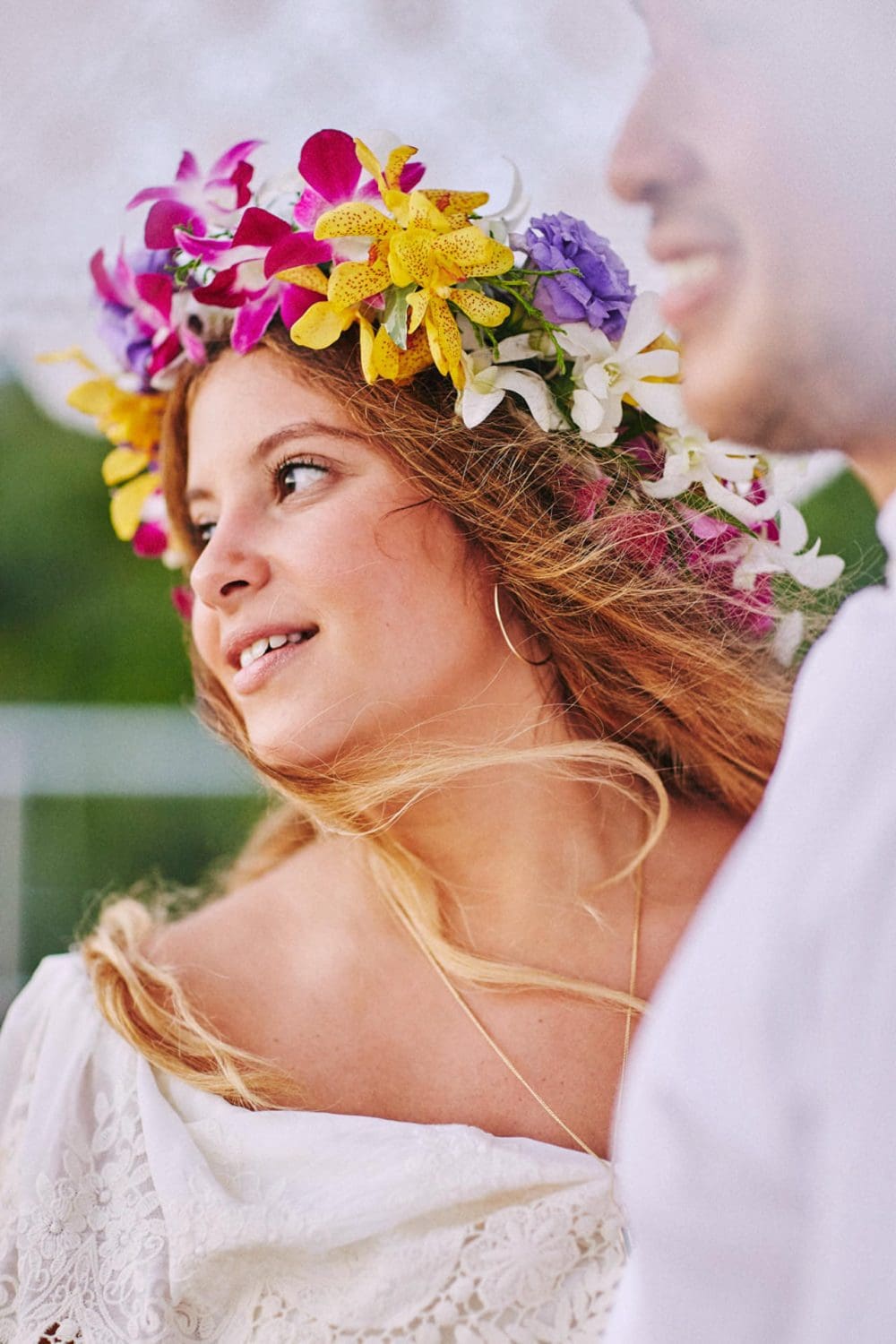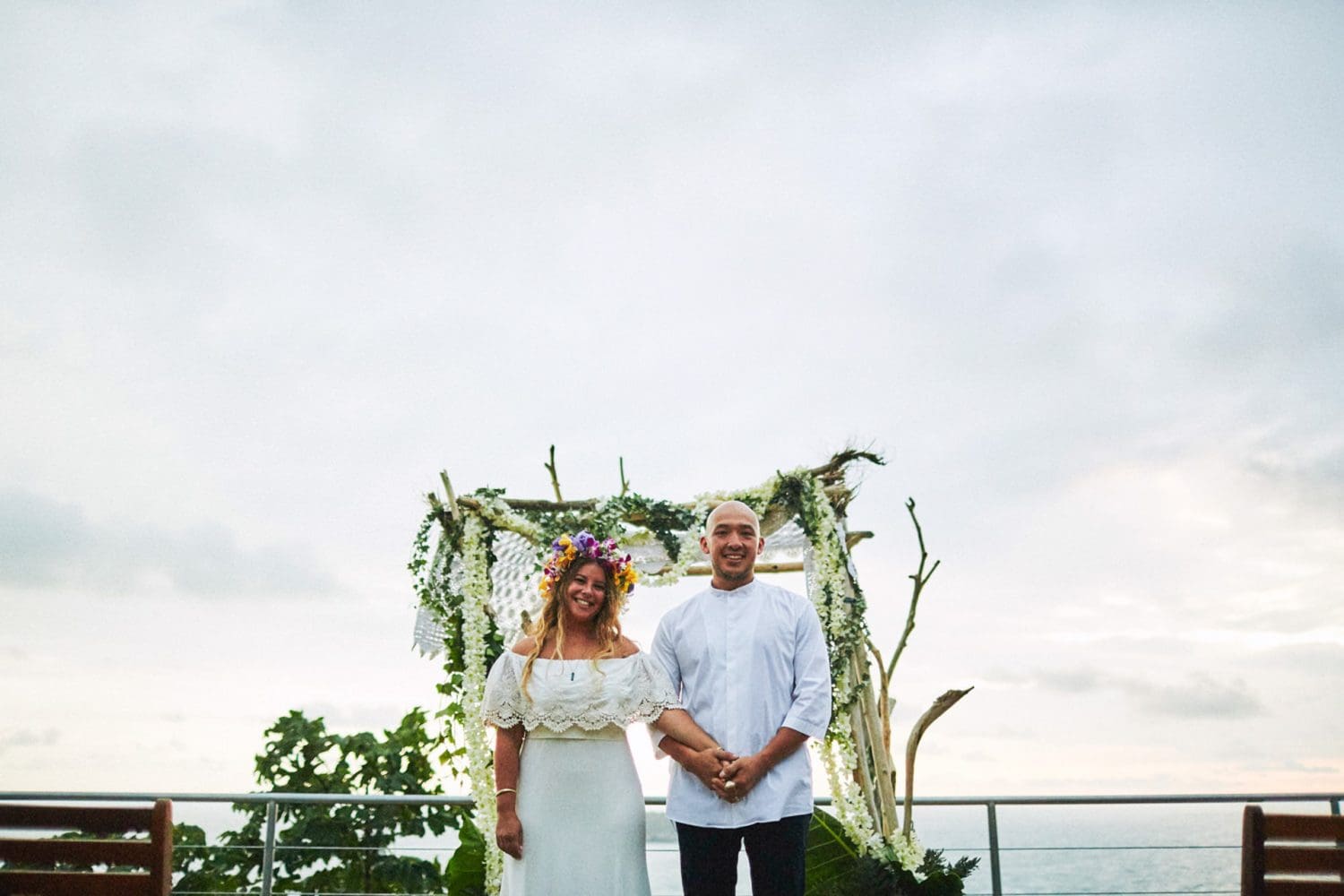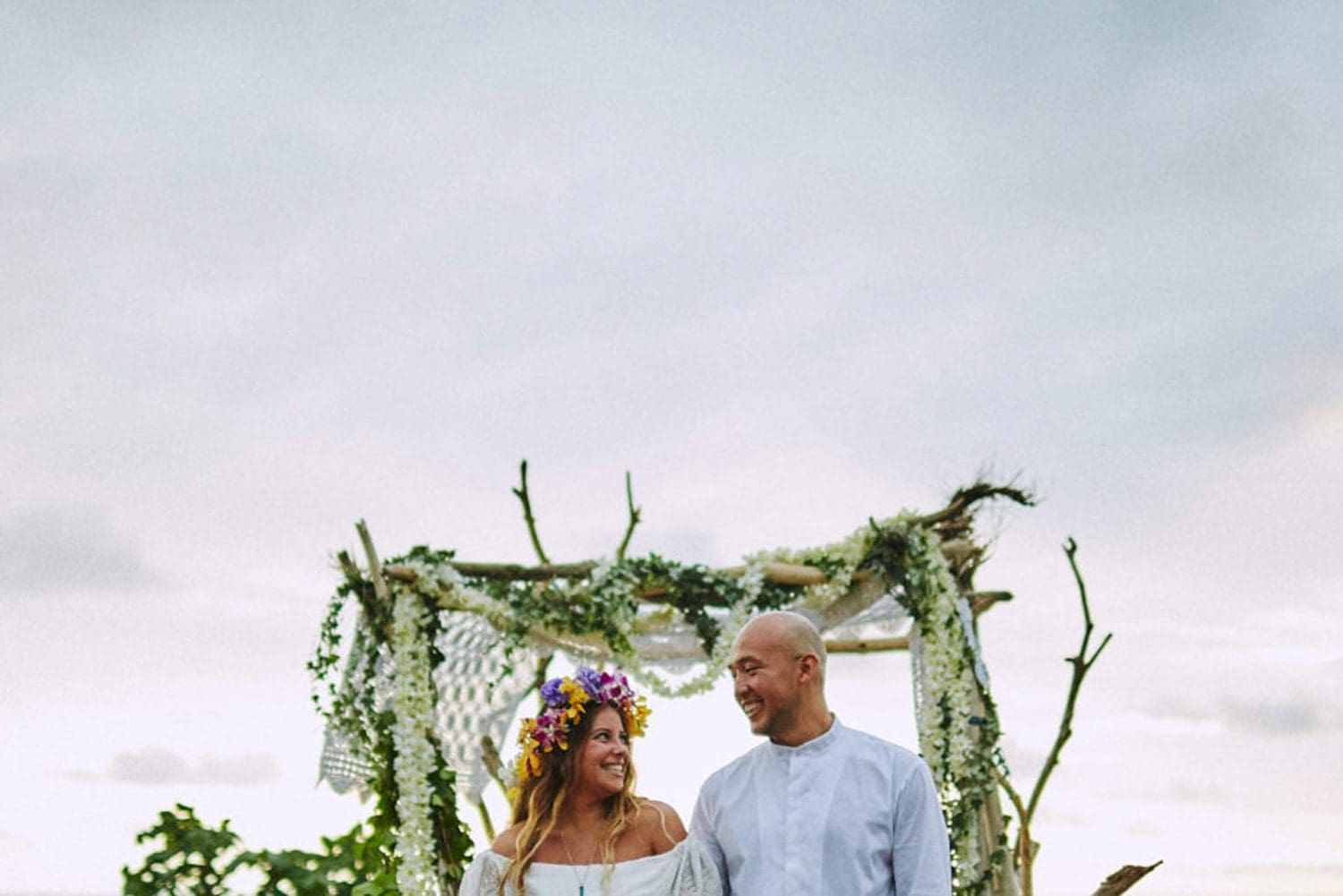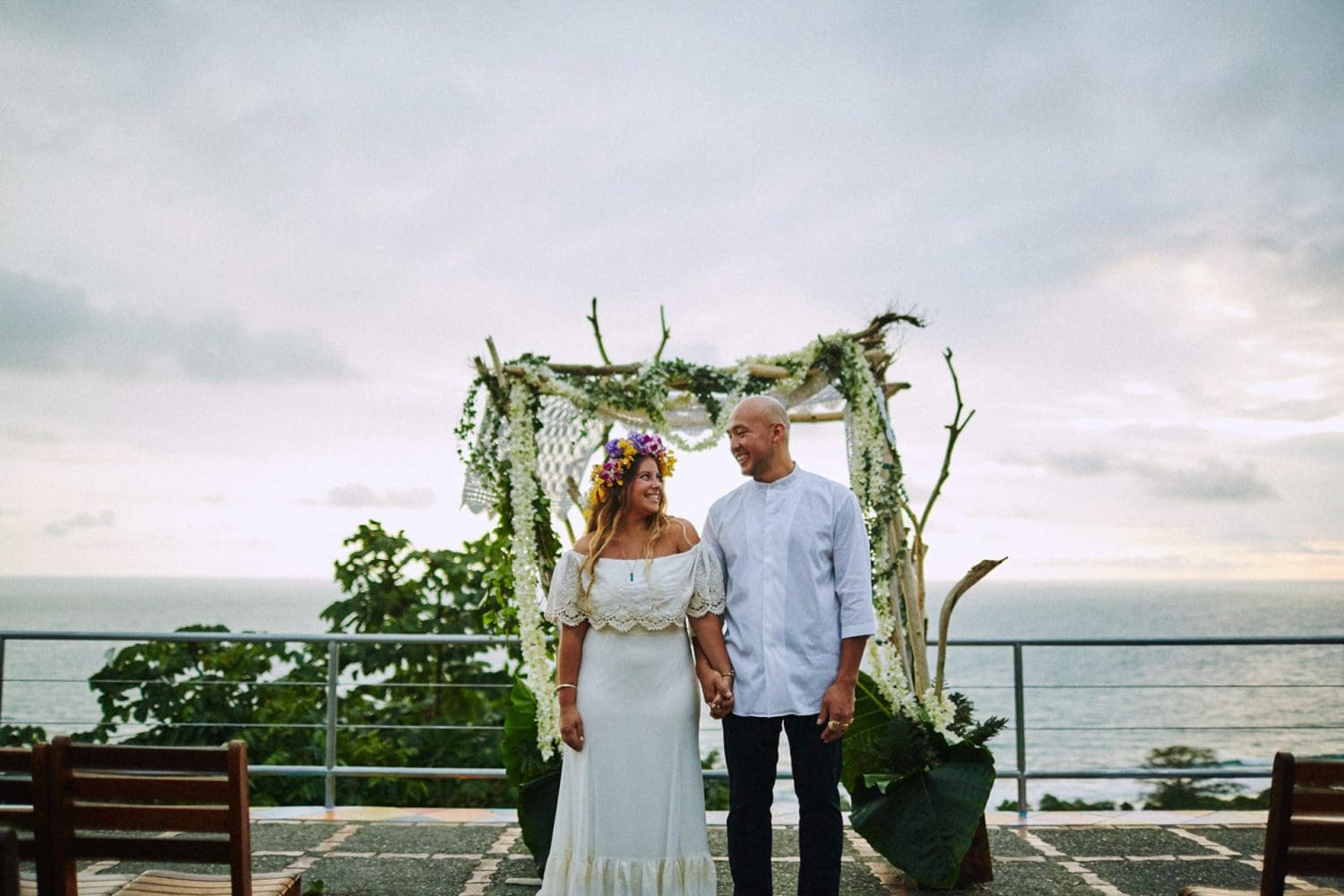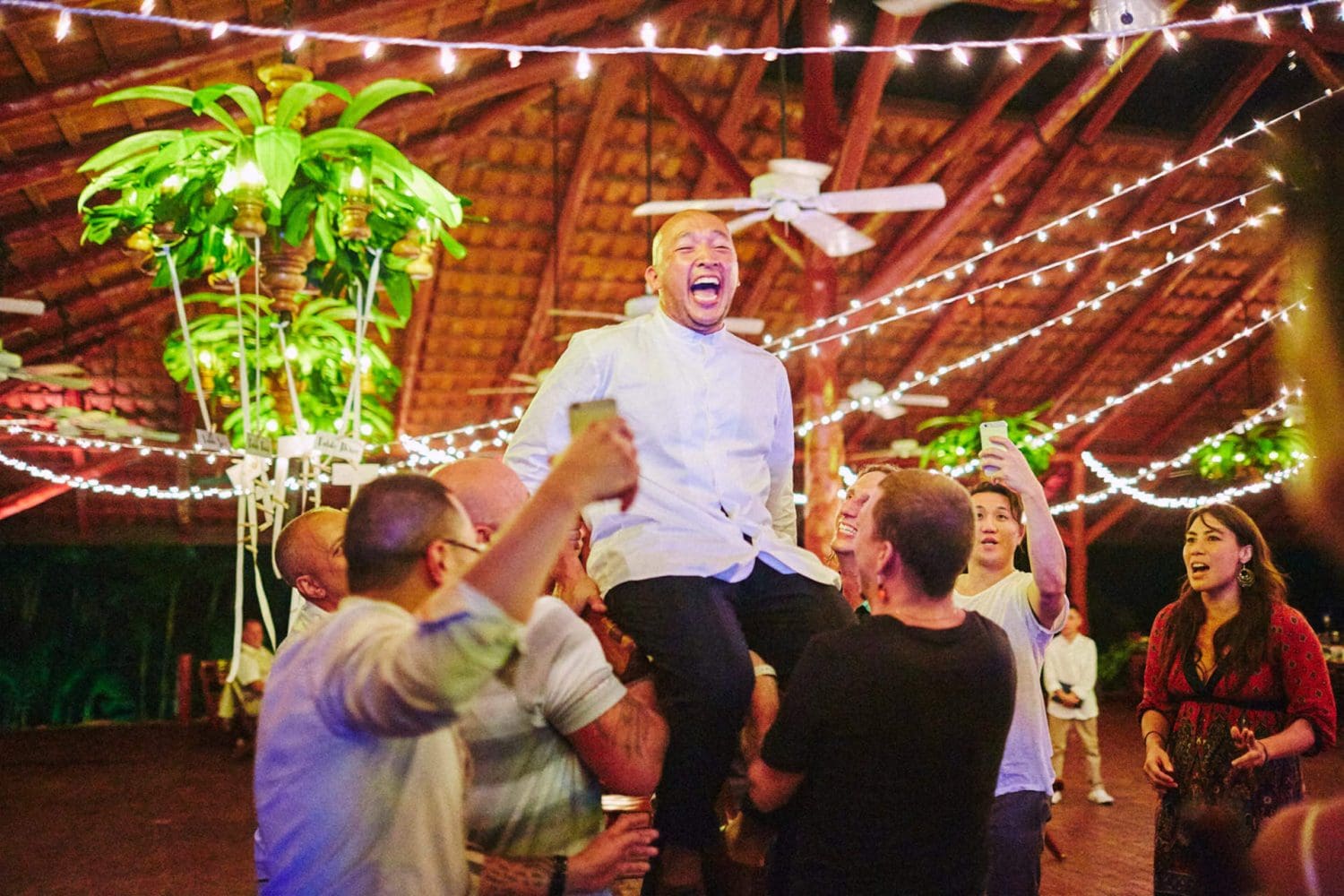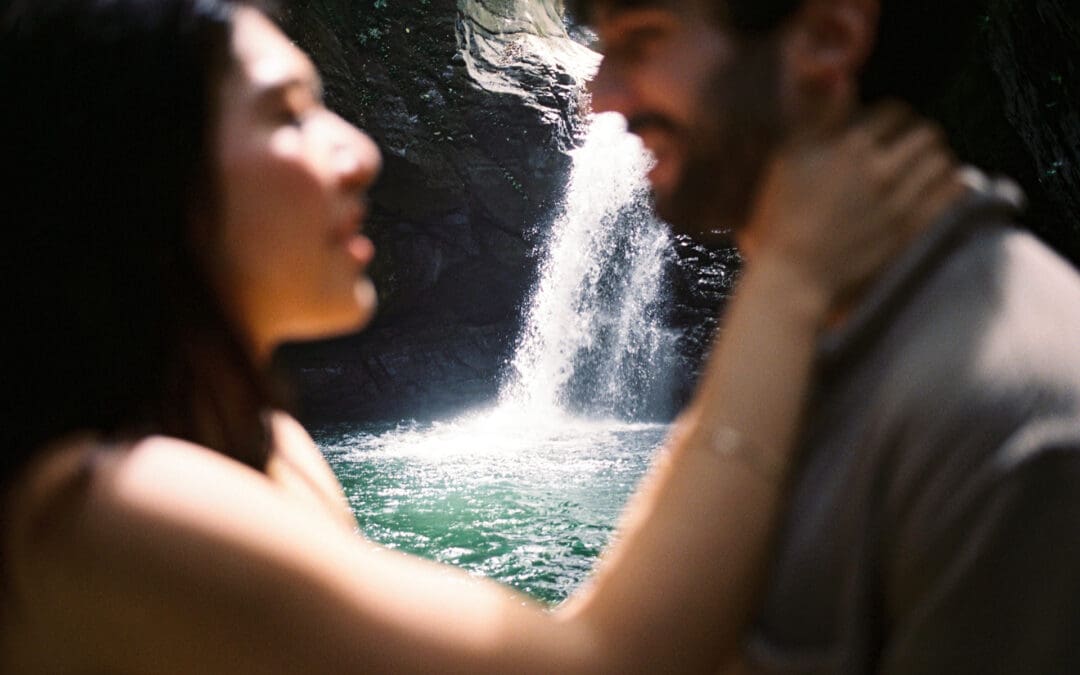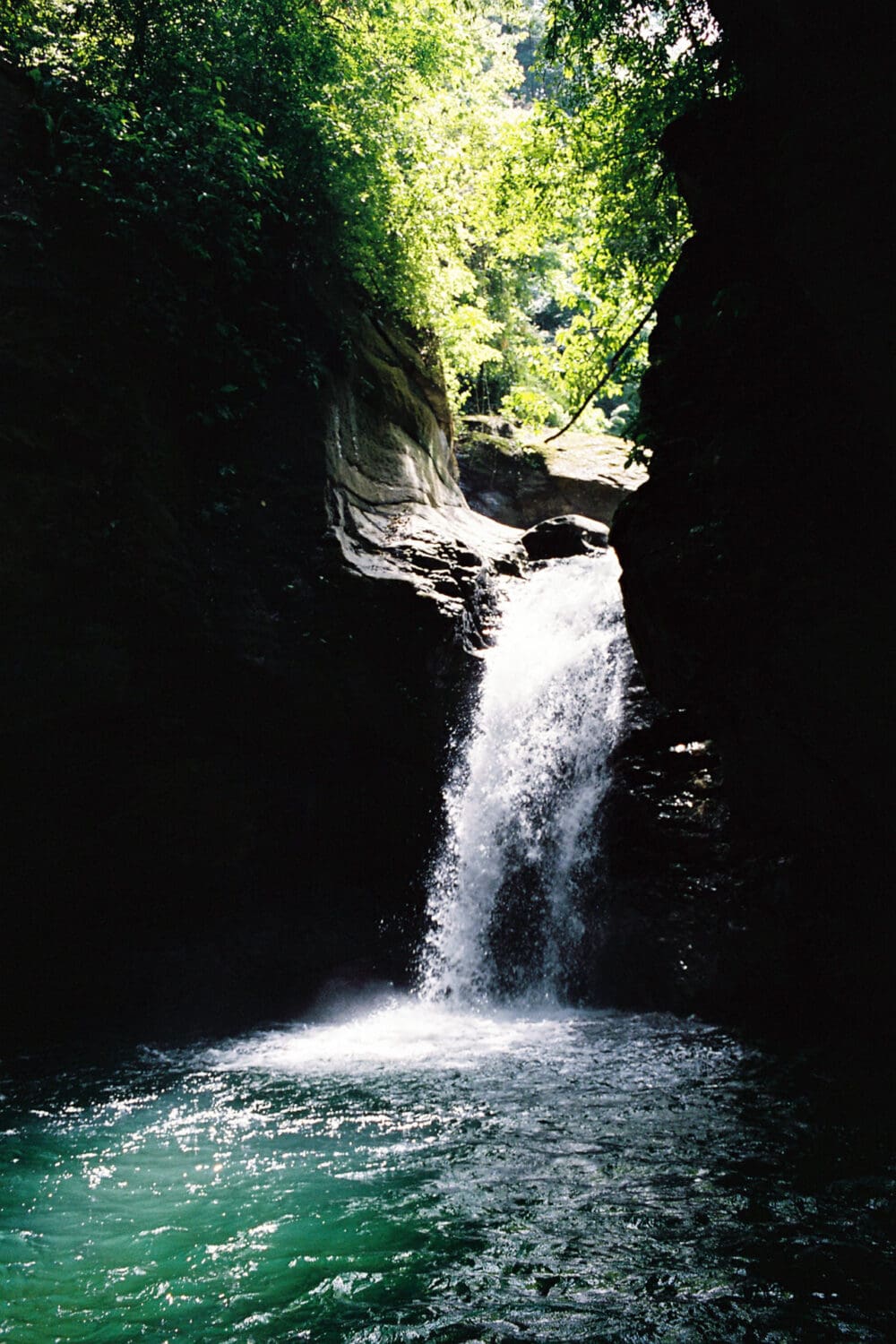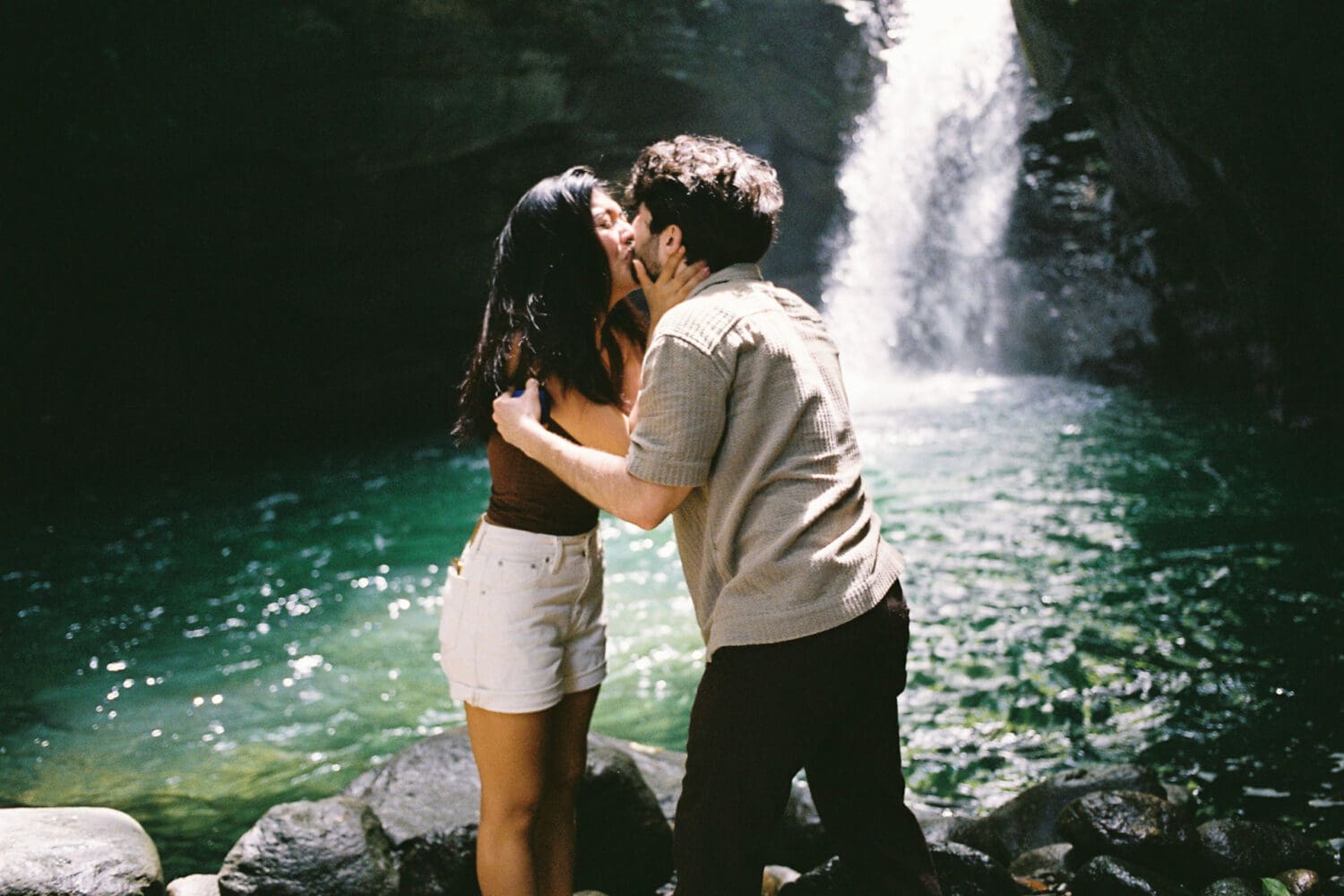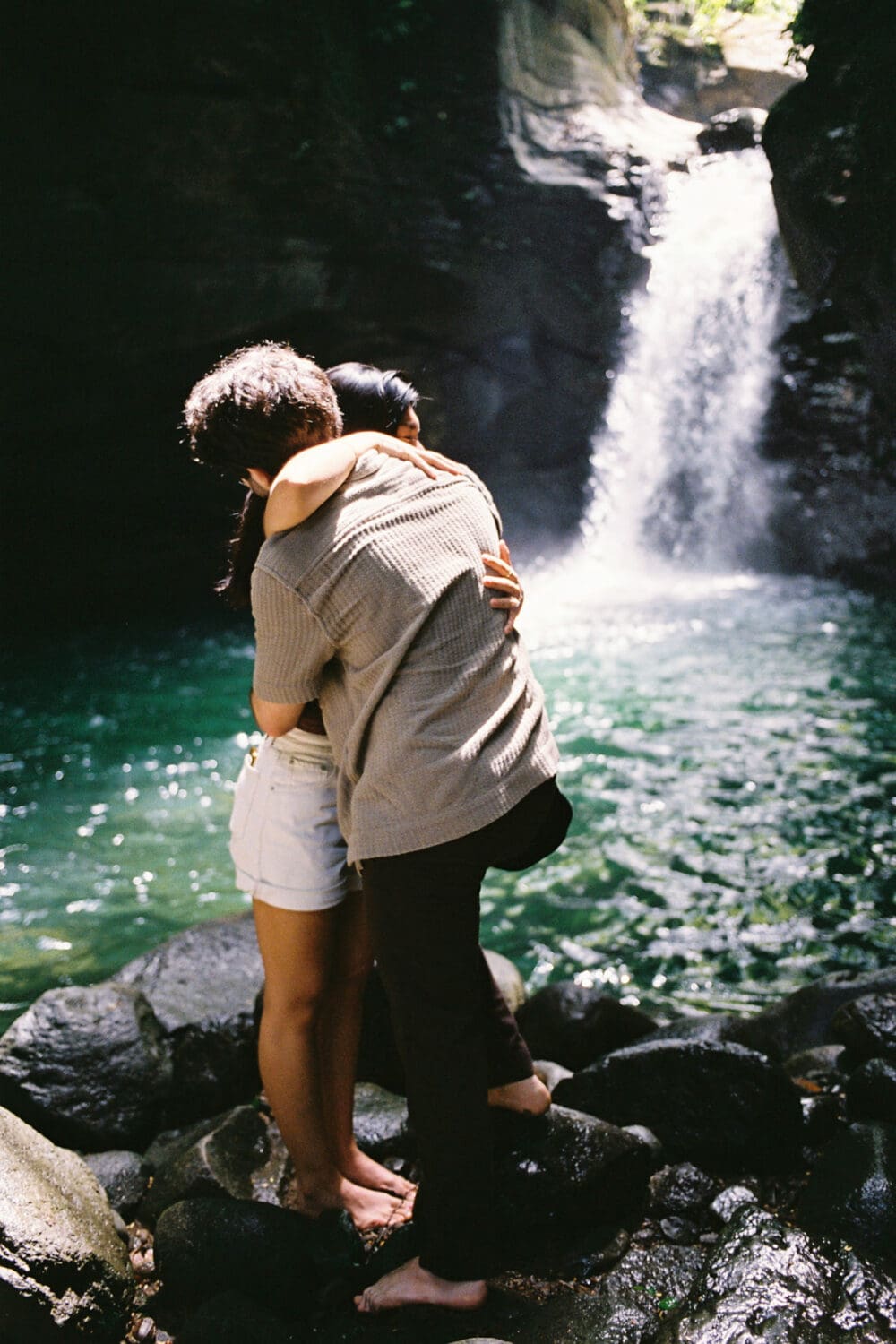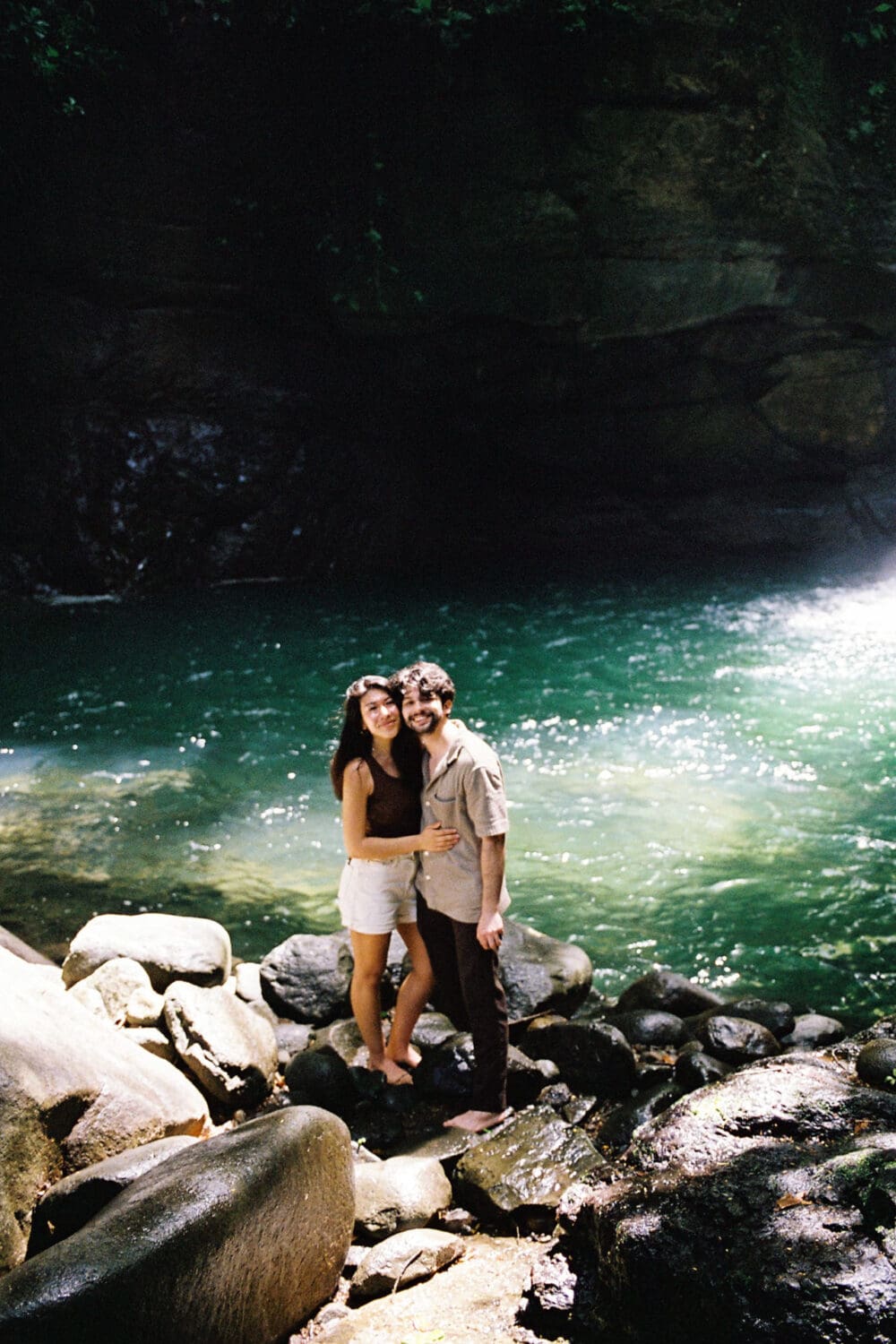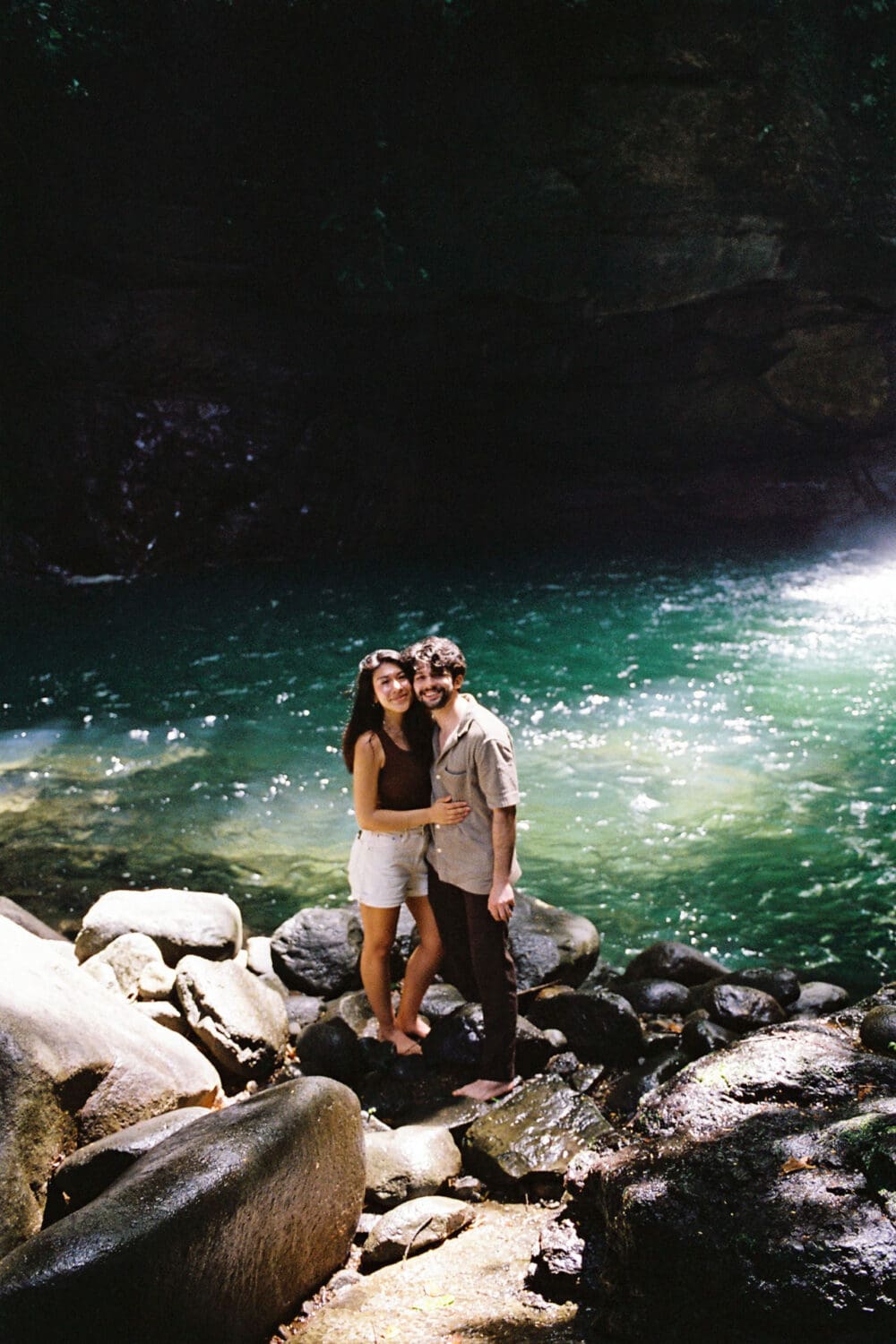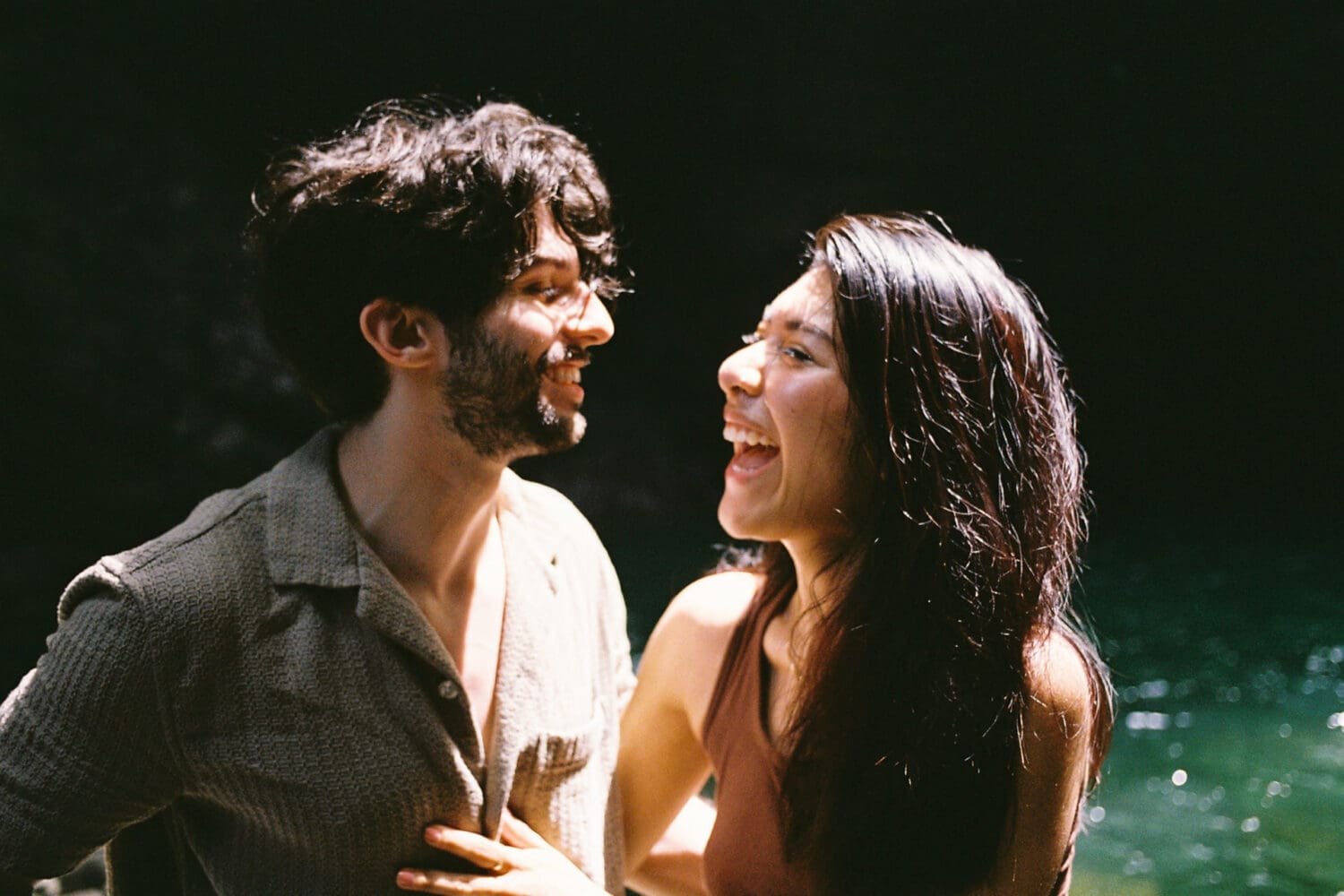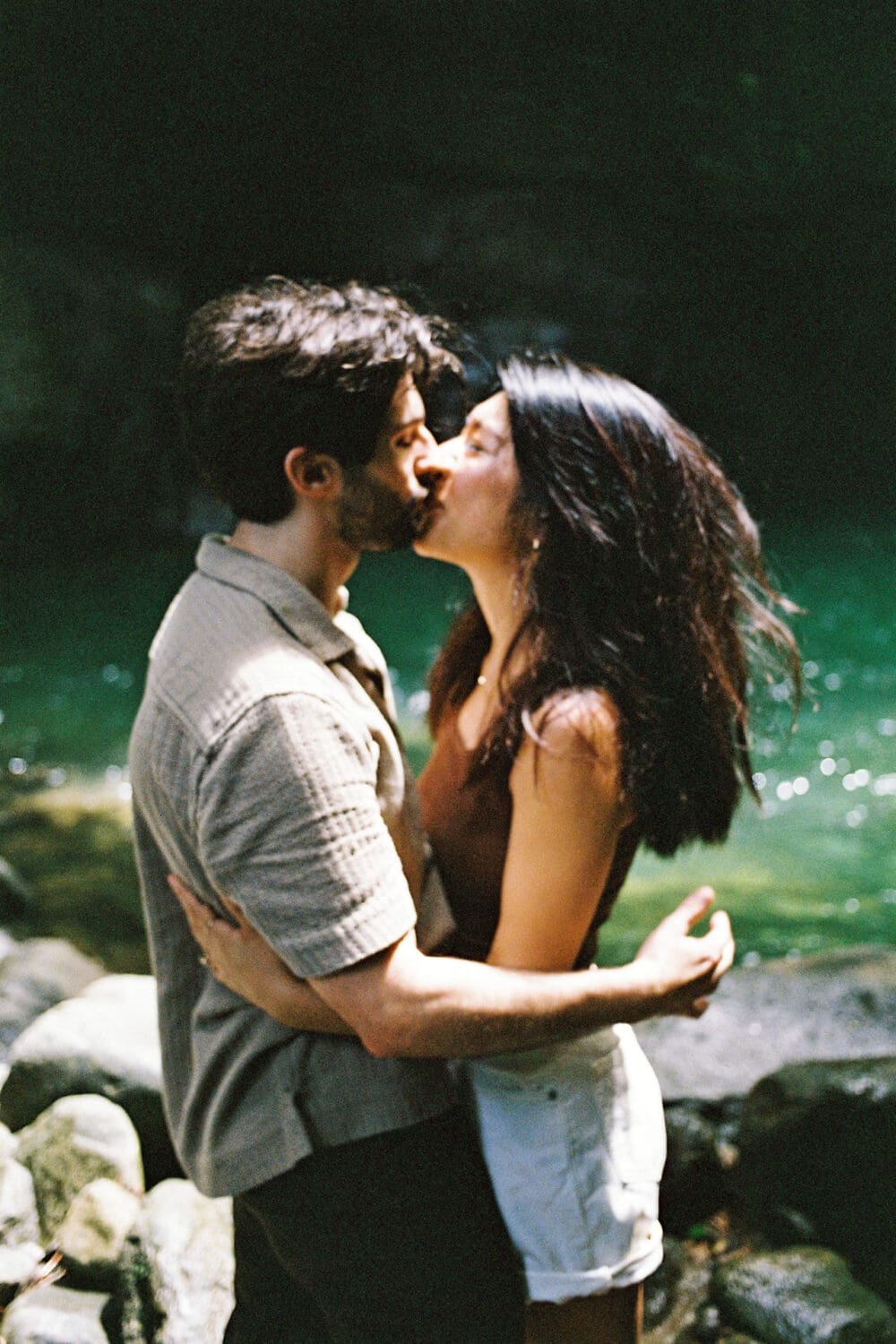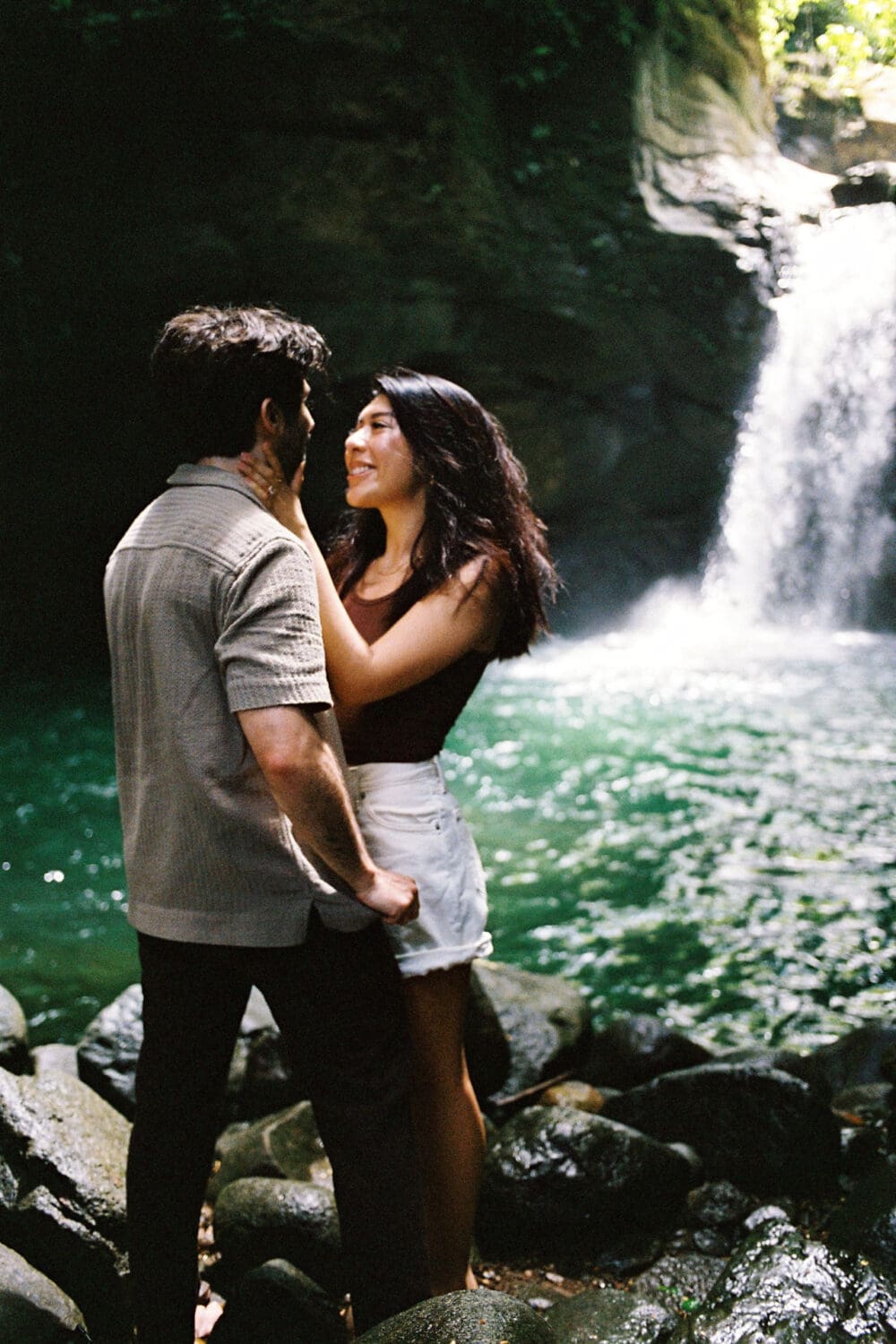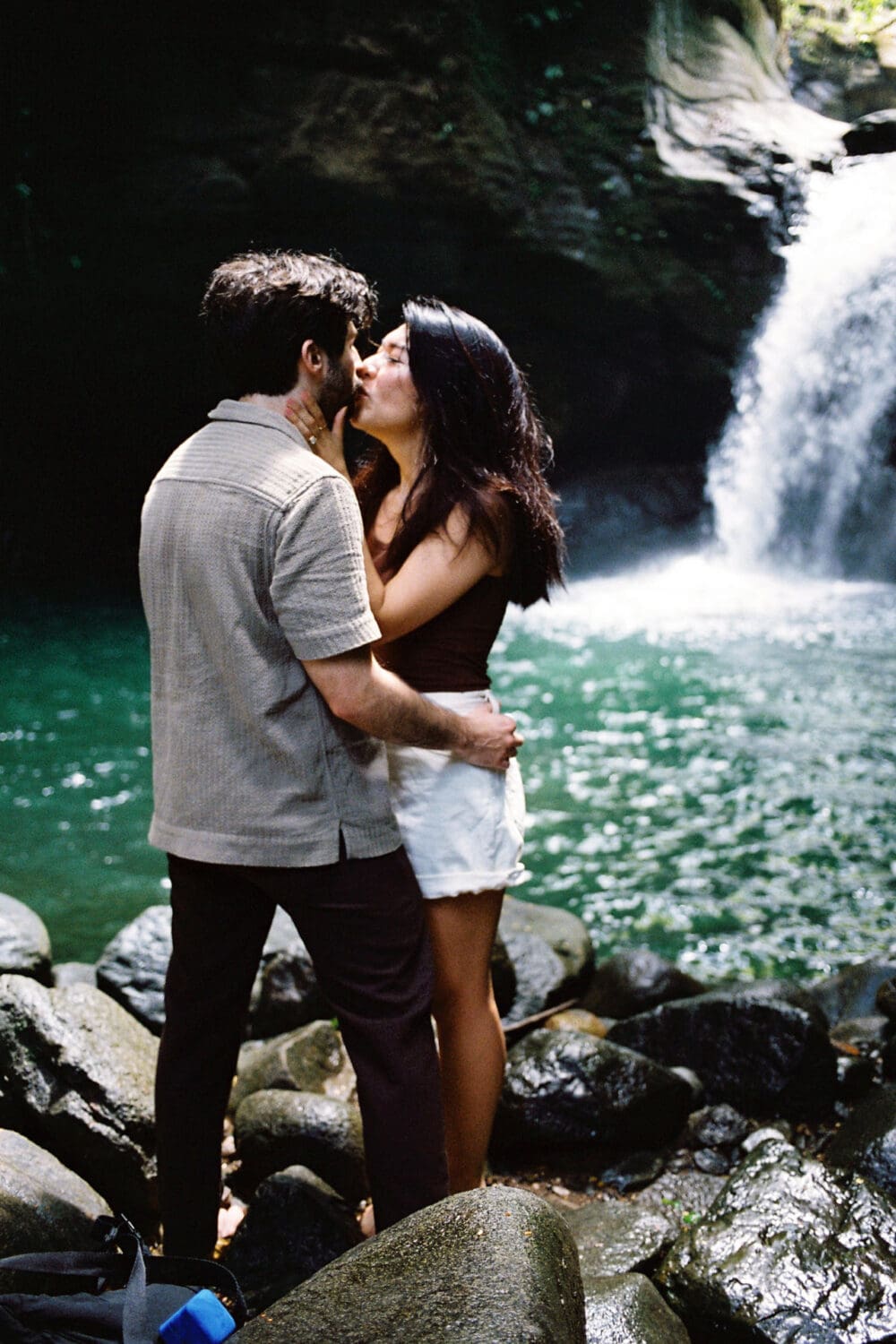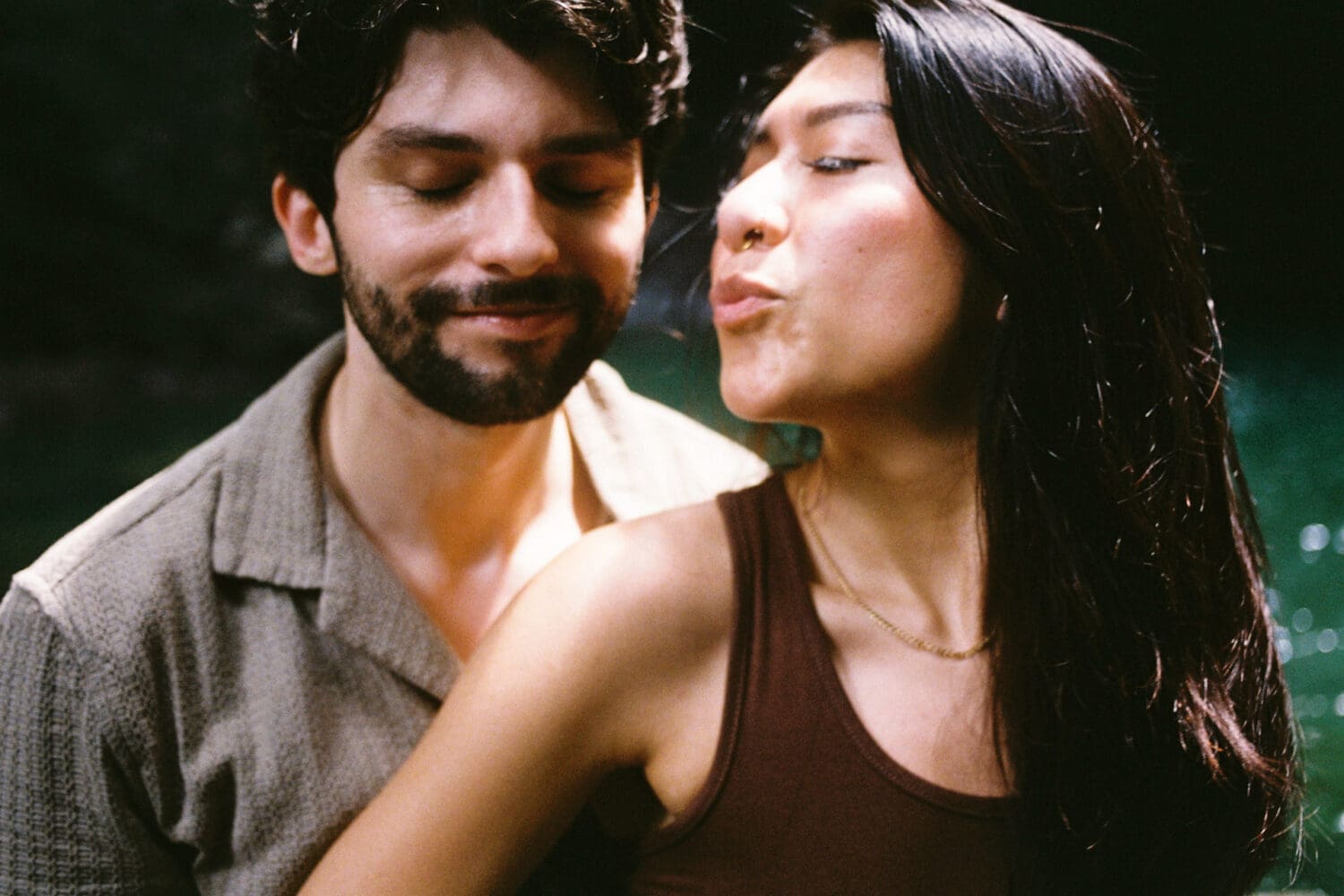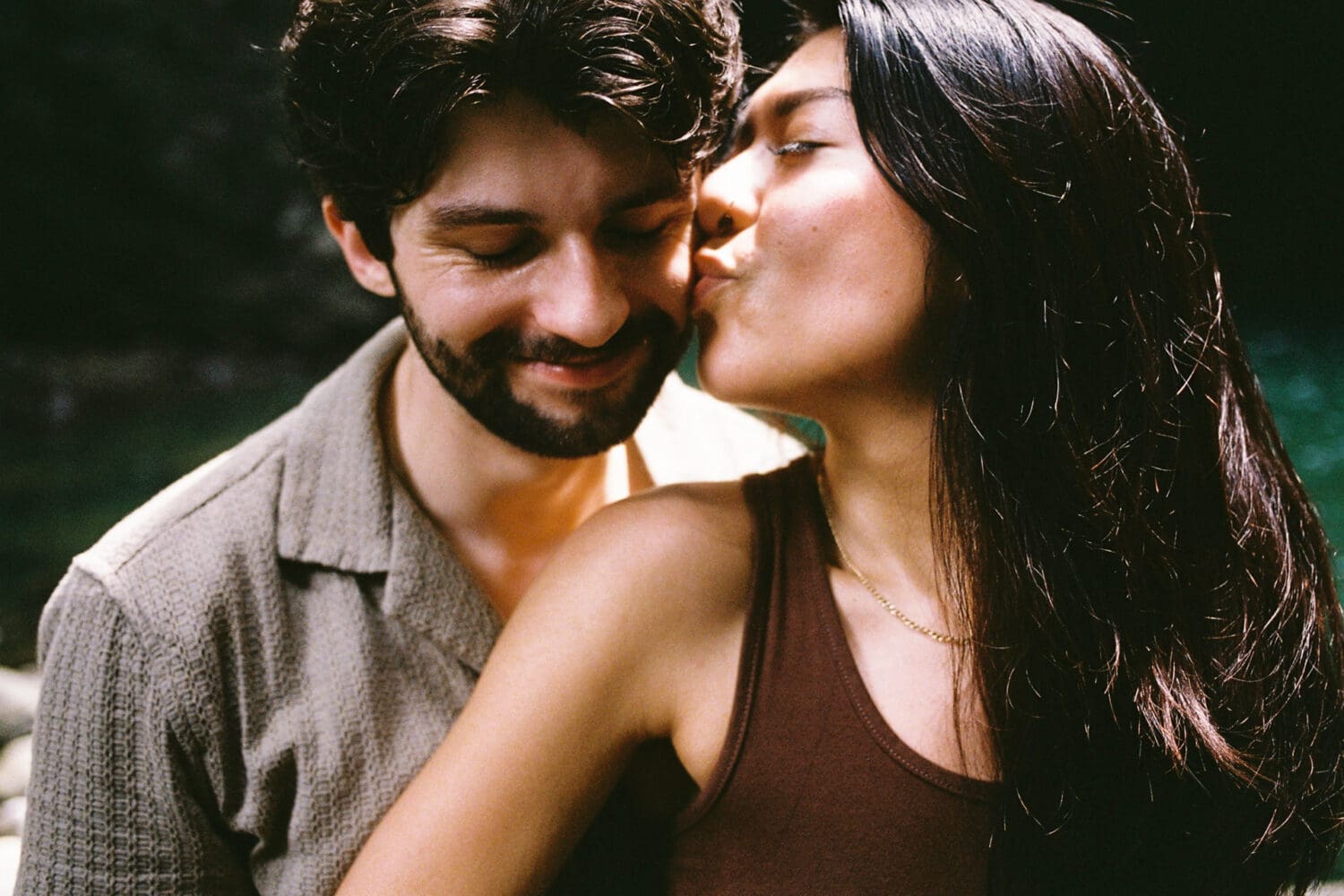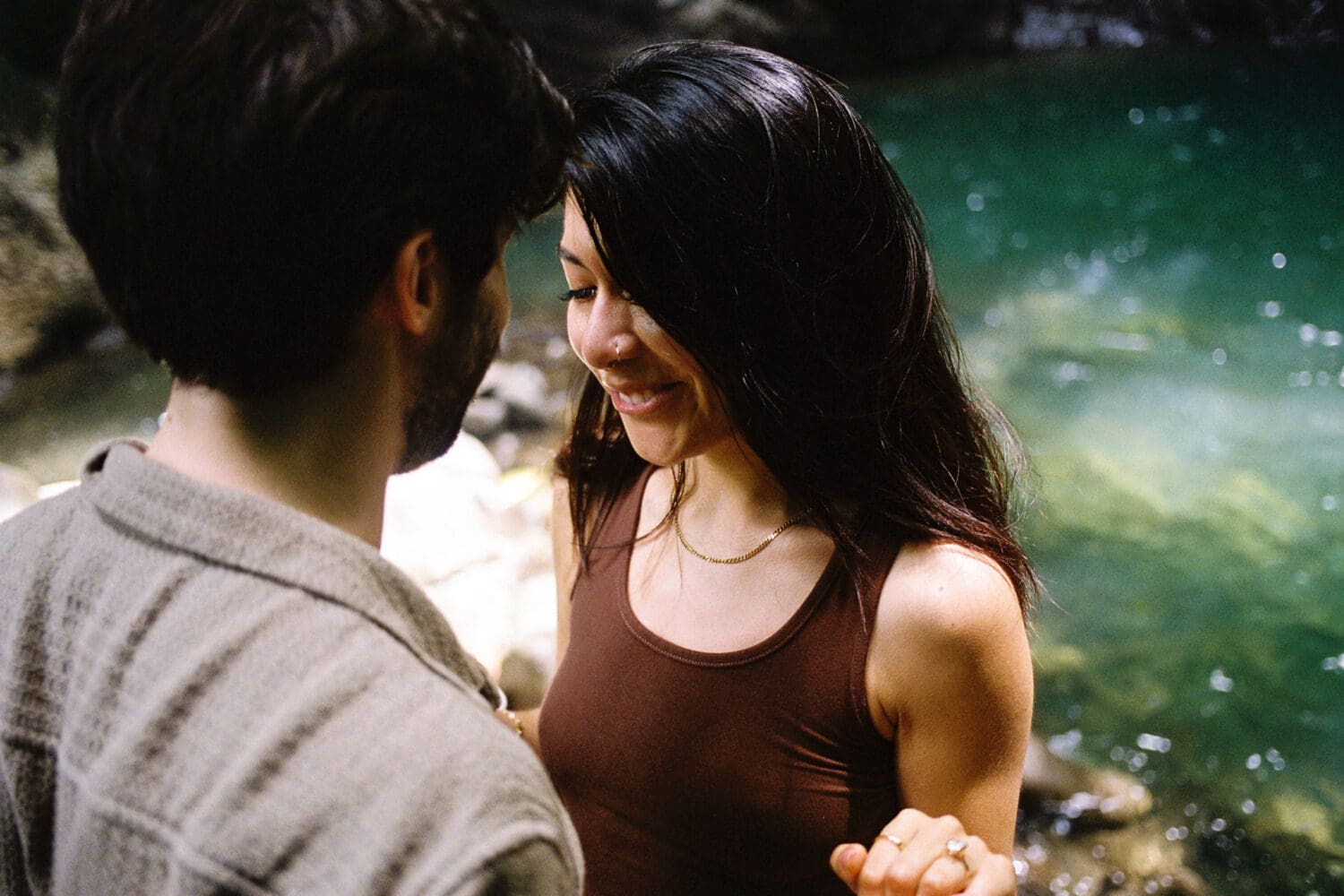
Osa Peninsula Elopement at La Jungla del Jaguar | Rebecca & Pascal

Osa Peninsula Elopement at La Jungla del Jaguar | Rebecca & Pascal

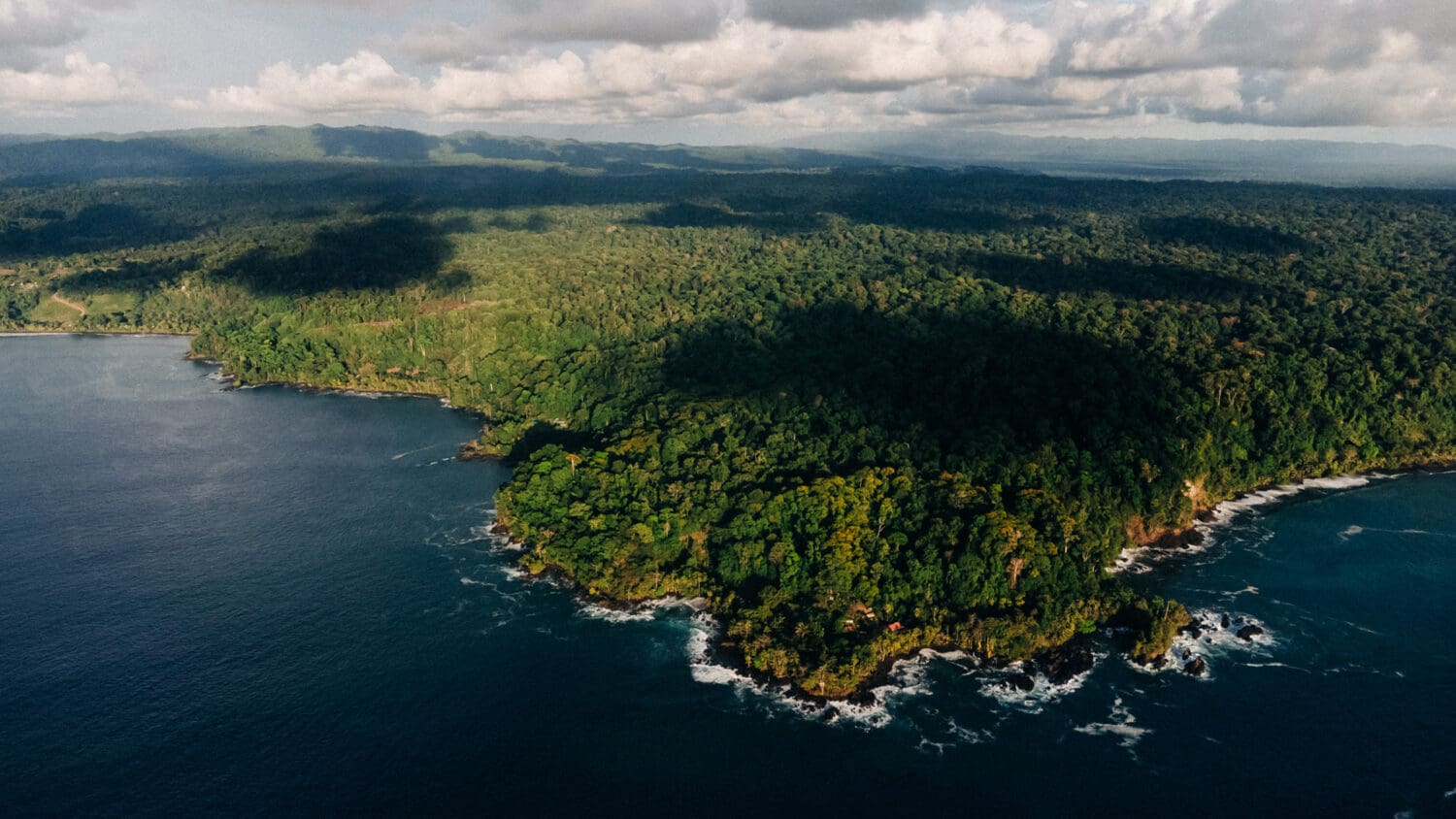
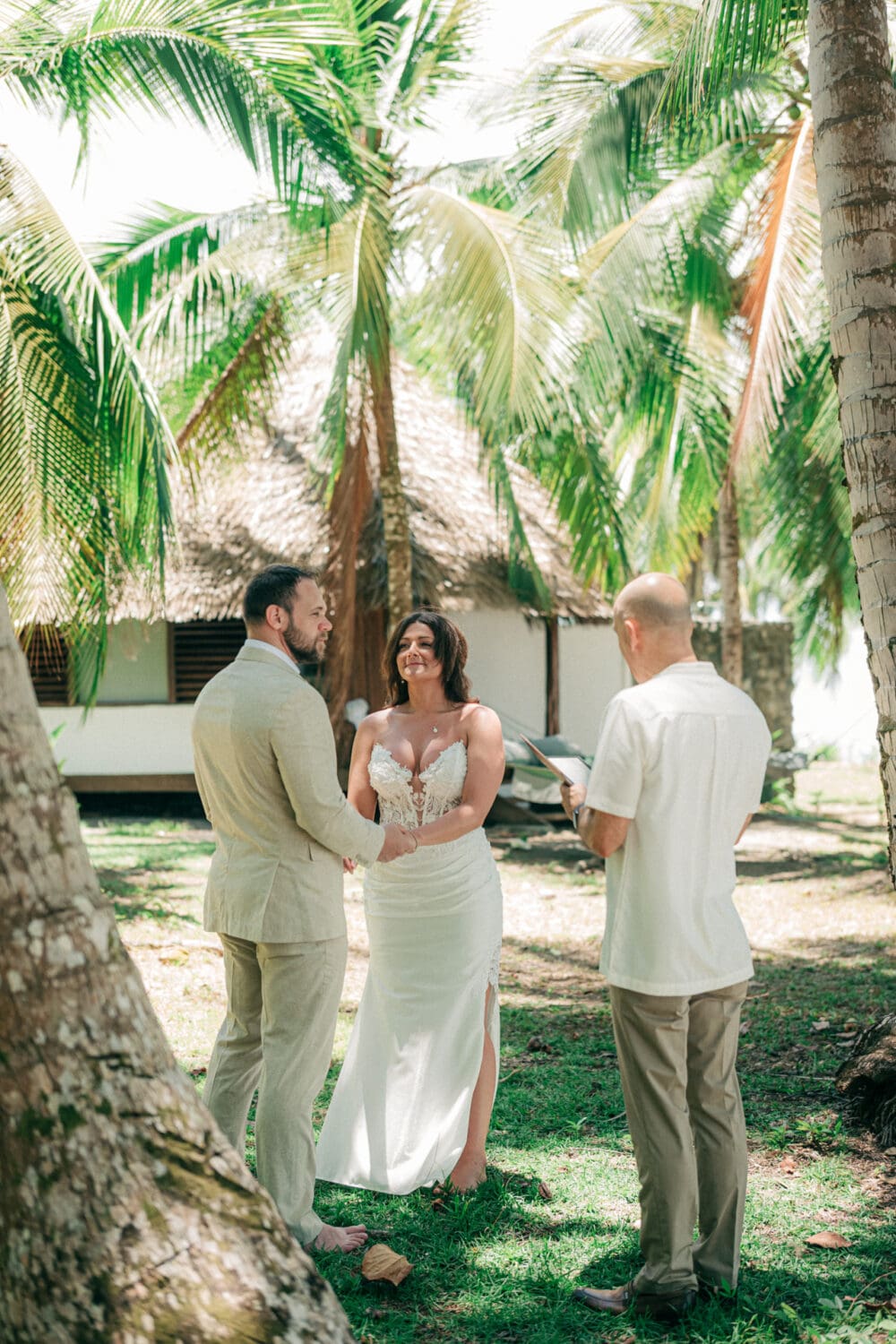
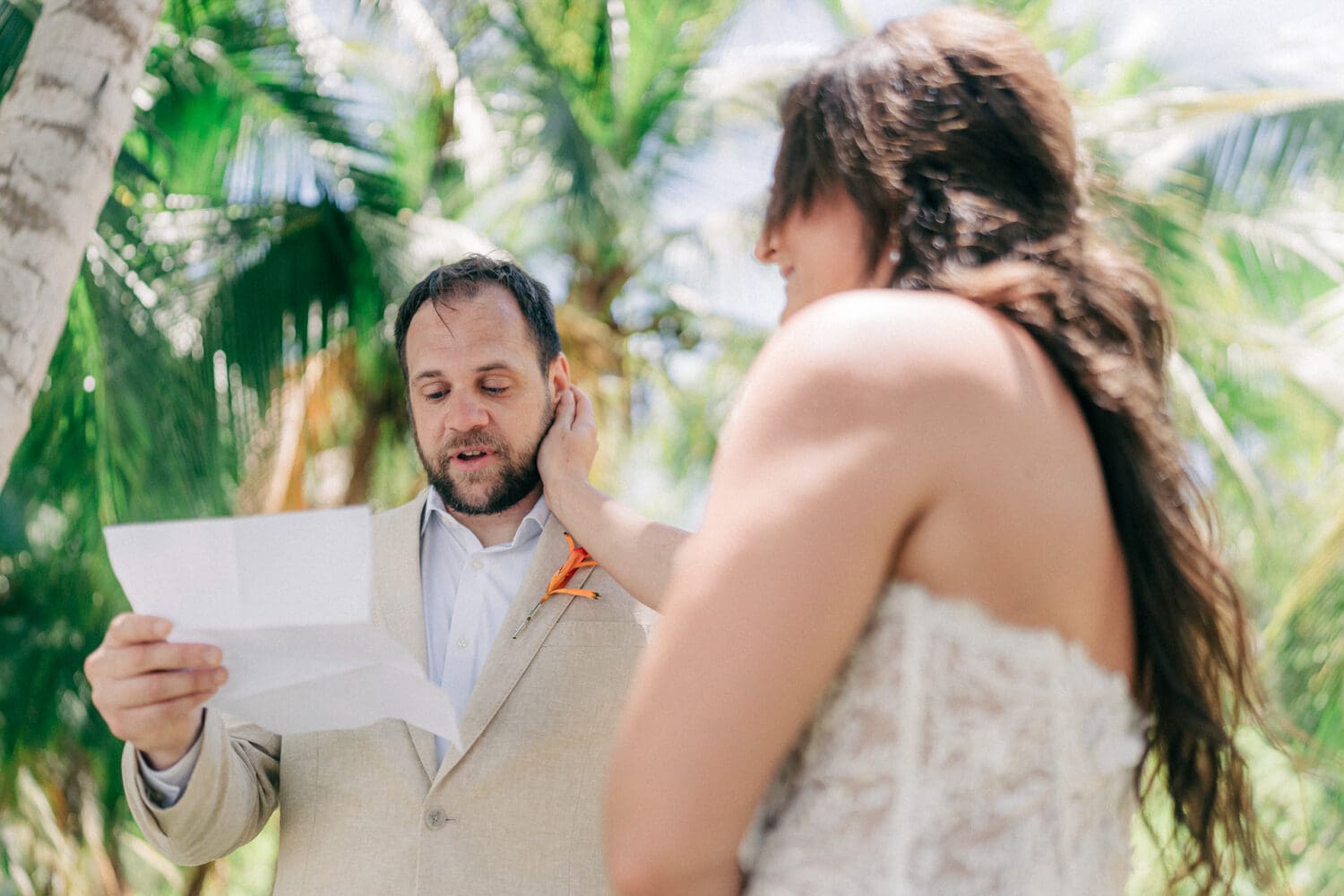
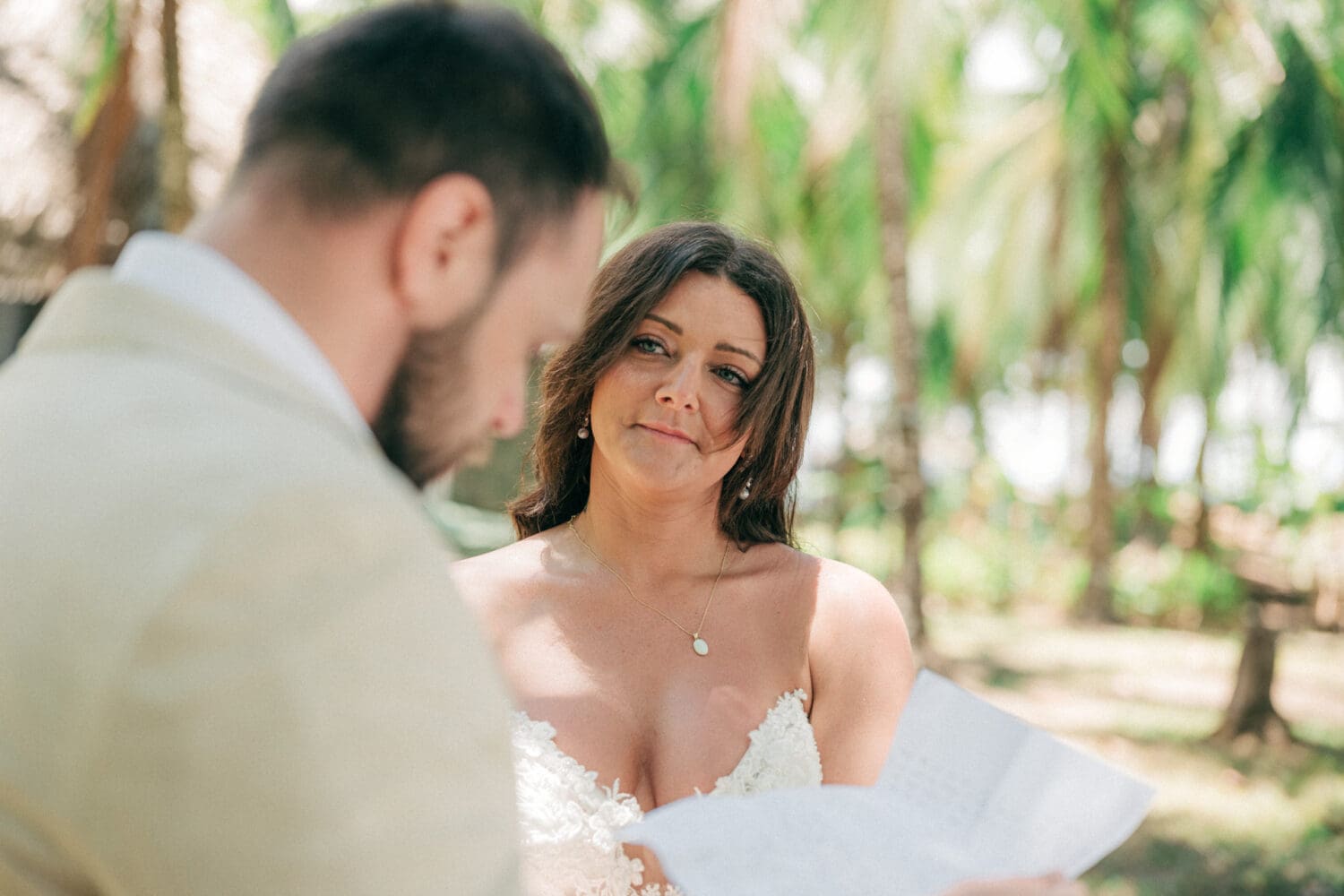
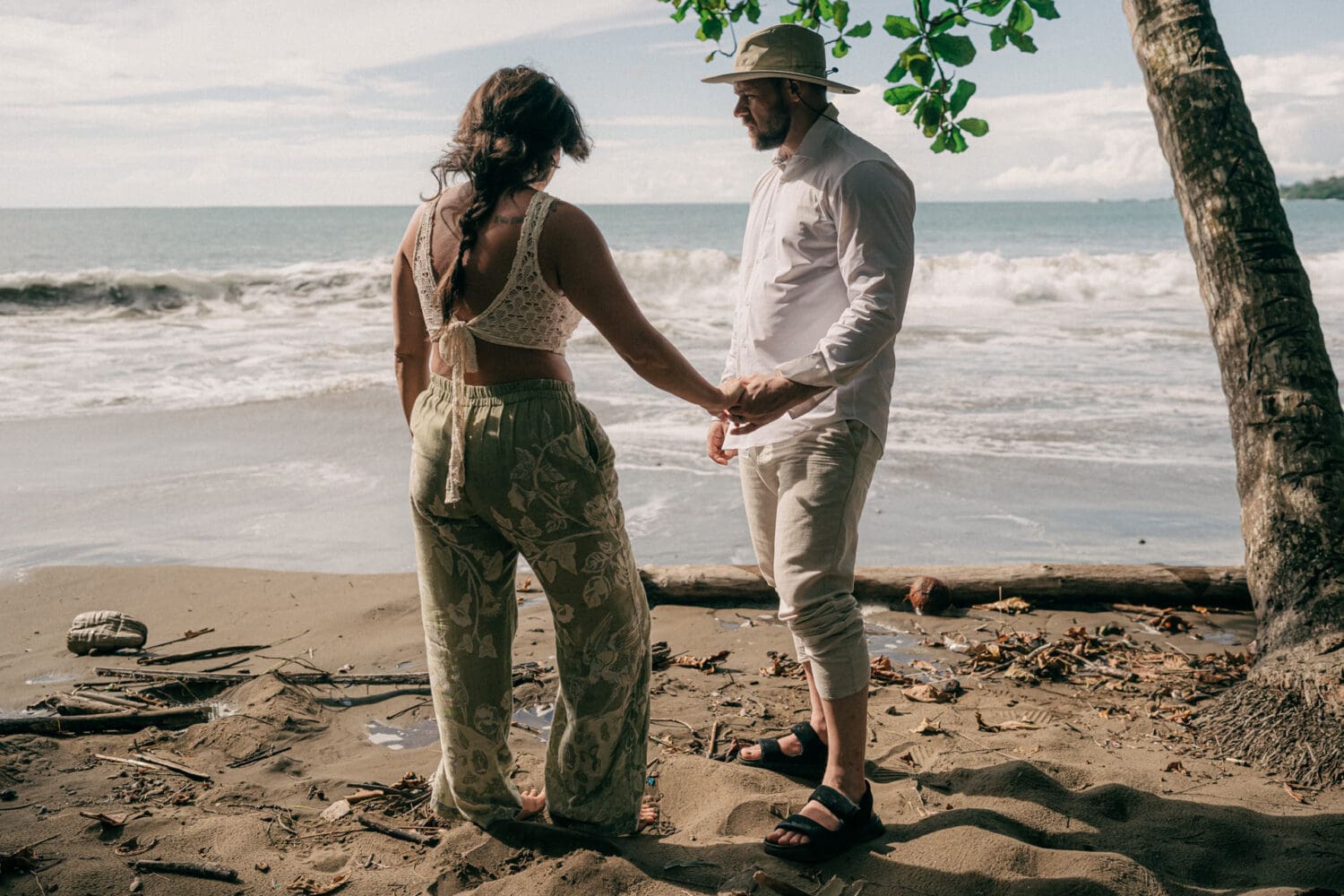
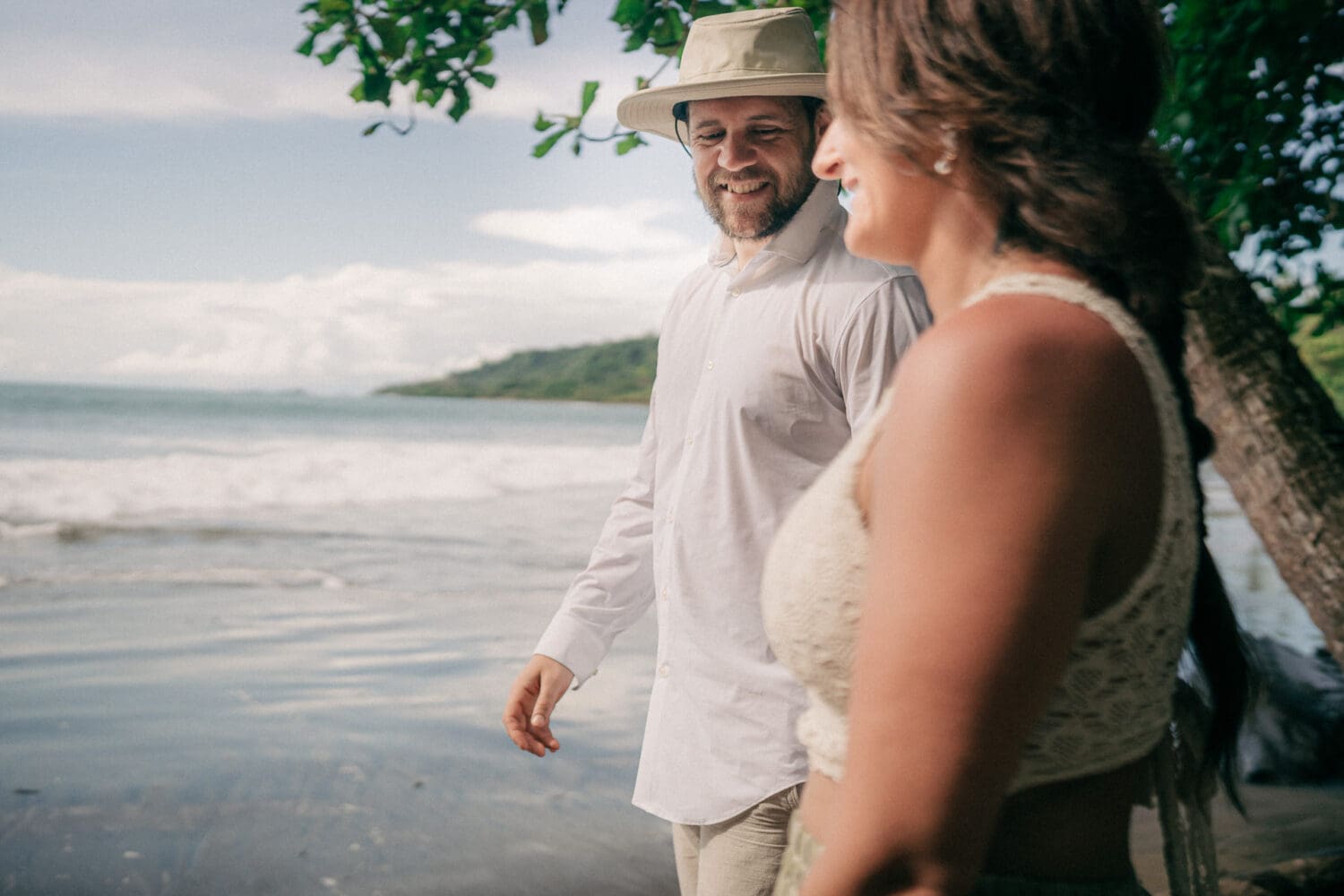
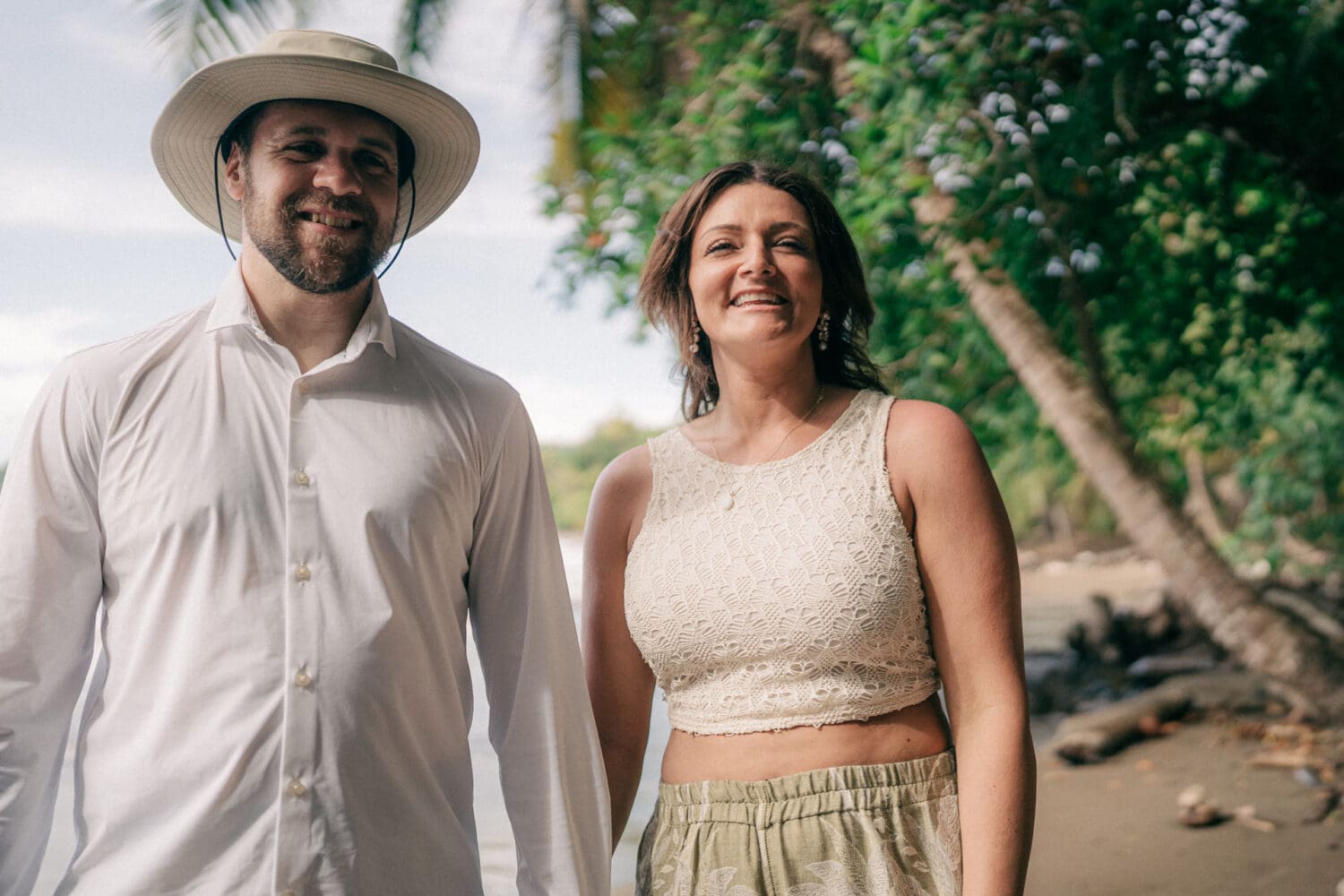
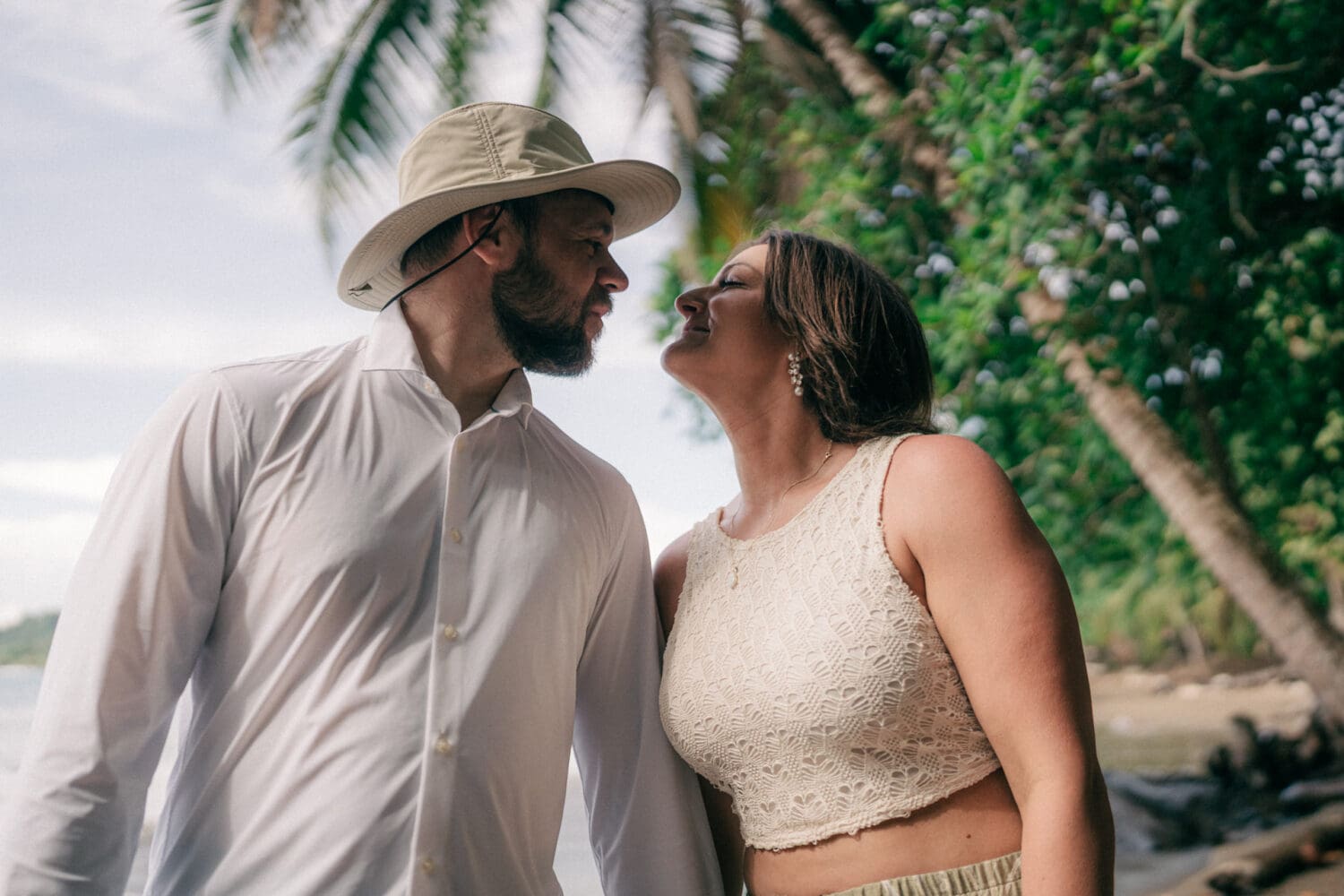
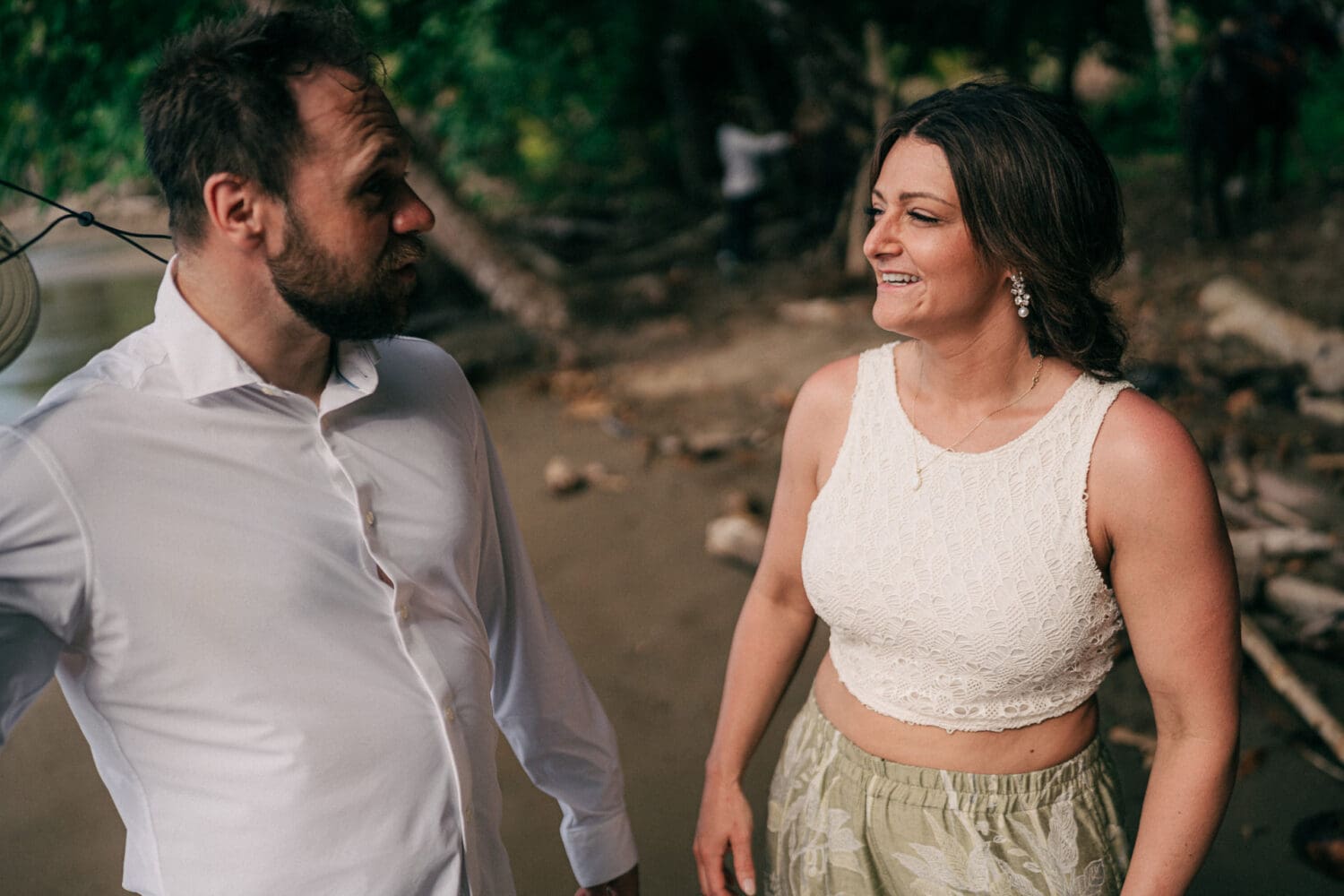
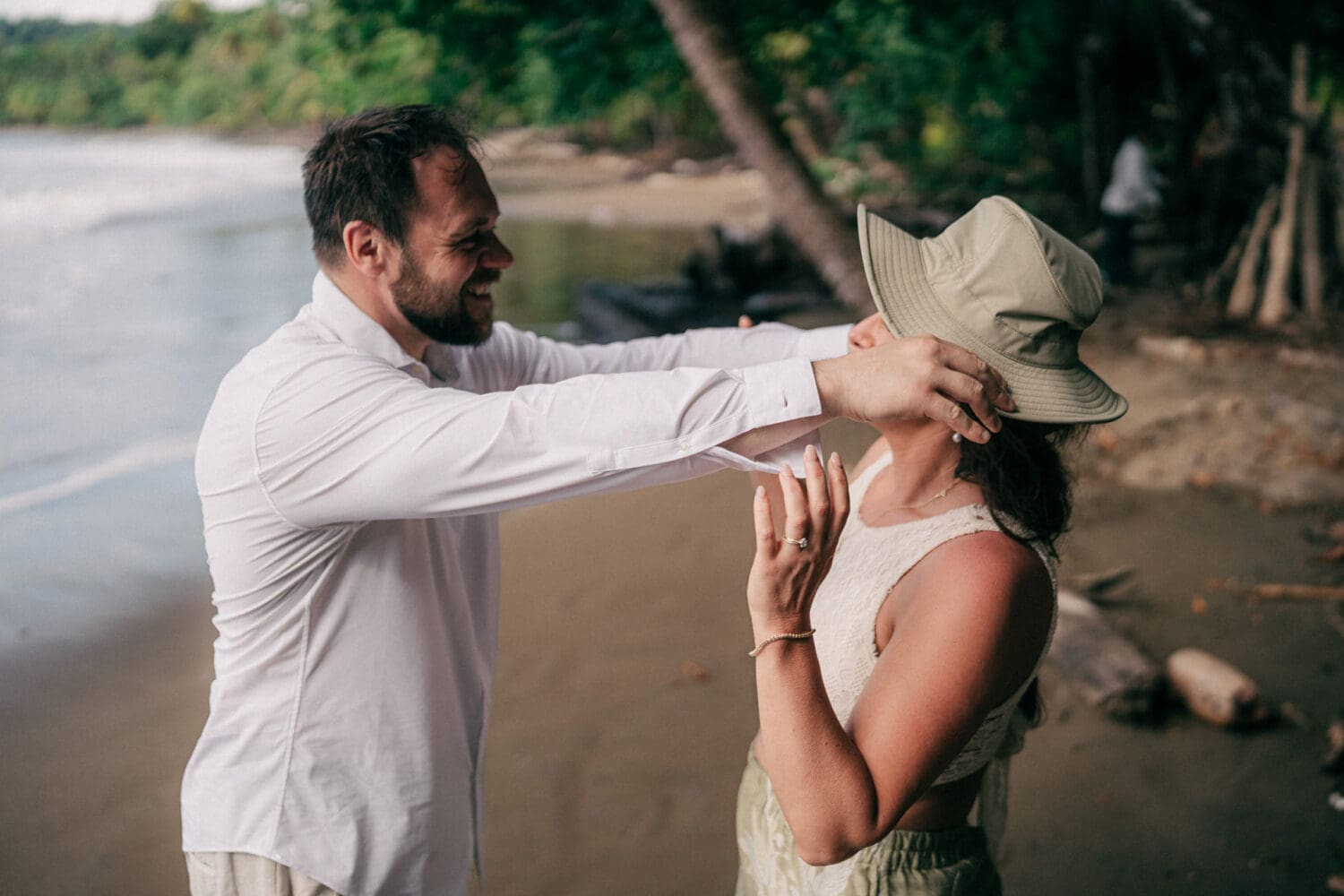
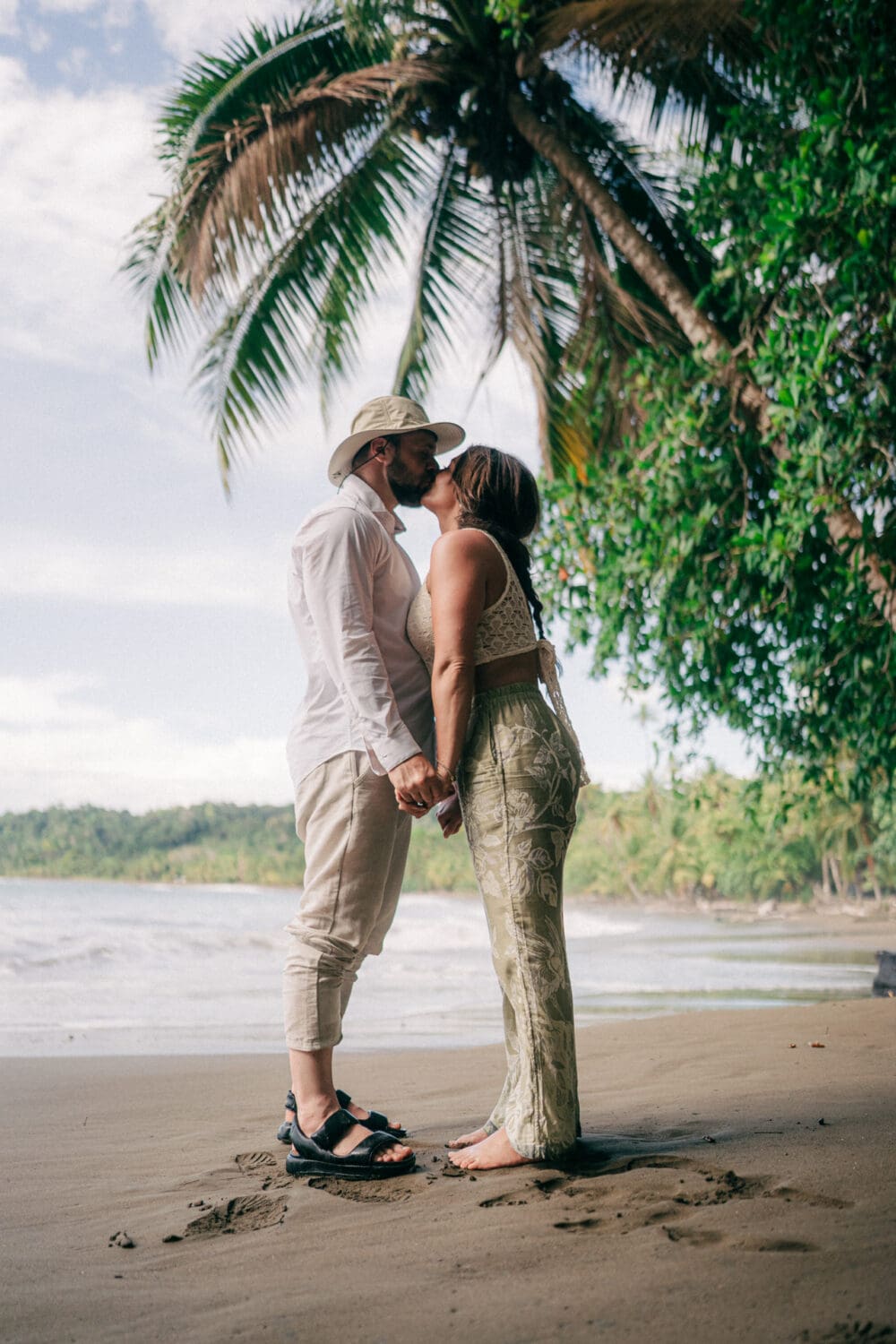
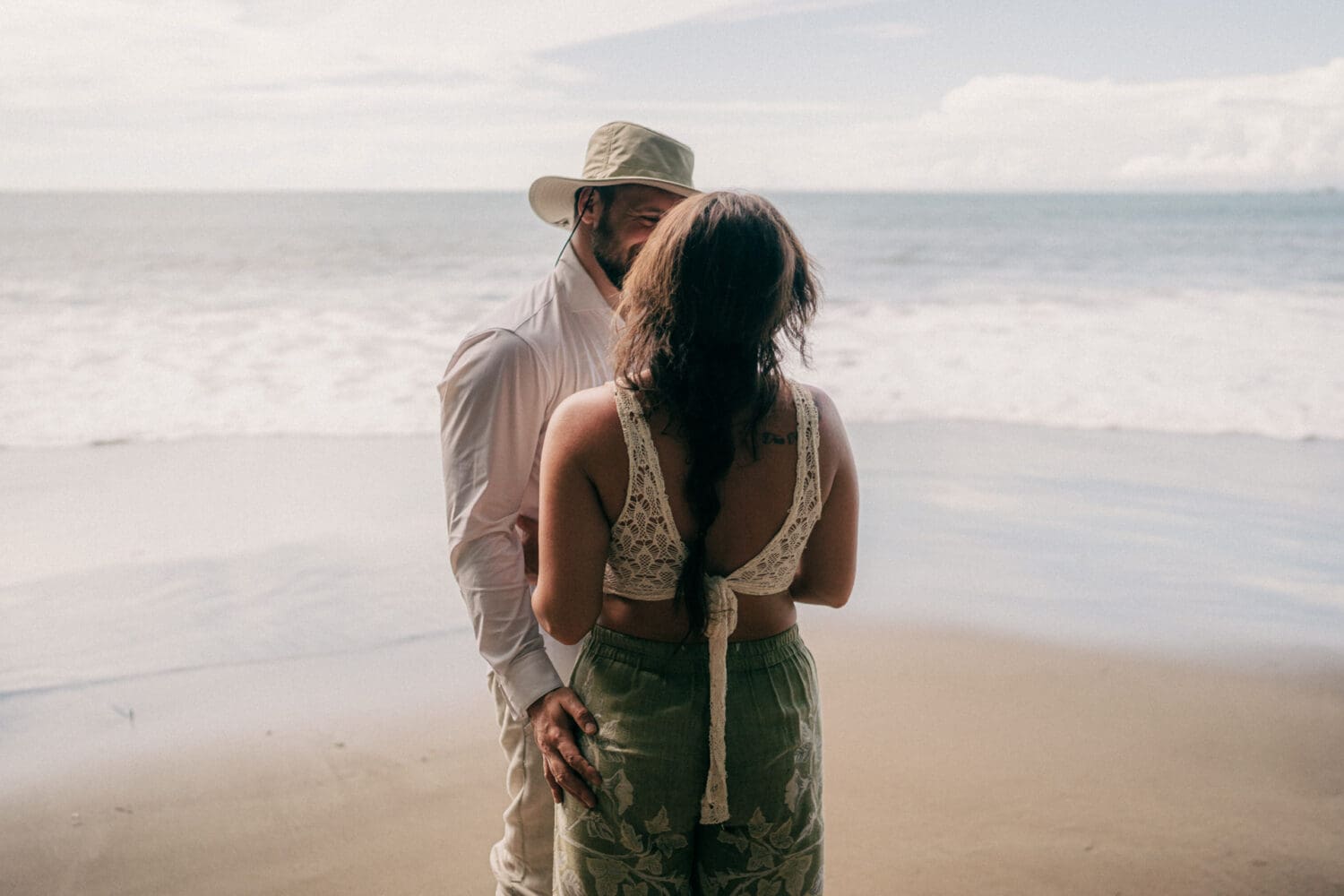
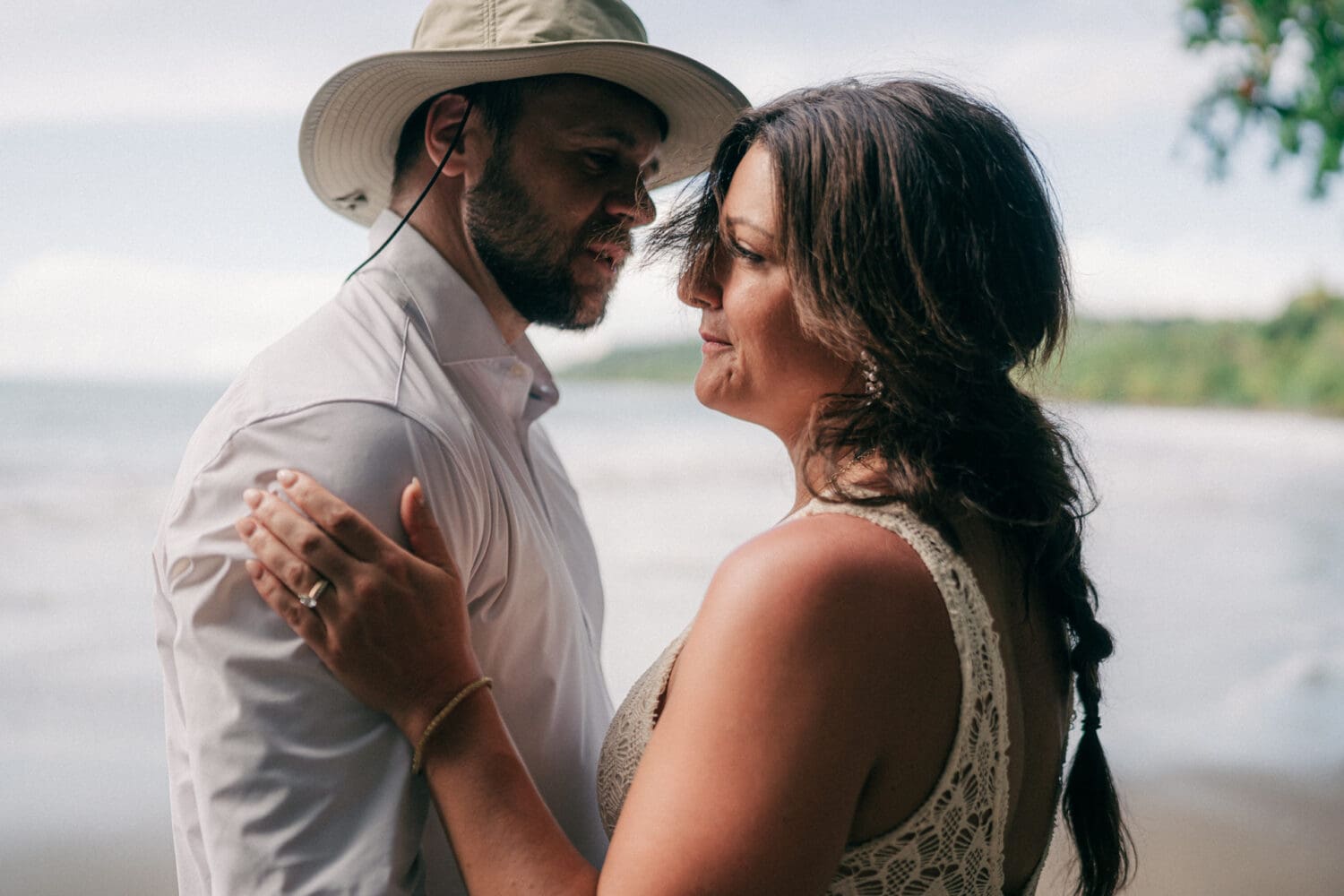
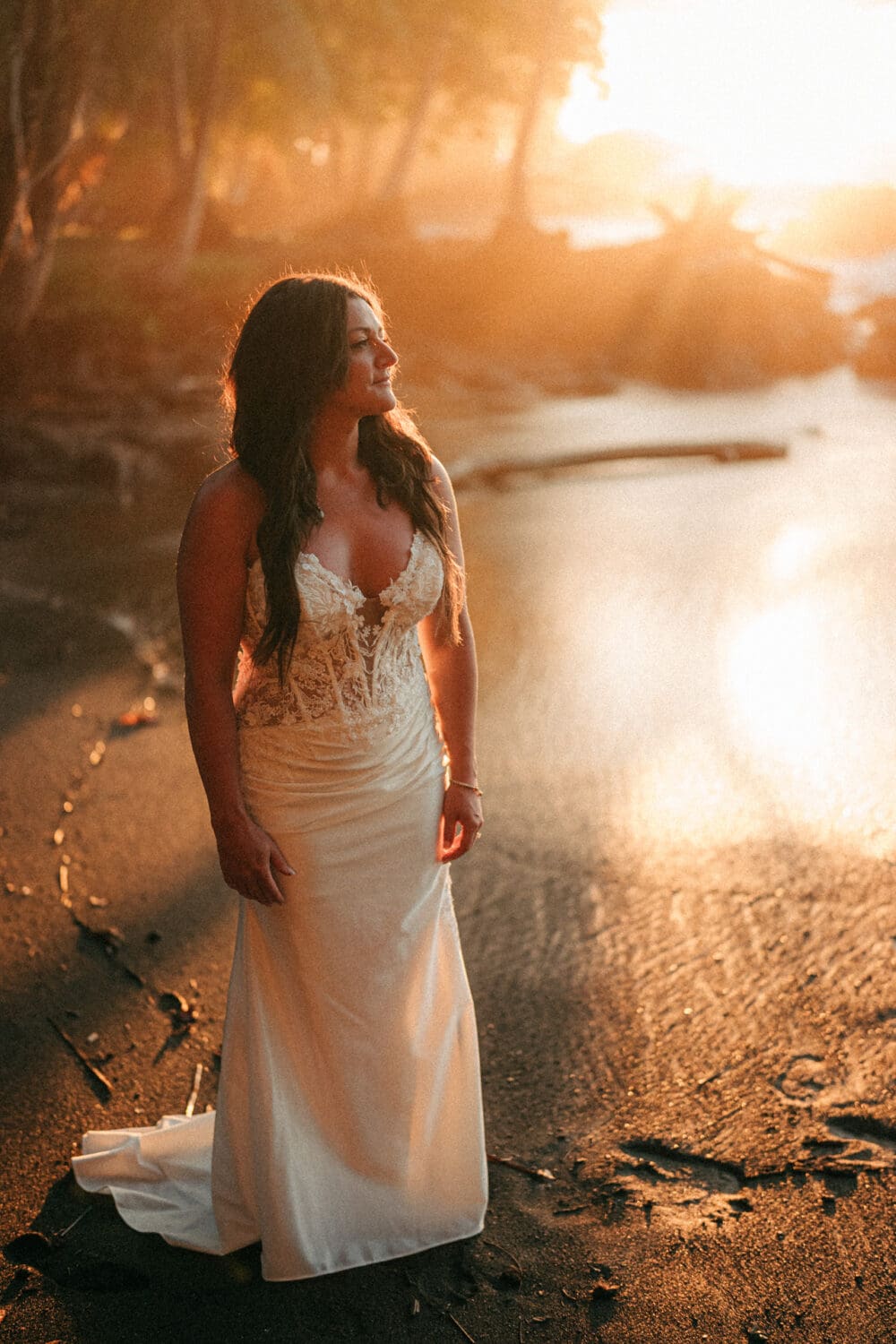
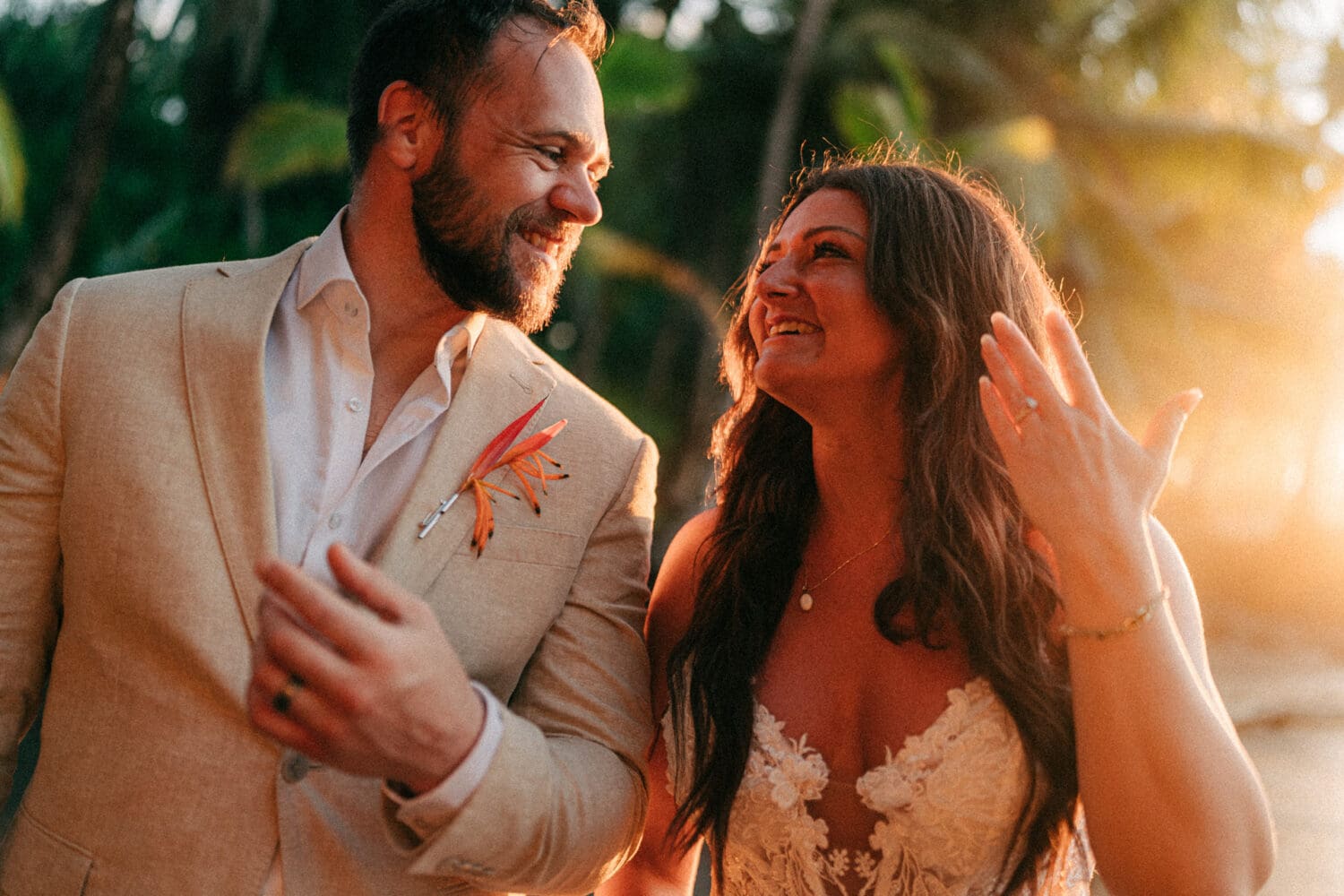
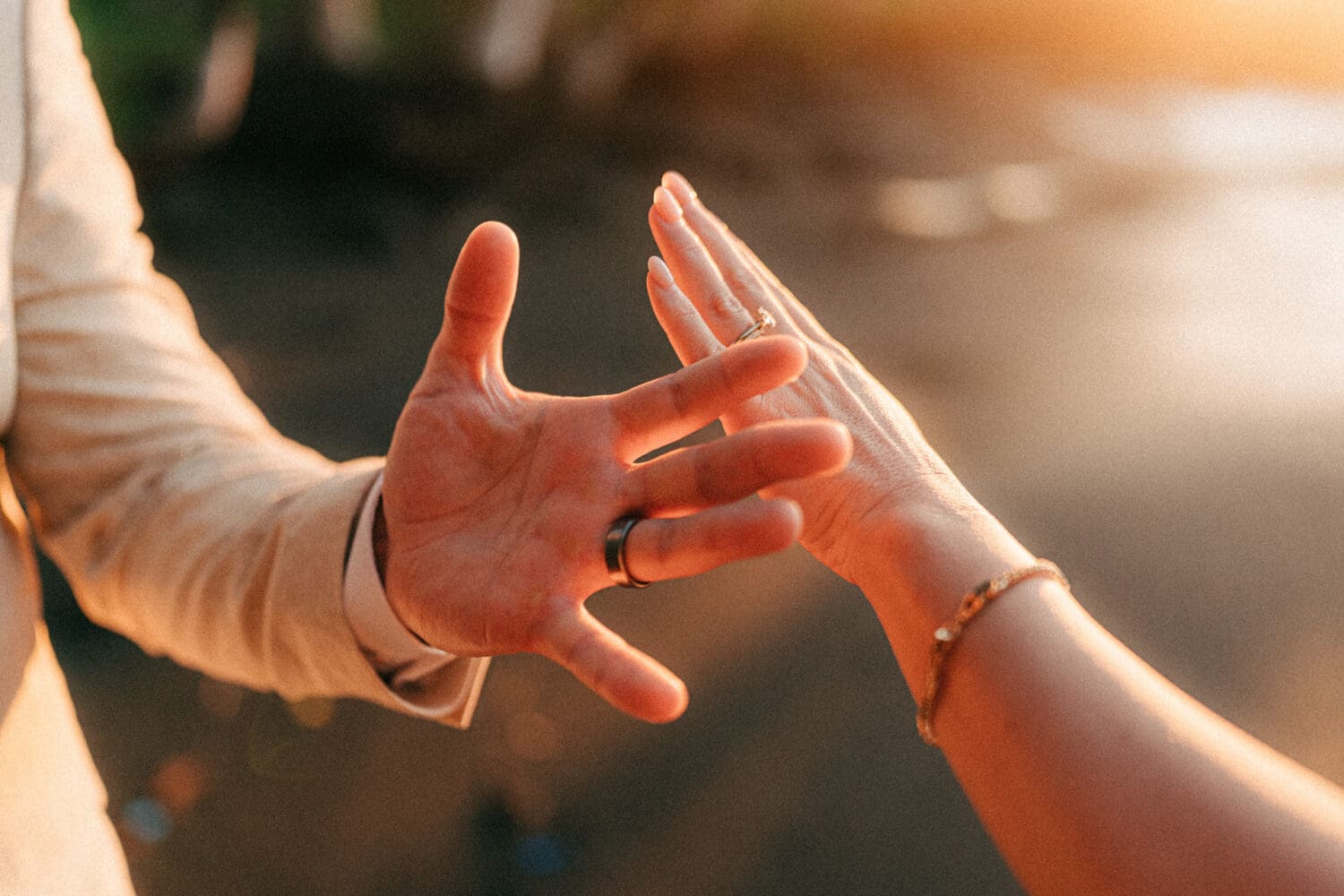
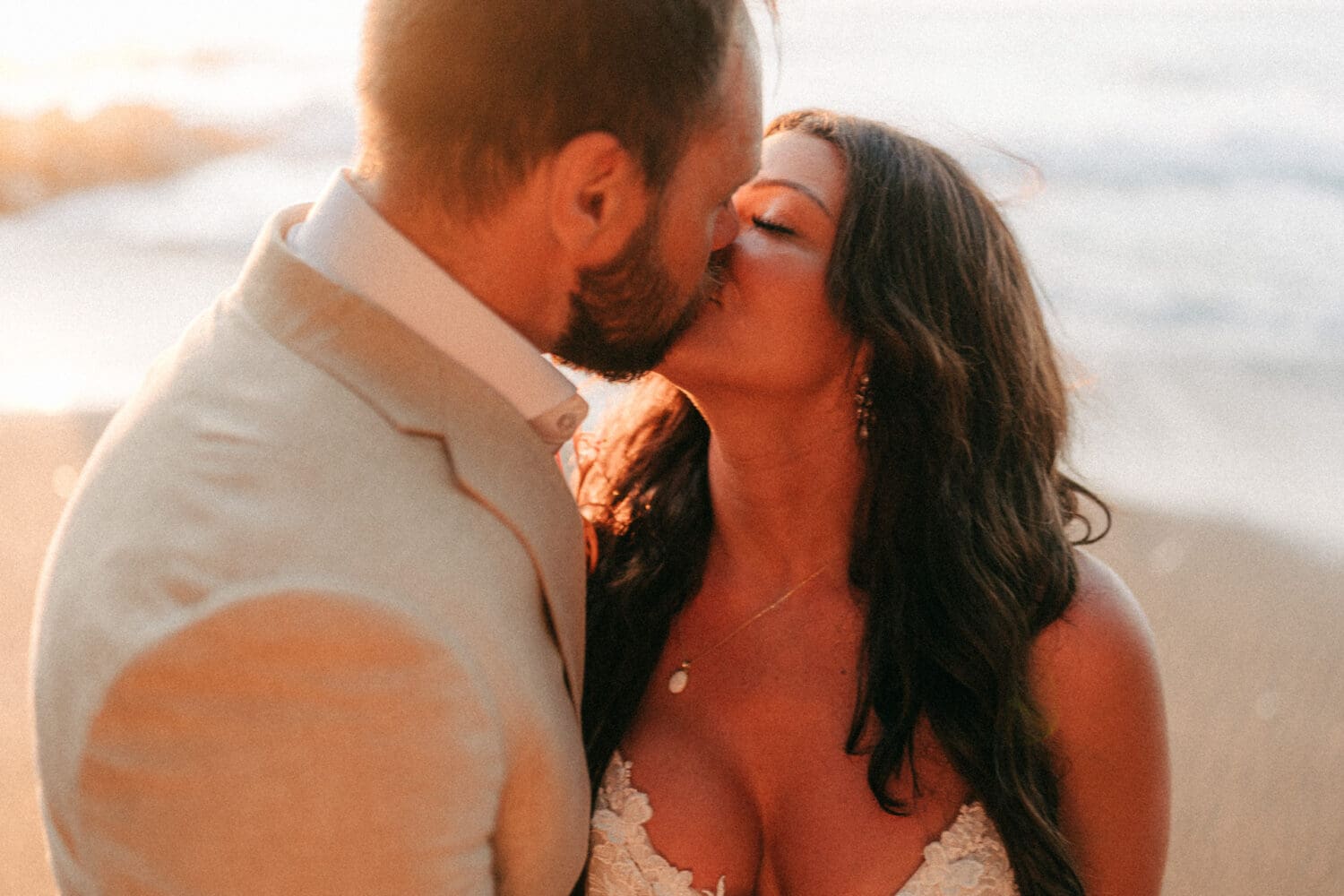
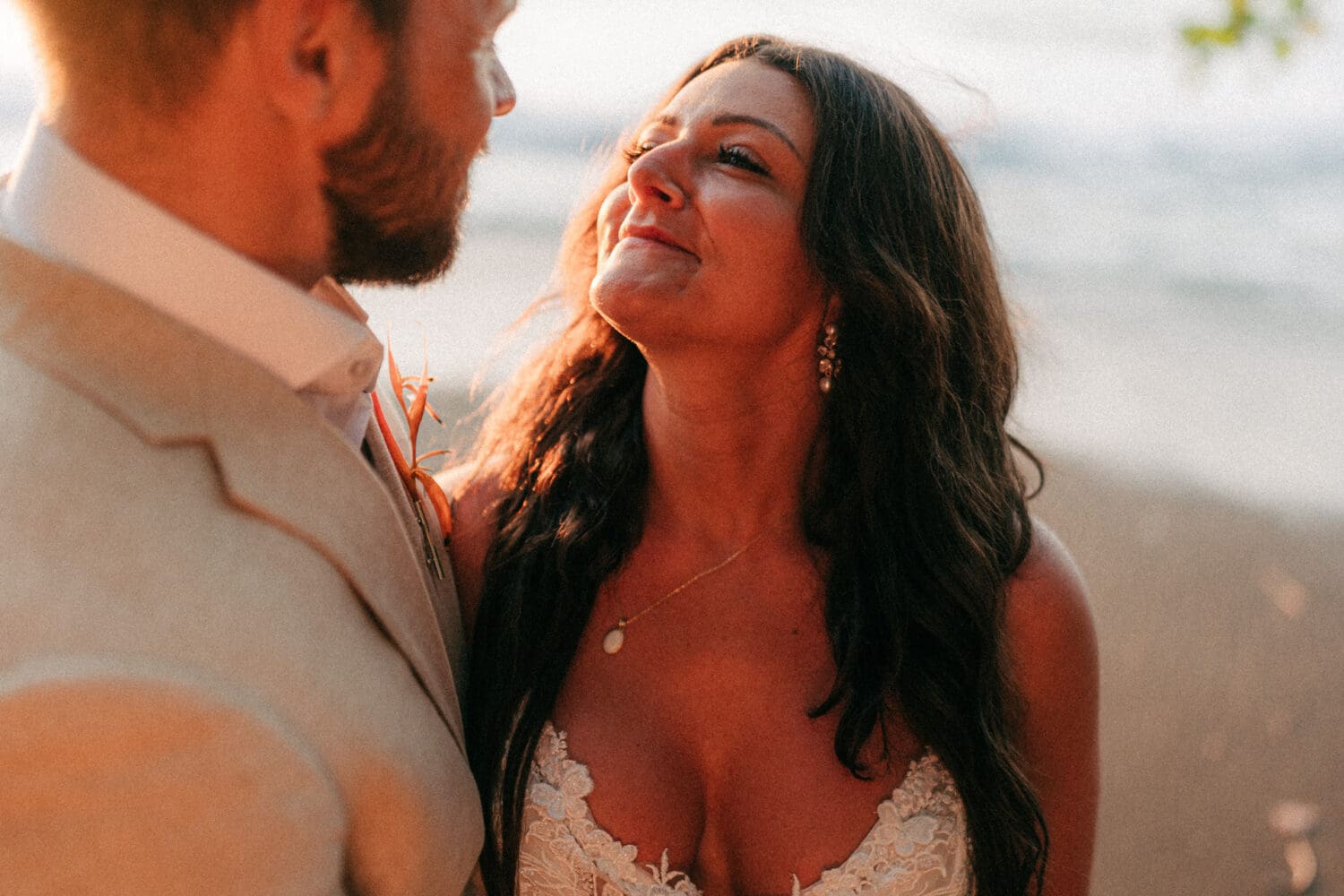
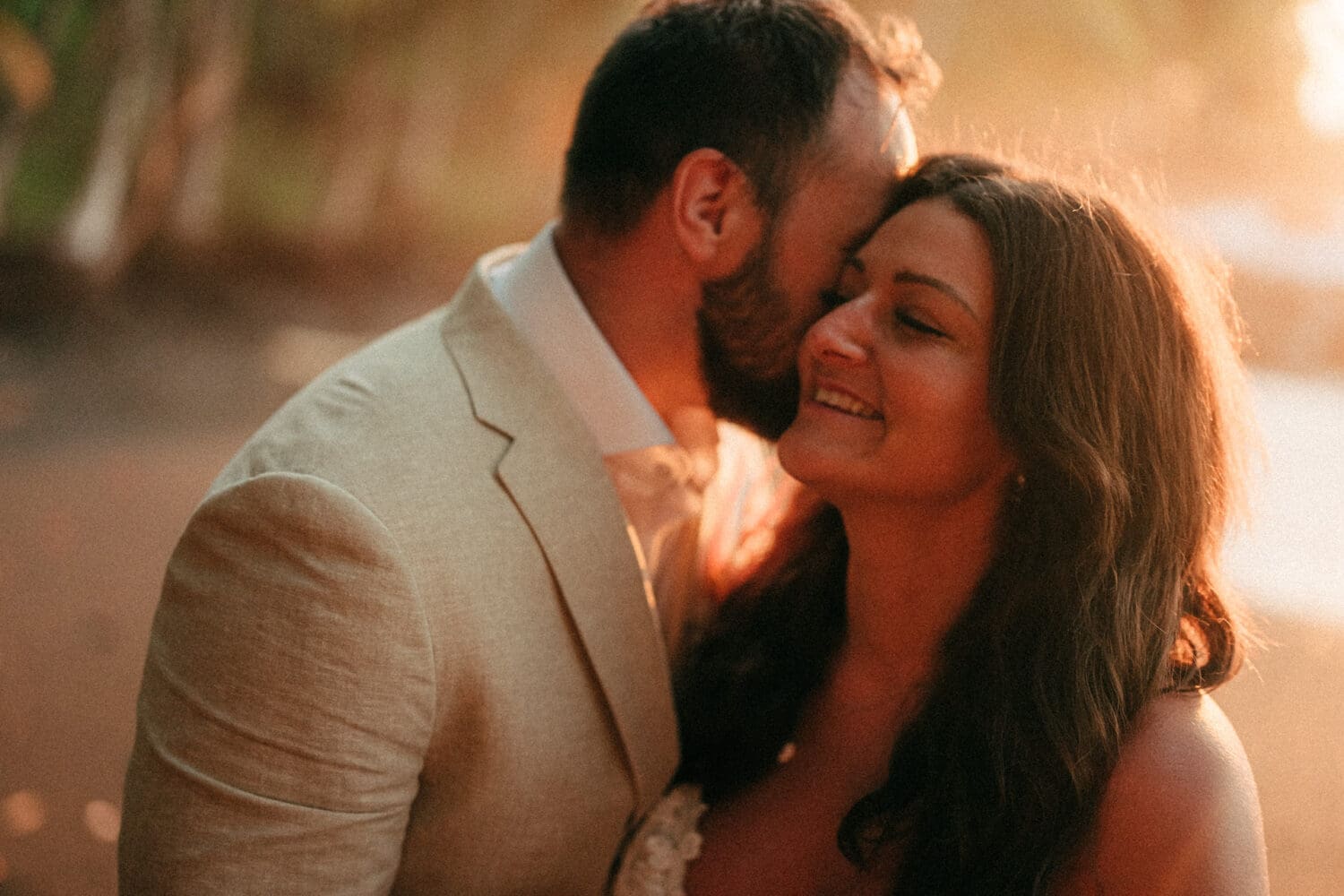
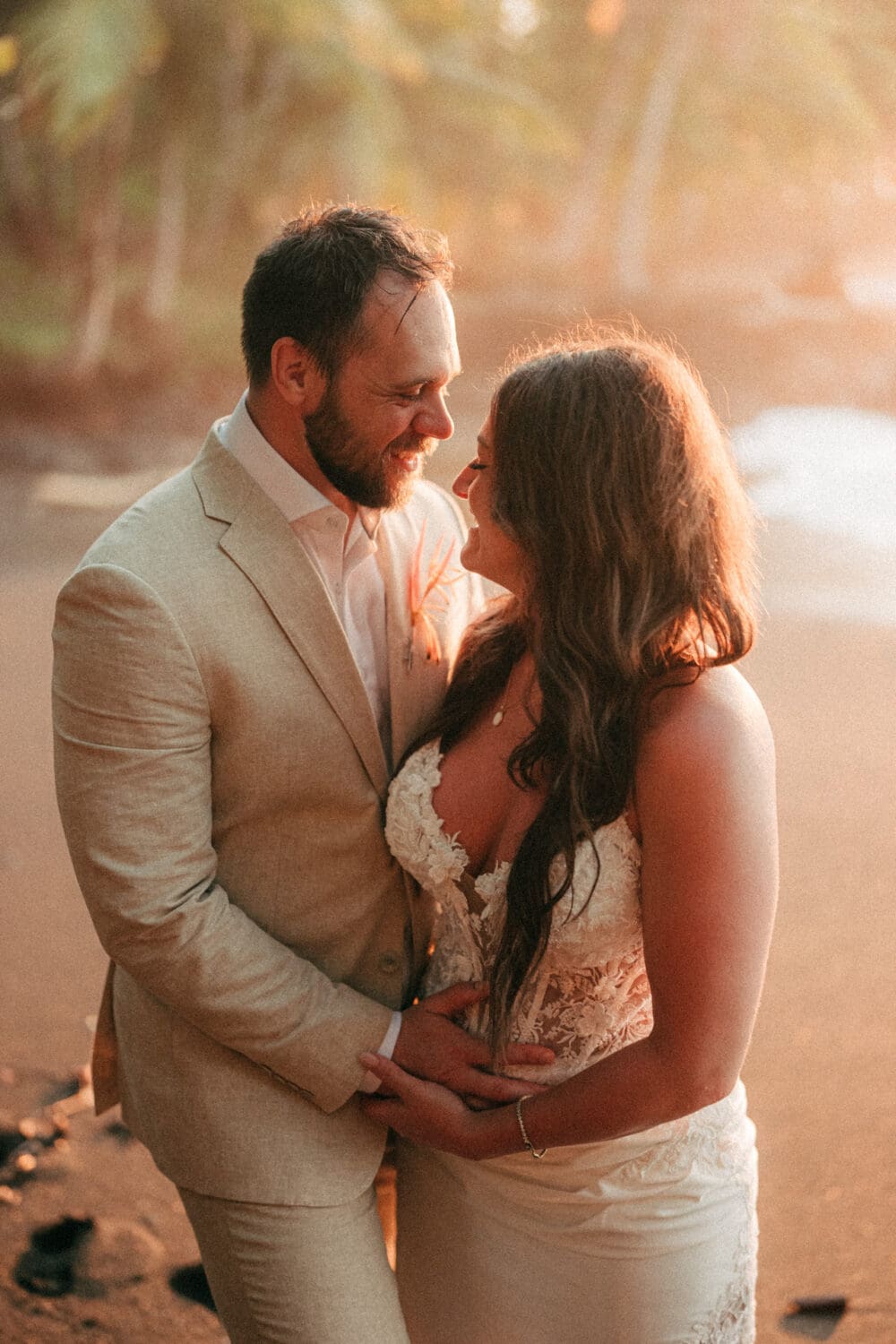
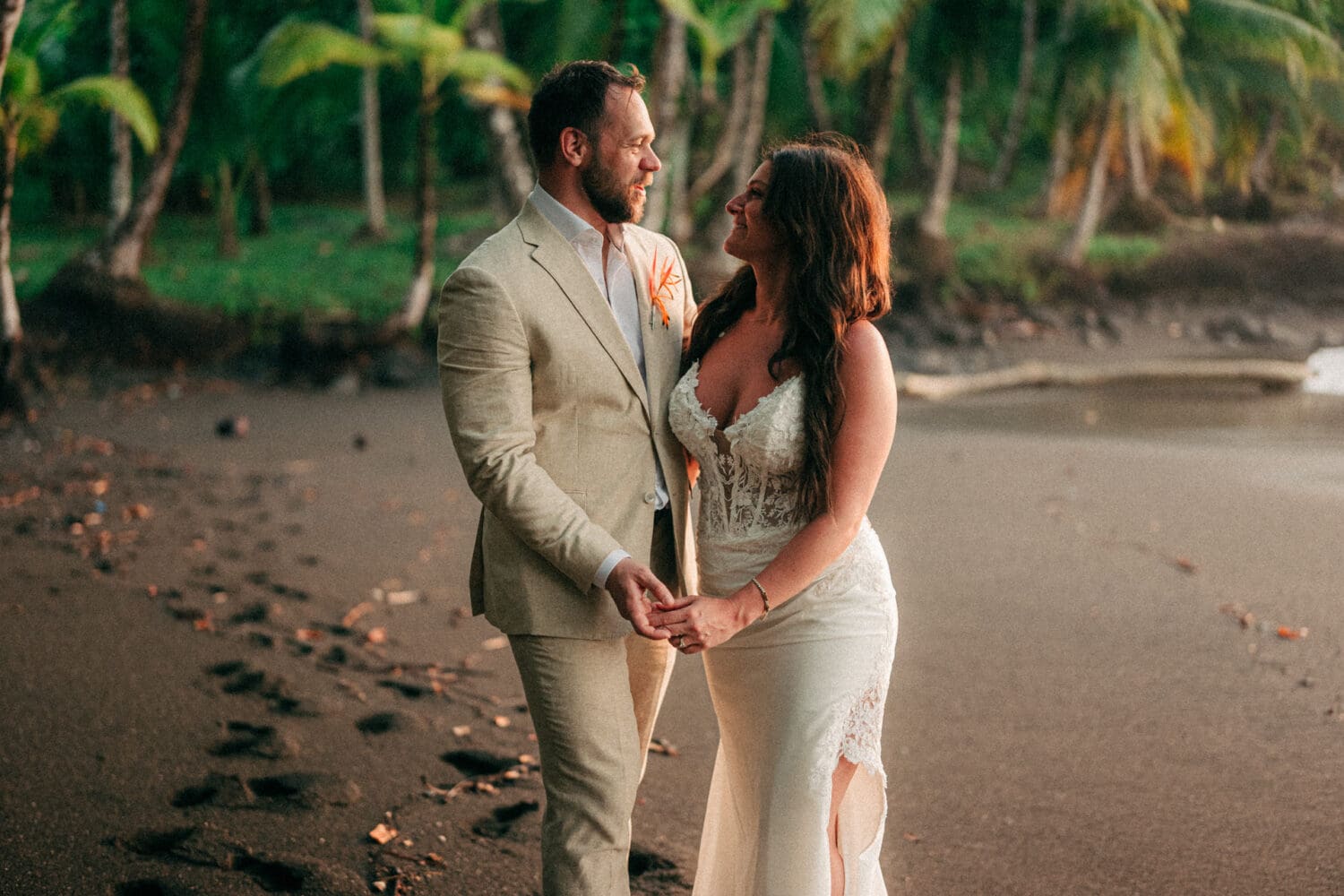
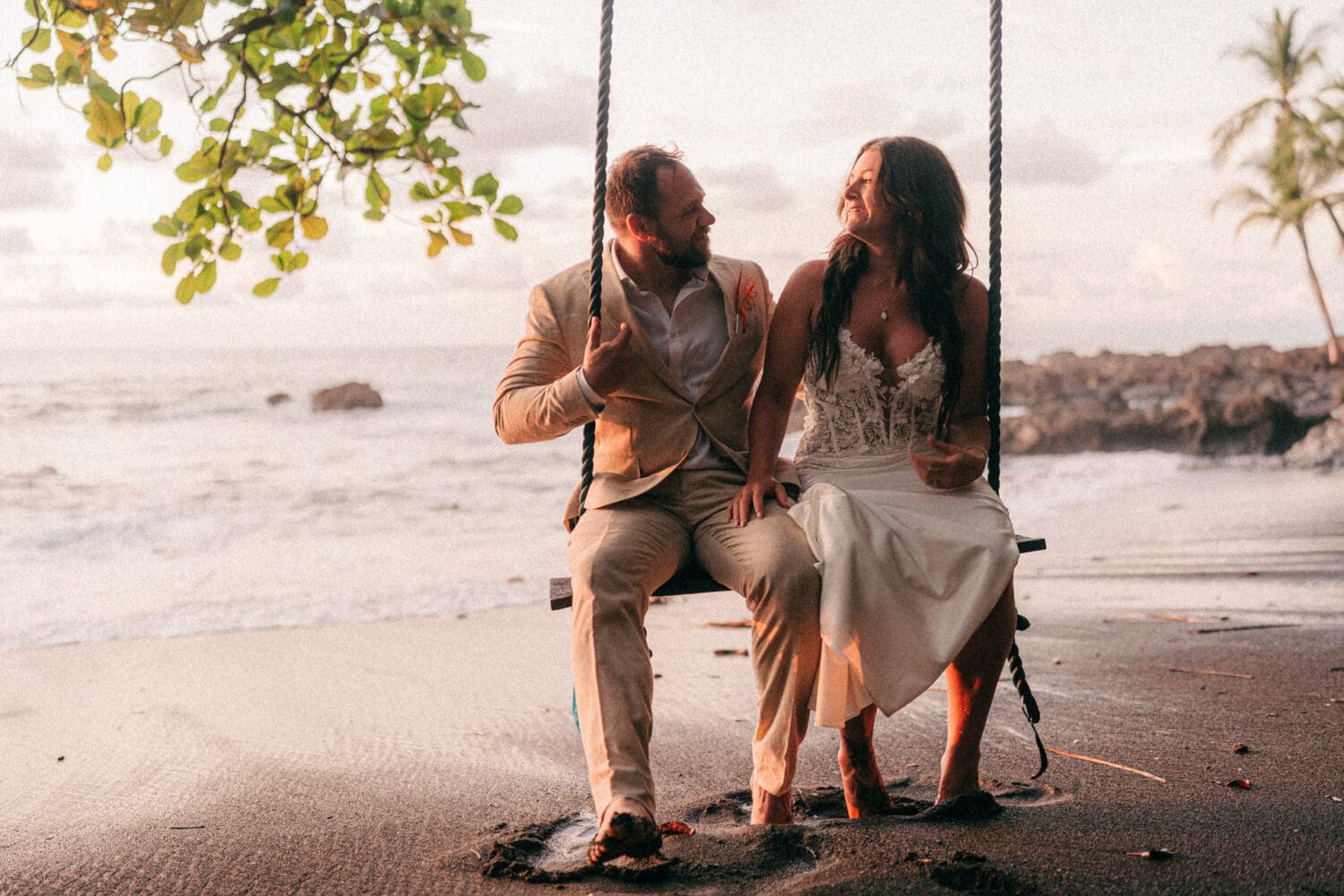
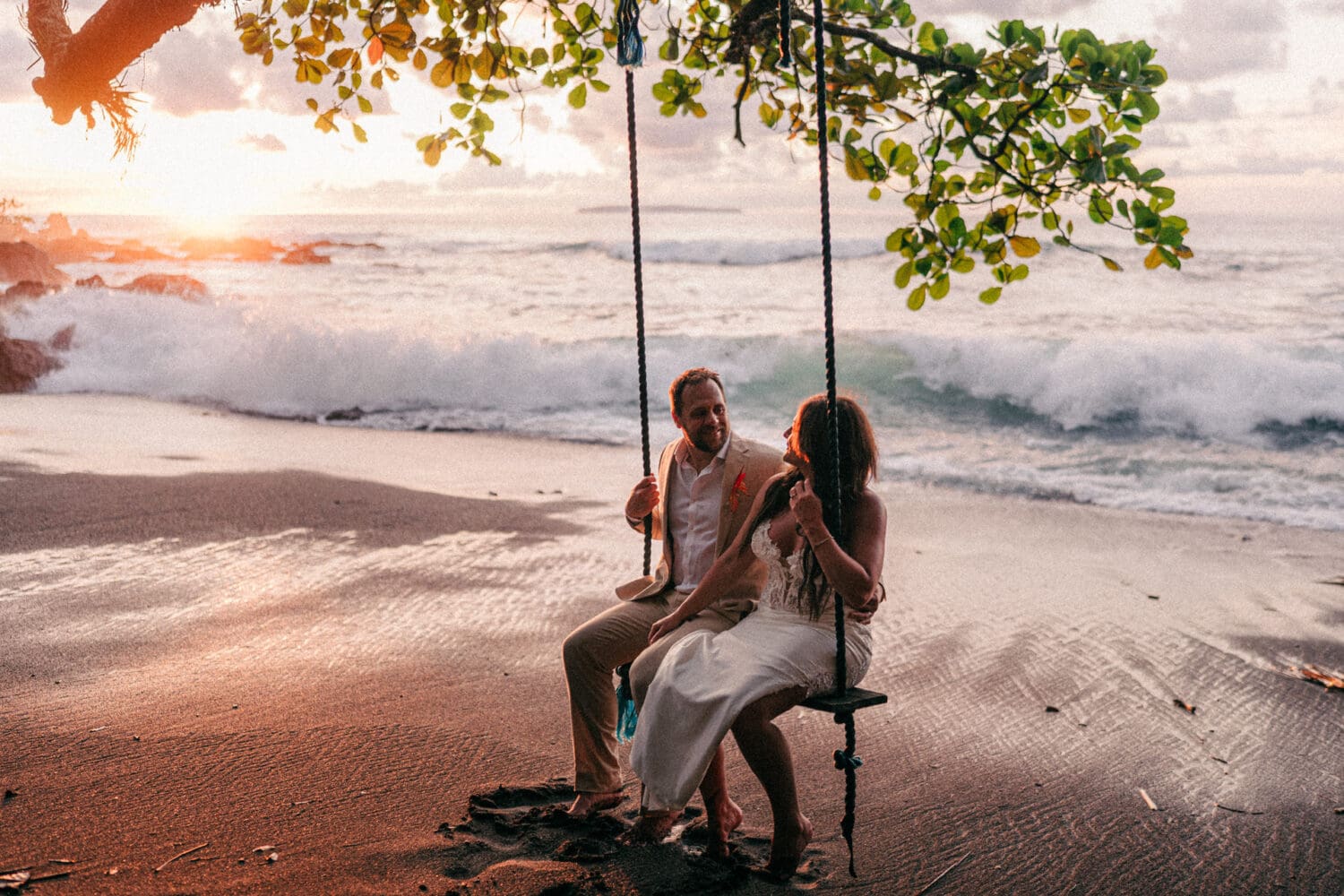
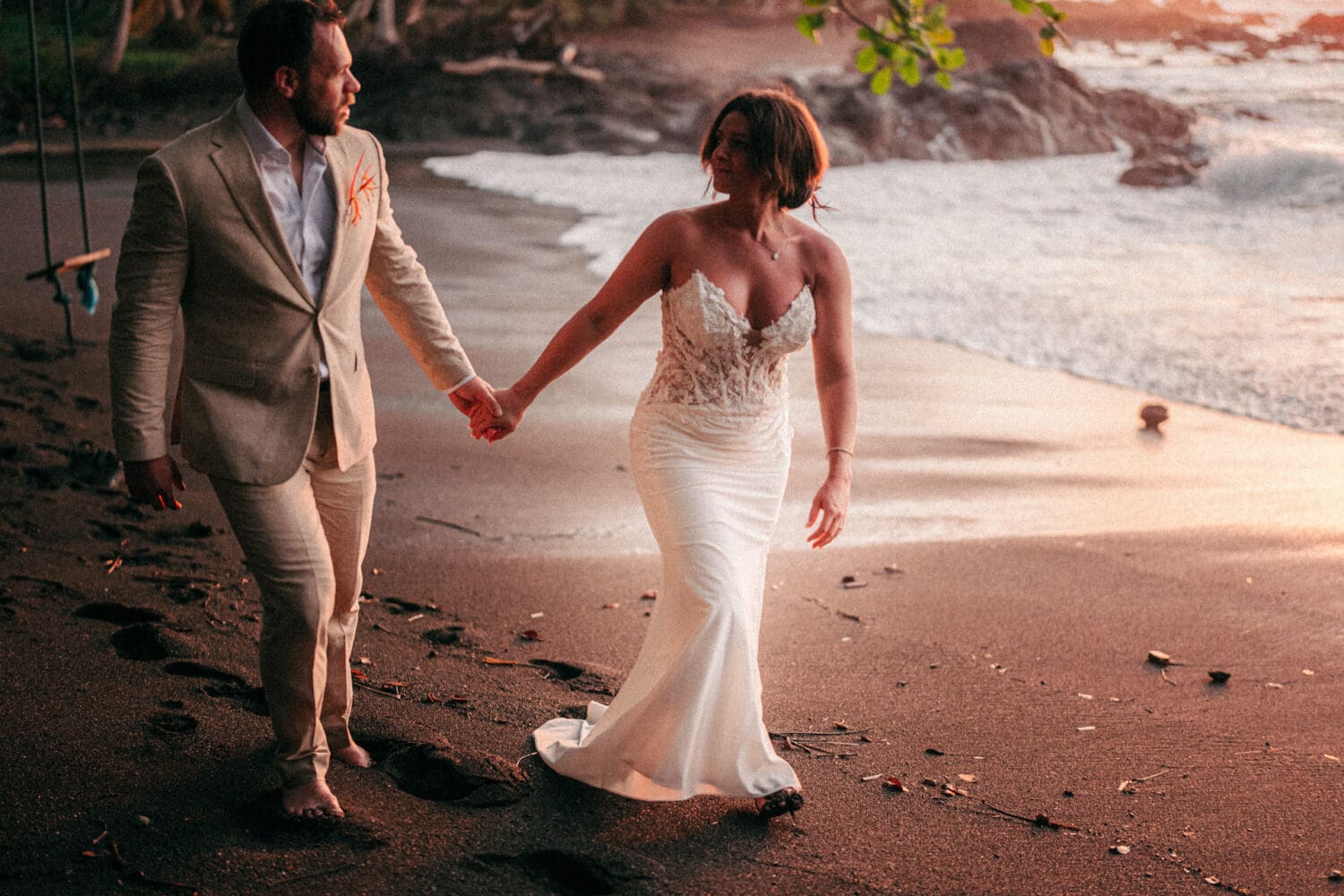
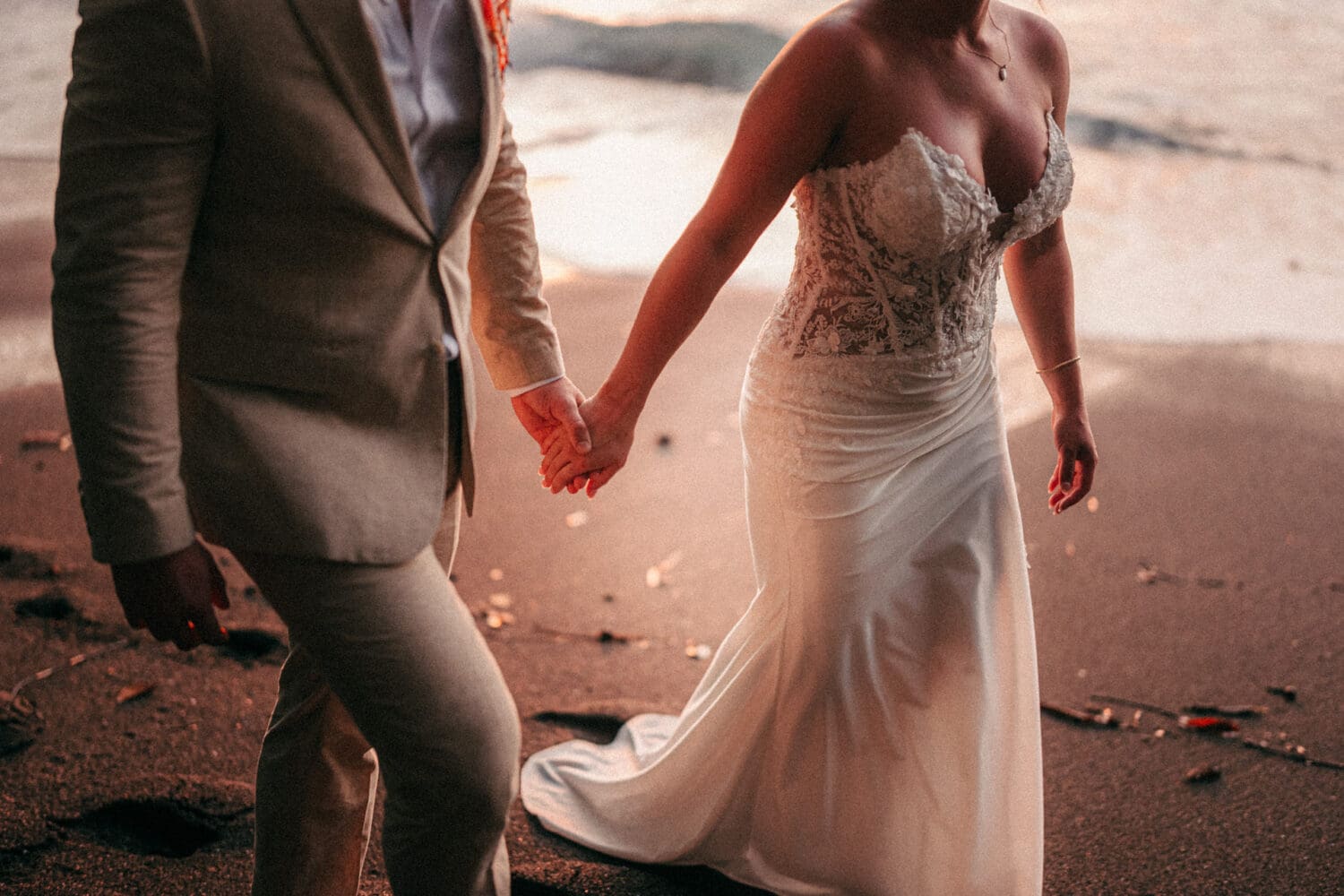
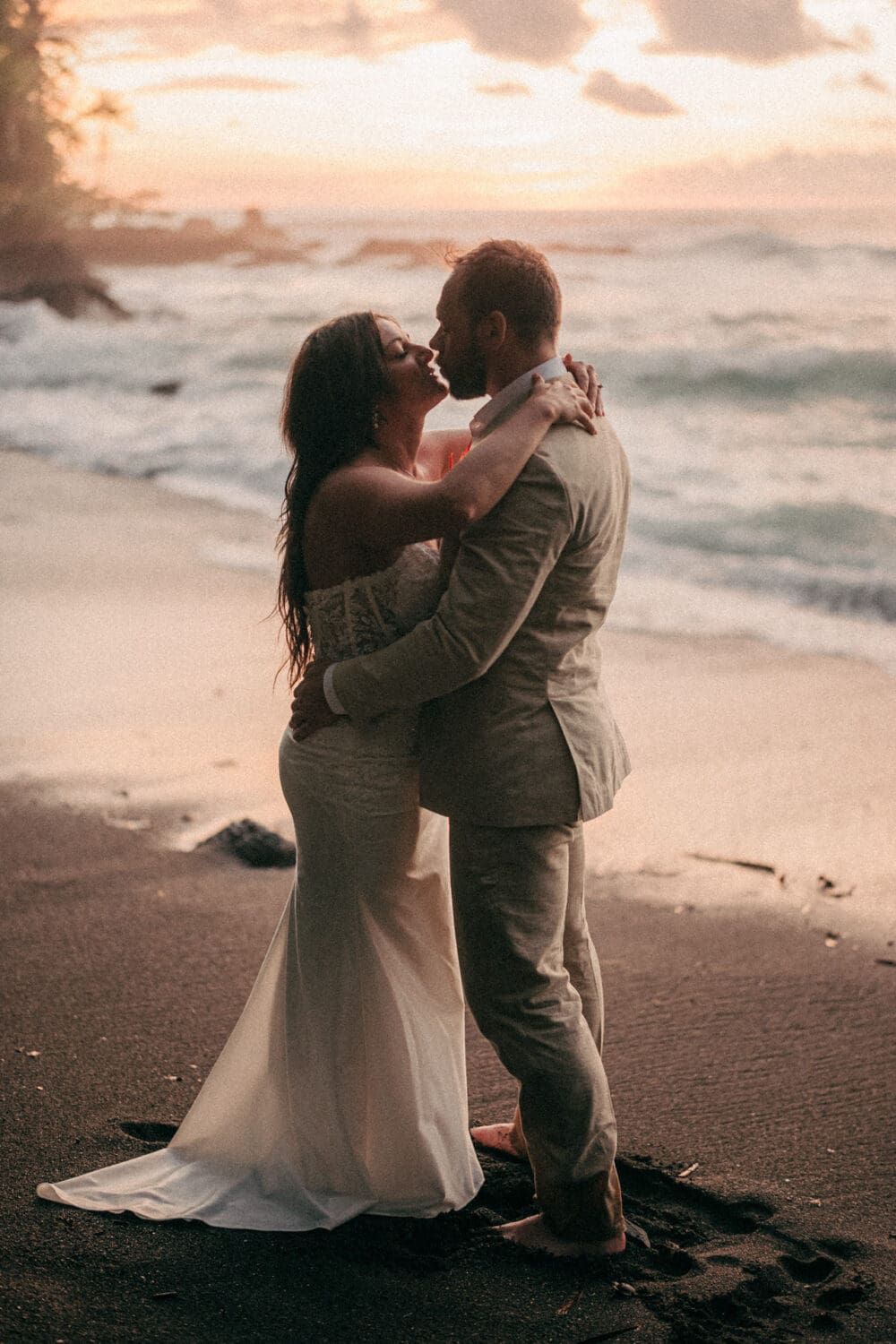
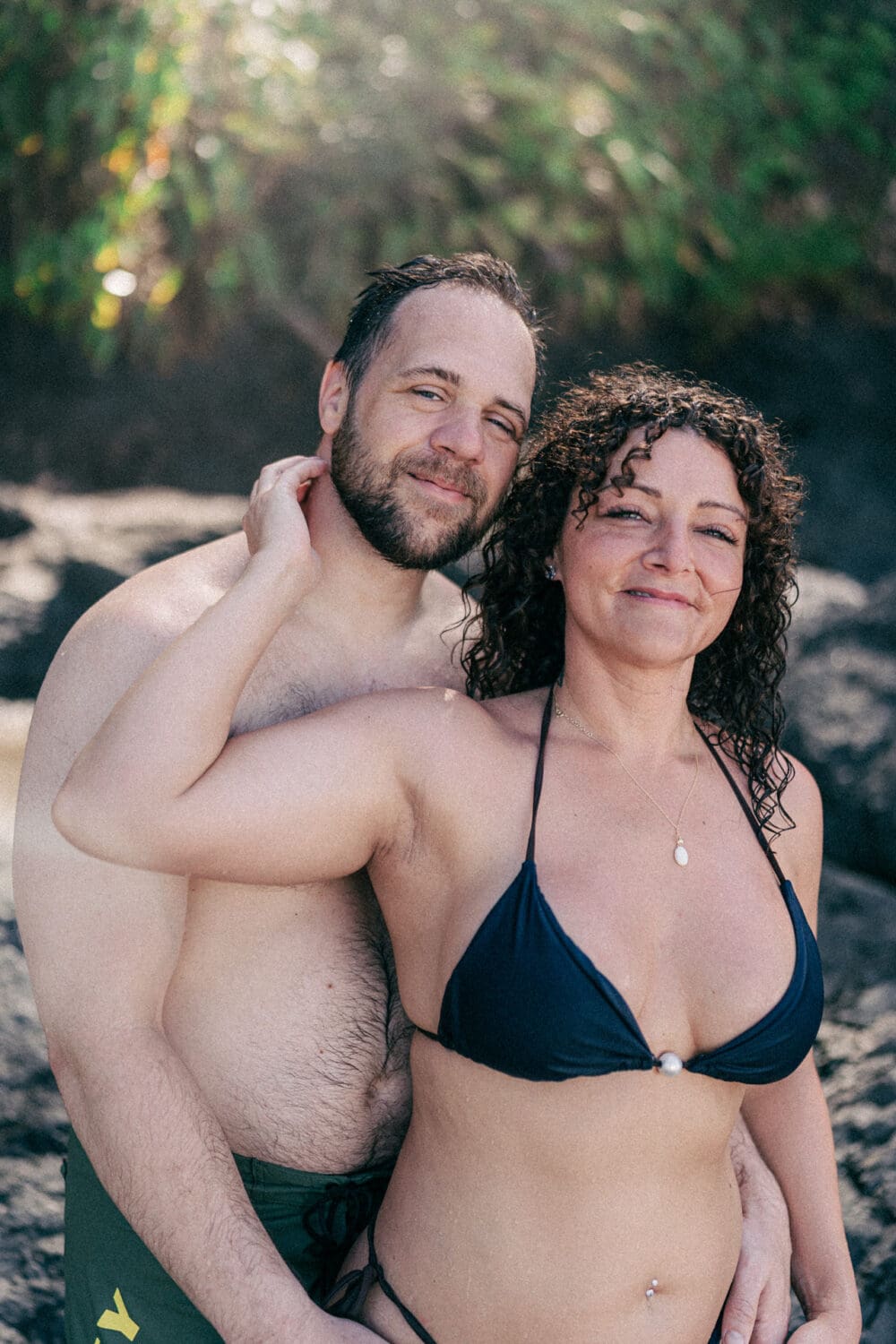
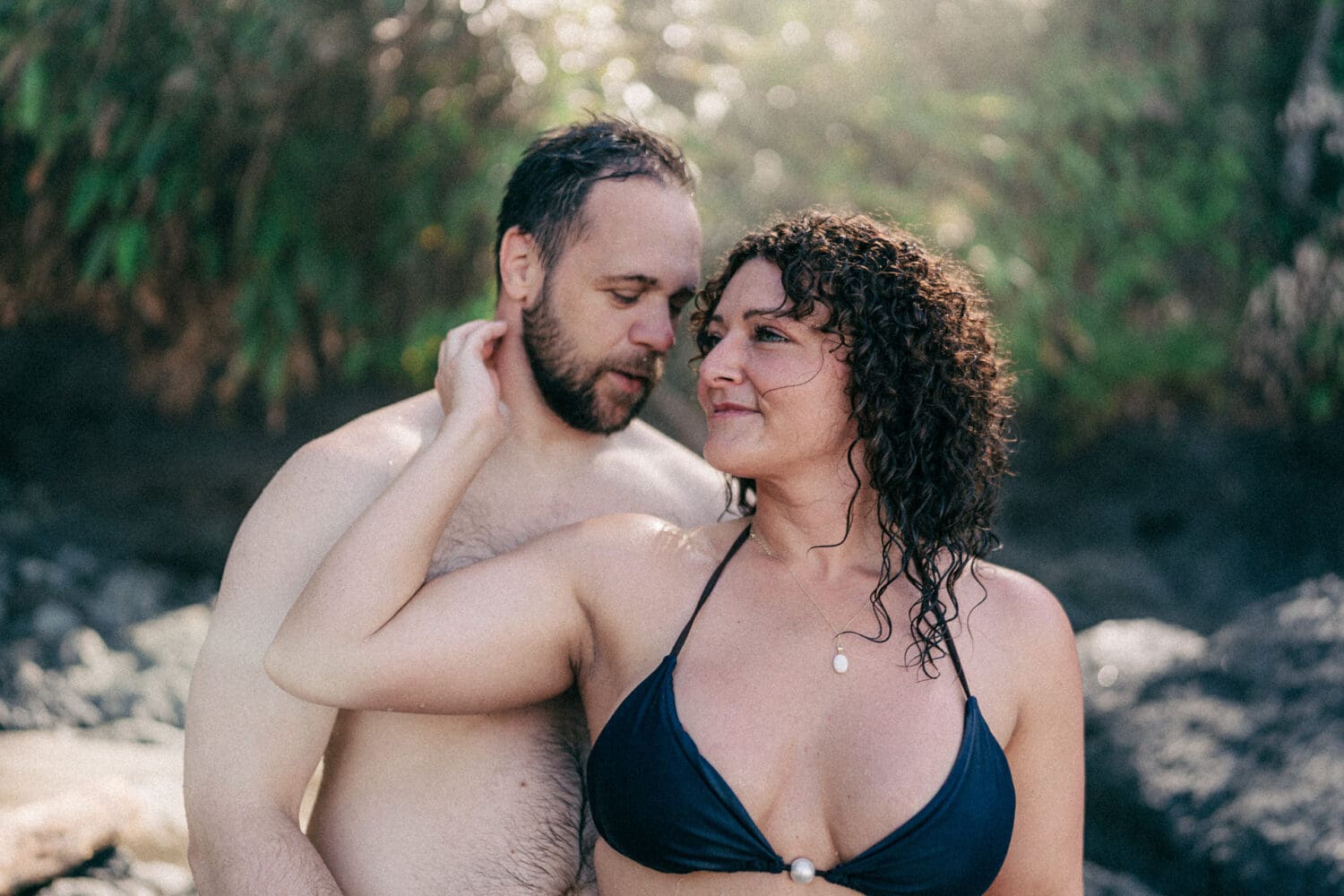
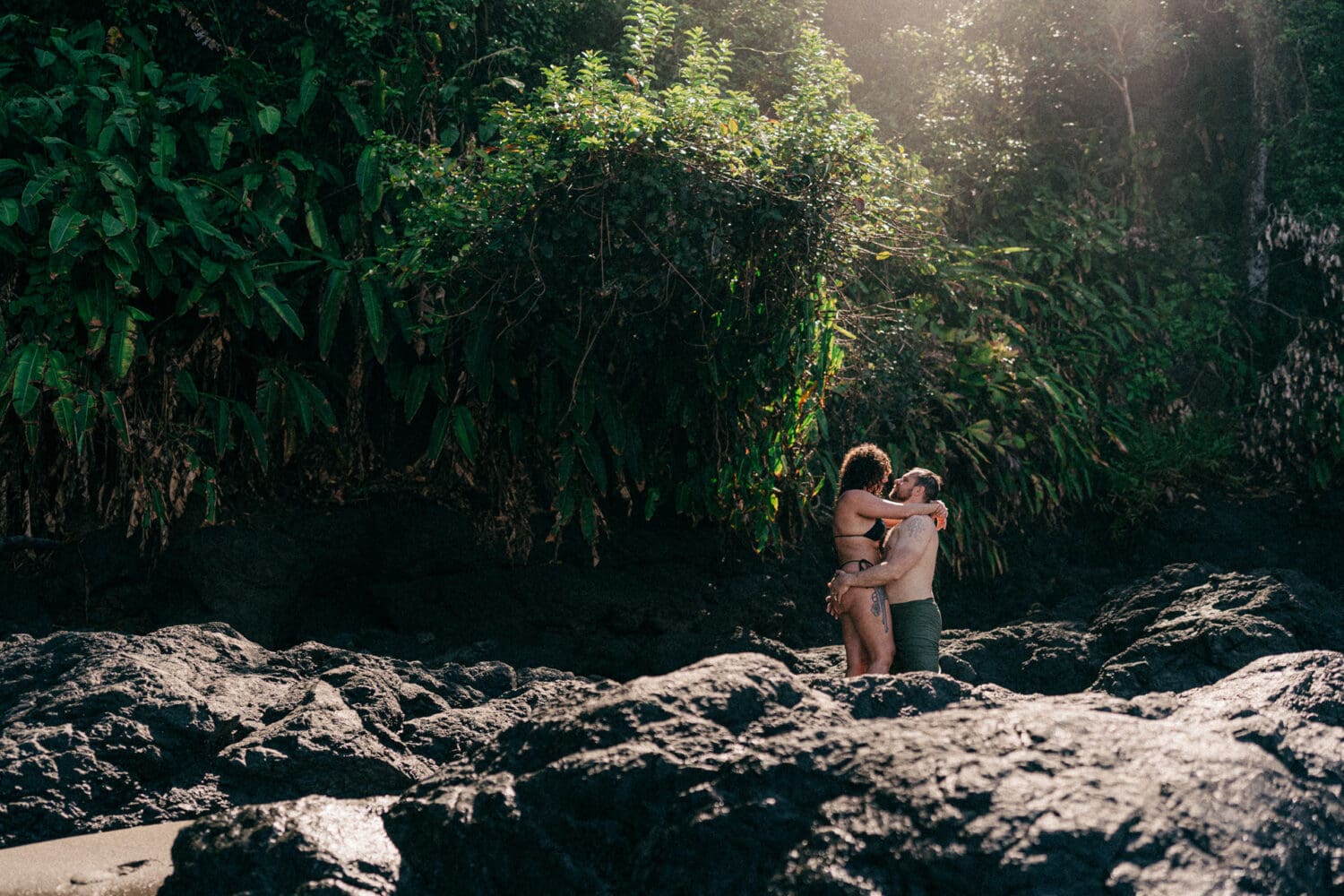
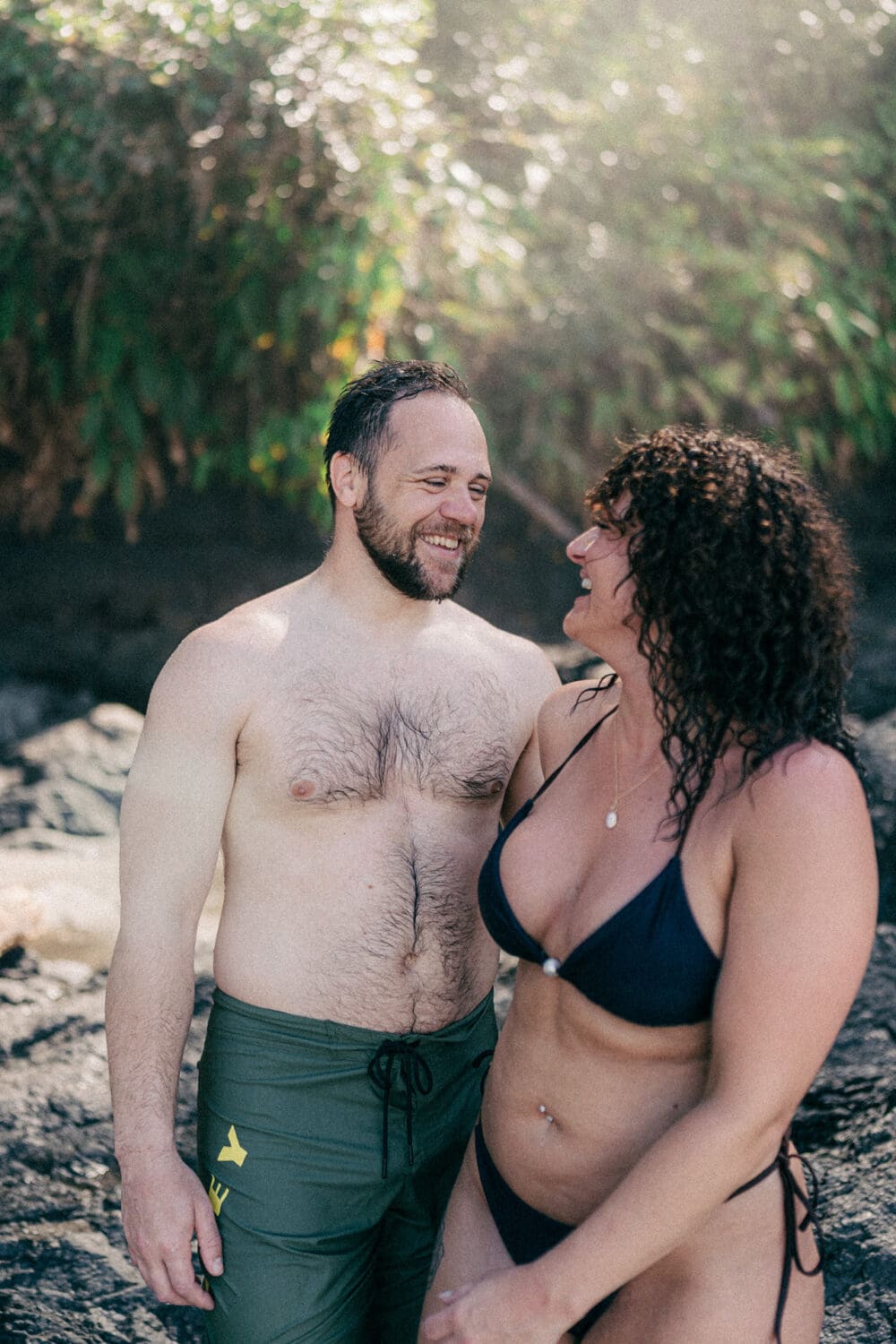
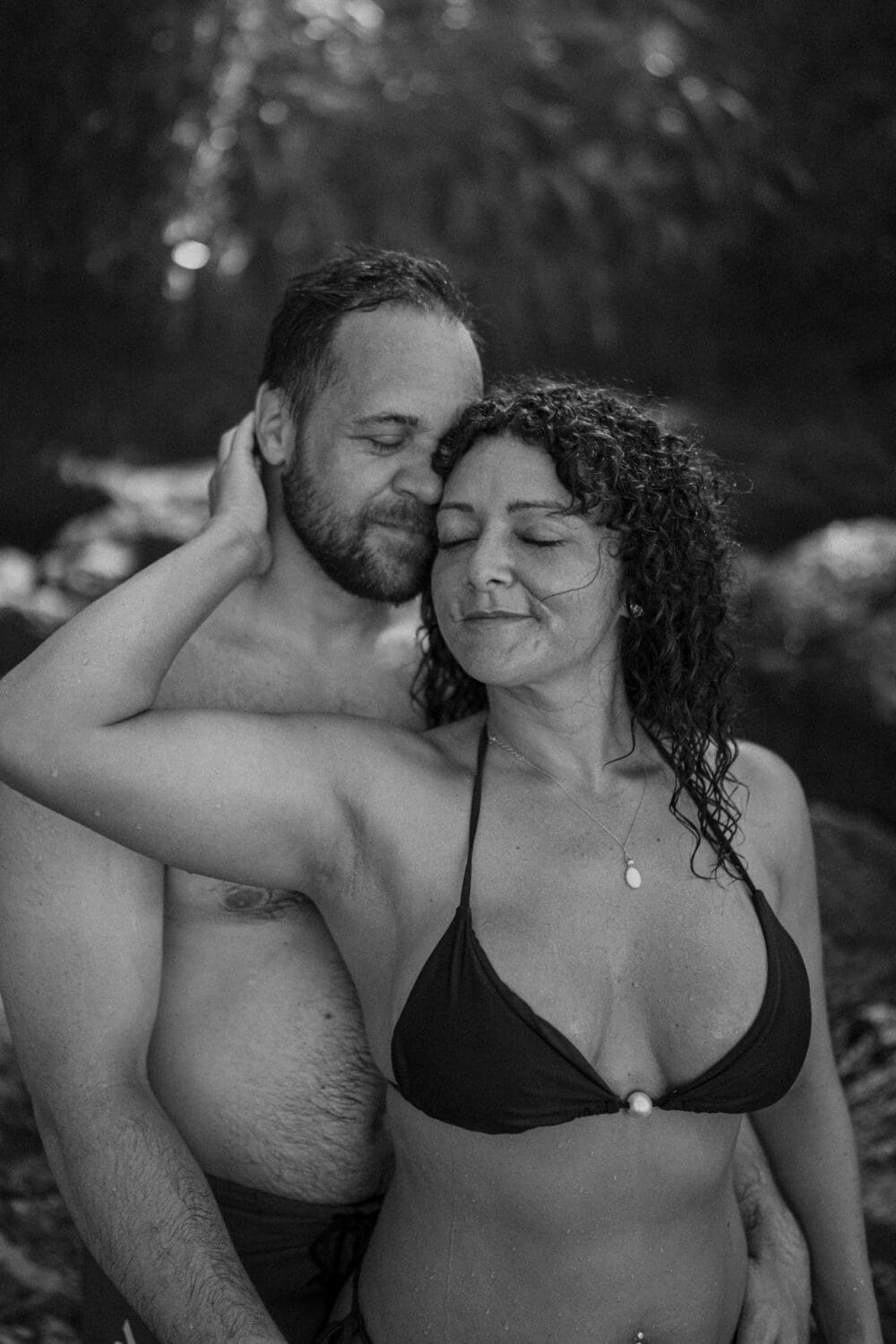
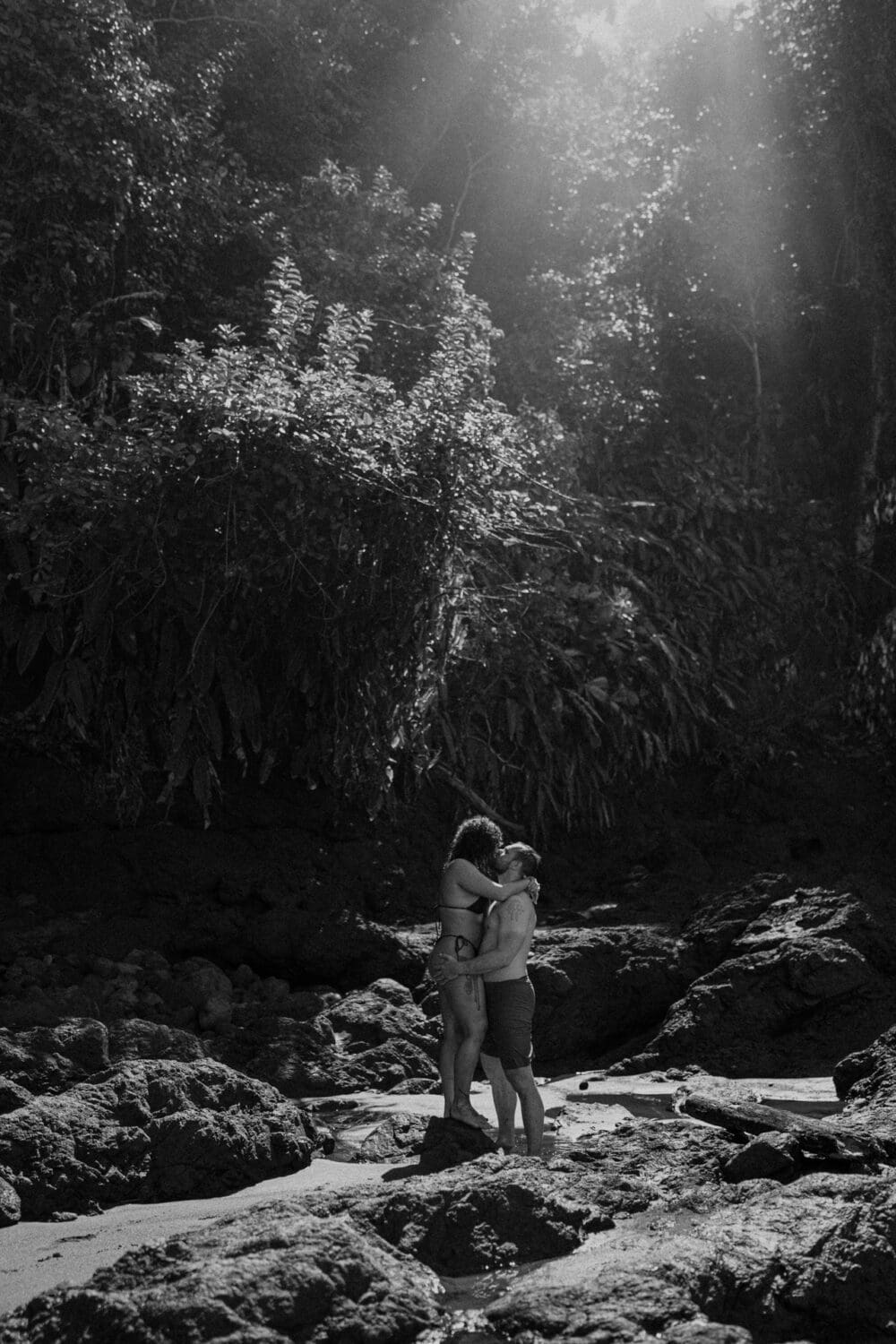
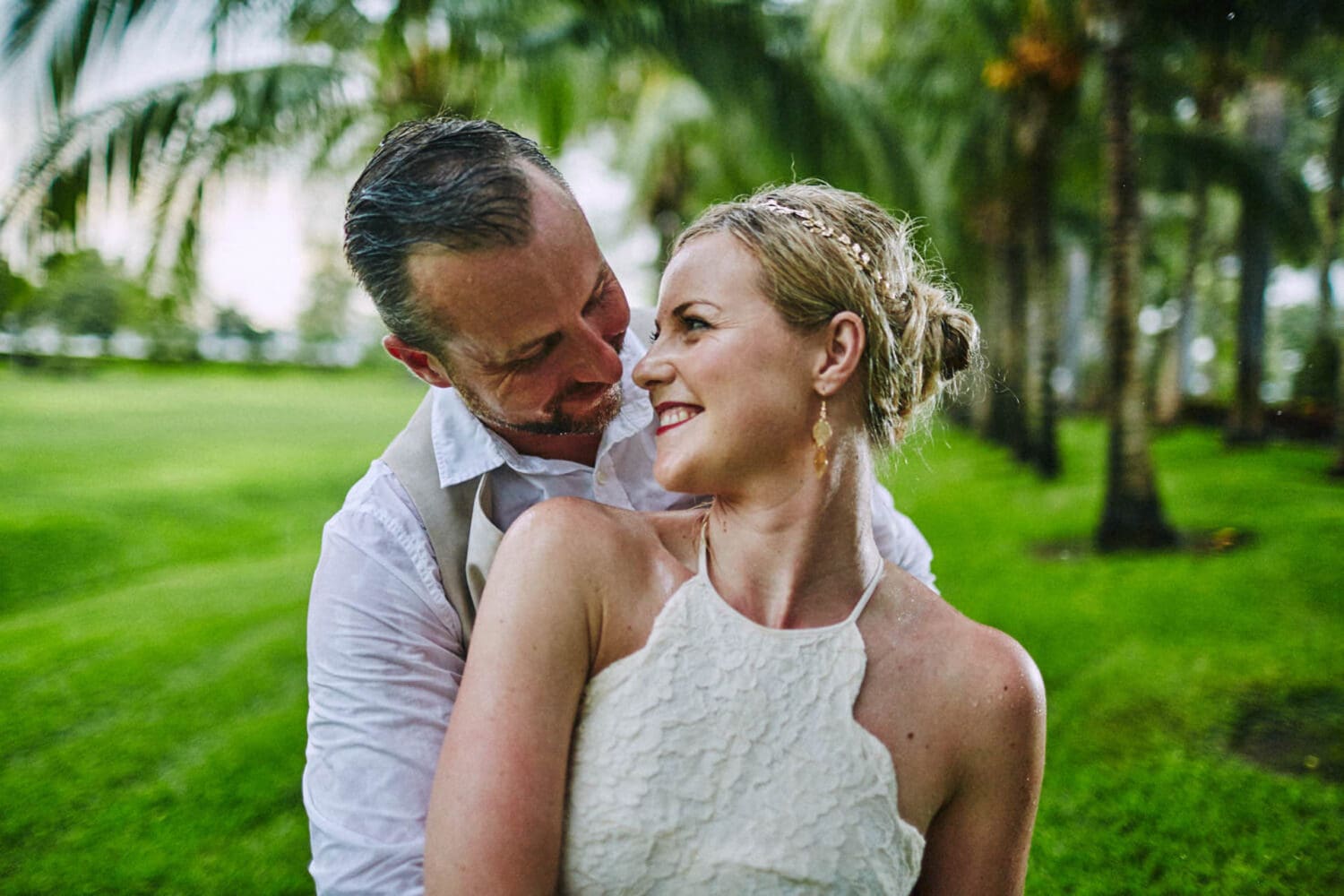
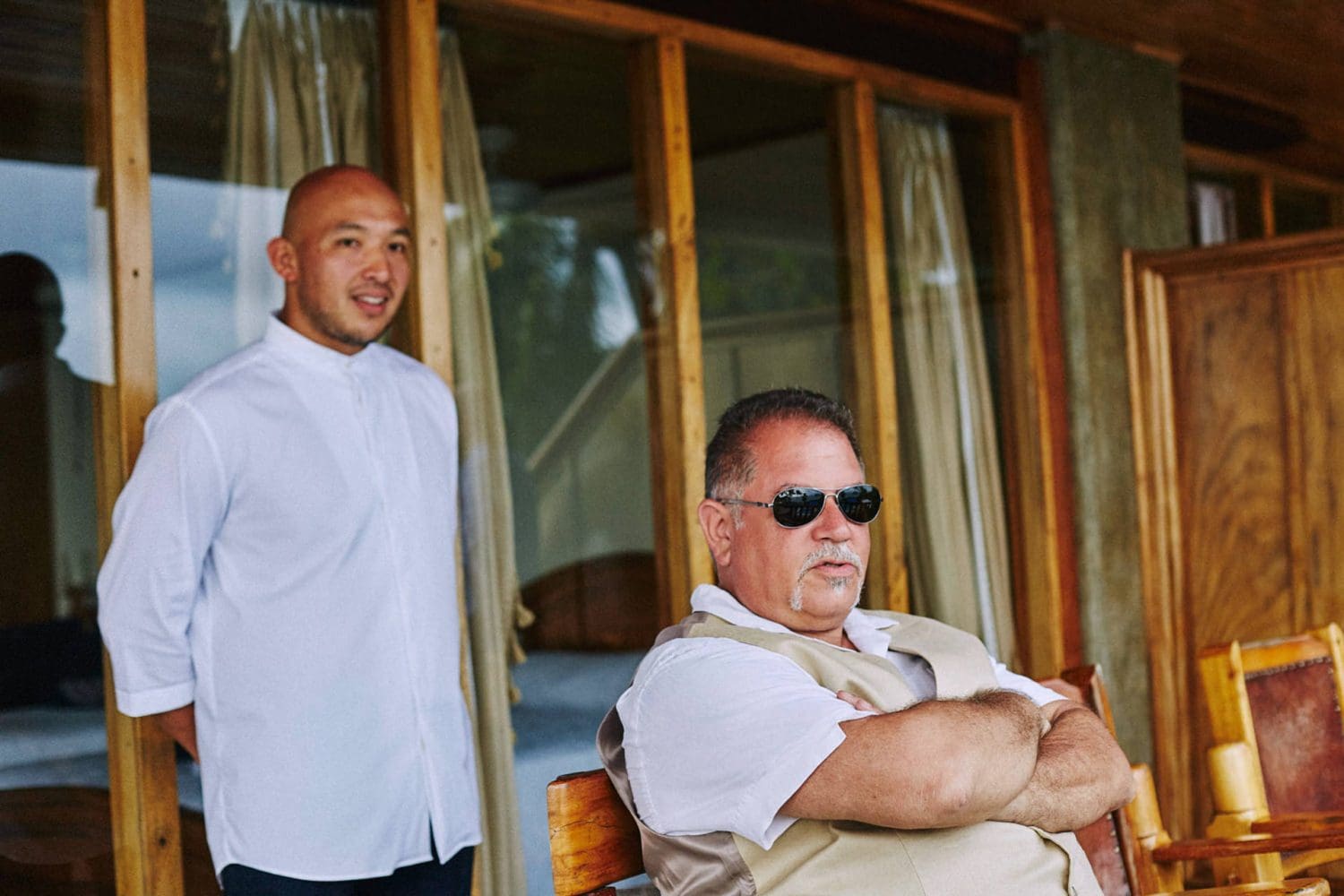
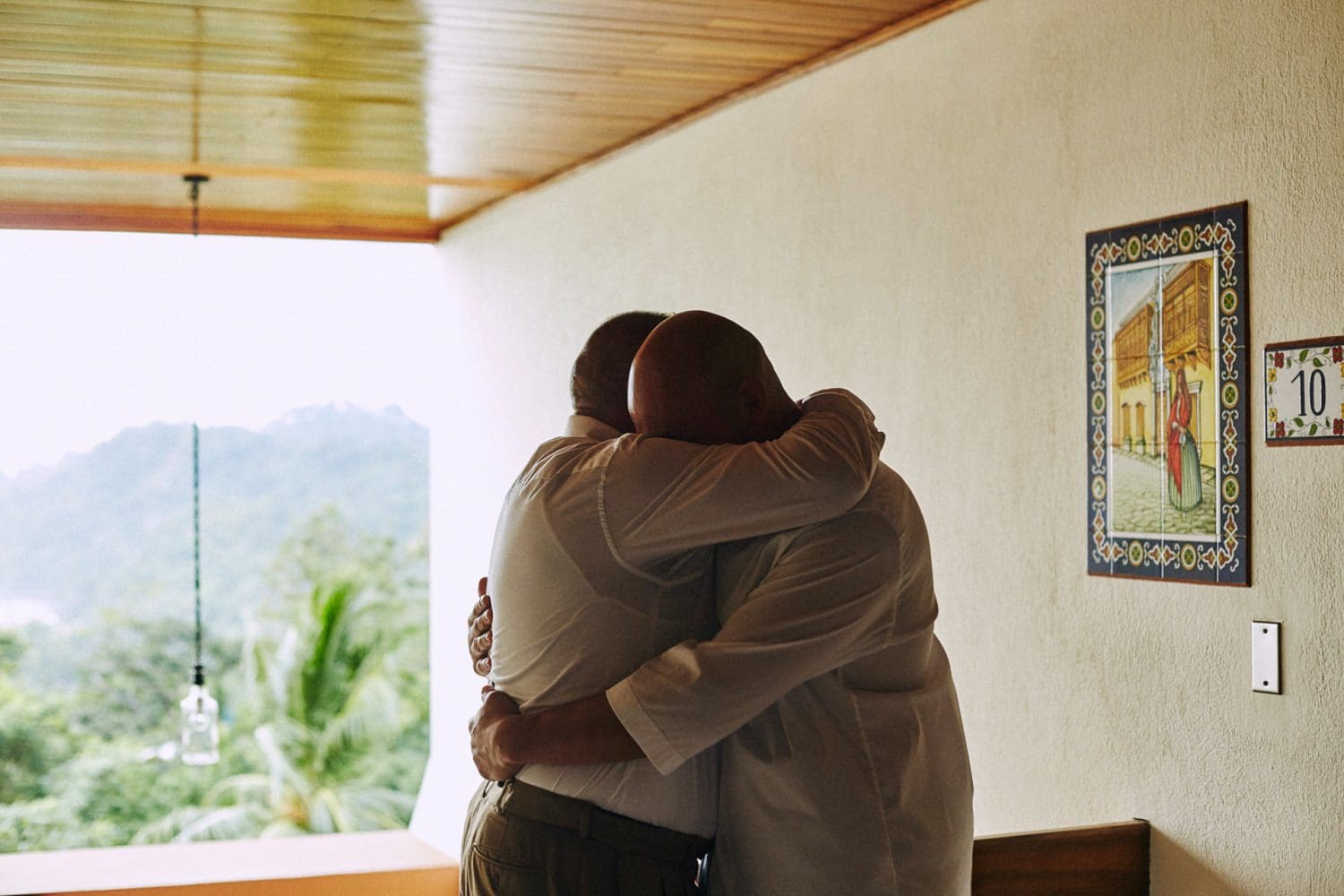
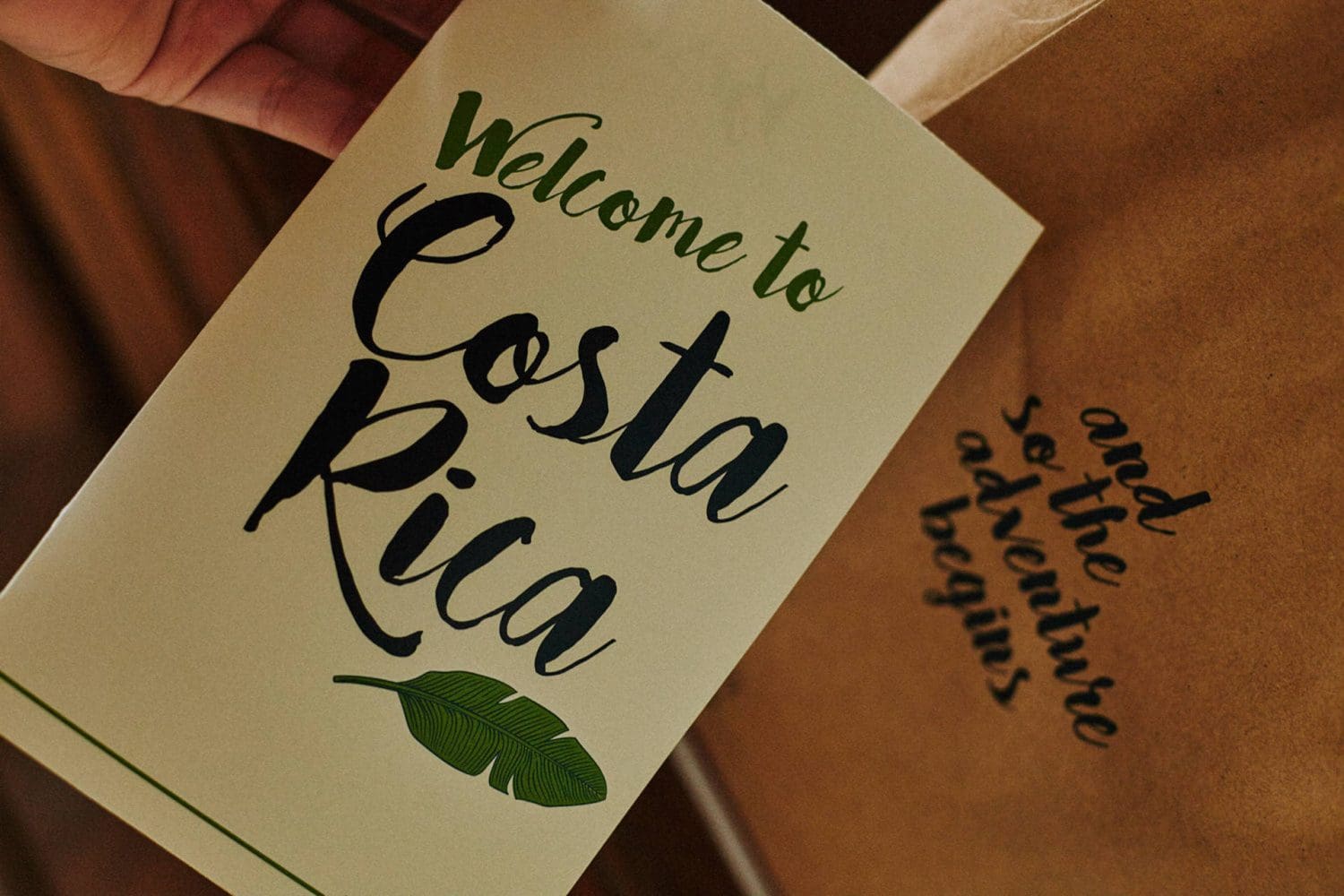
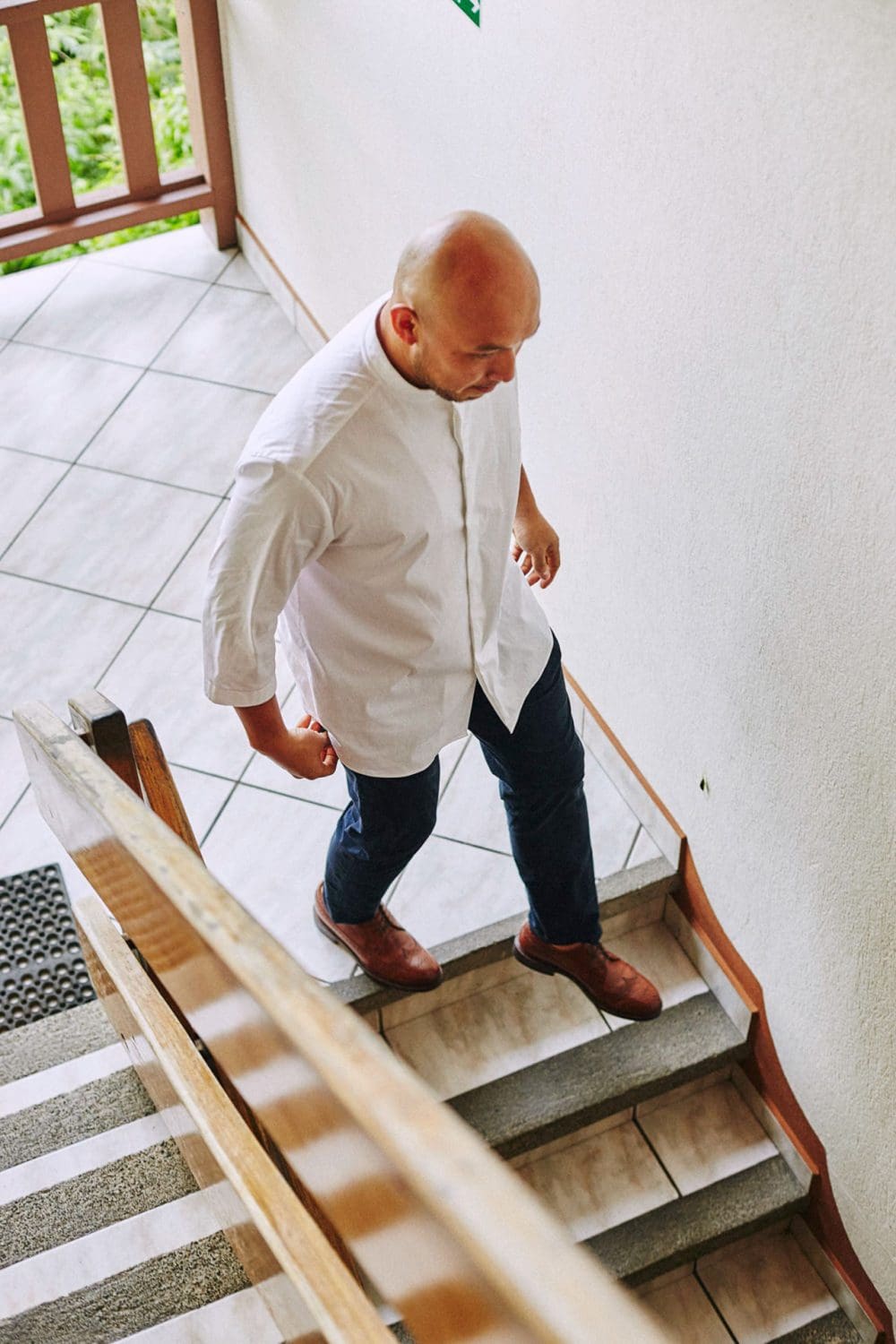
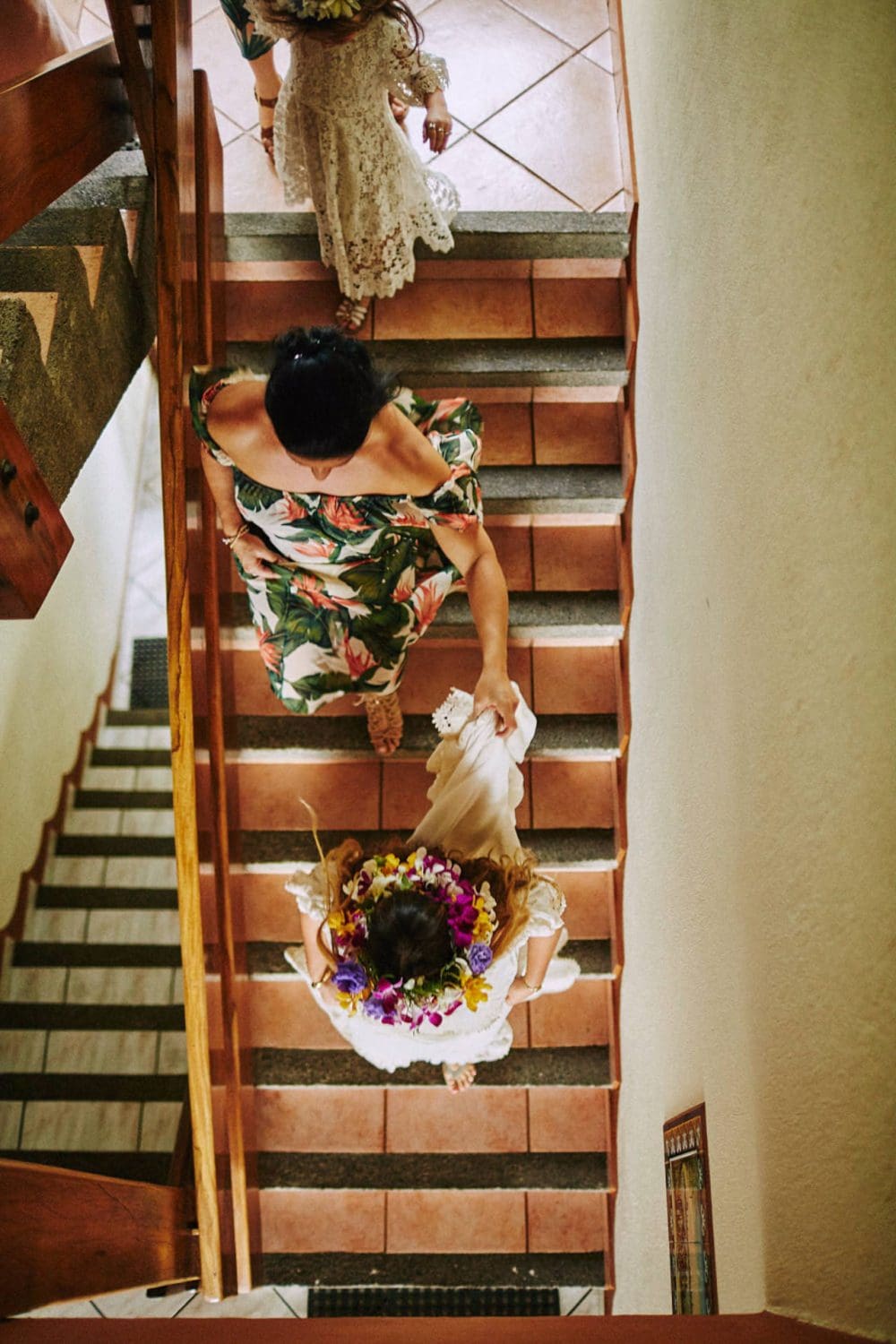
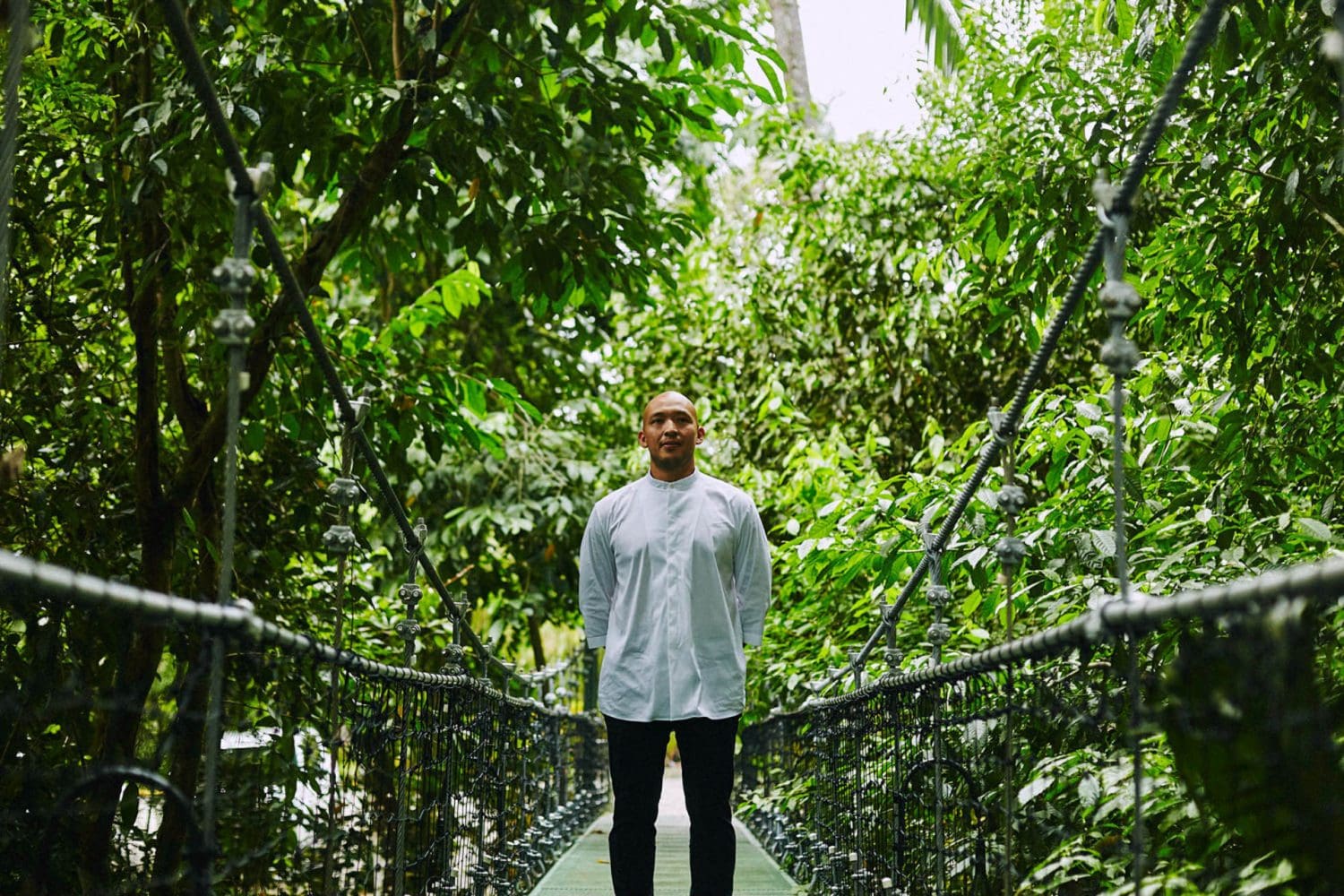
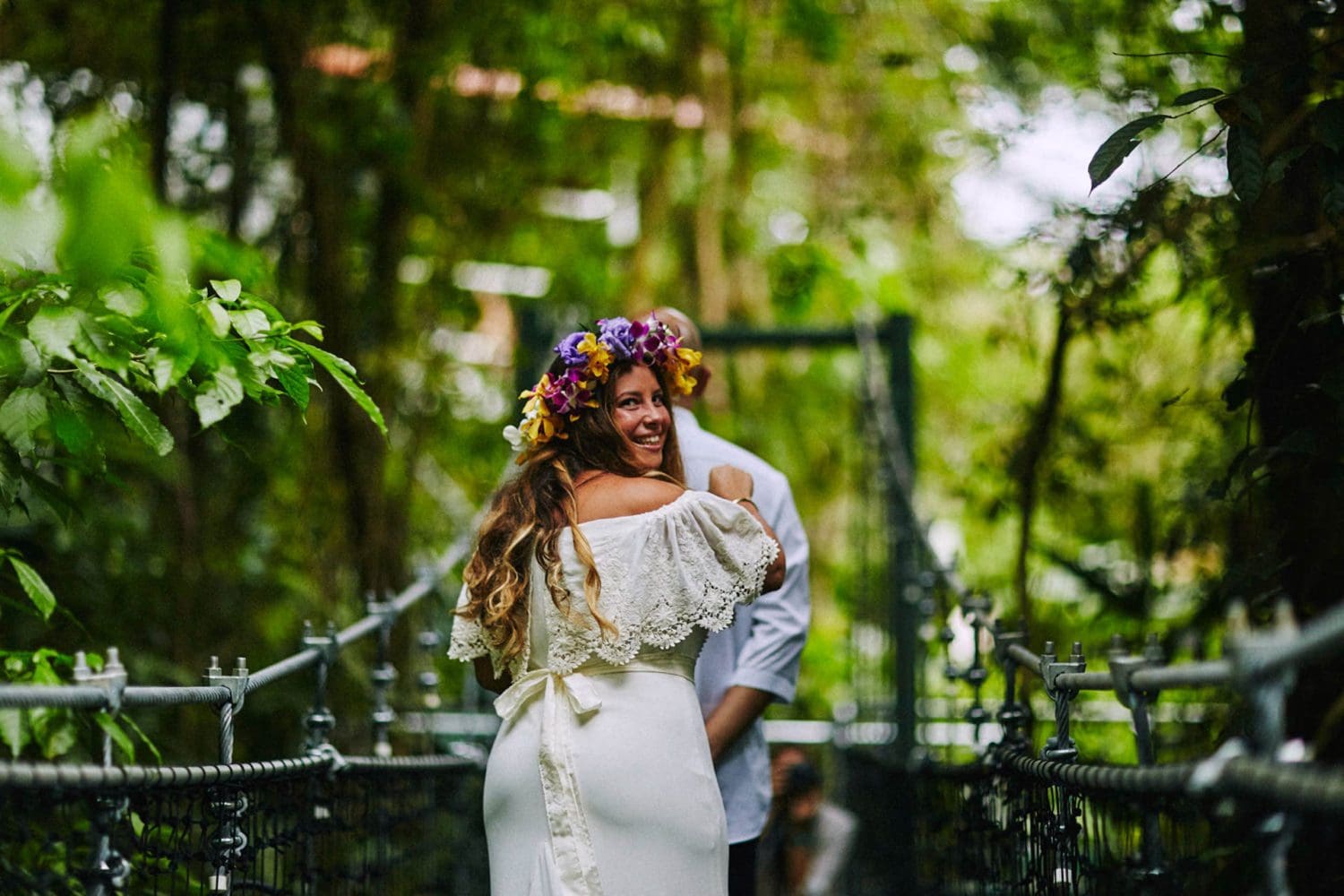
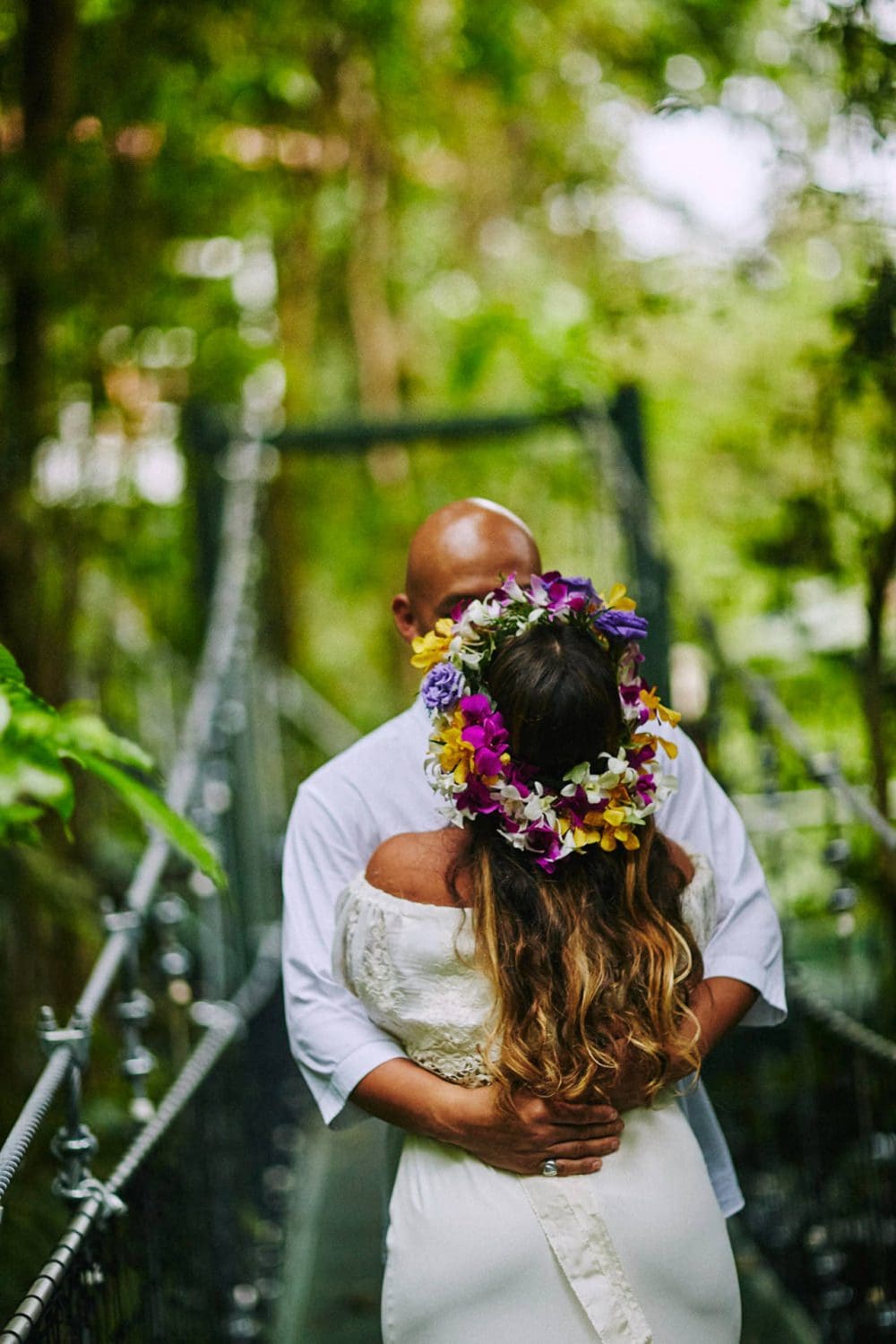
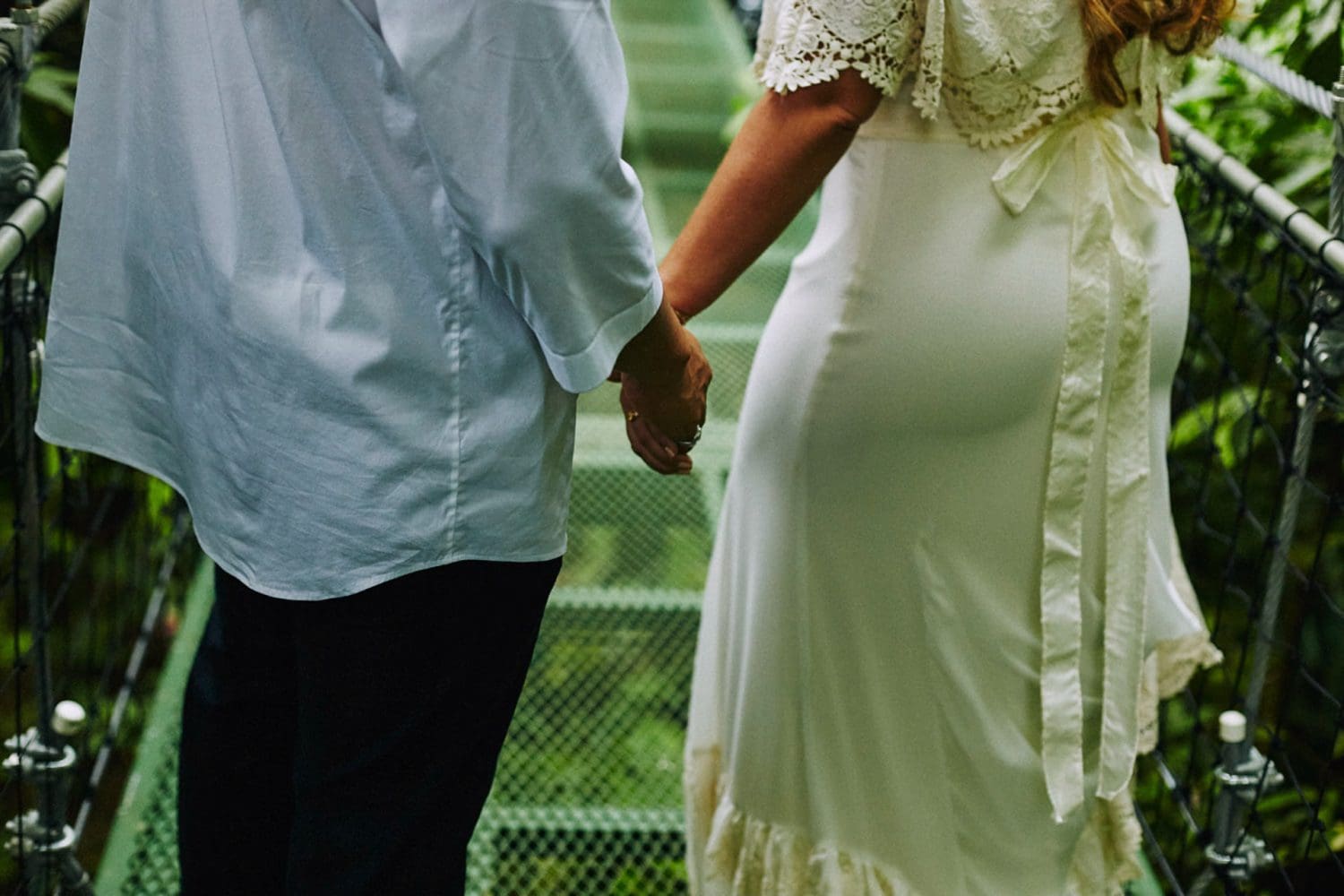
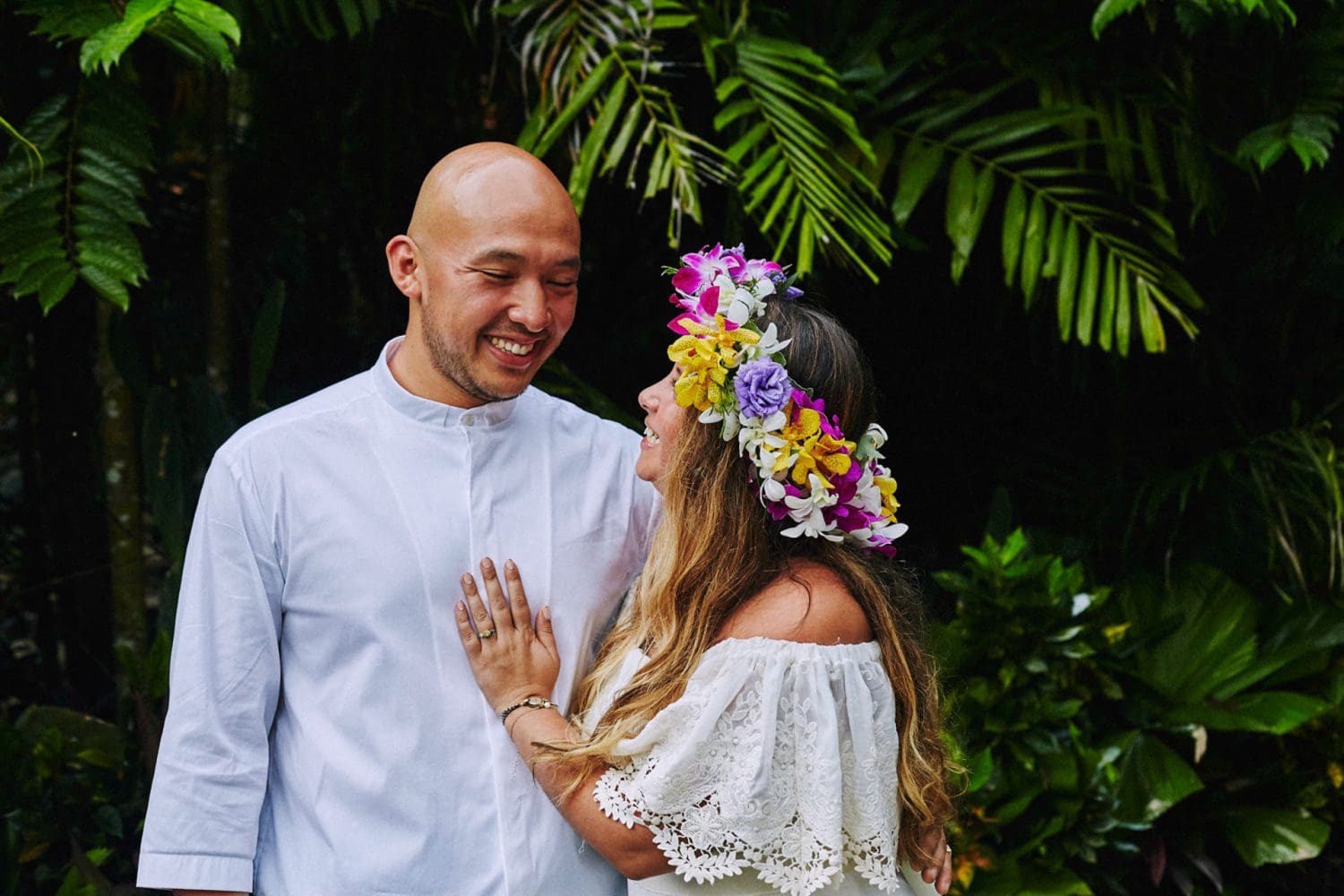
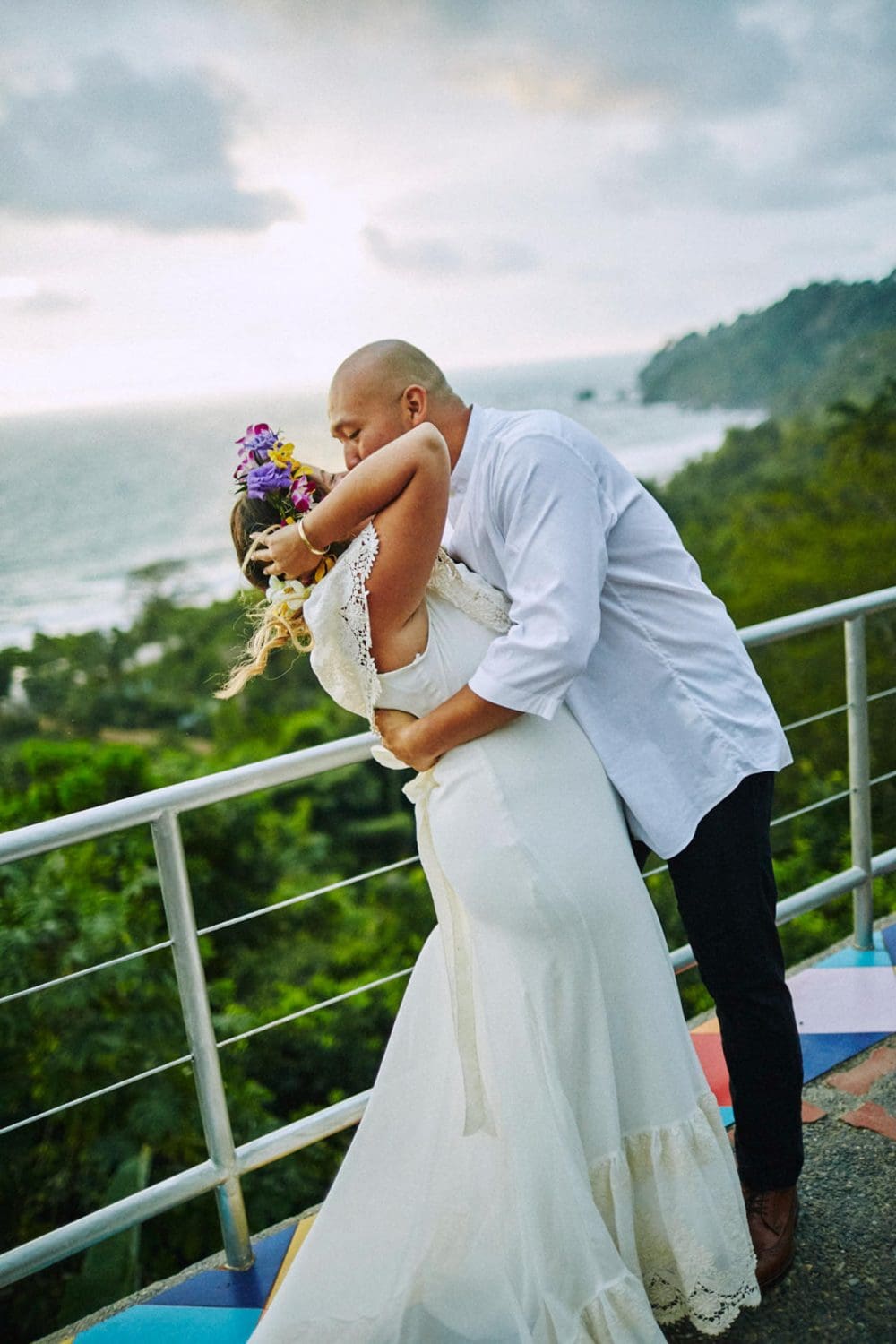
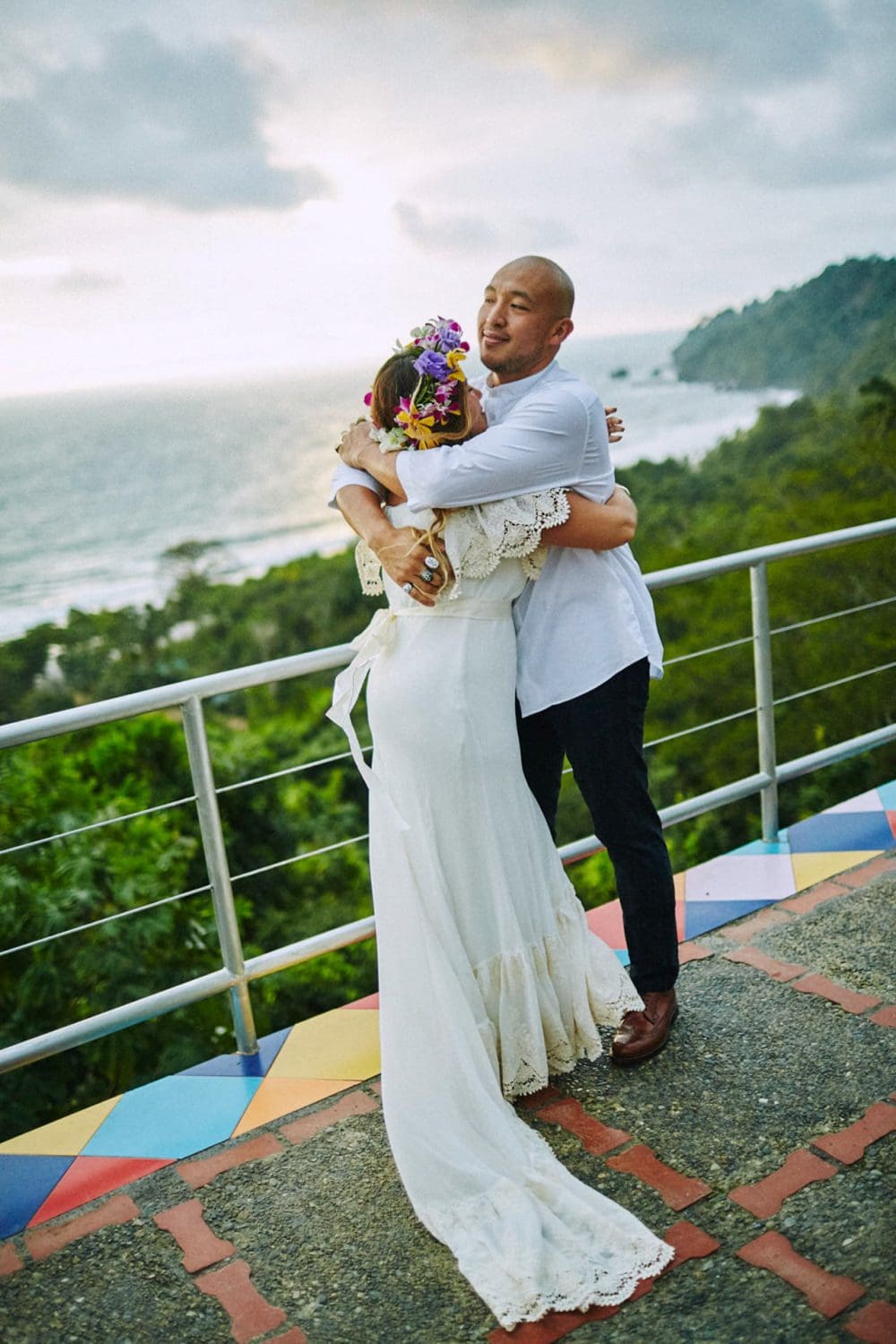
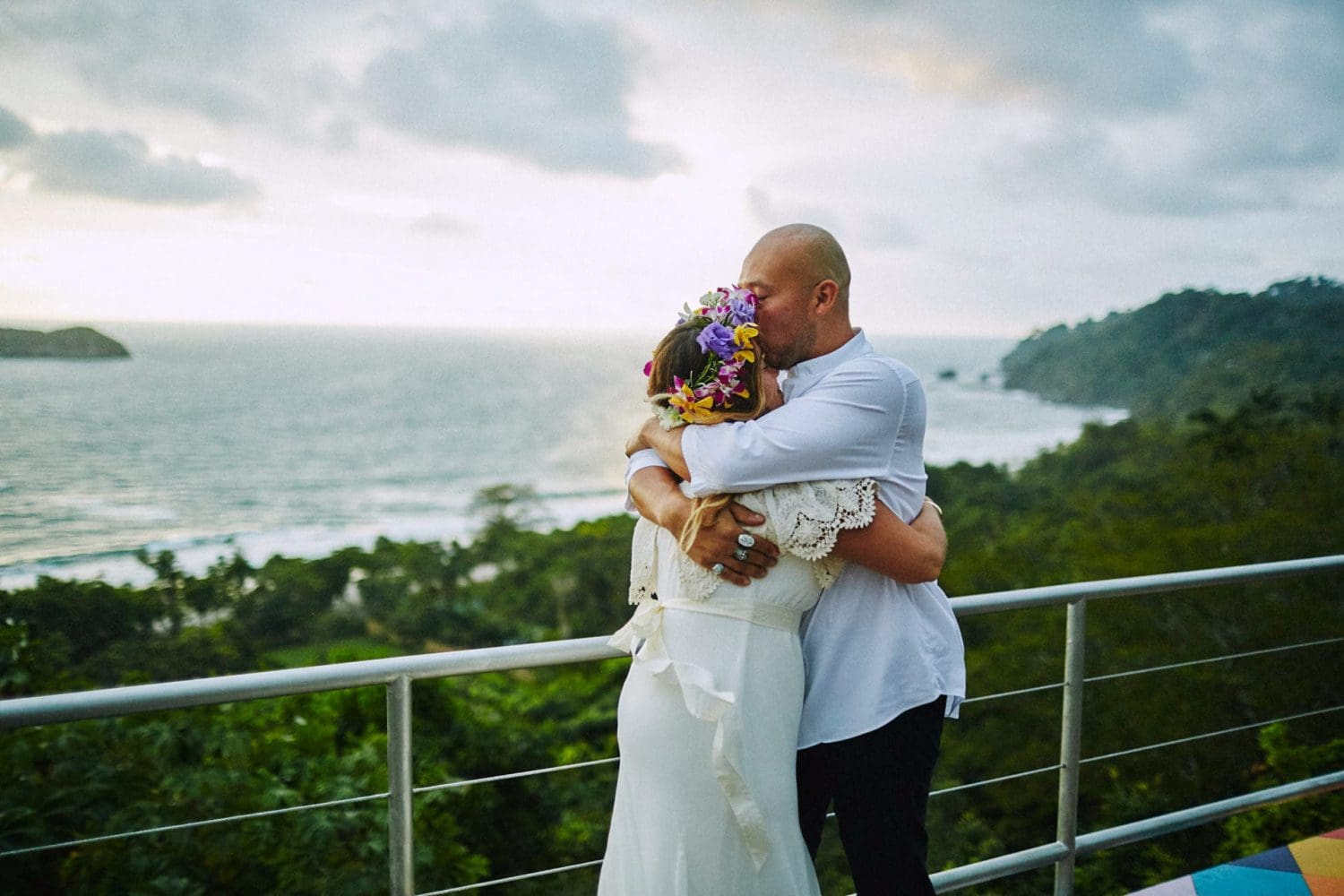
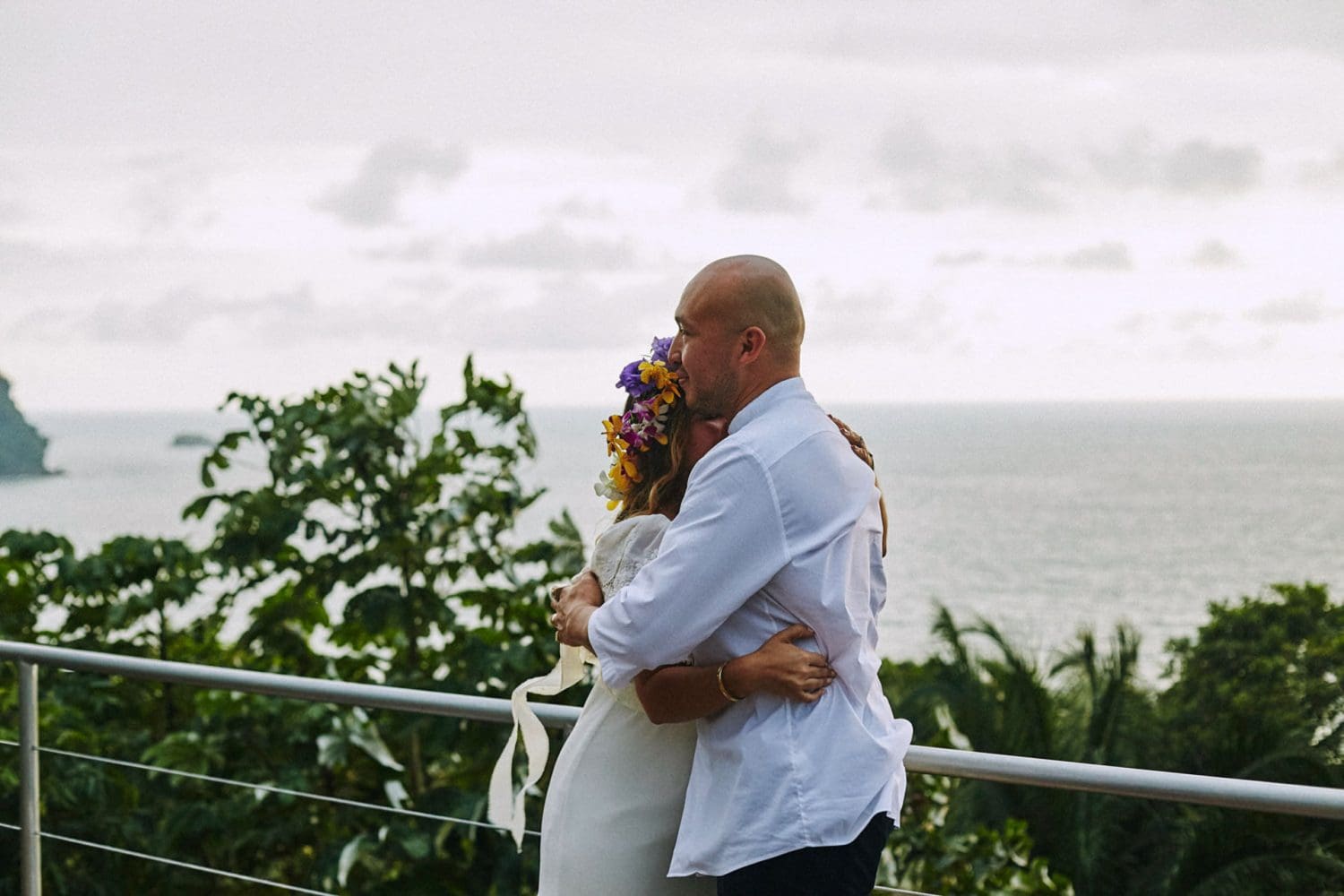
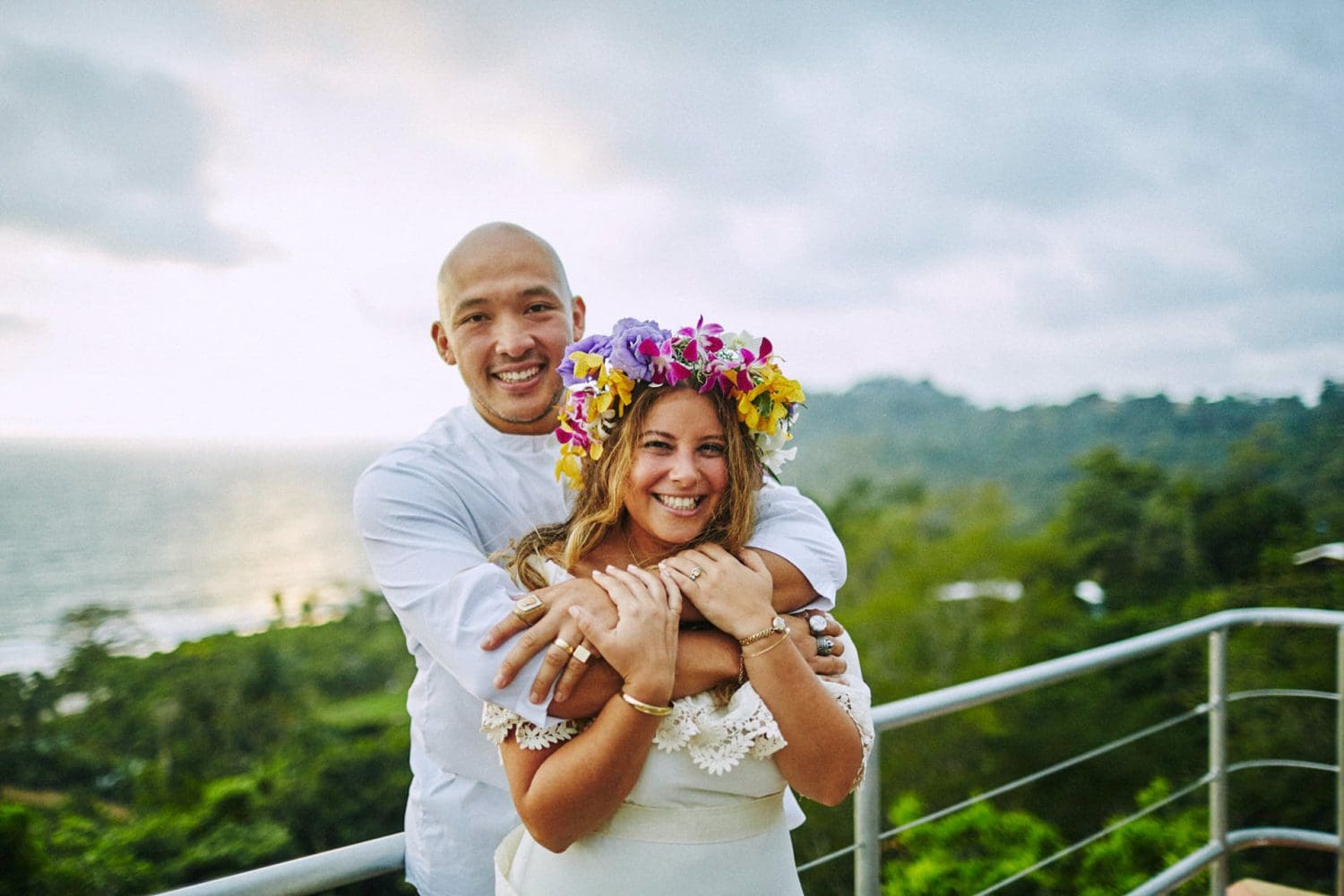
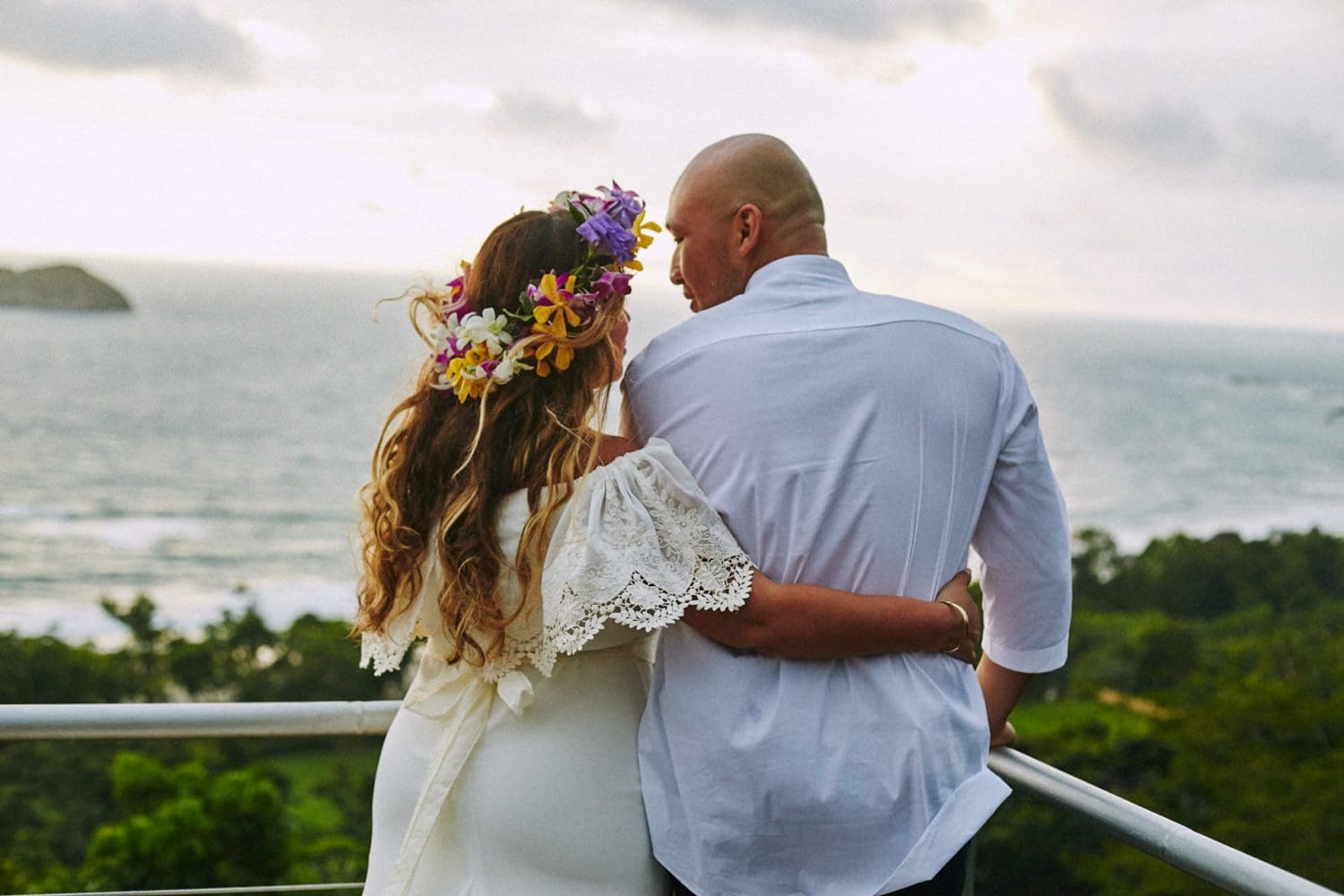
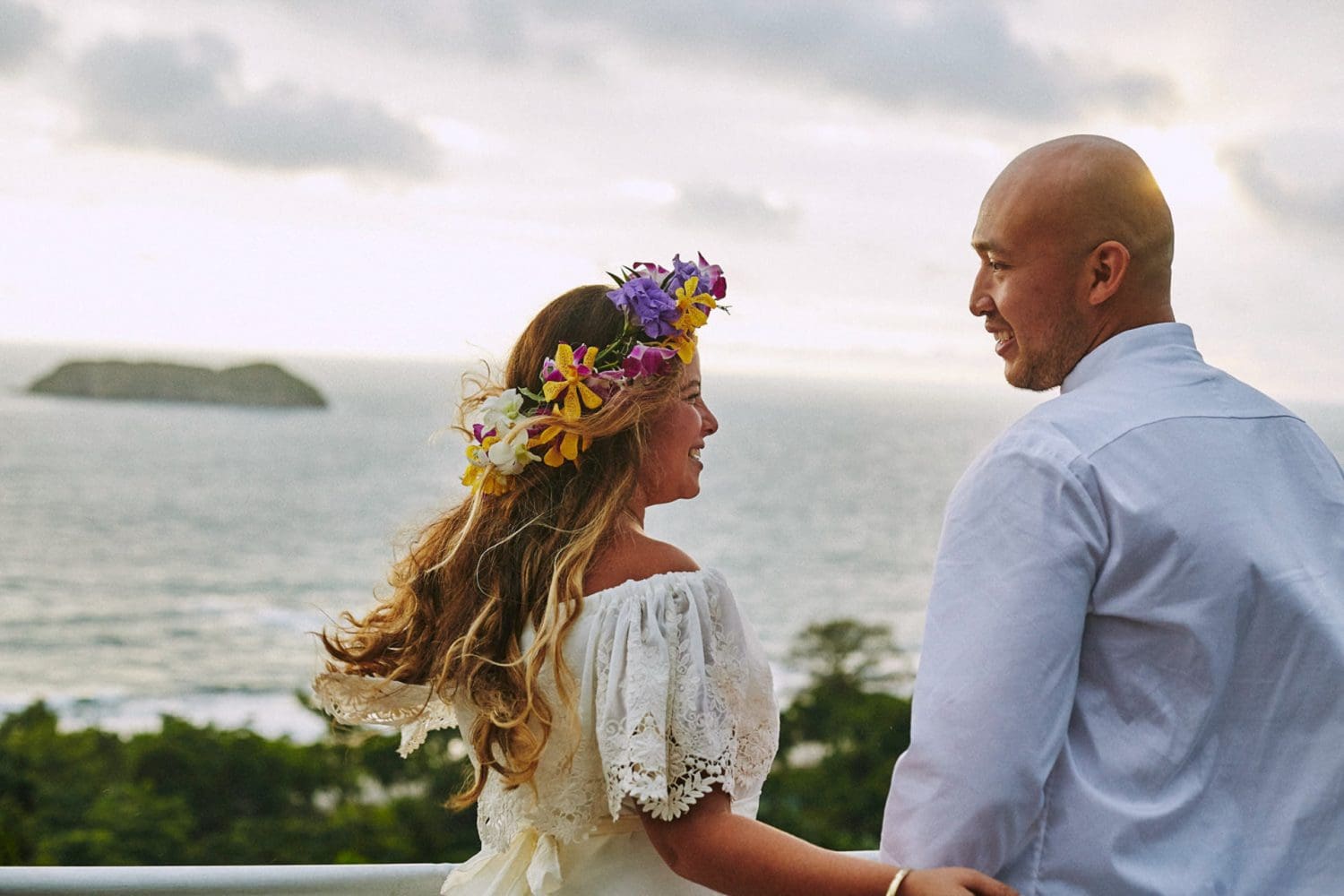
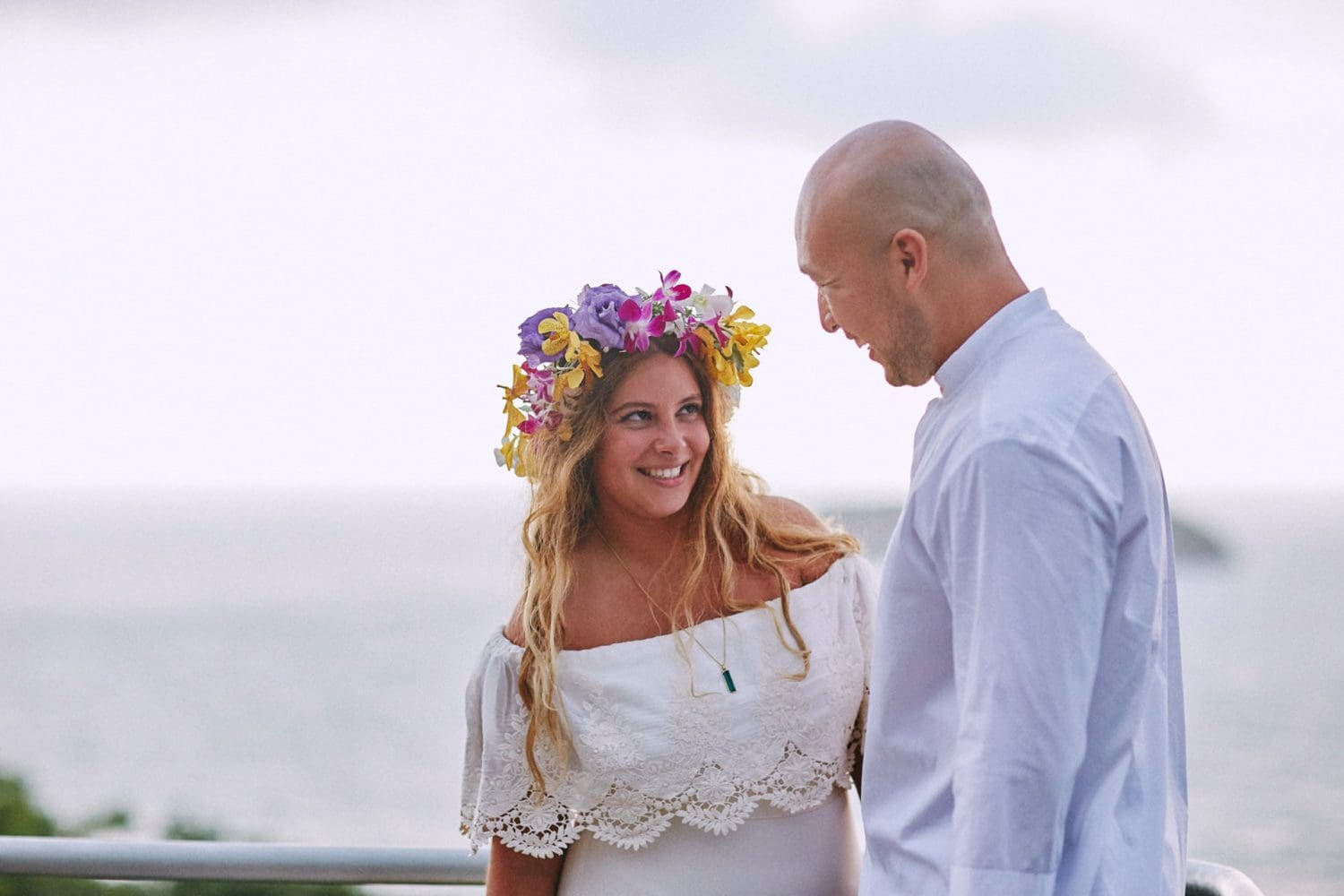
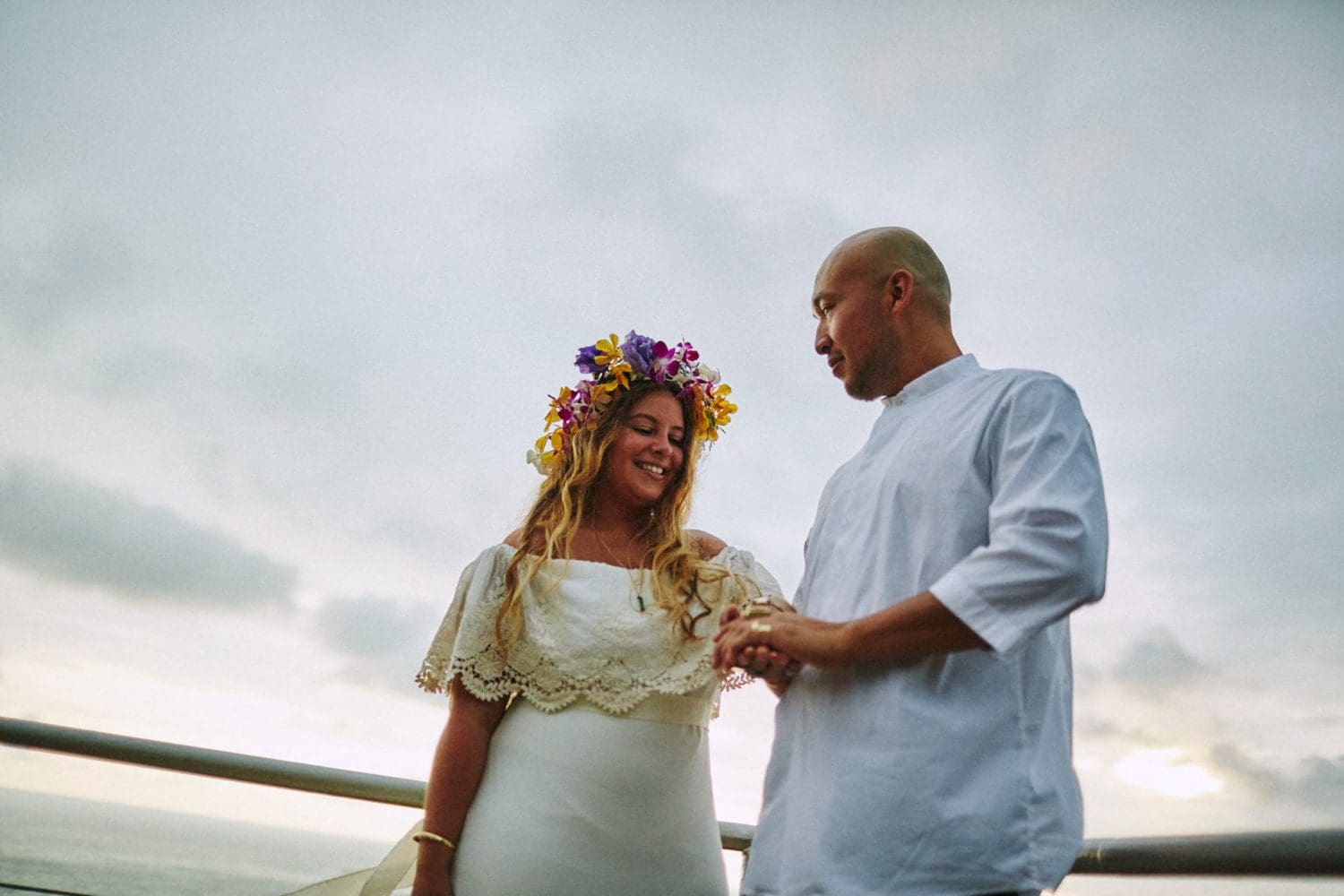
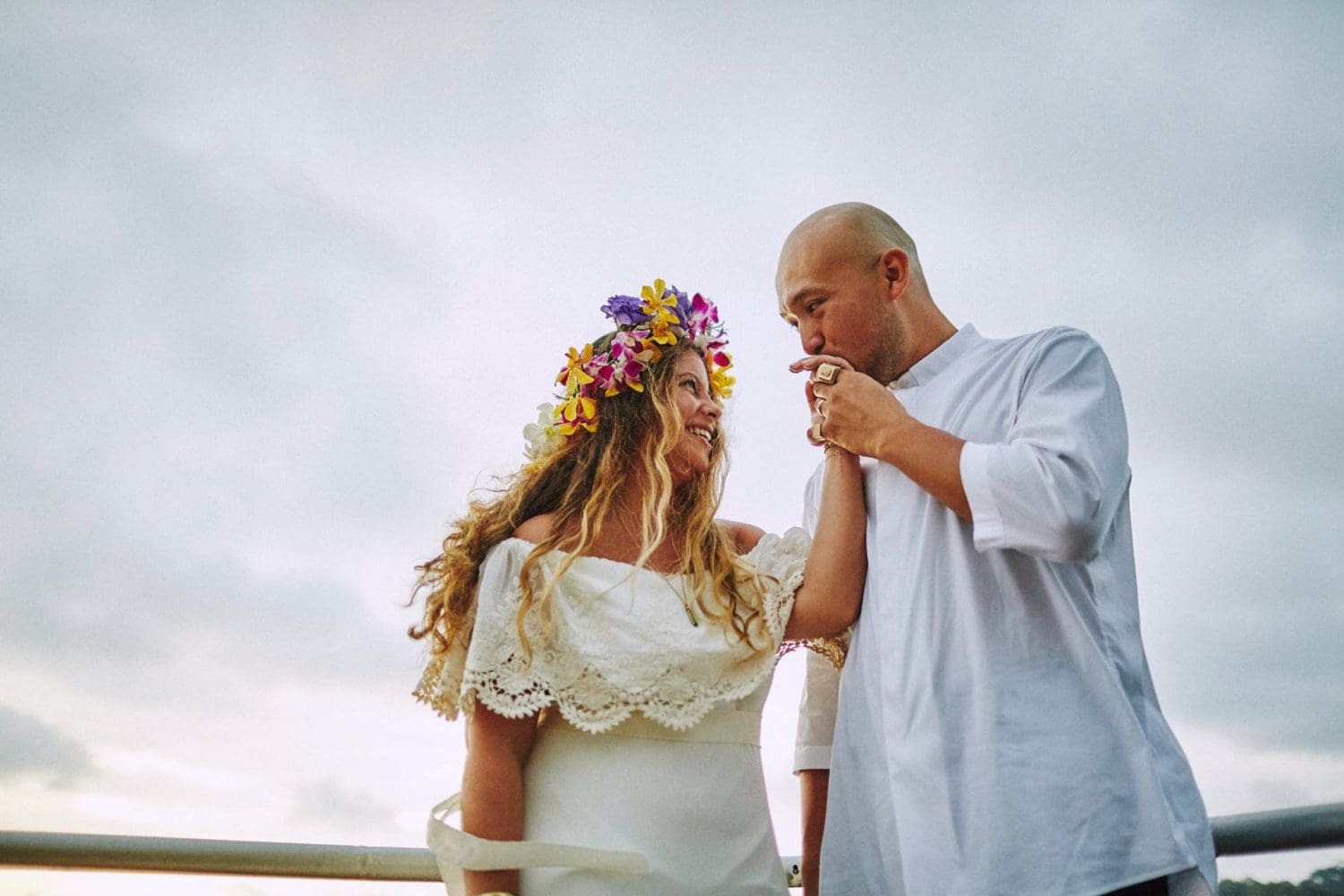
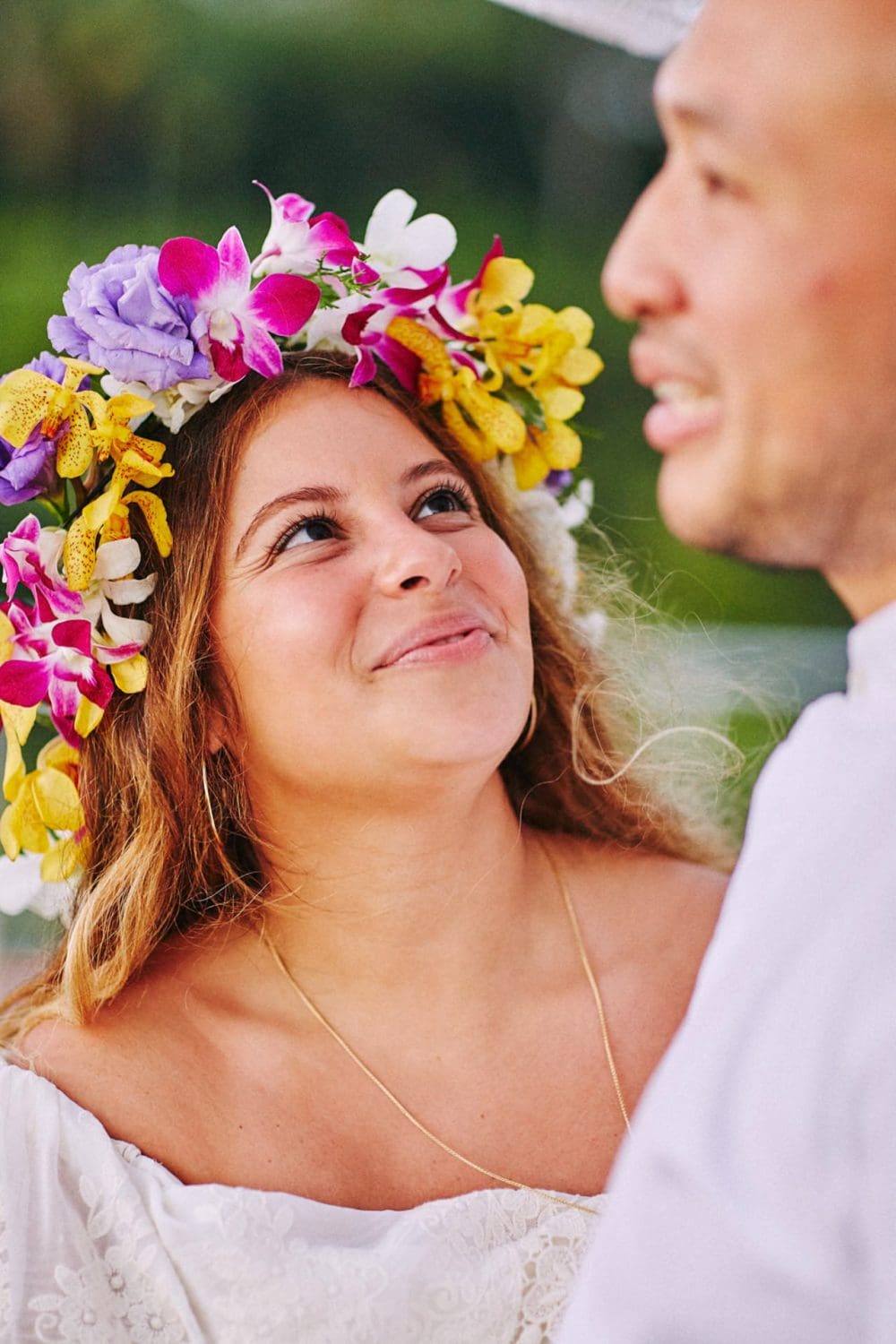
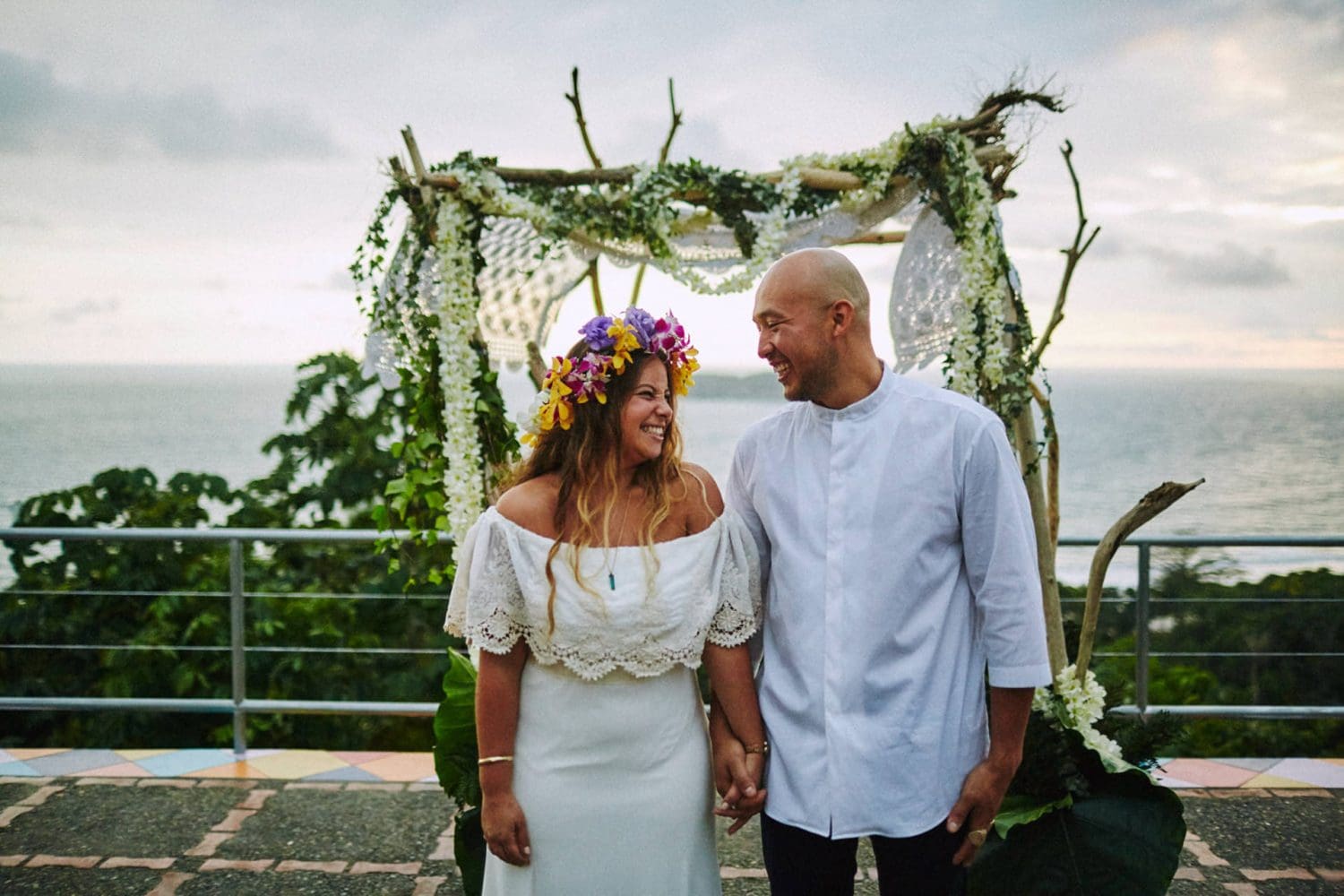
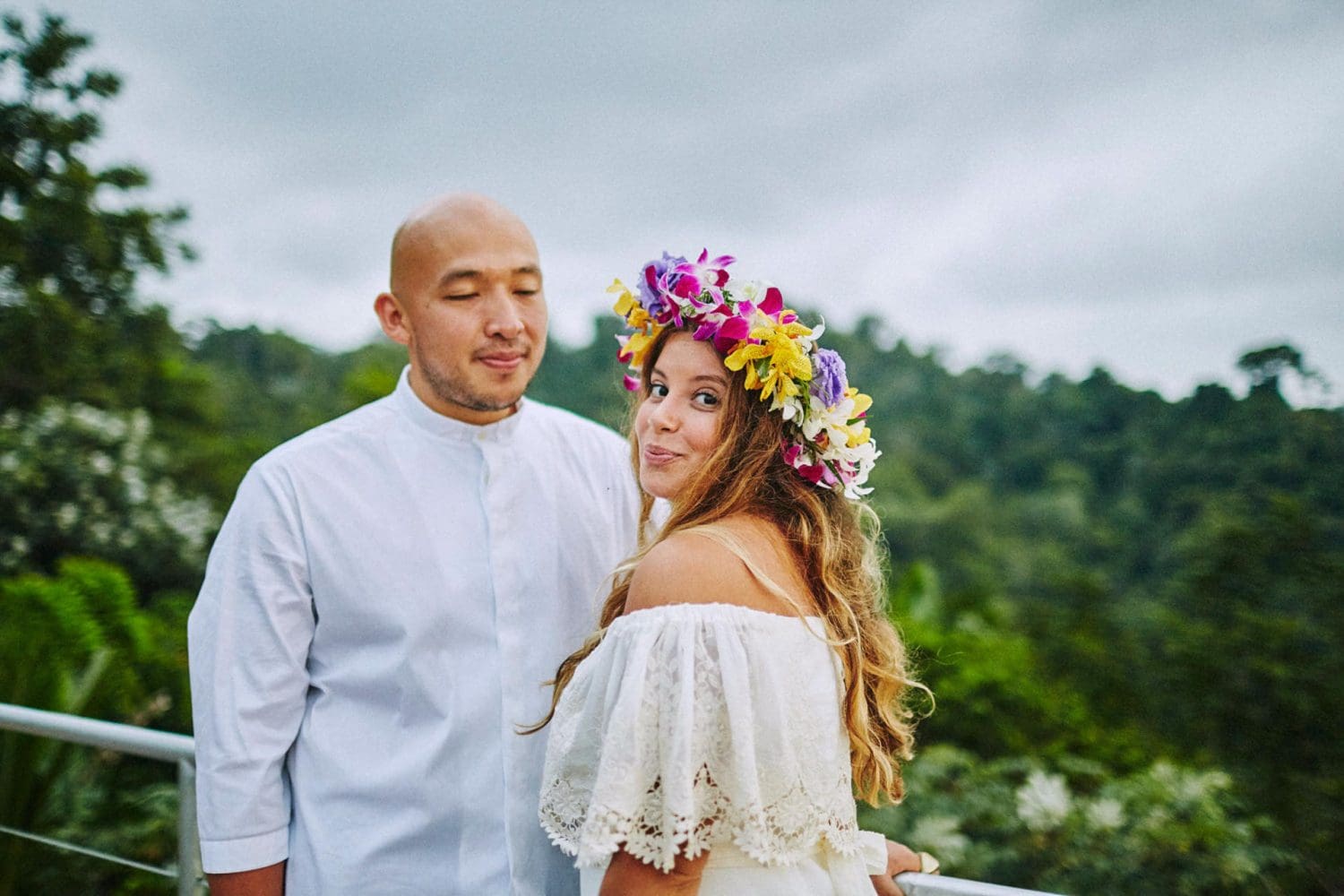
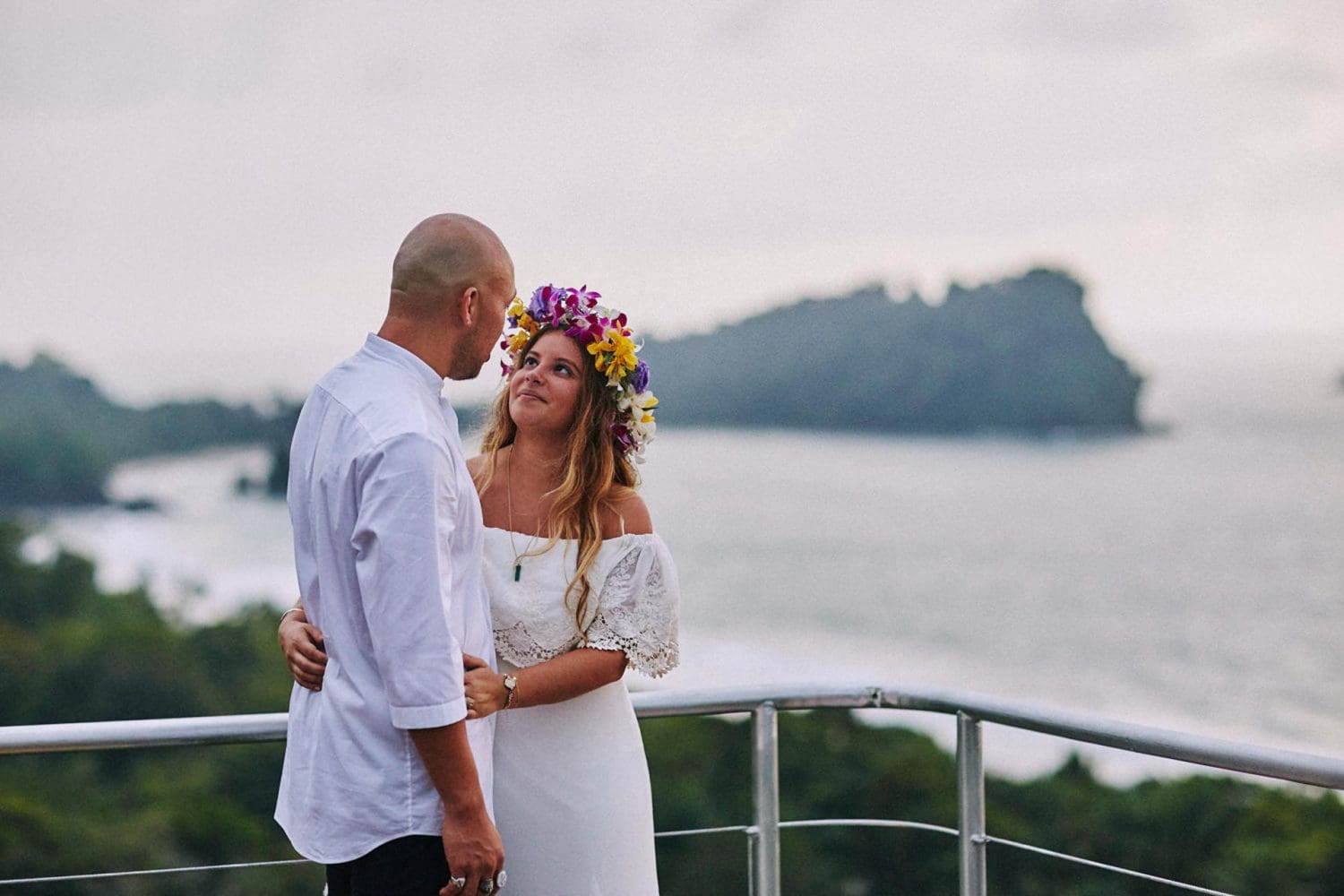
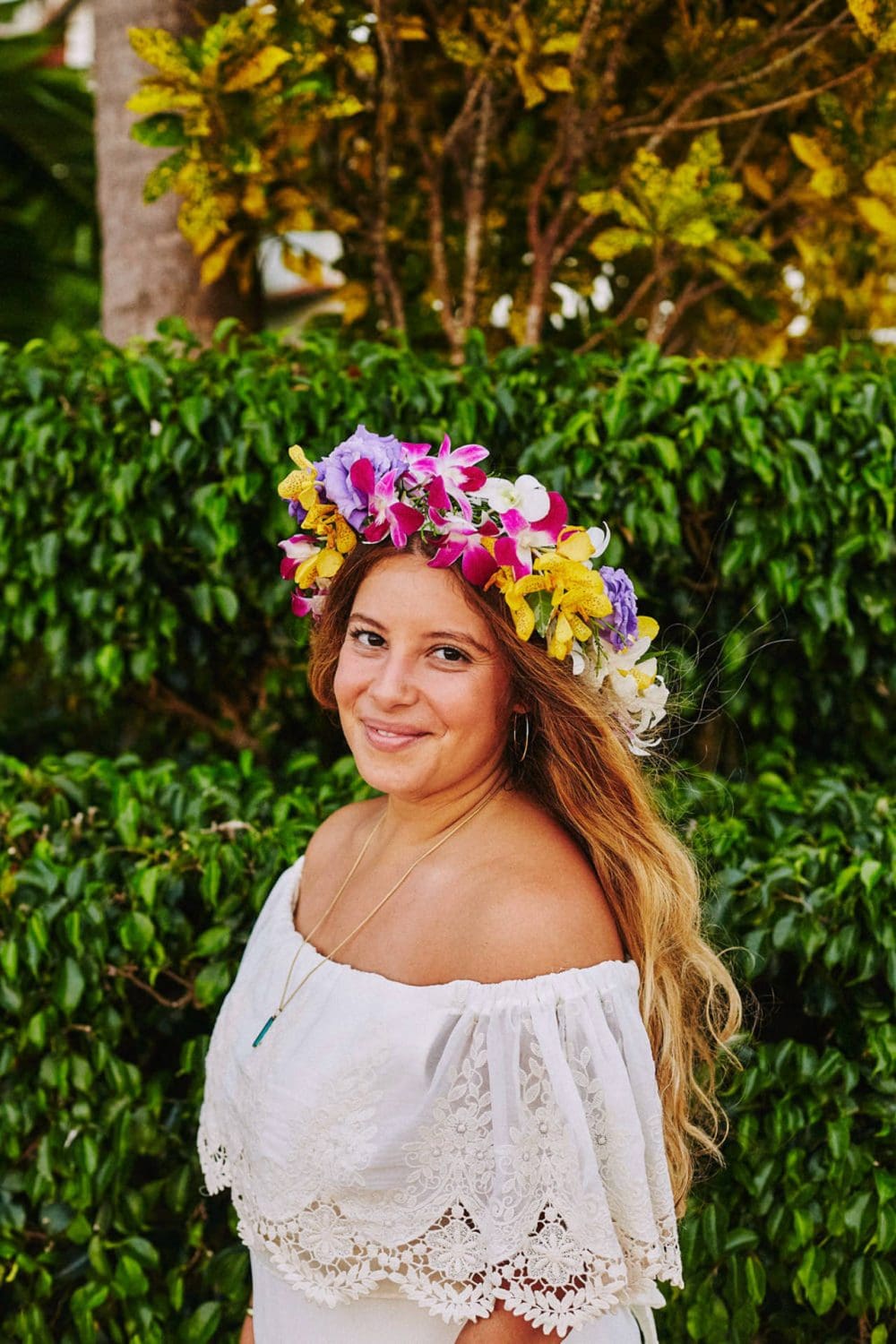
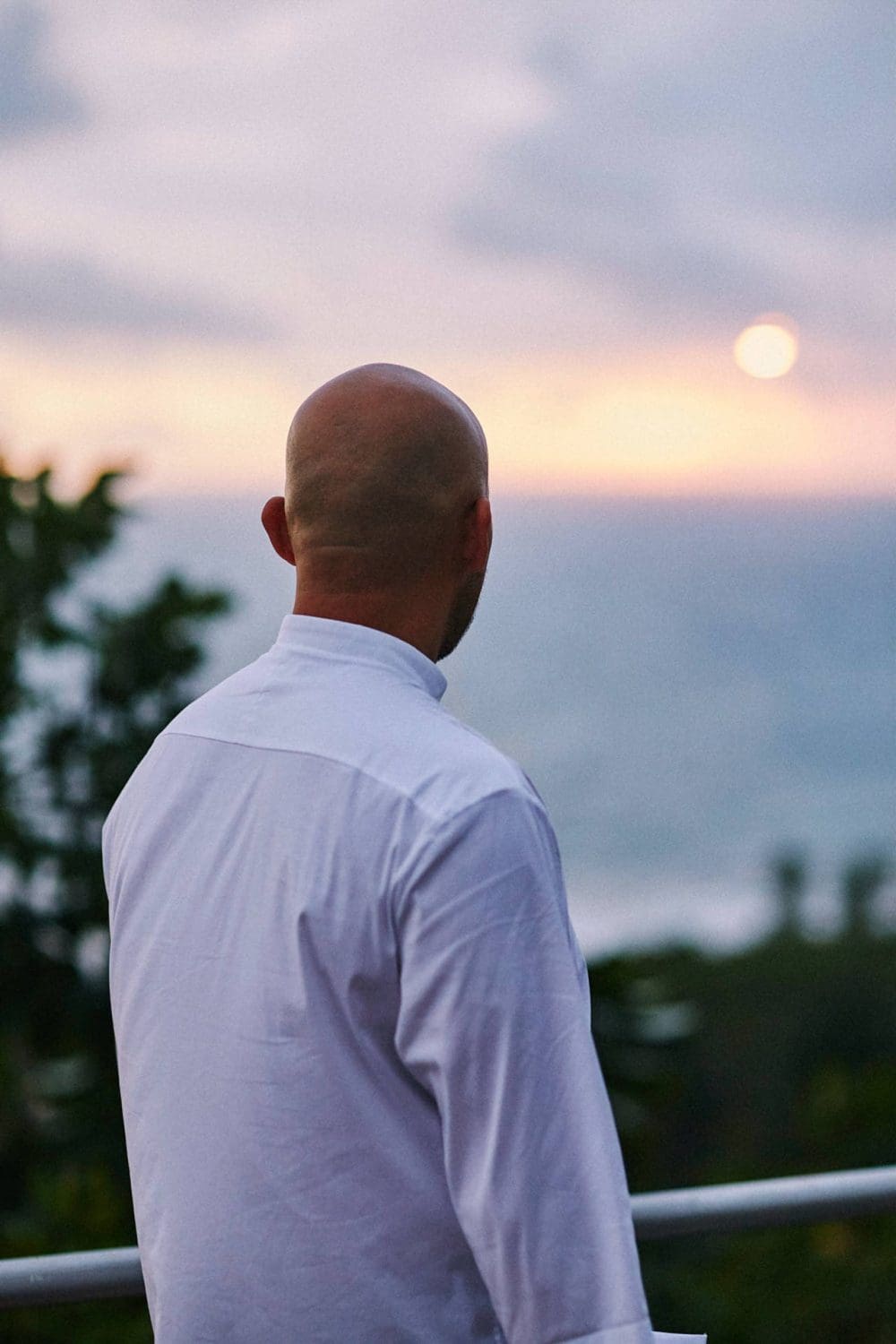
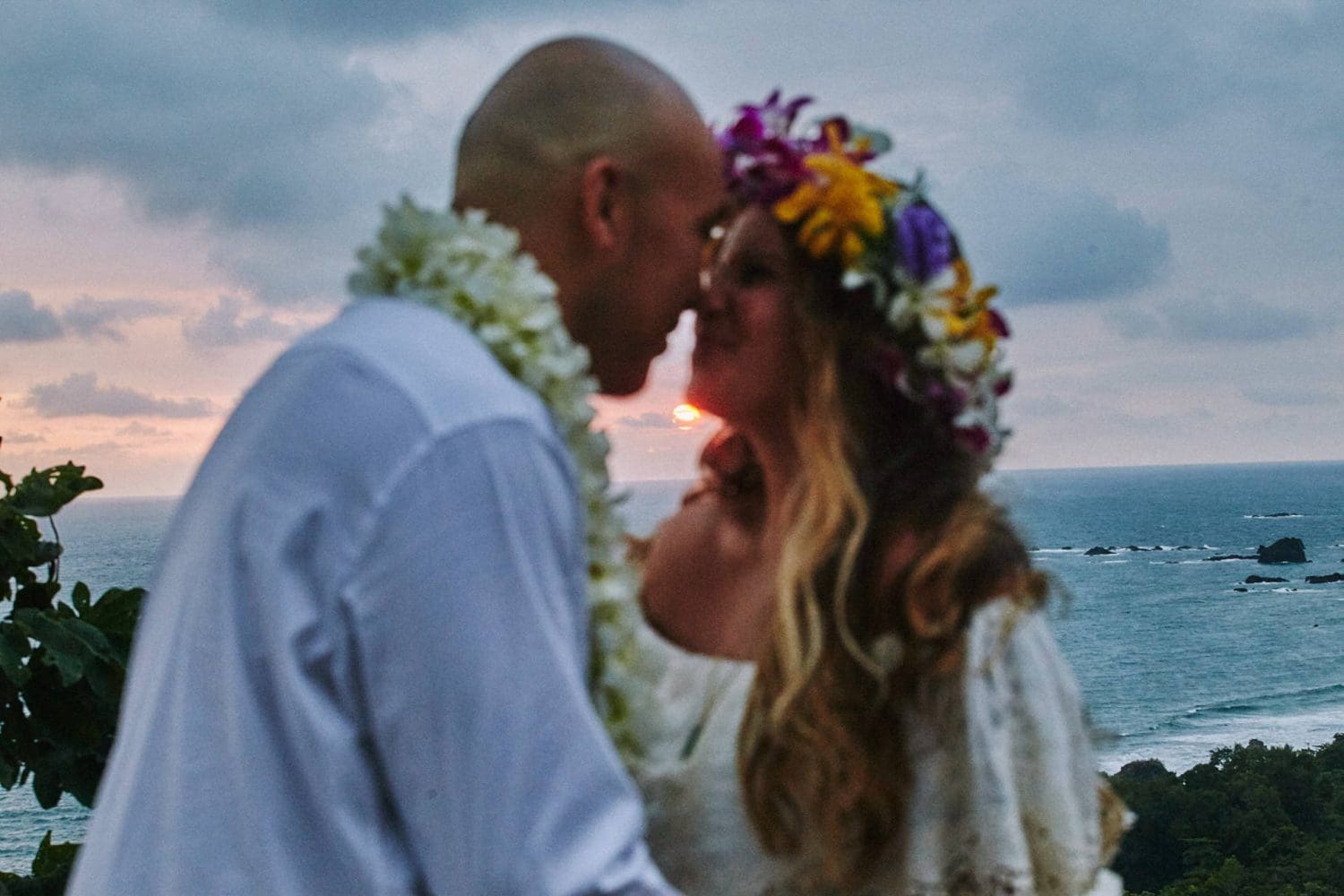
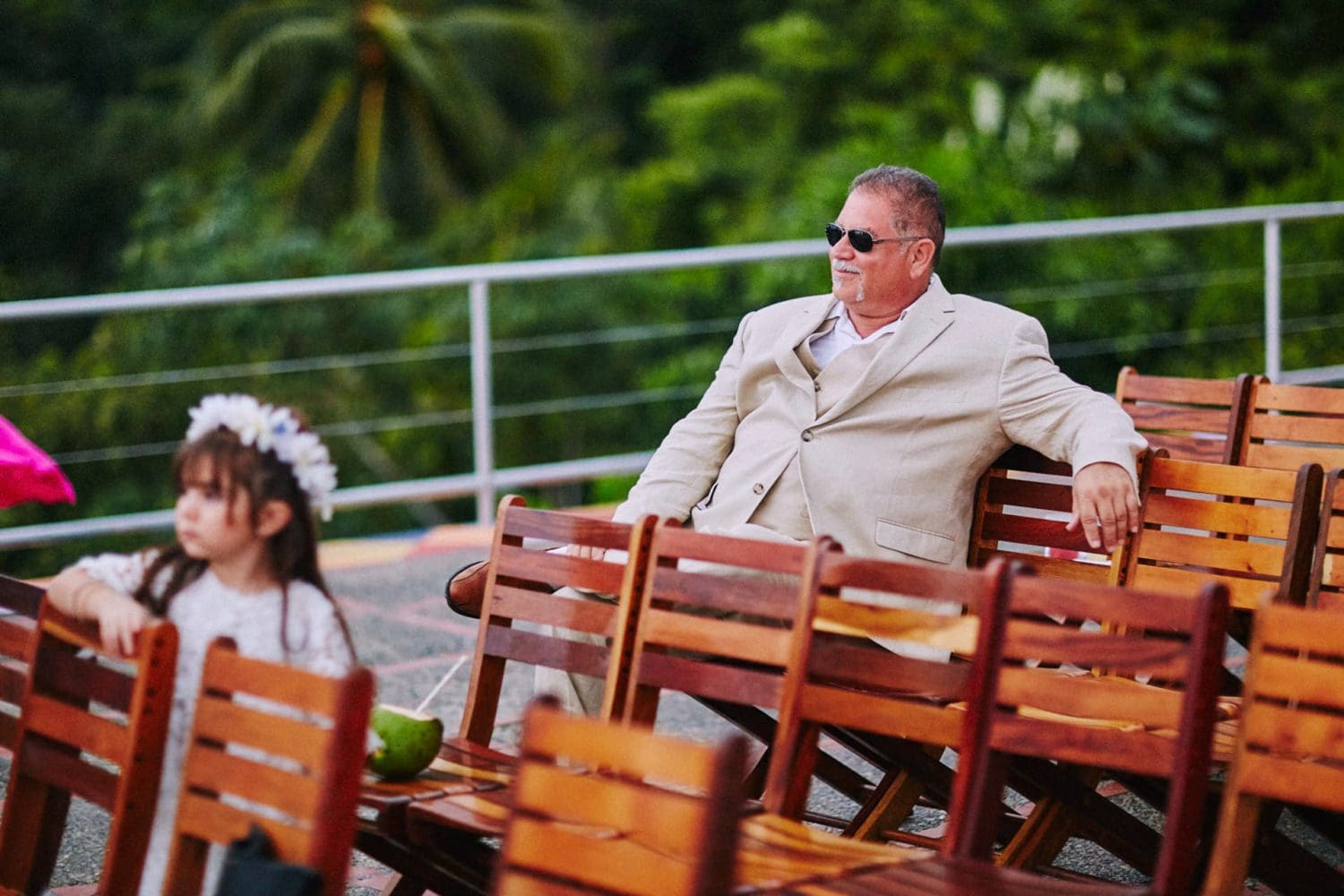
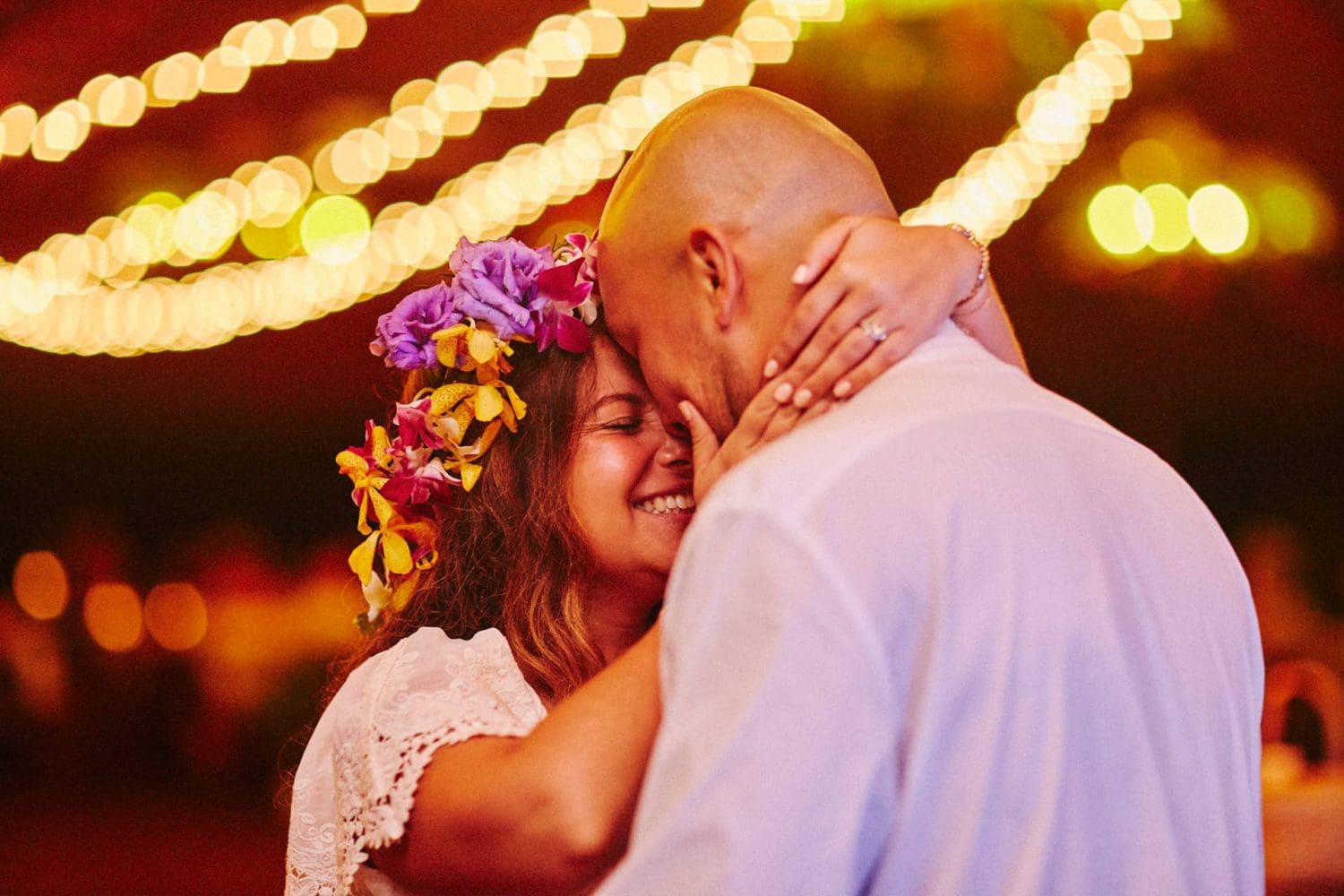
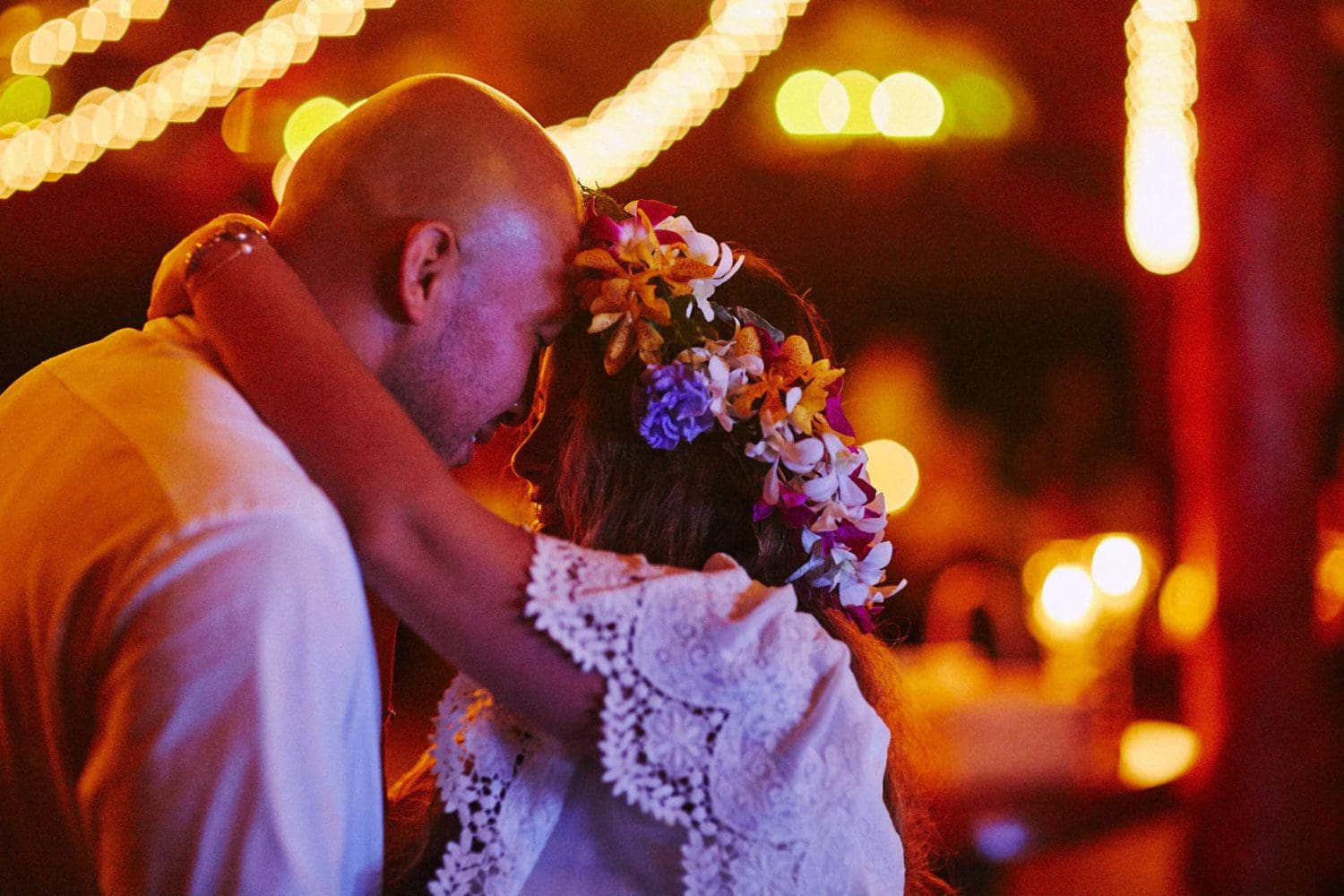
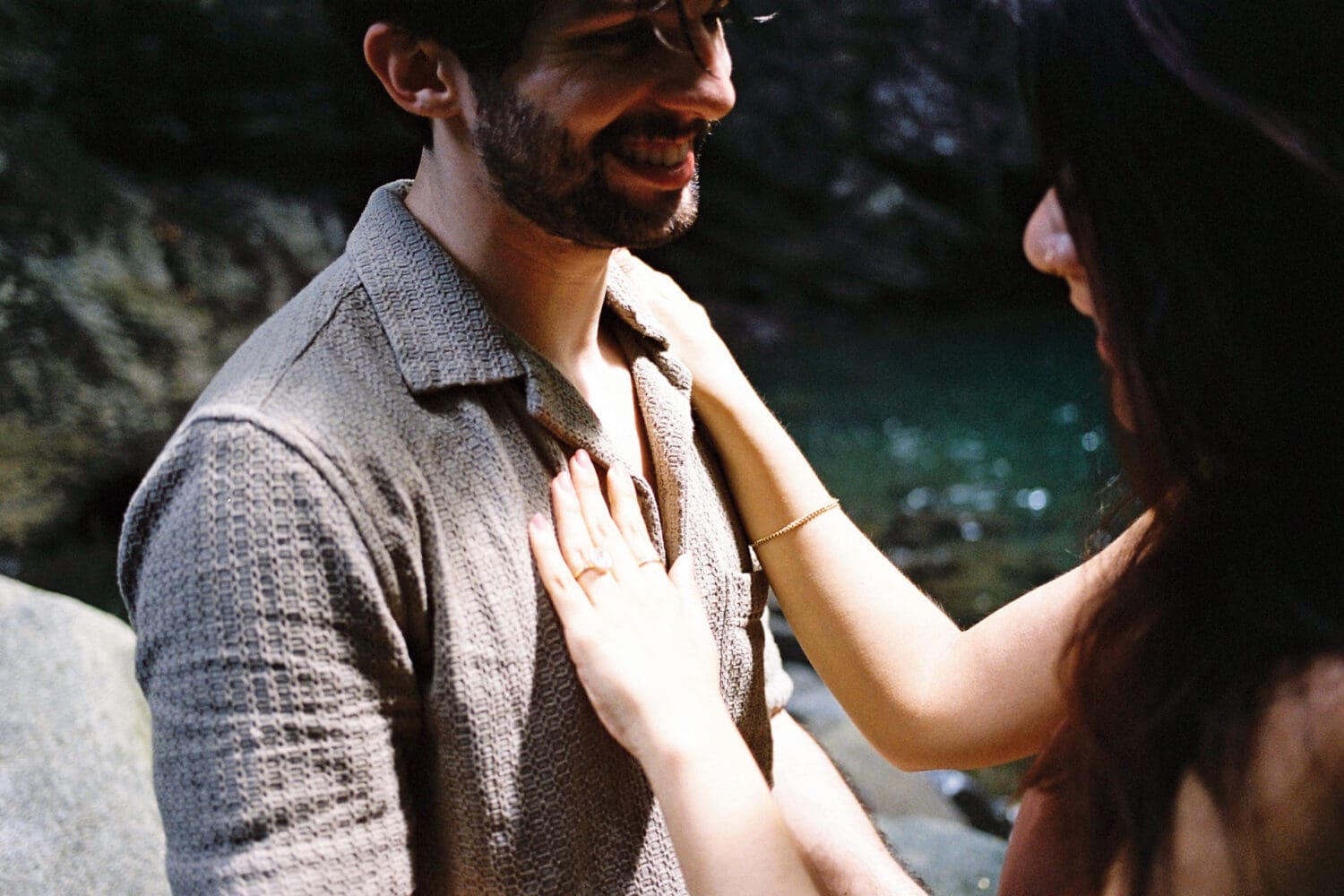
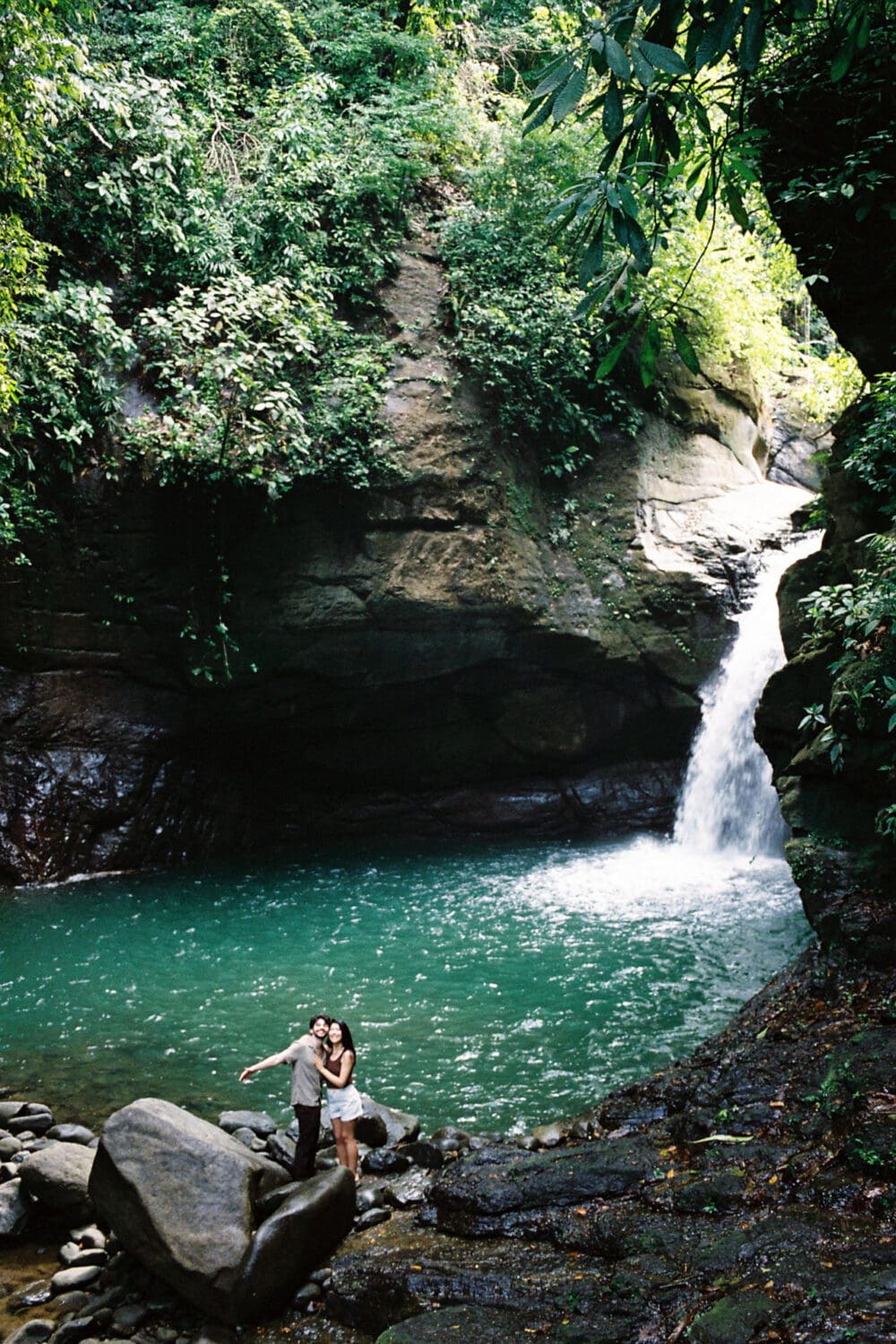
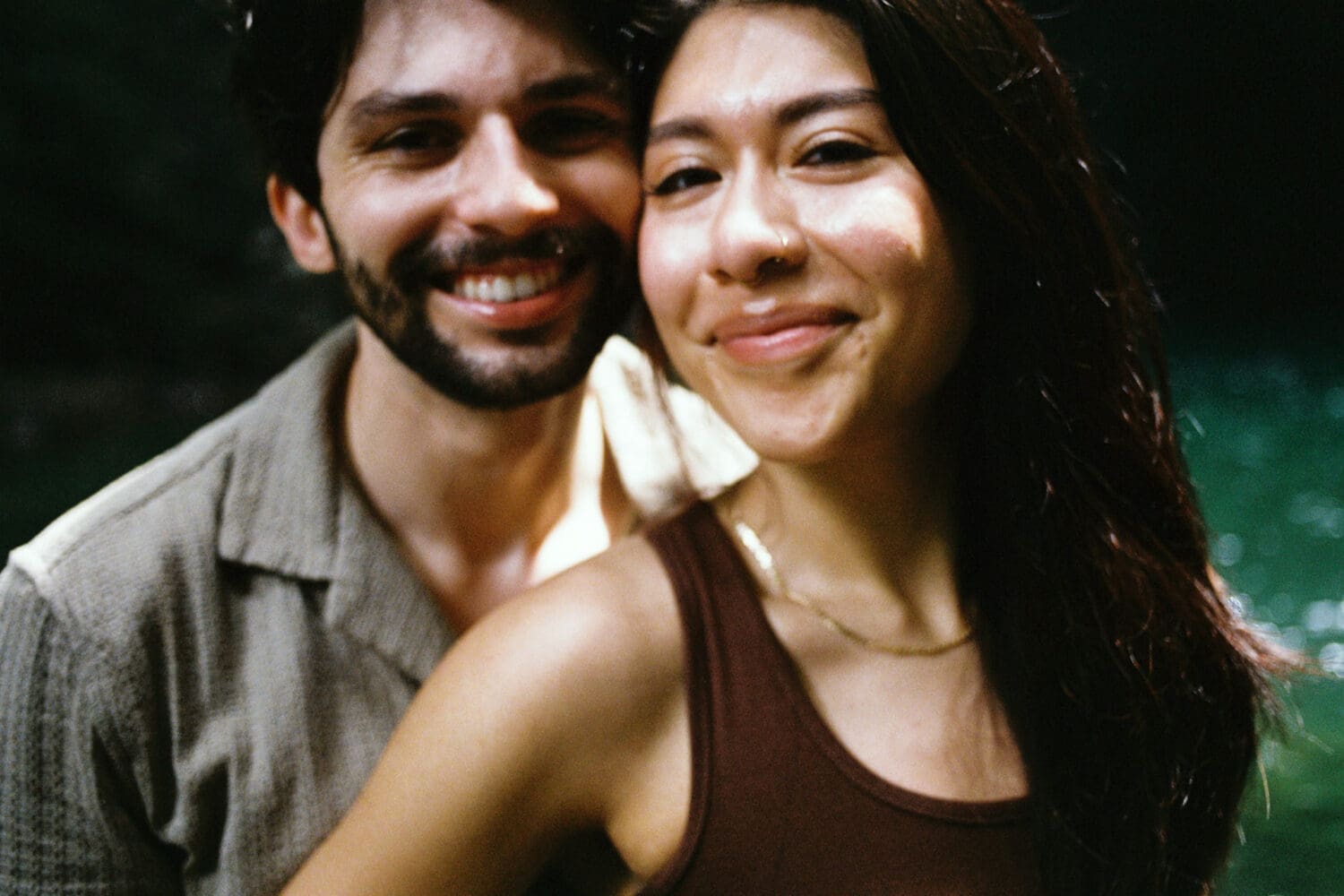
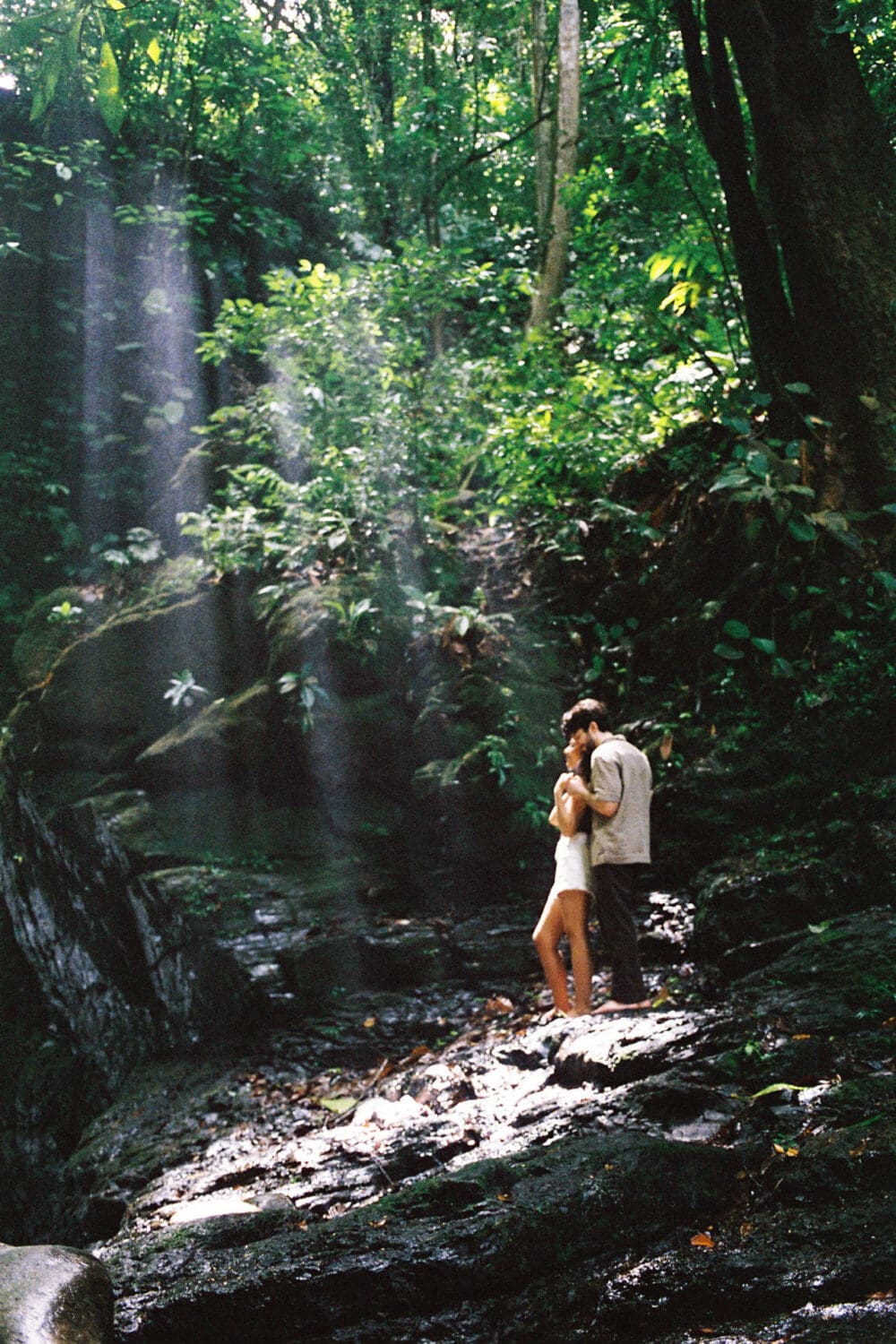
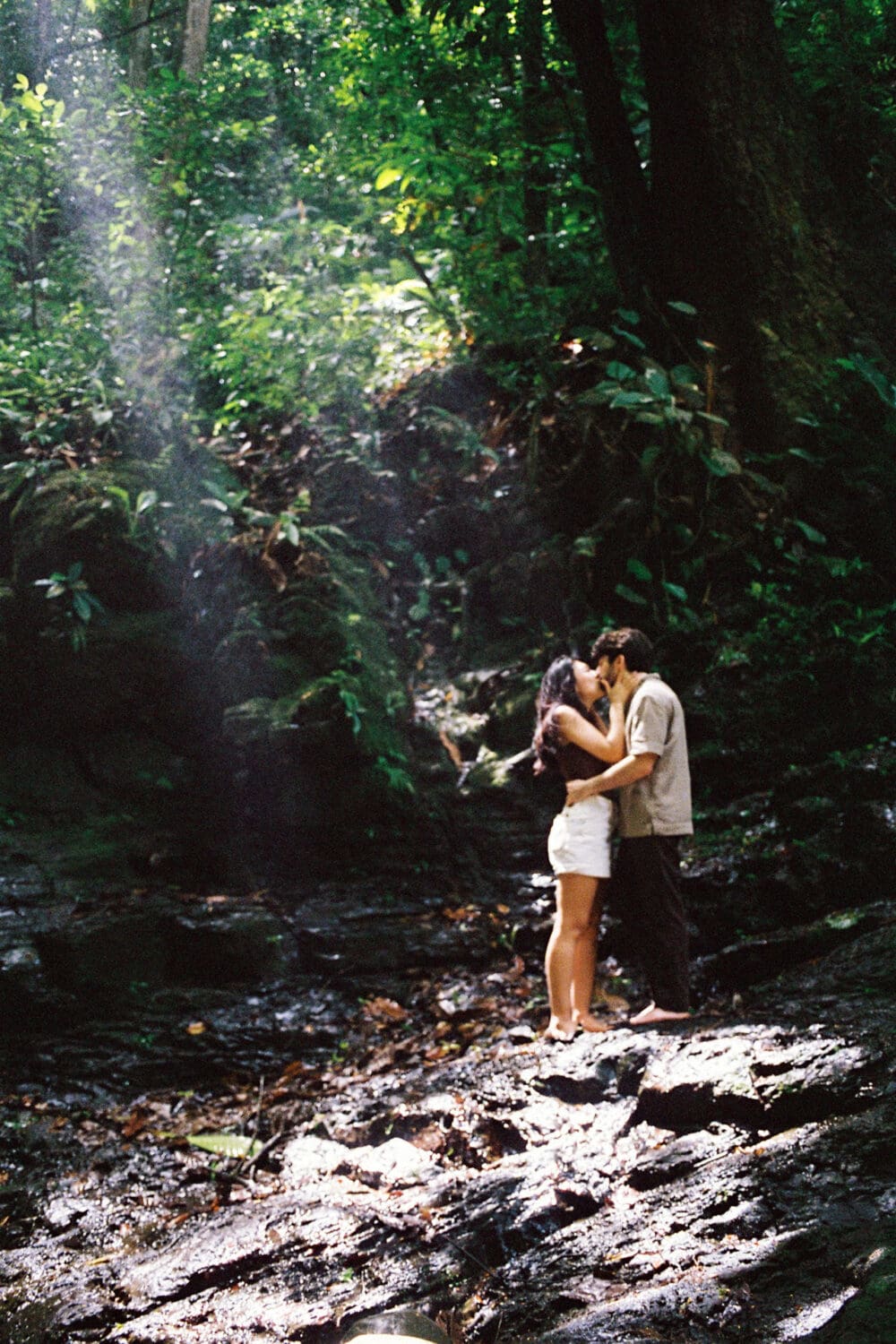
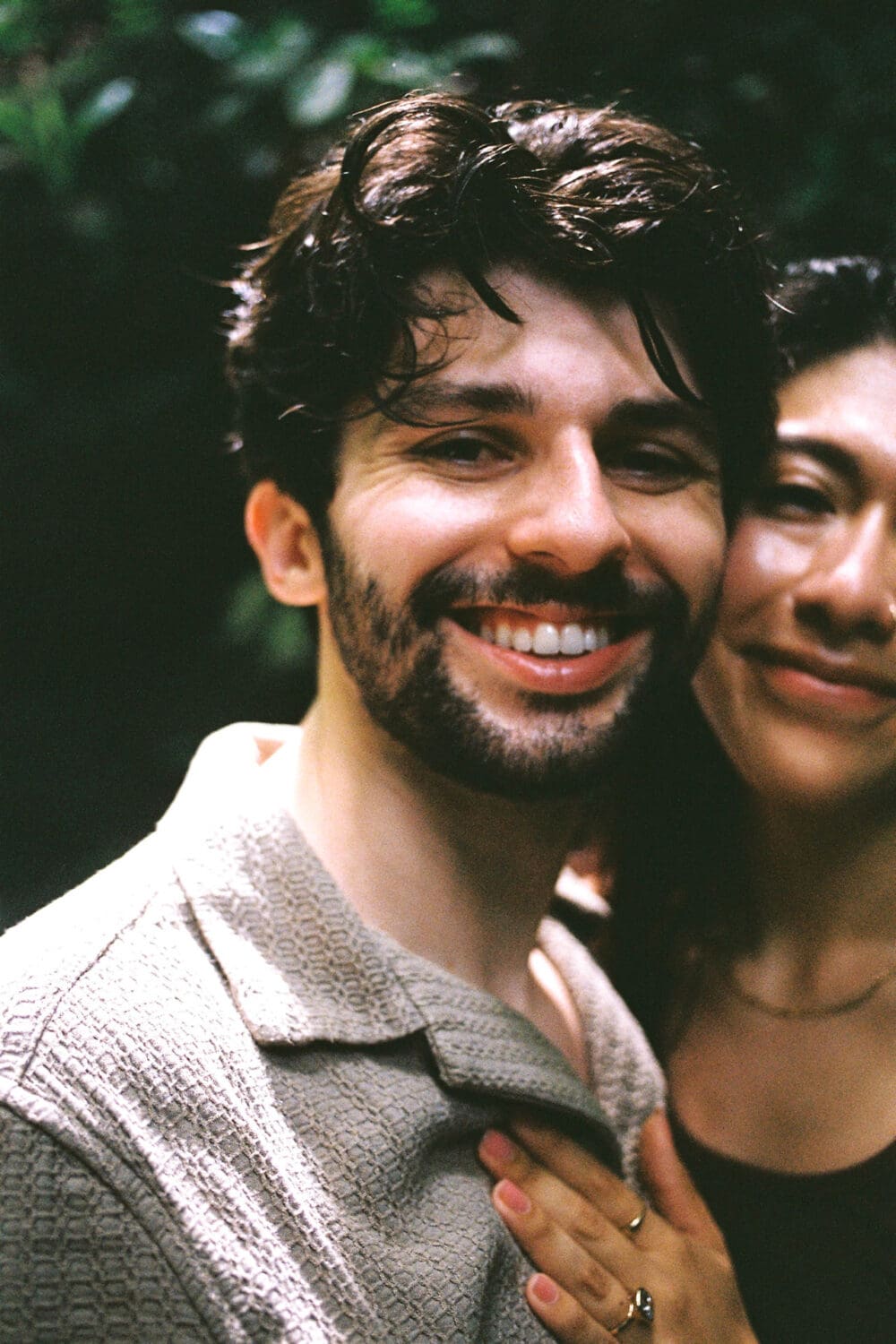
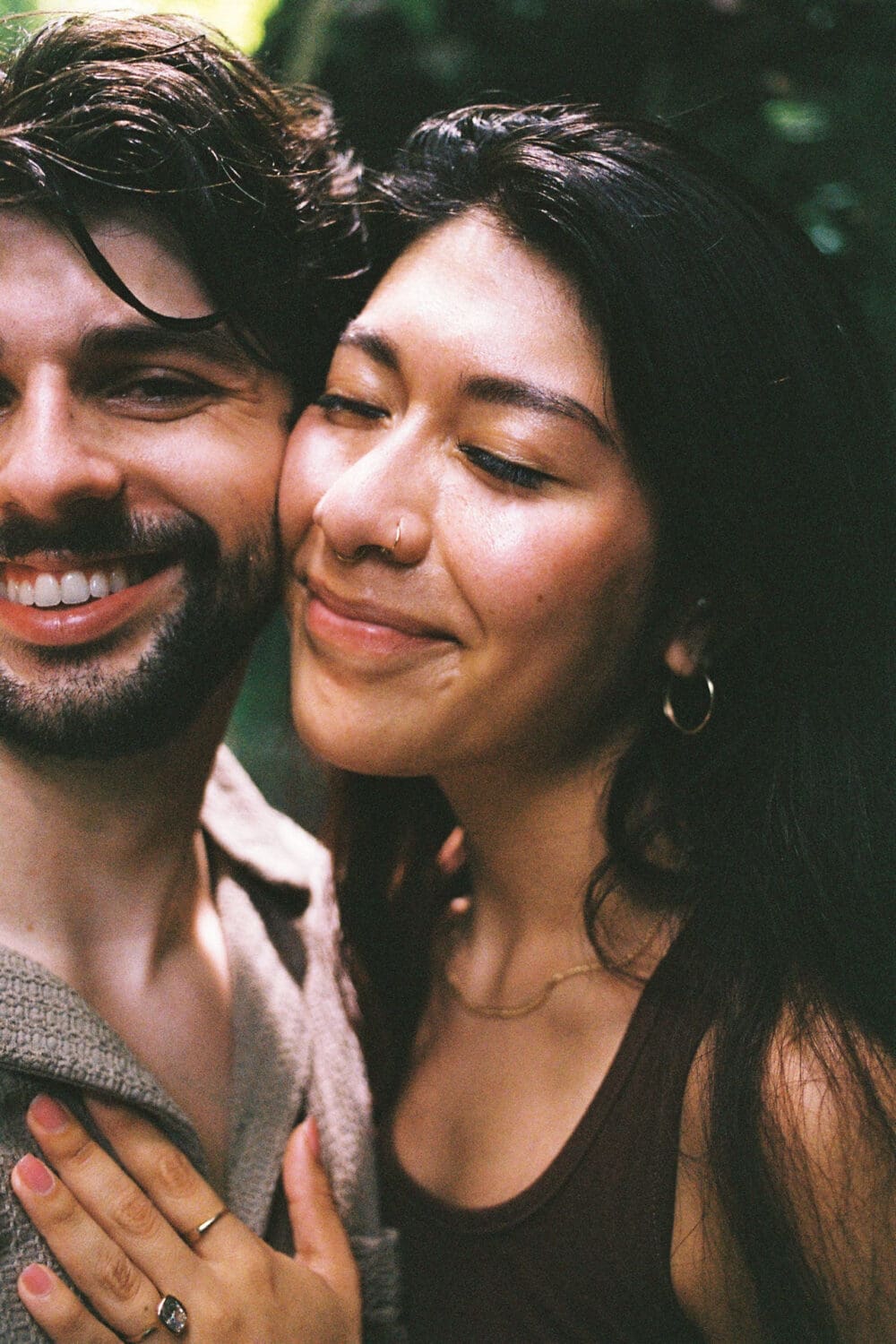
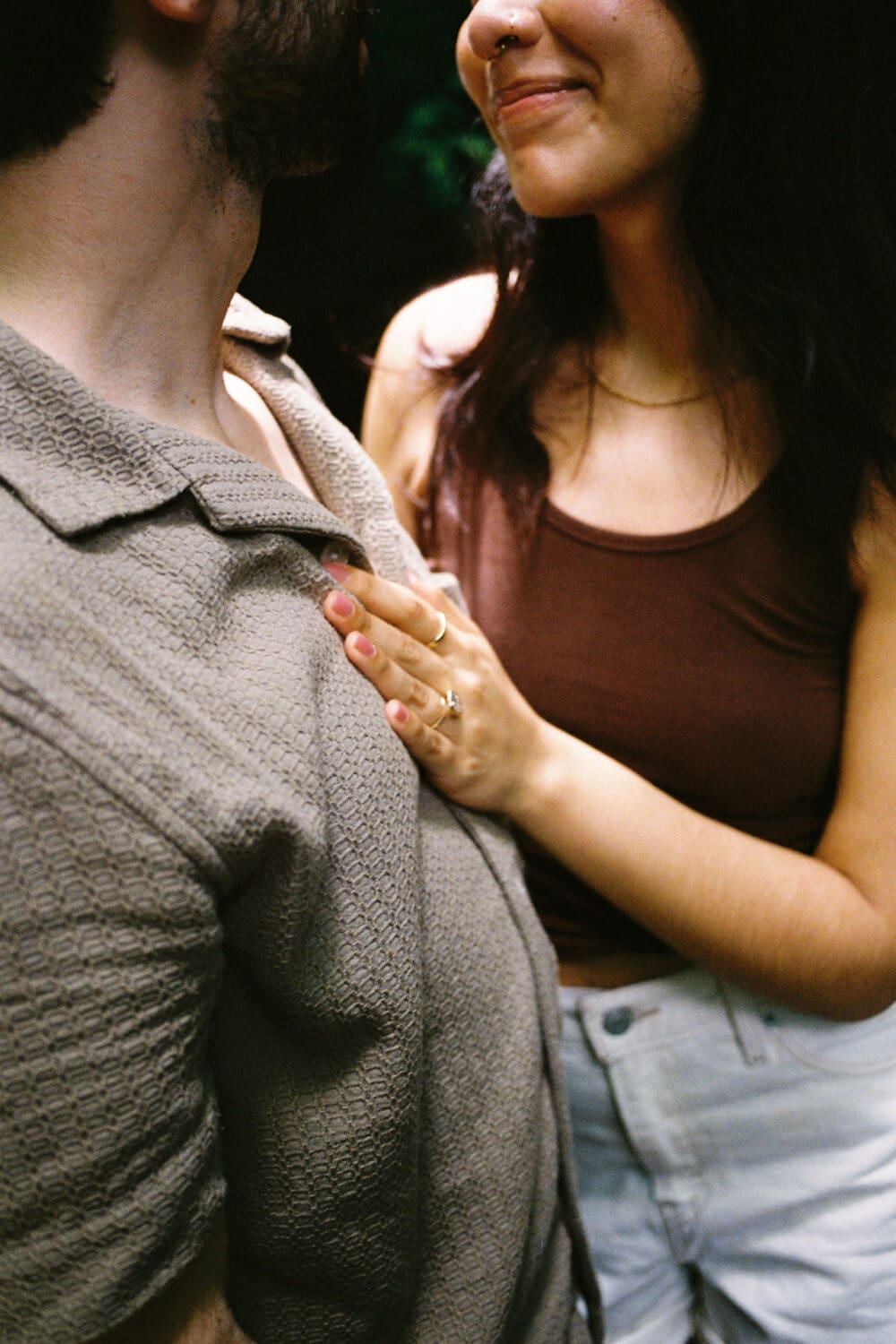
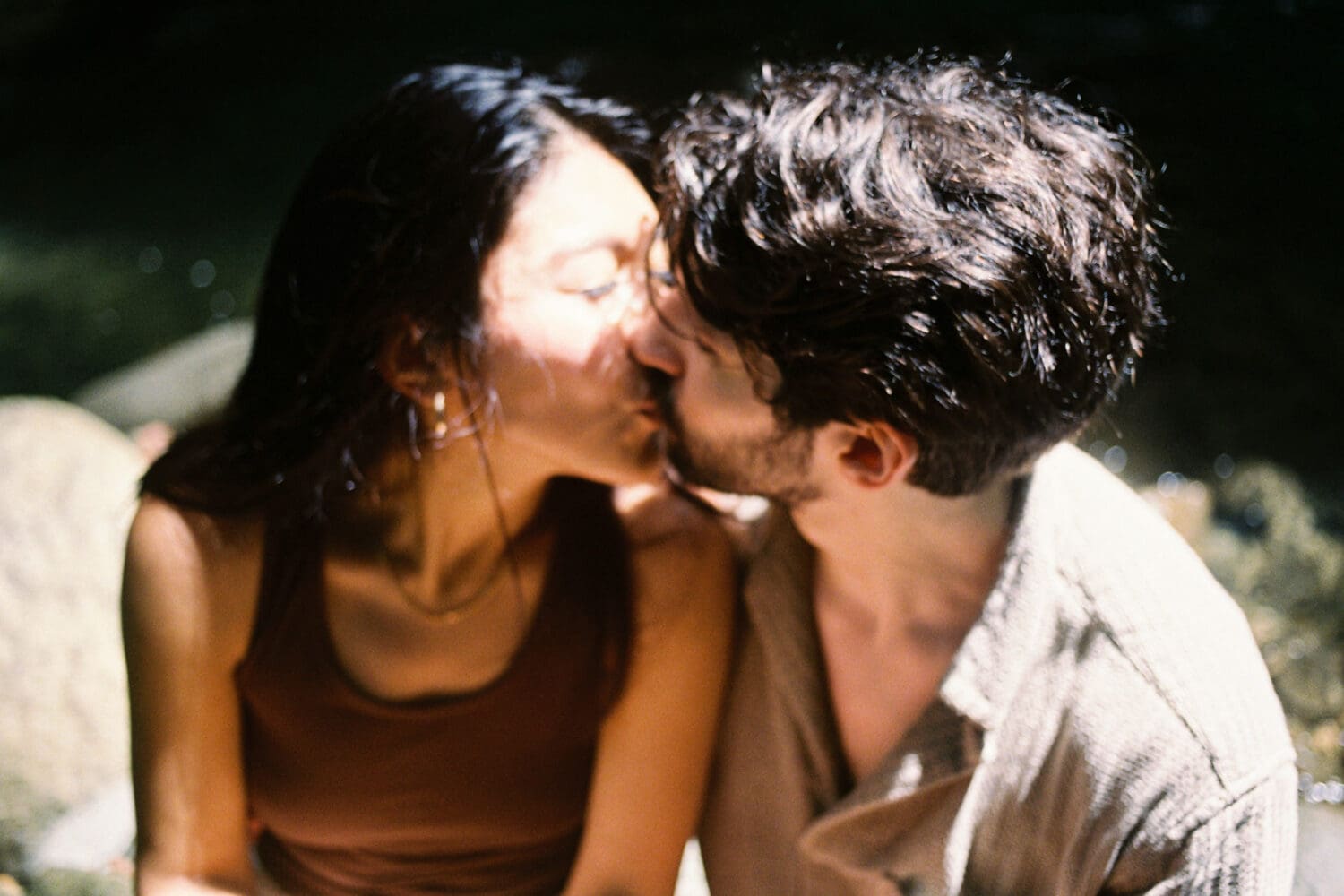
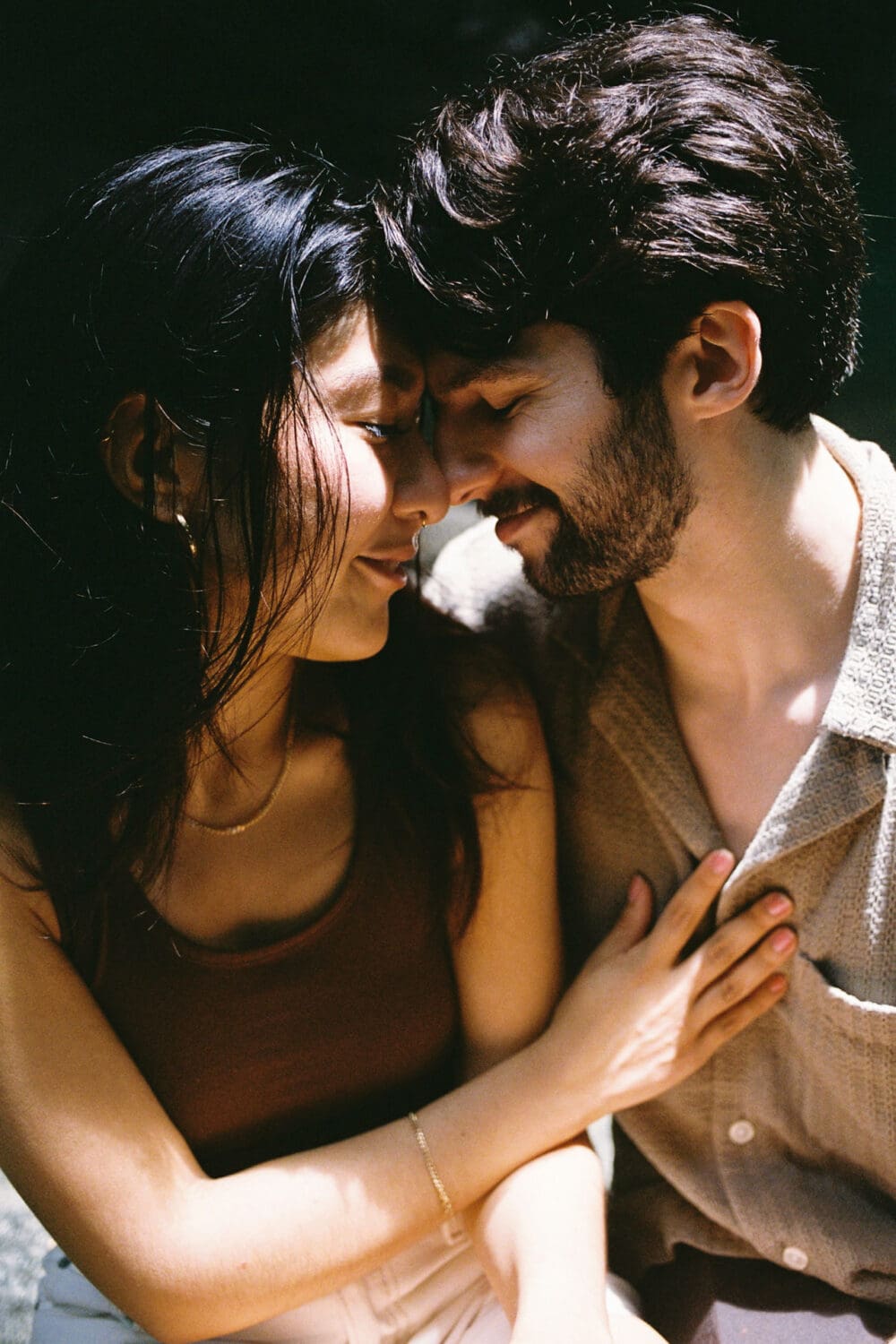
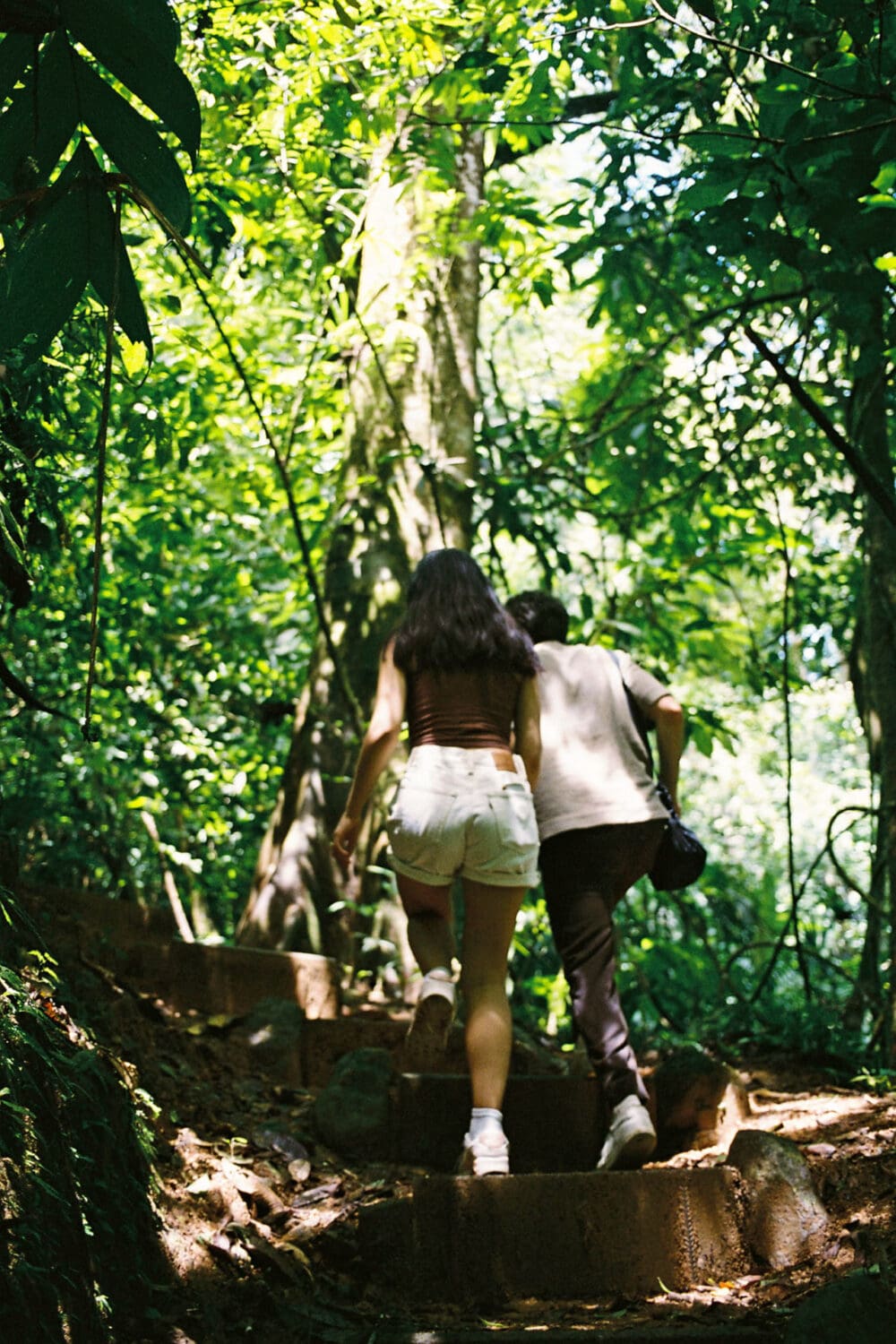
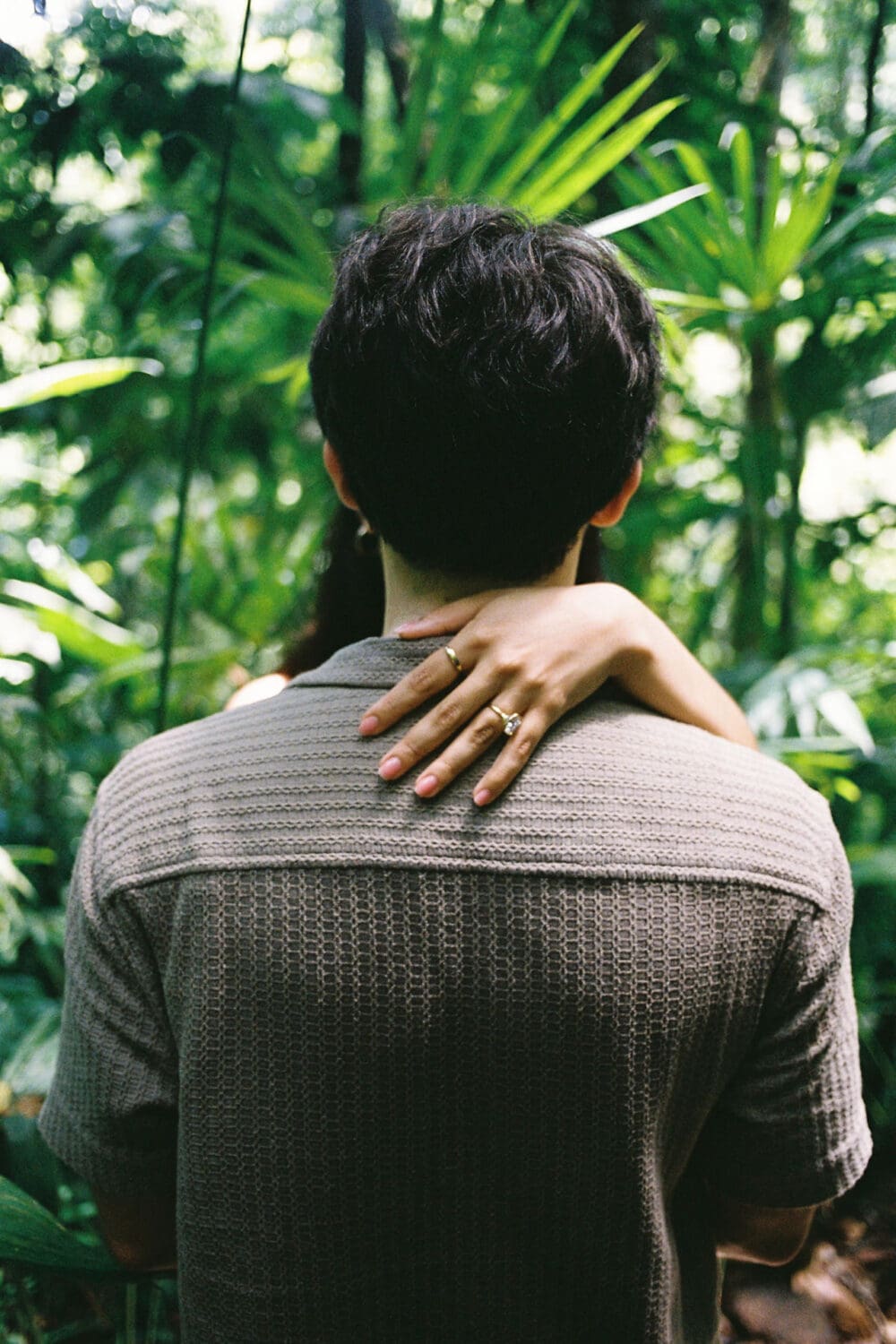
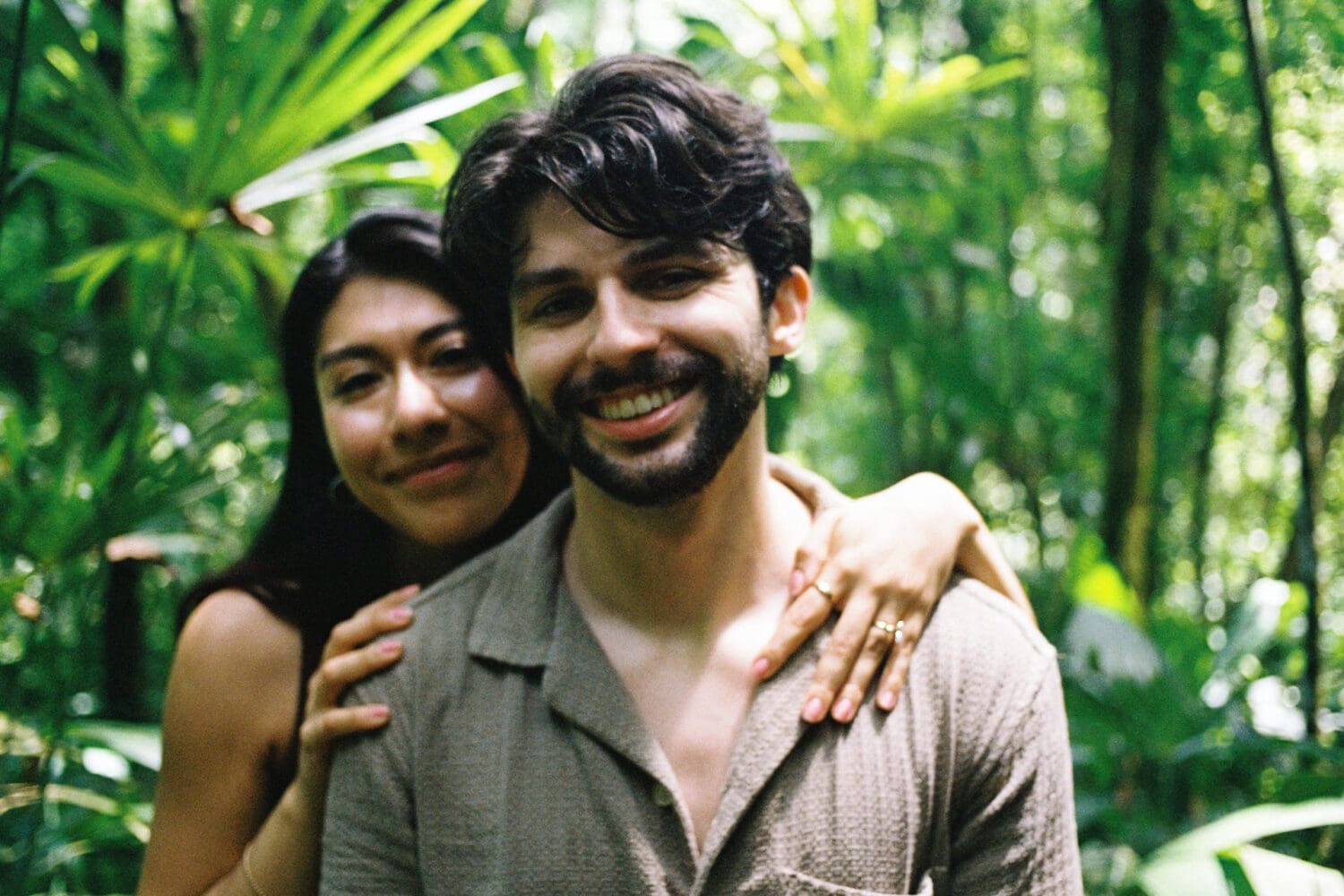
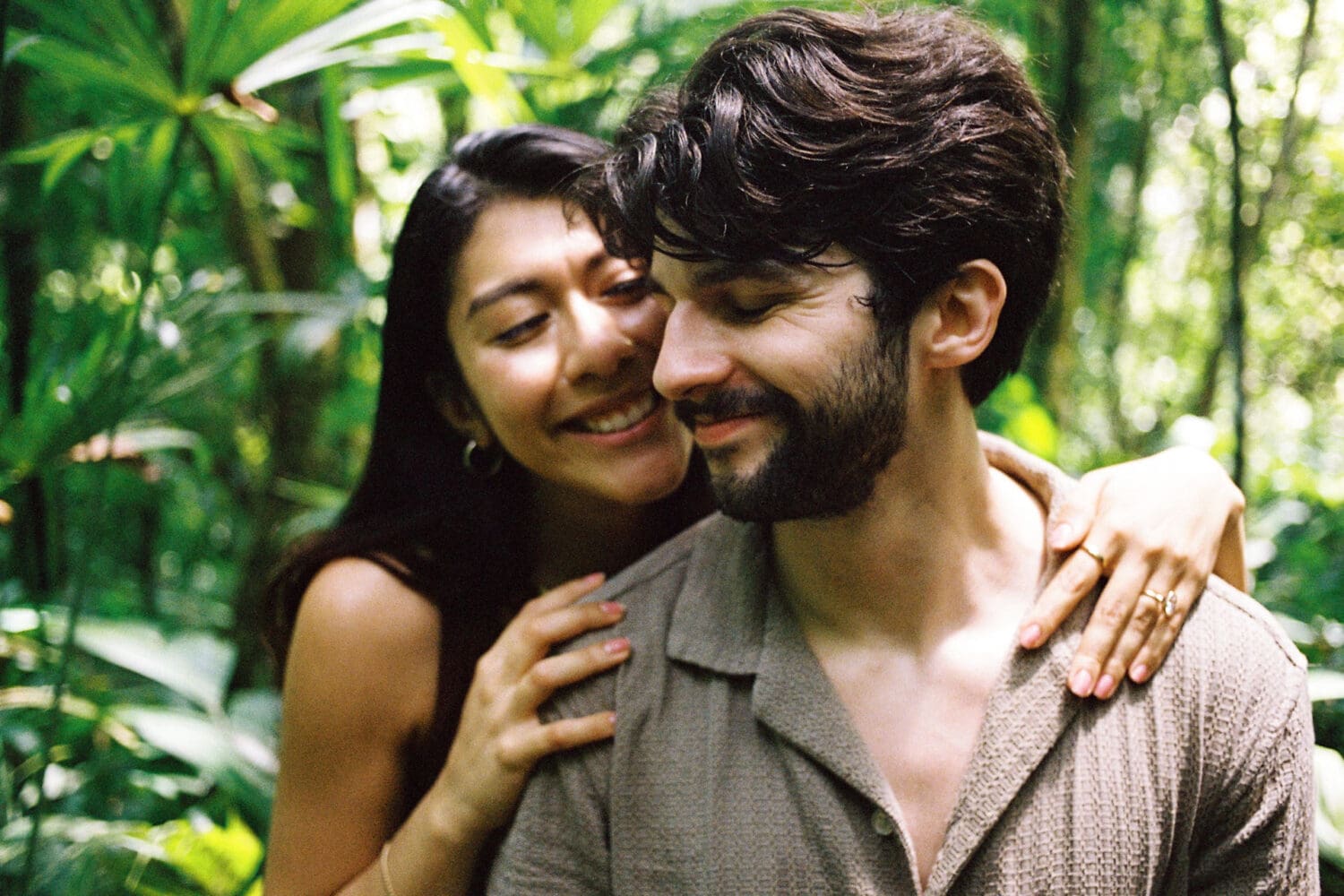
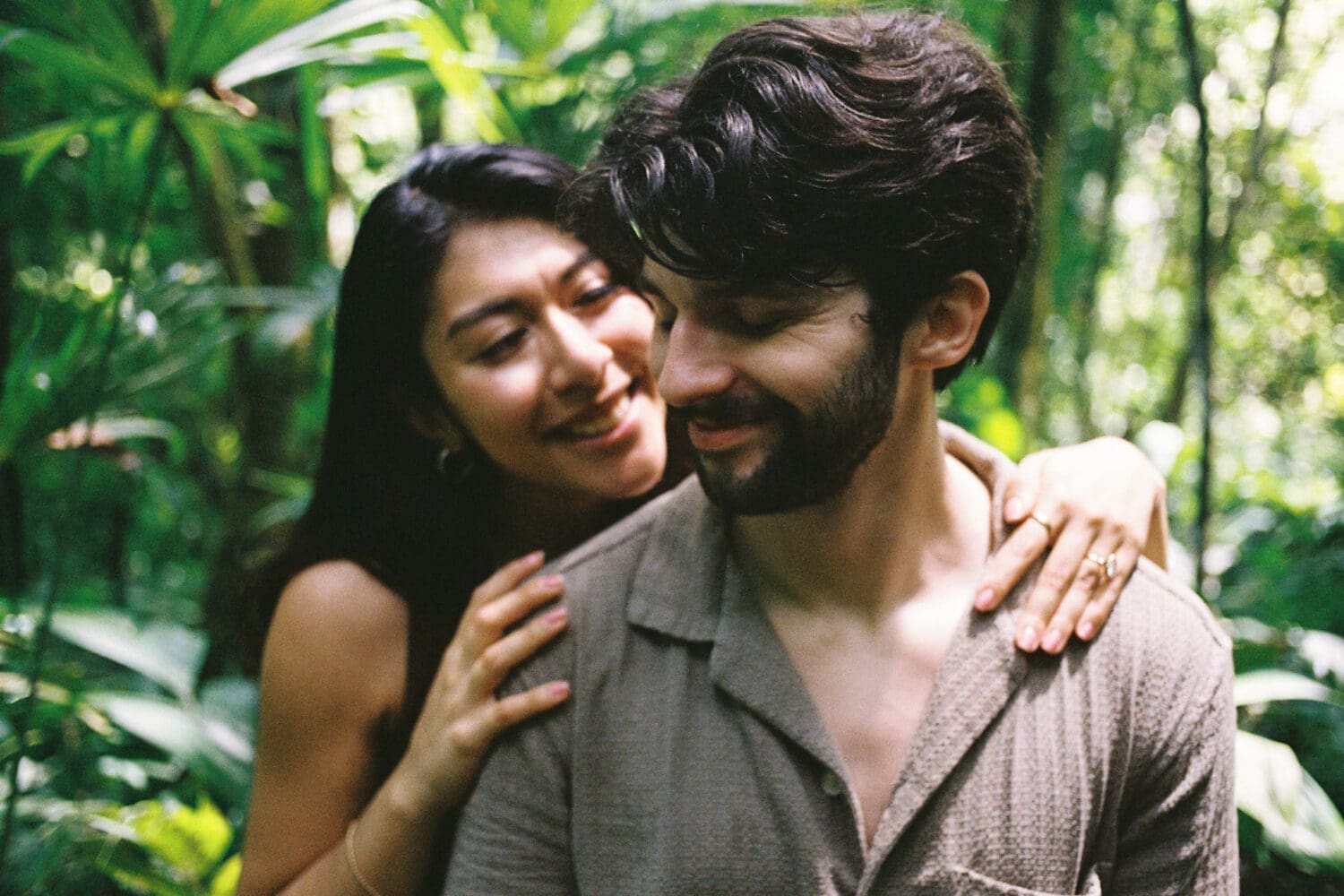
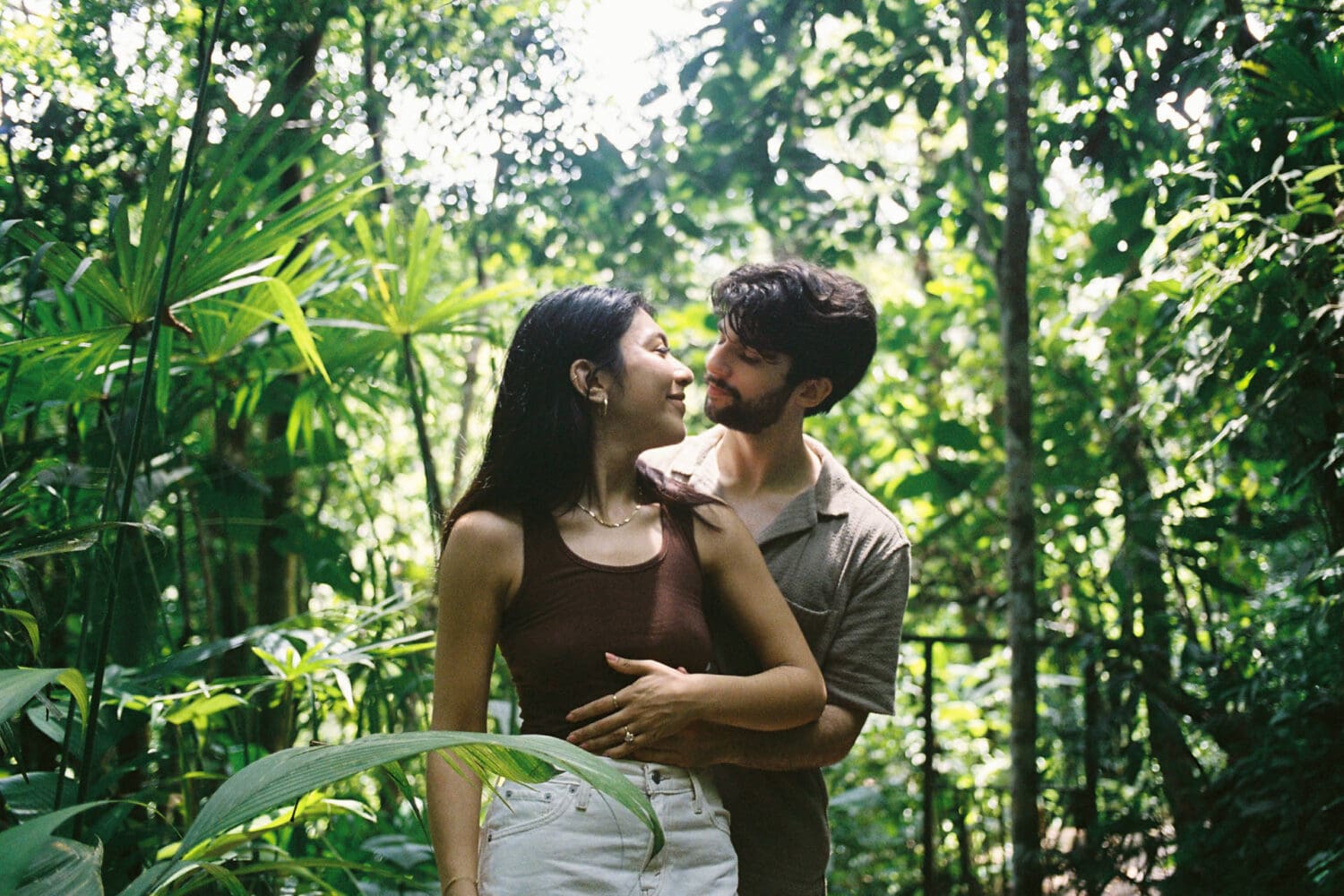
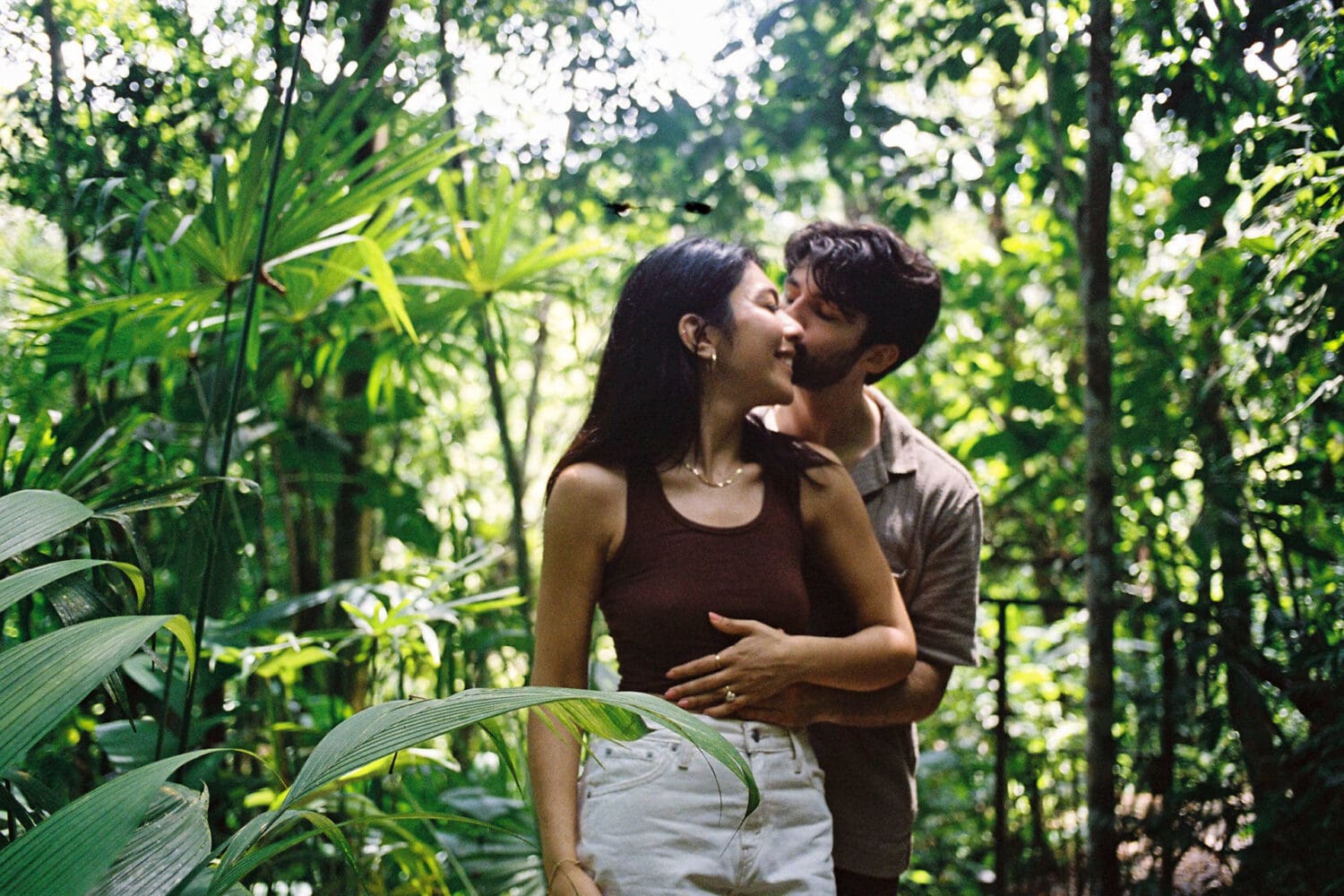
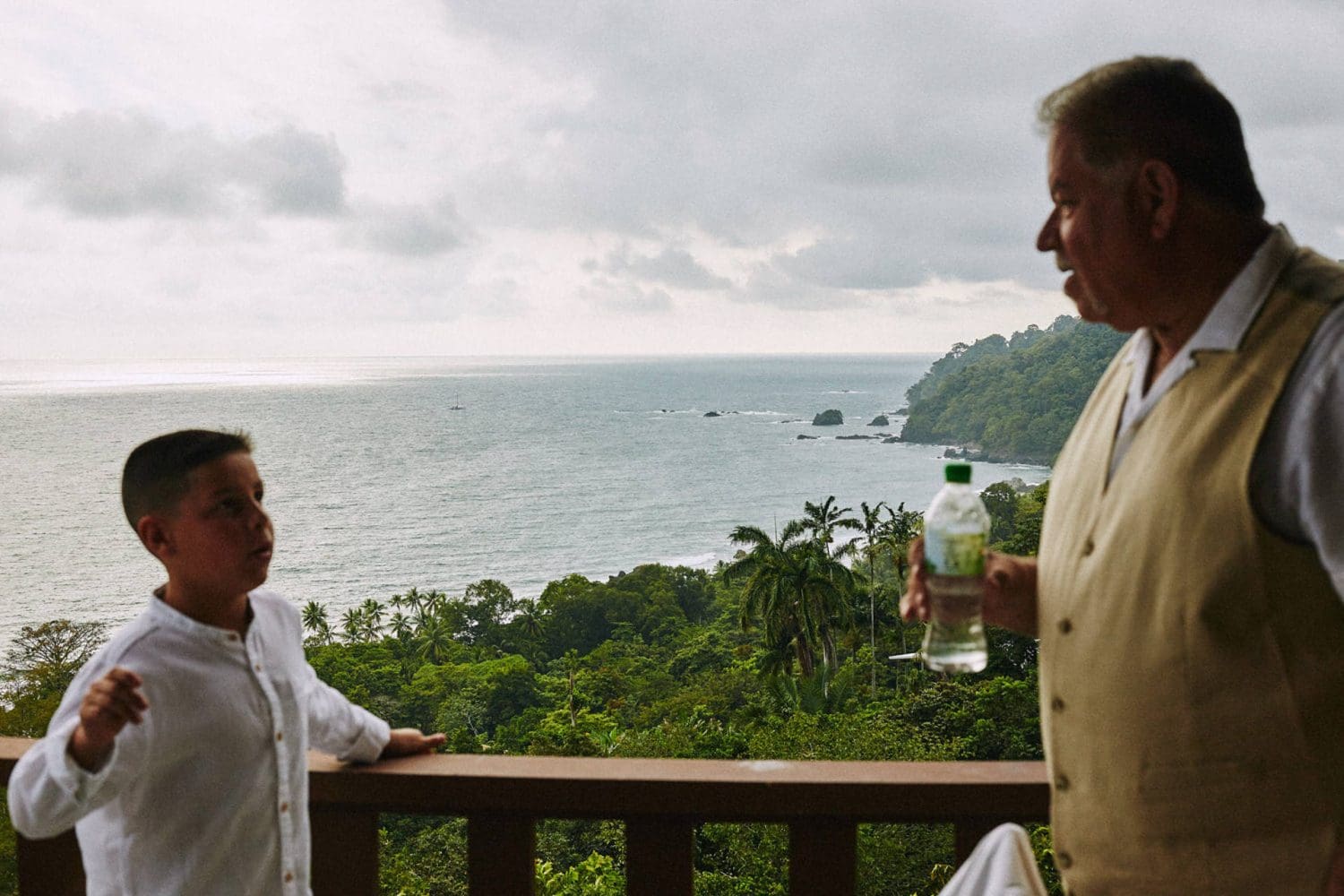
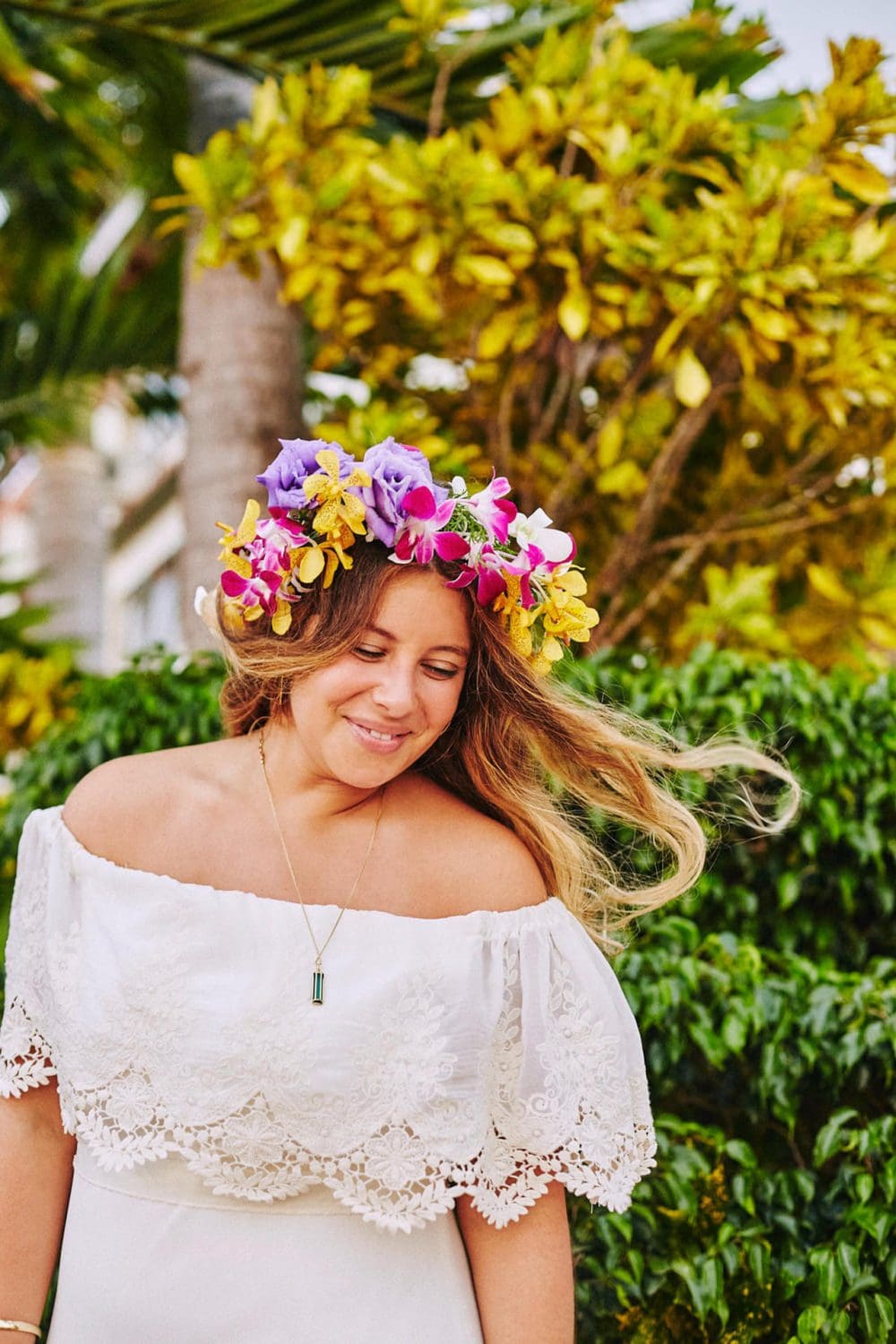
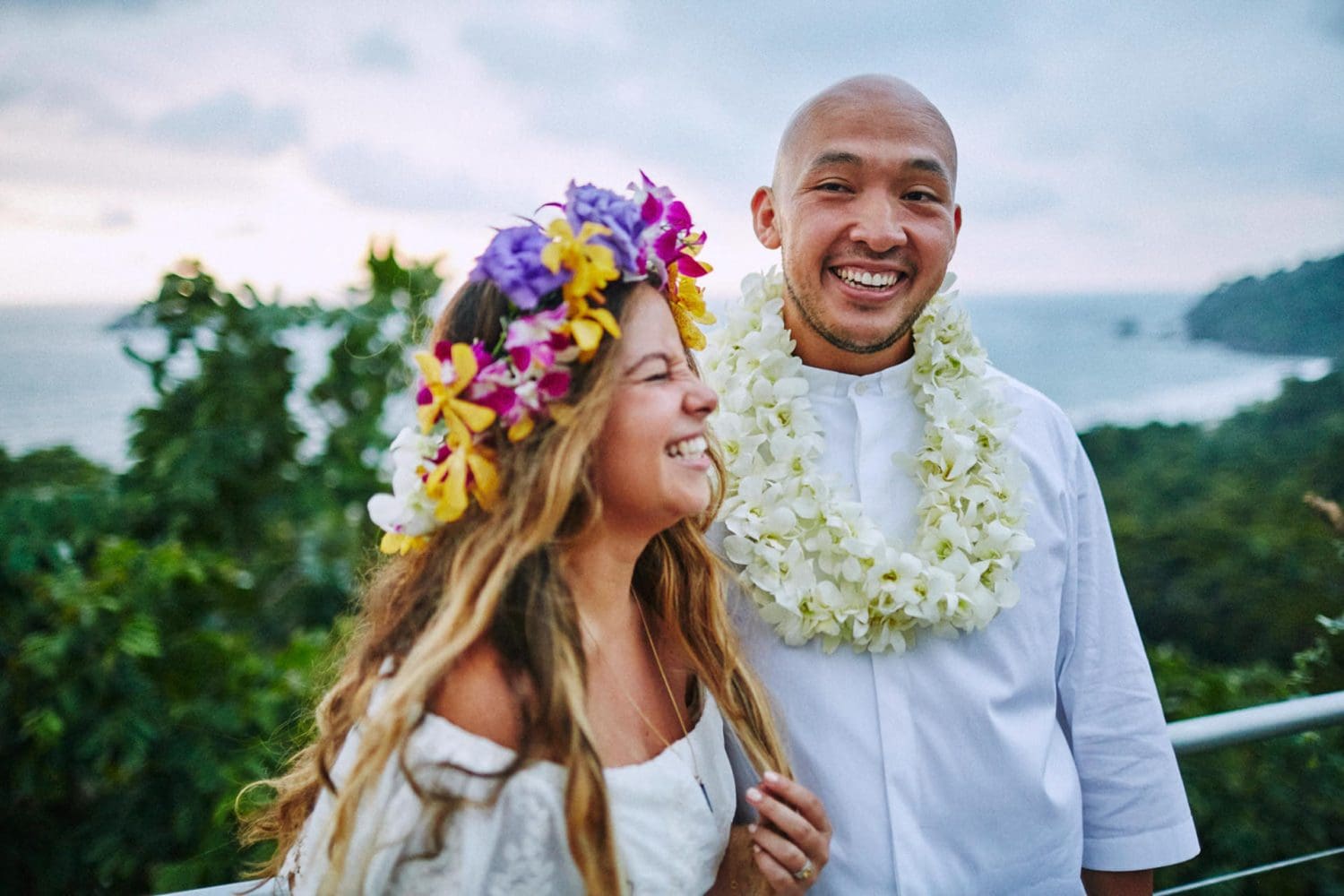
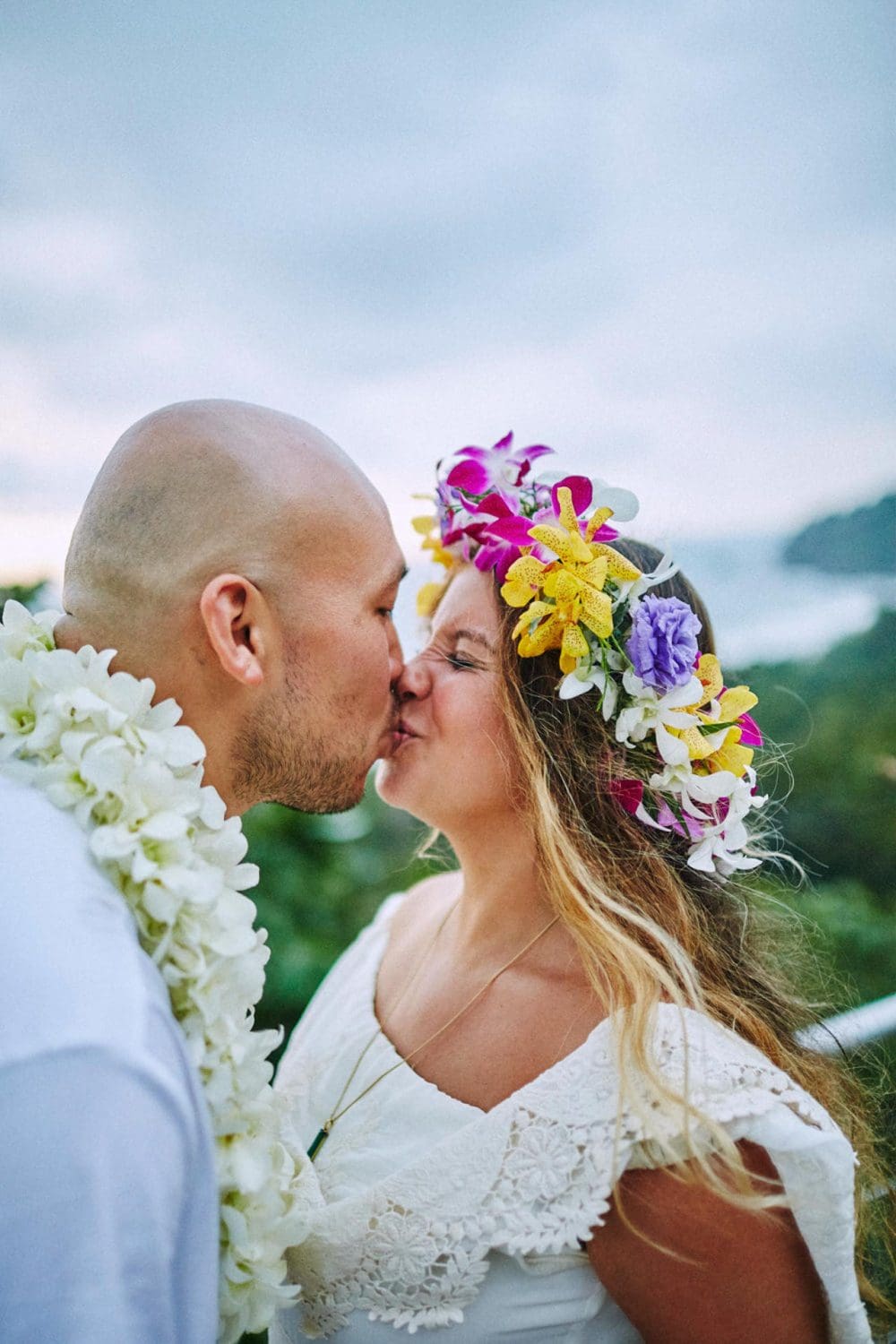
An Osa Peninsula elopement La Jungla del Jaguar was exactly what Rebecca and Pascal wanted: just the two of them, surrounded by rainforest, far enough from civilization that getting there was part of the experience.

The wedding at a glance

  • Couple: Rebecca and Pascal
  • Venue: La Jungla del Jaguar, Osa Peninsula, near Corcovado
  • Guests: None, just the two of them
  • Getting there: About an hour and a half by private boat from Sierpe
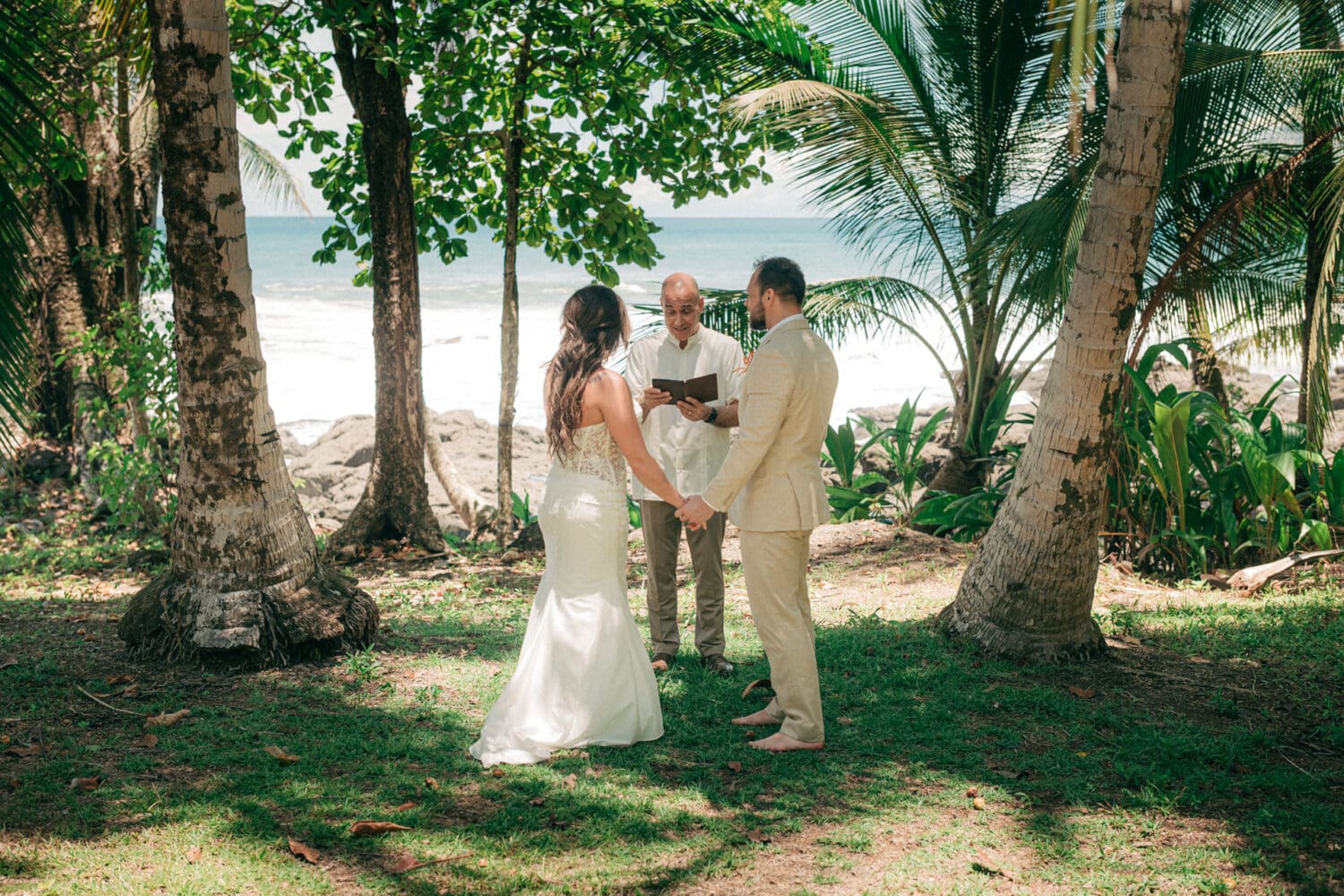
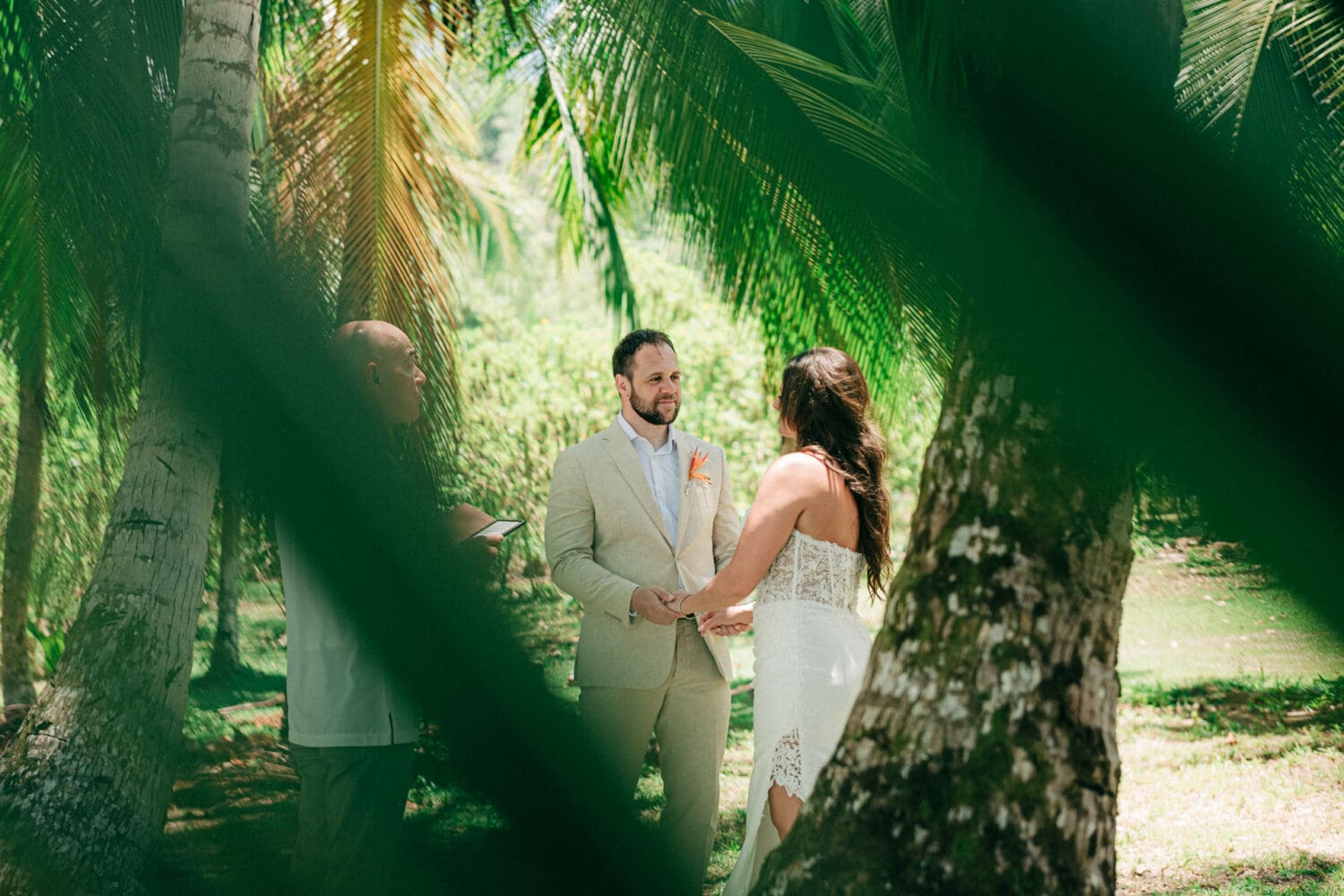
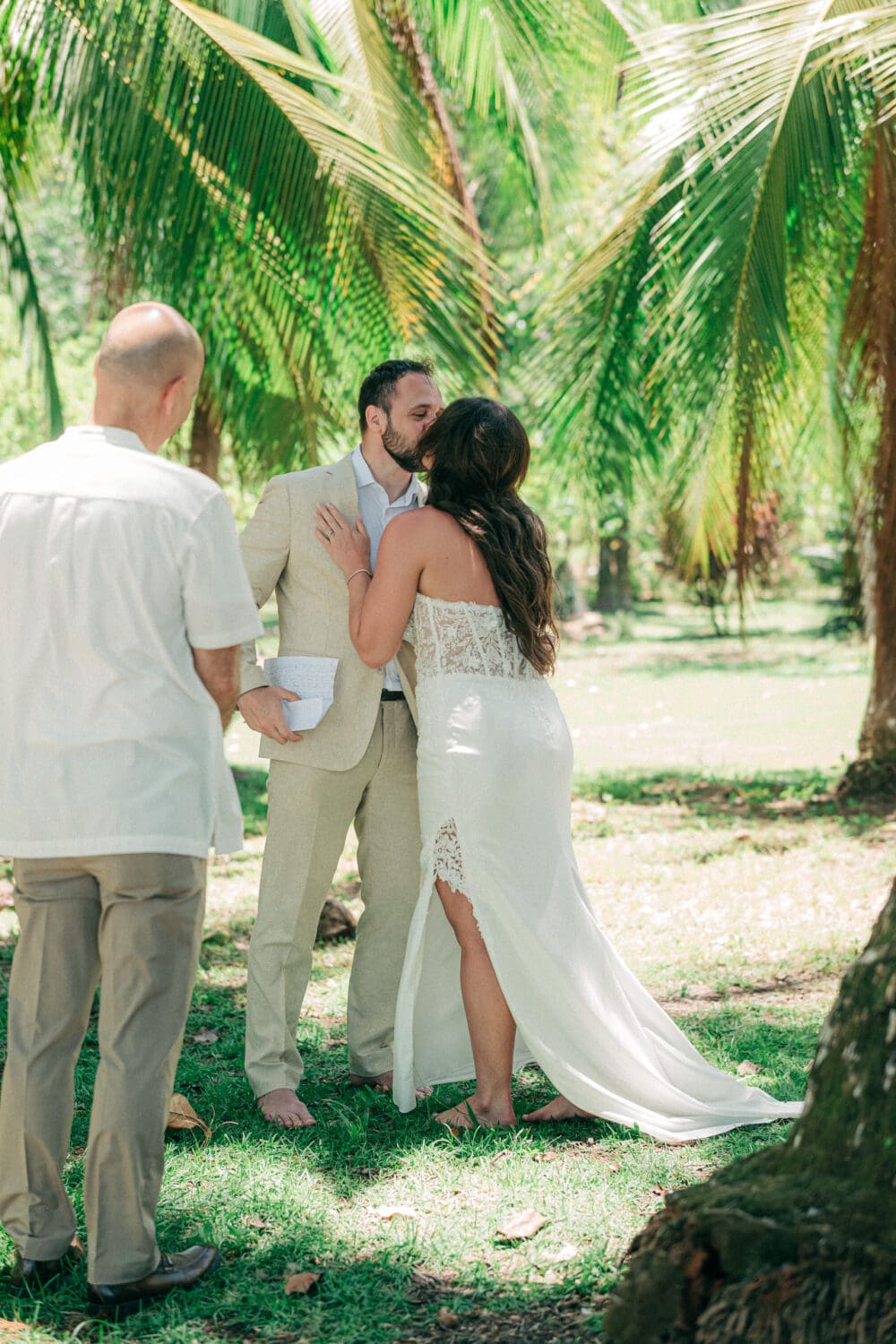
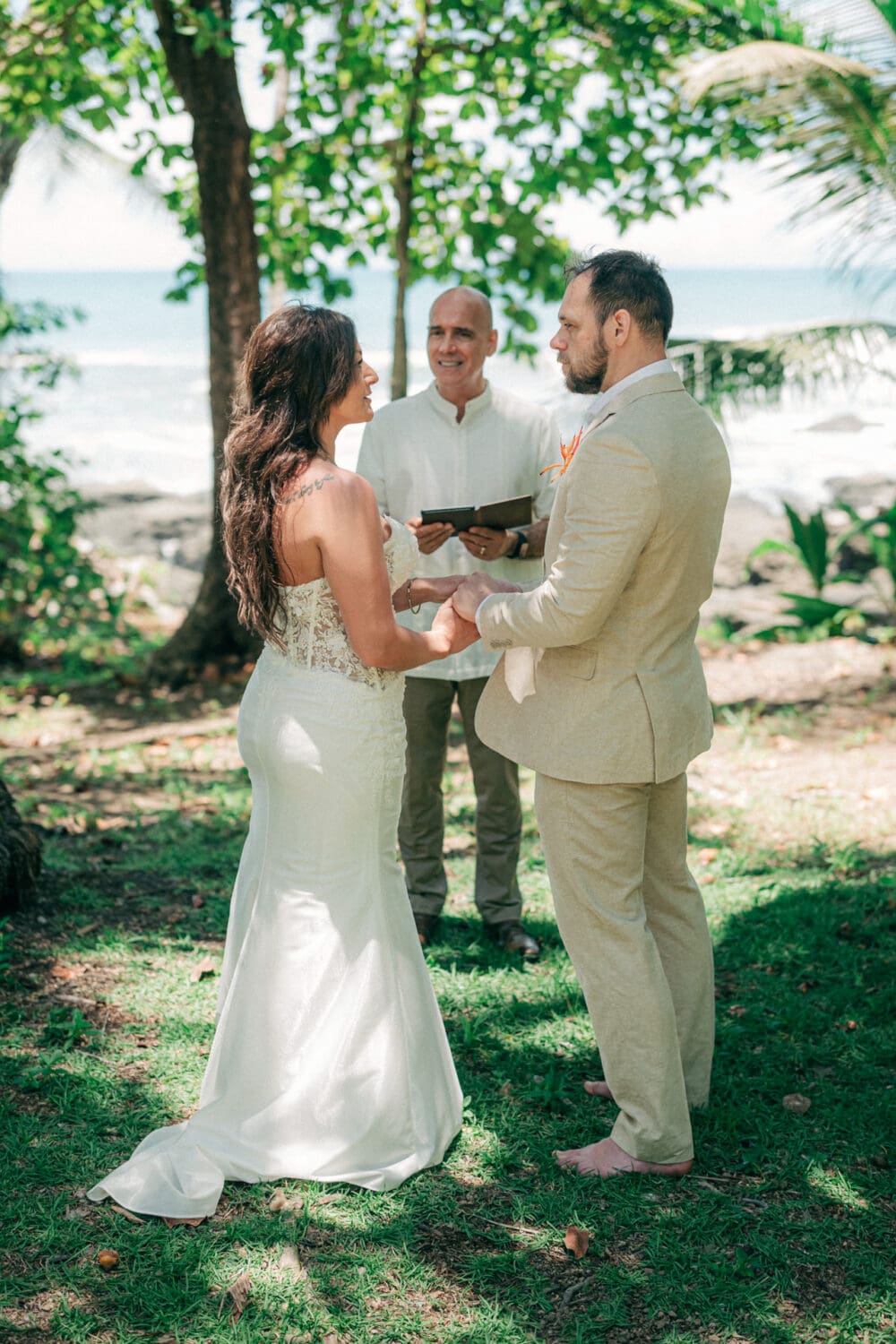
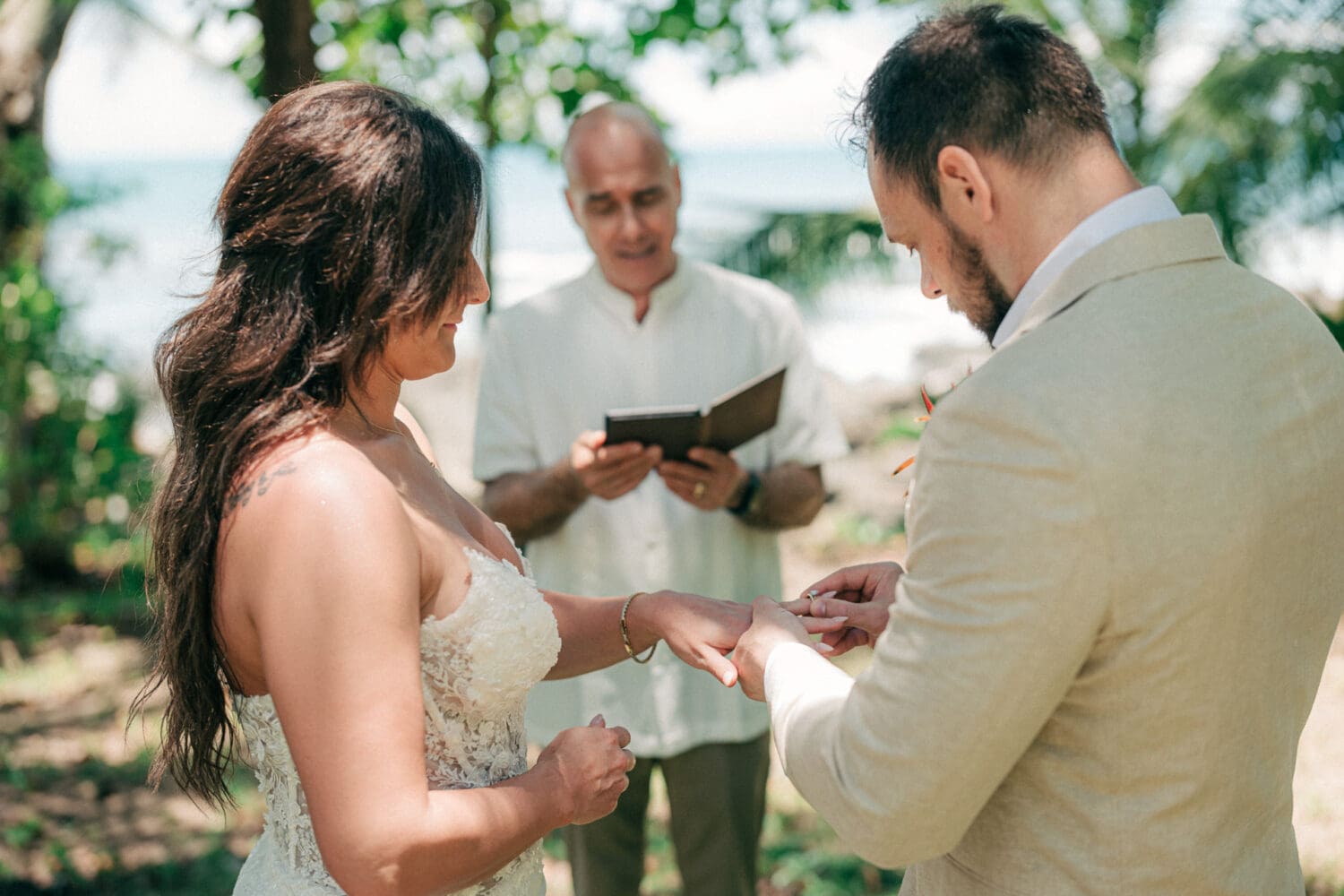
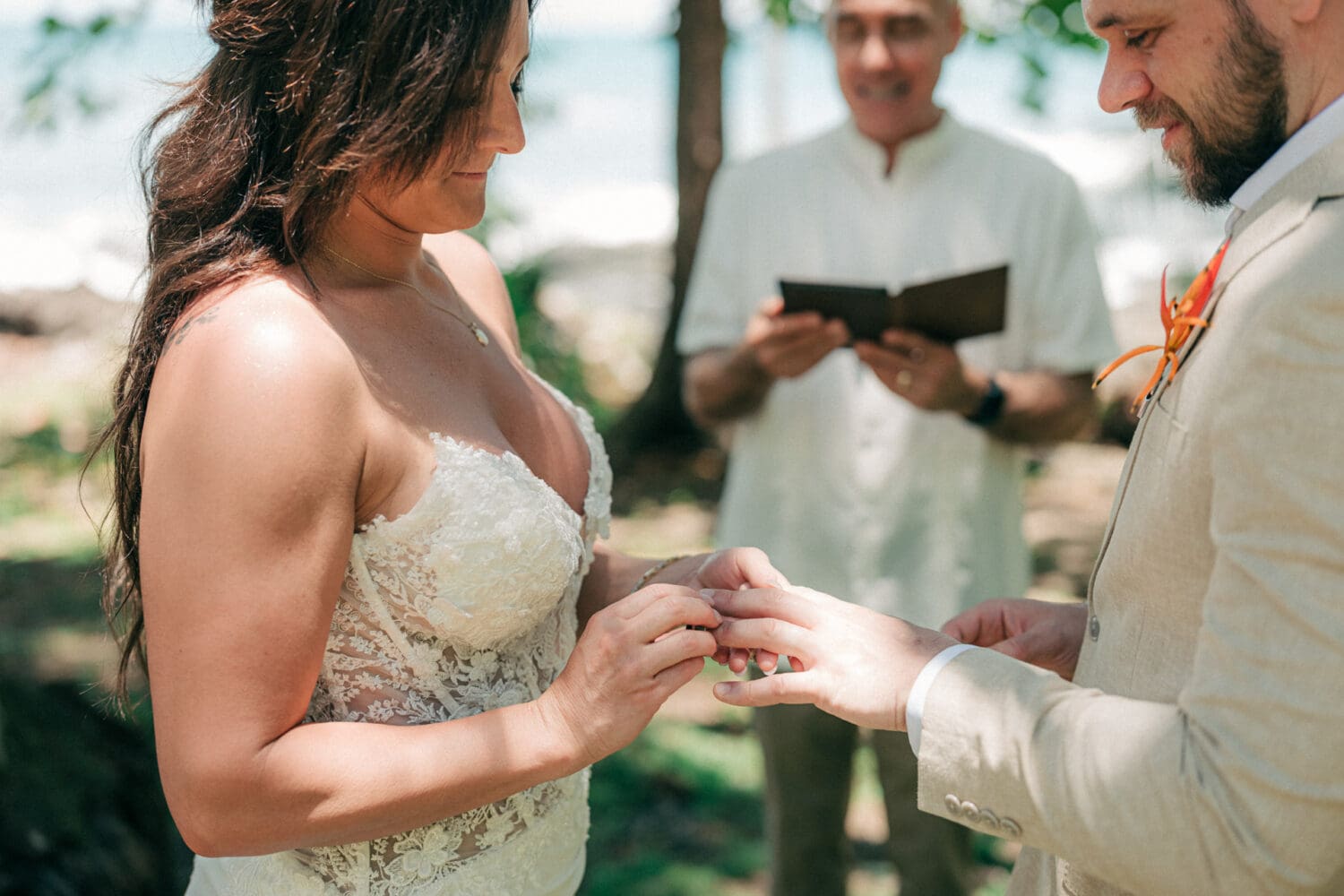
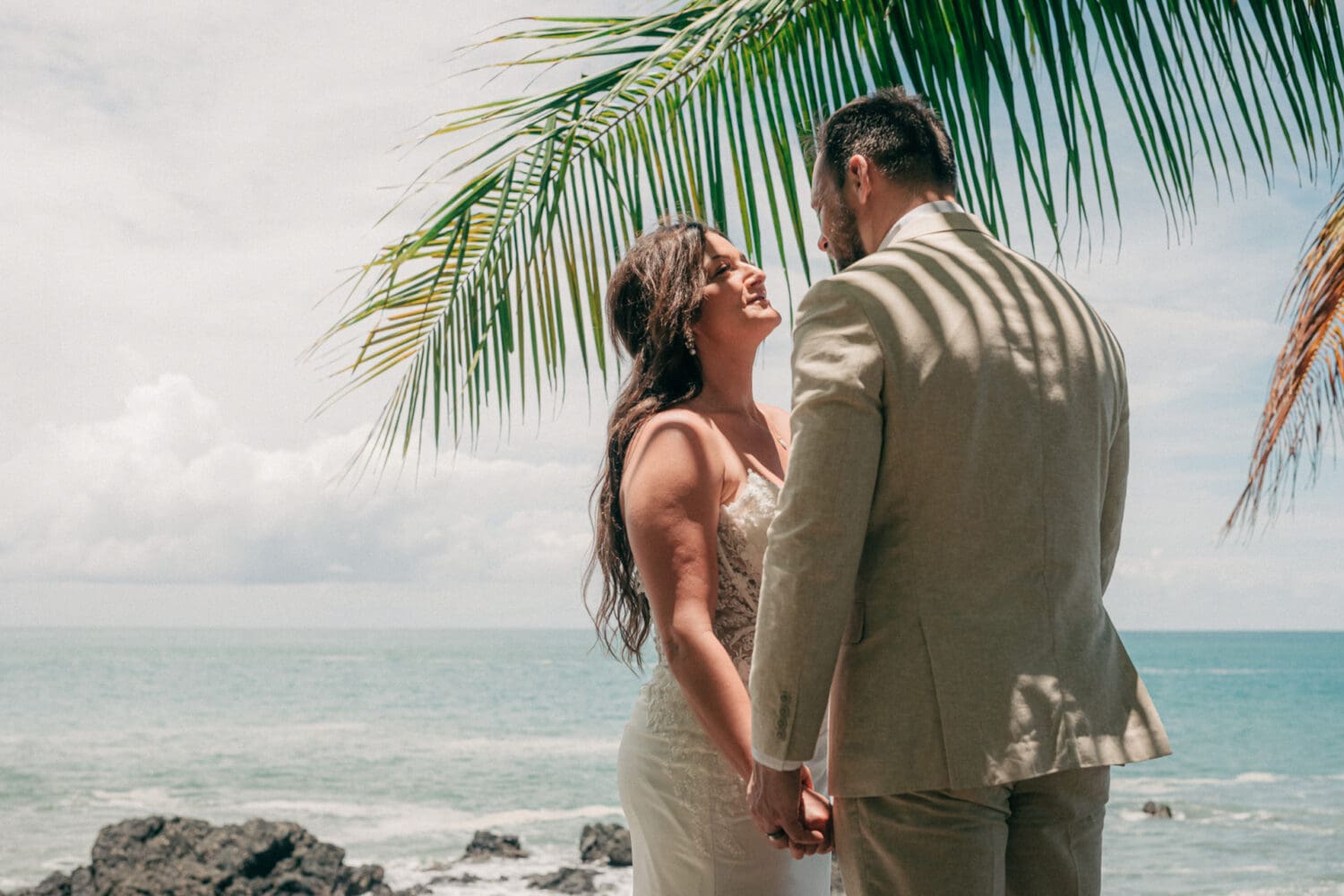
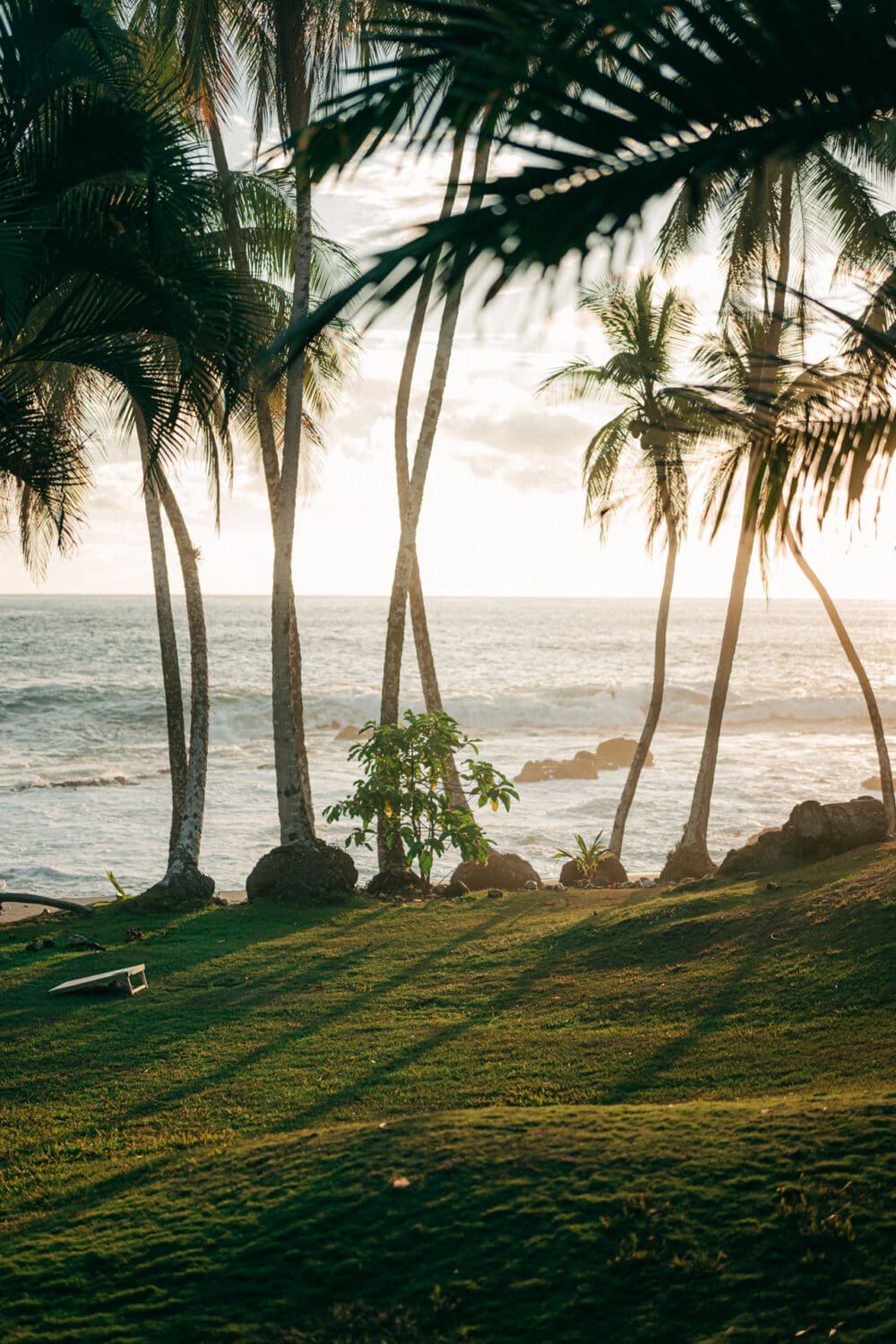
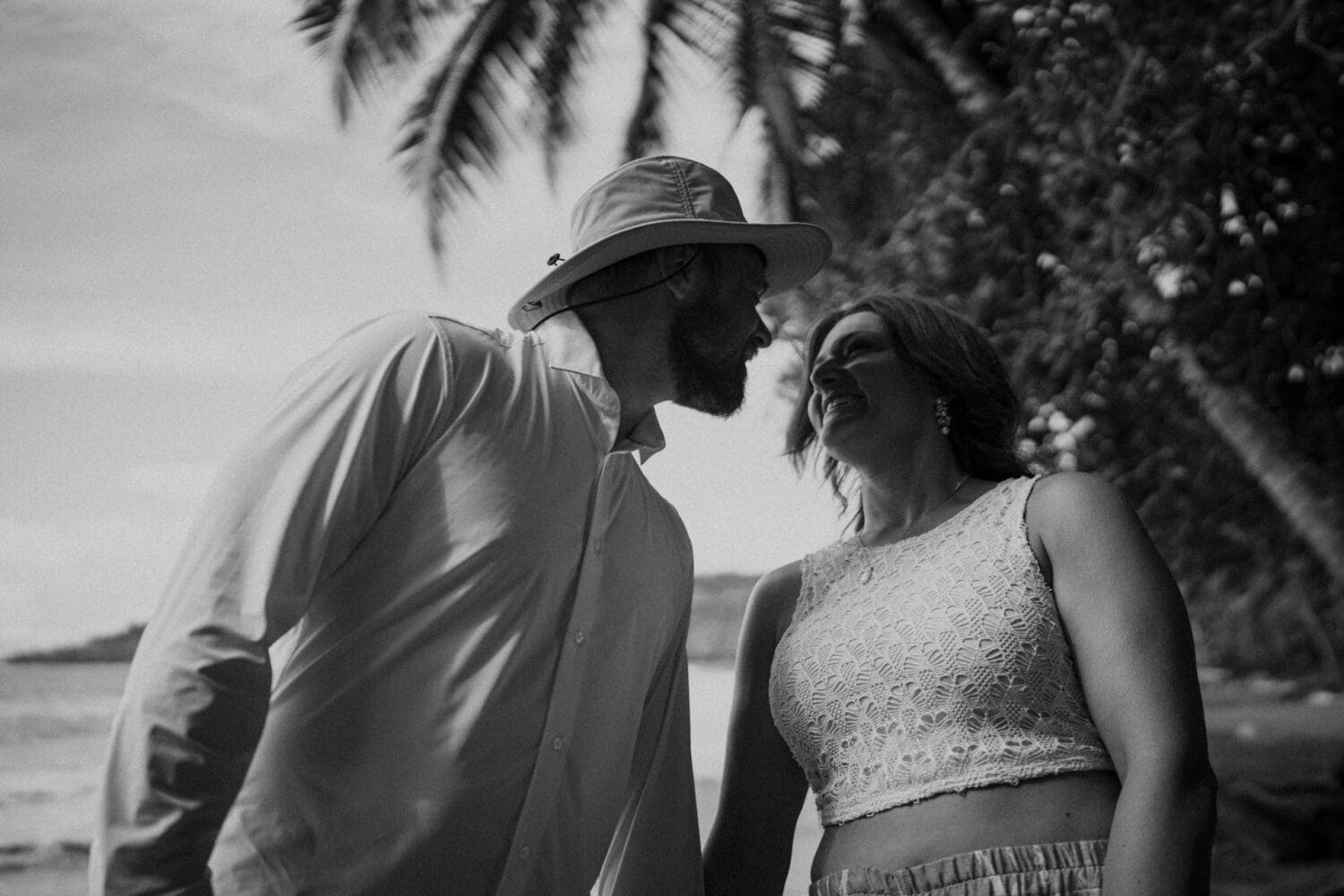
  • Ceremony: Under the palm trees outside their room, with officiant Marcello Galli
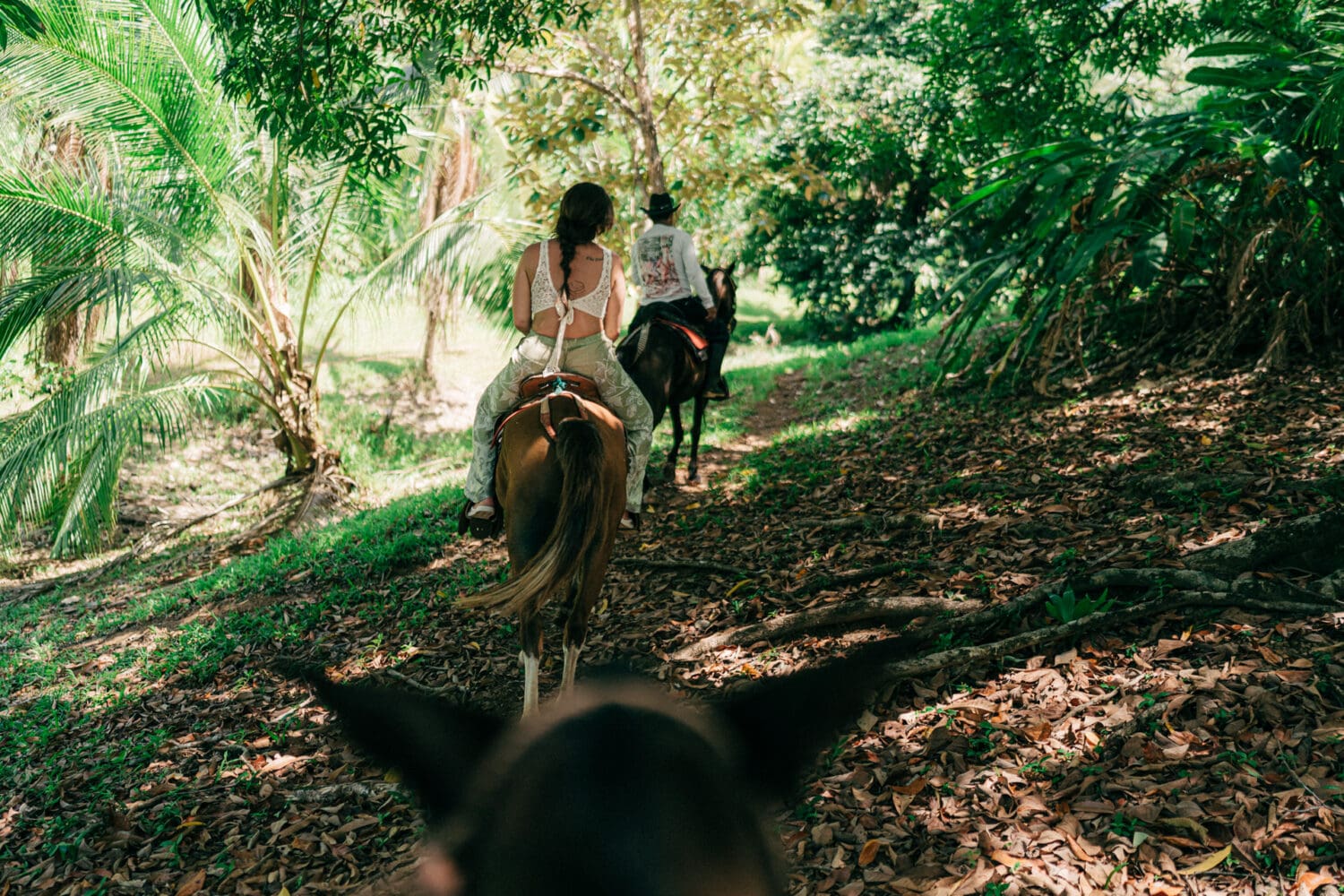
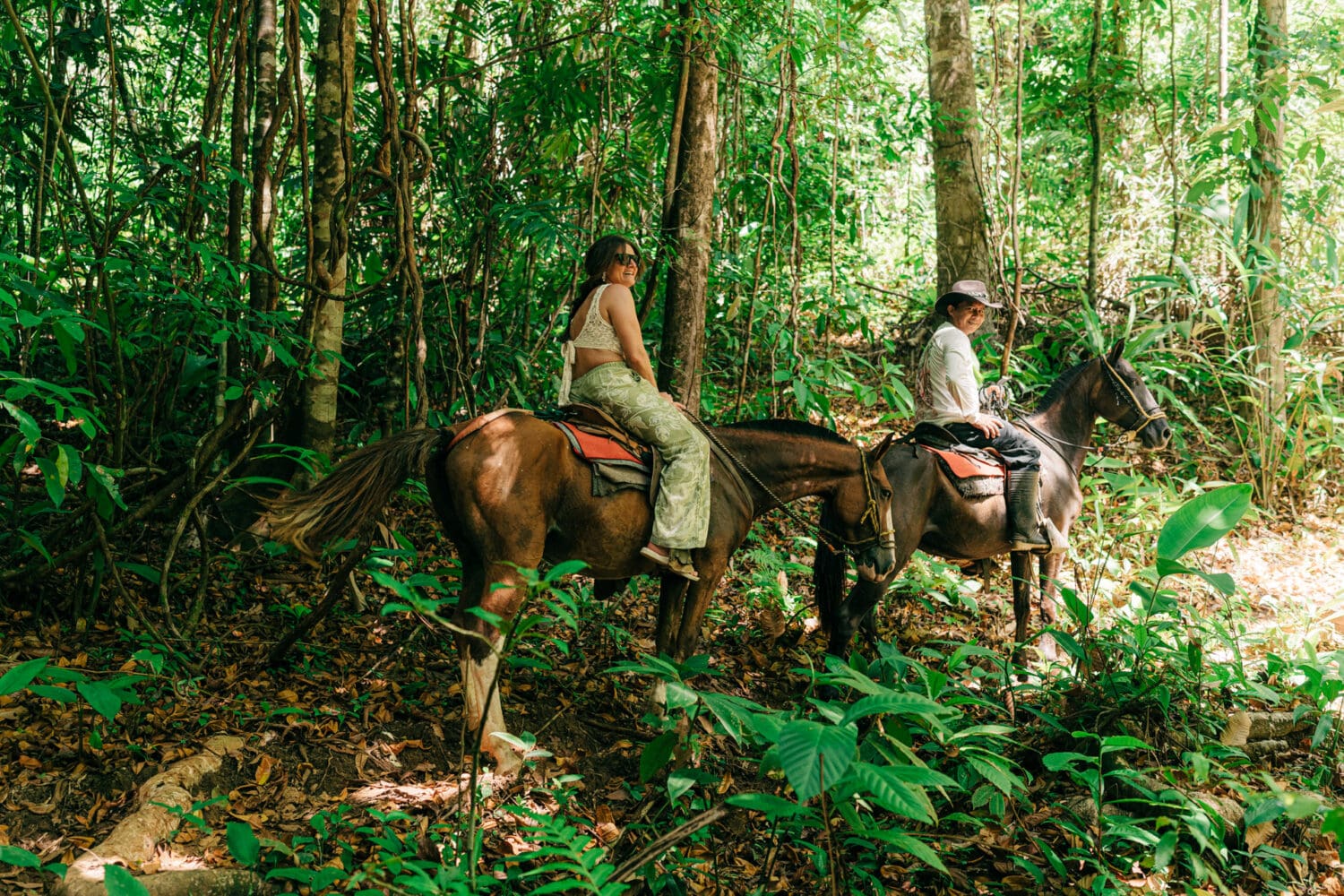
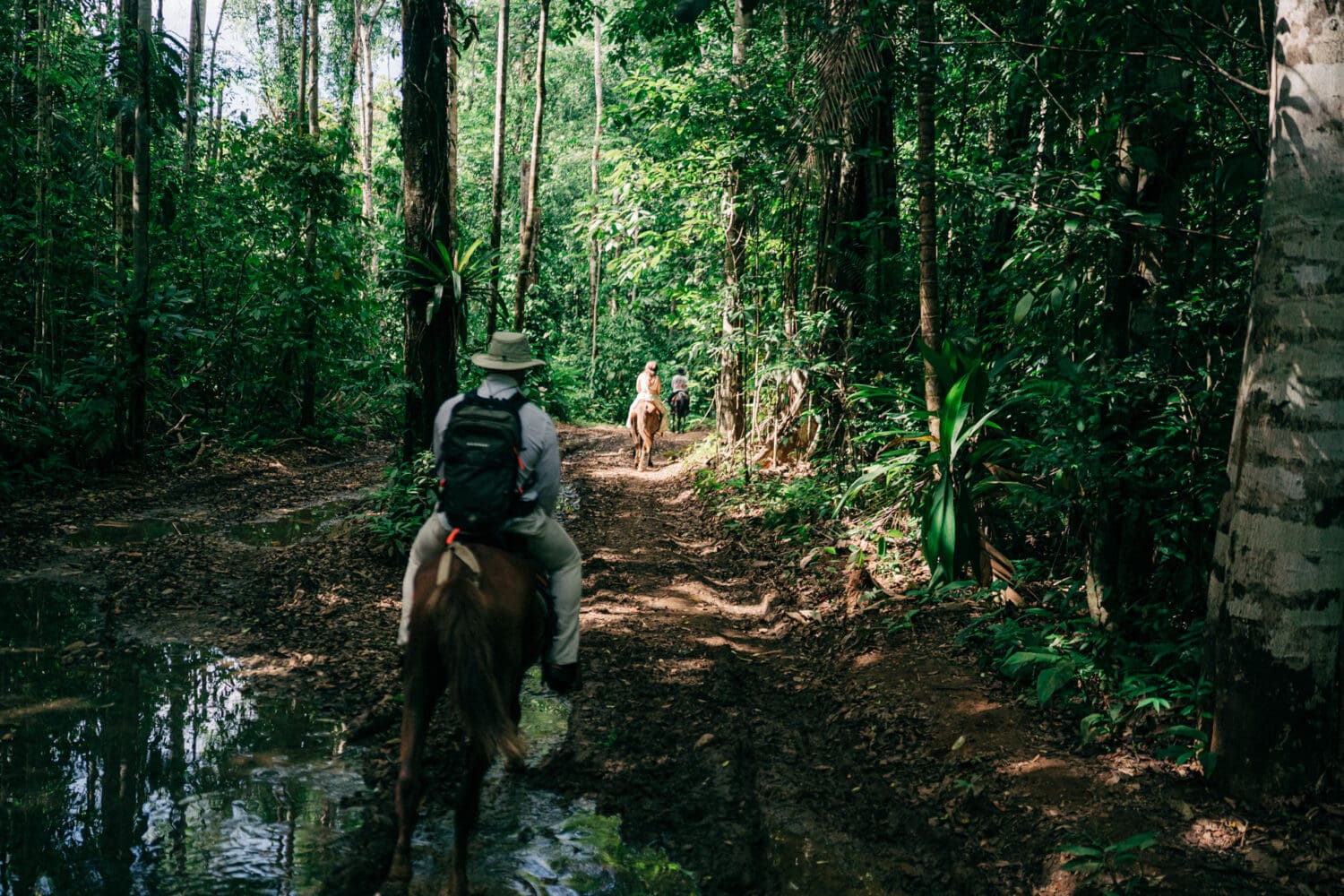
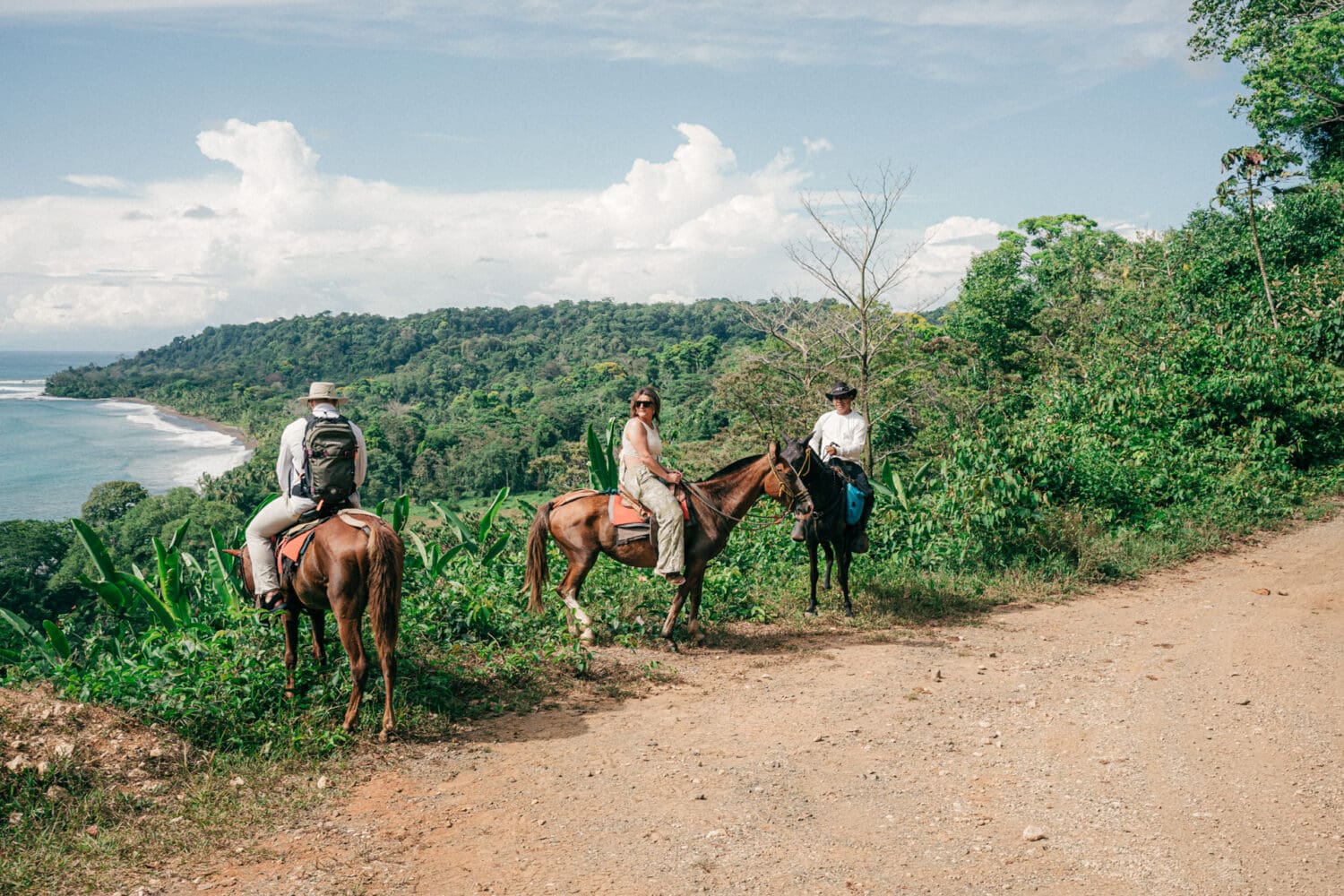
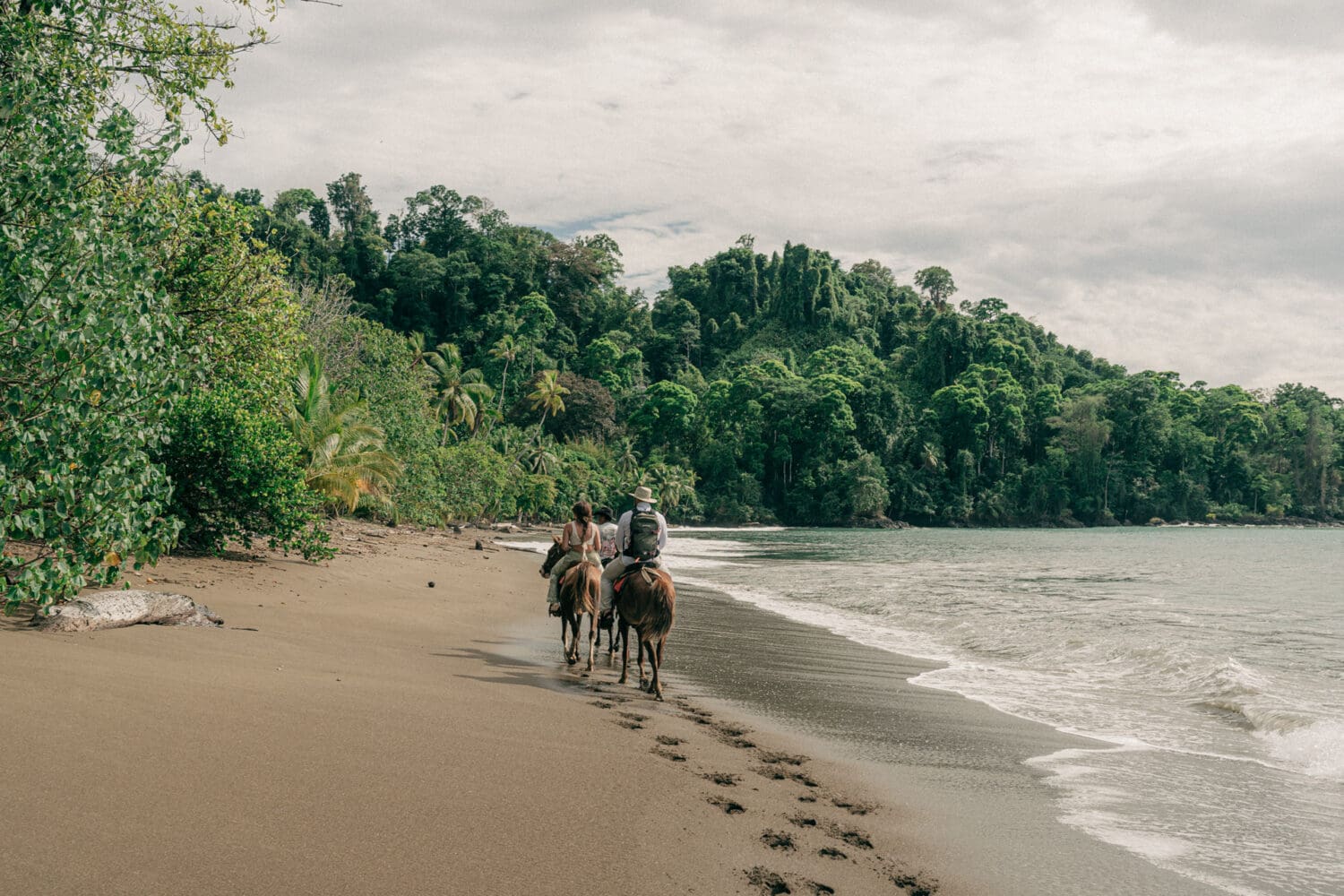
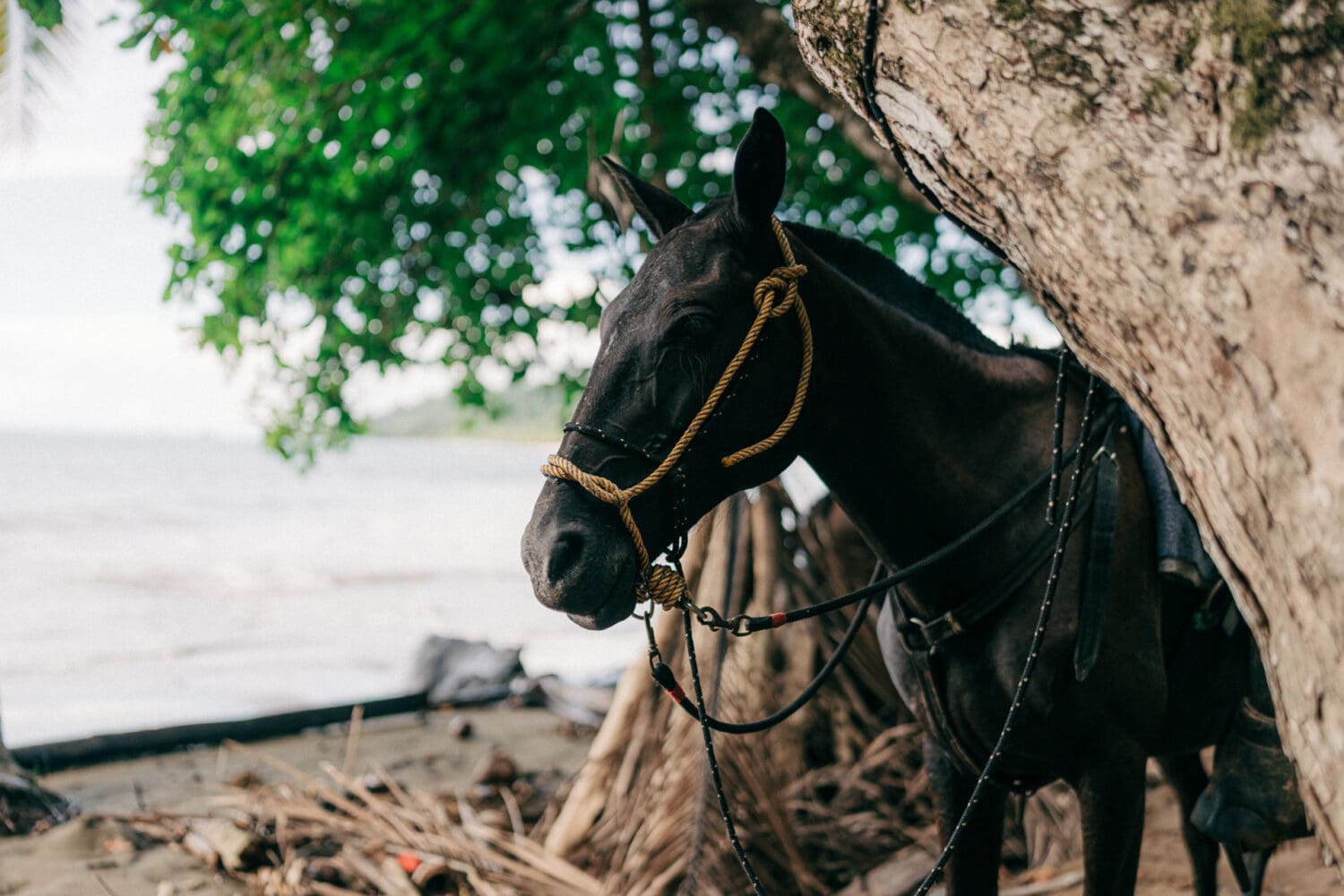
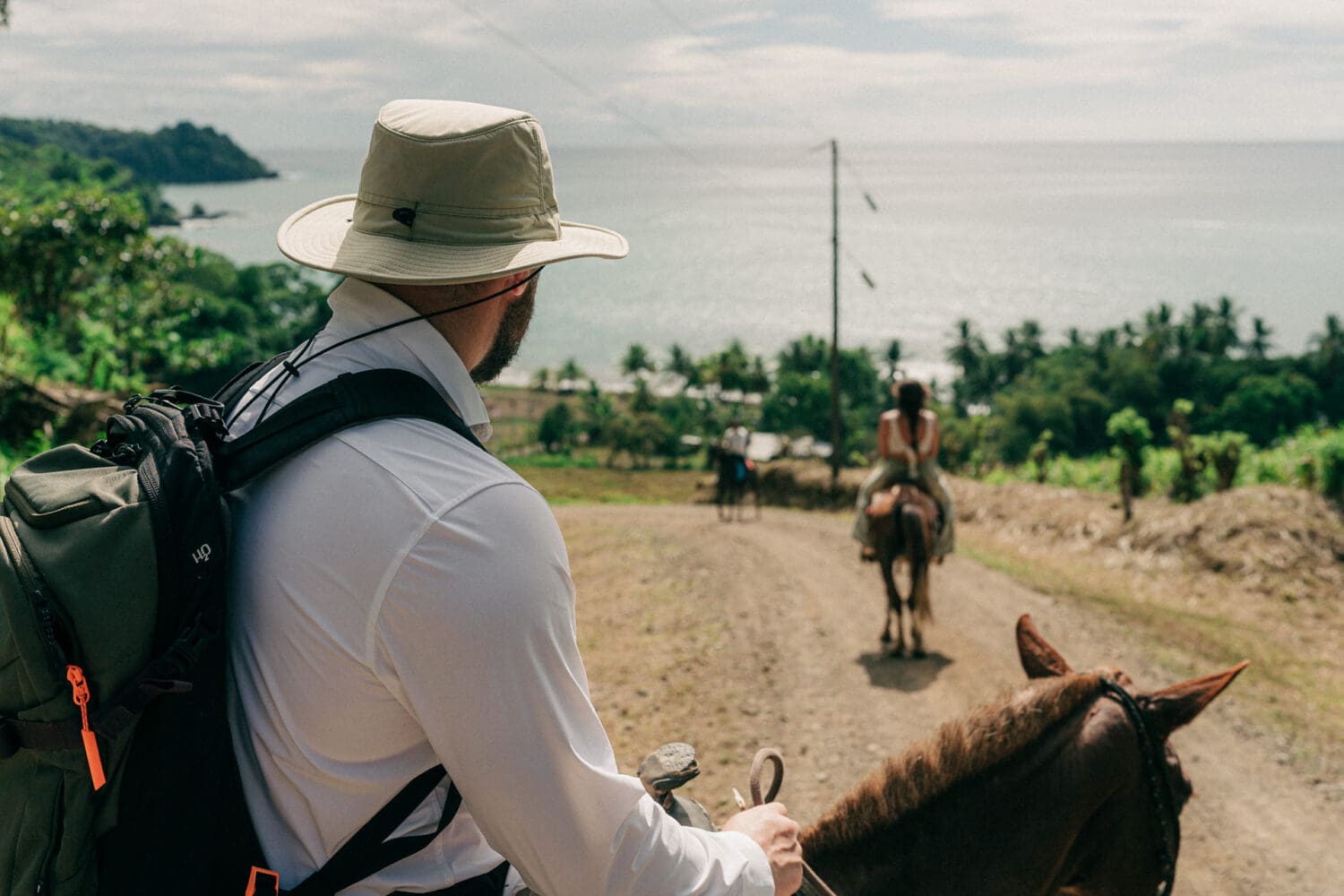
  • After the vows: A horseback ride to San Josecito Beach

Thinking about eloping? Read my guide to the best places to elope in Costa Rica, see my work as a Costa Rica elopement photographer, or learn more about me as a Costa Rica wedding photographer.

They weren’t looking for a large wedding or a place where they would have to find a quiet corner away from tourists. They wanted to disappear into Costa Rica for a few days.

La Jungla gave them that.

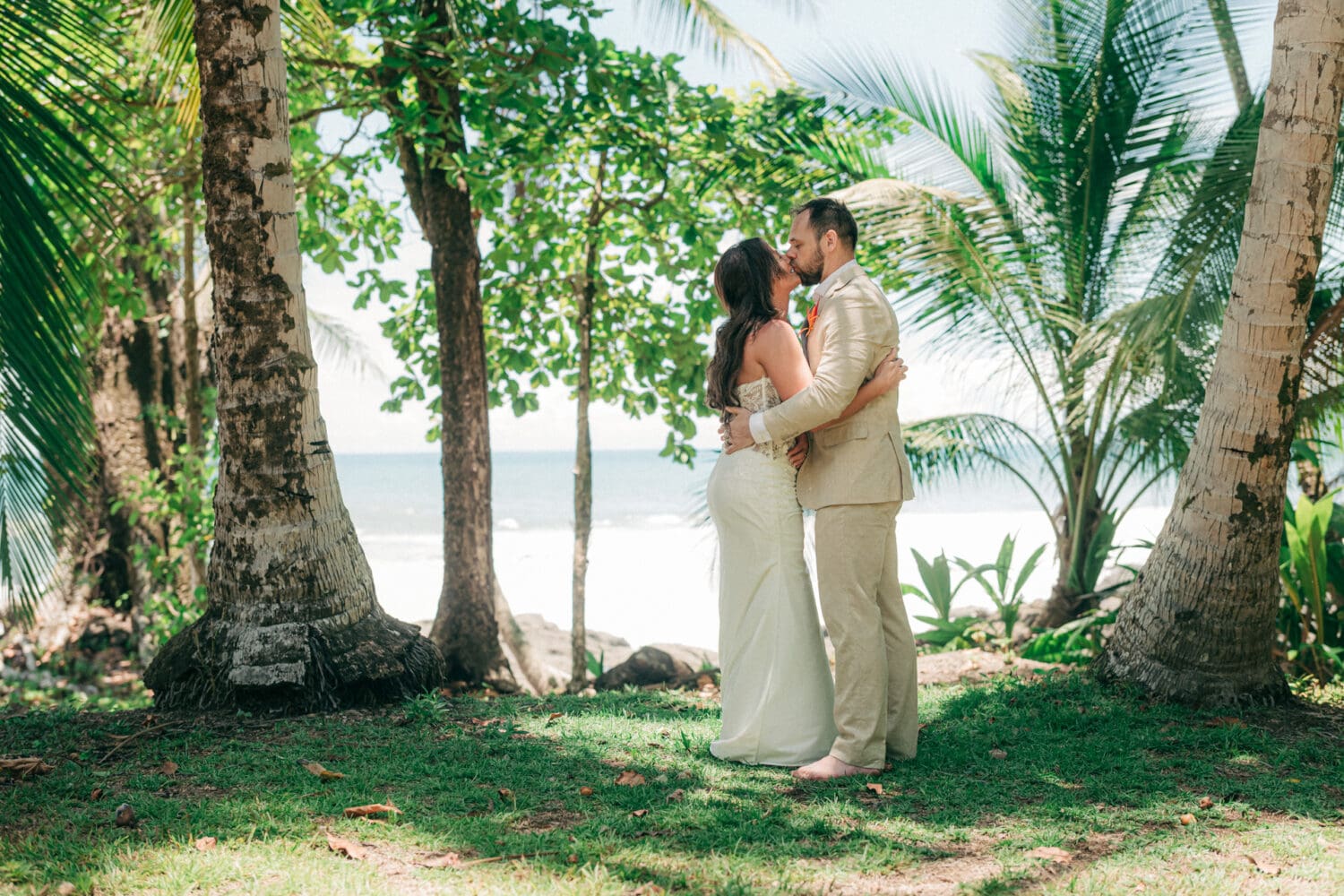
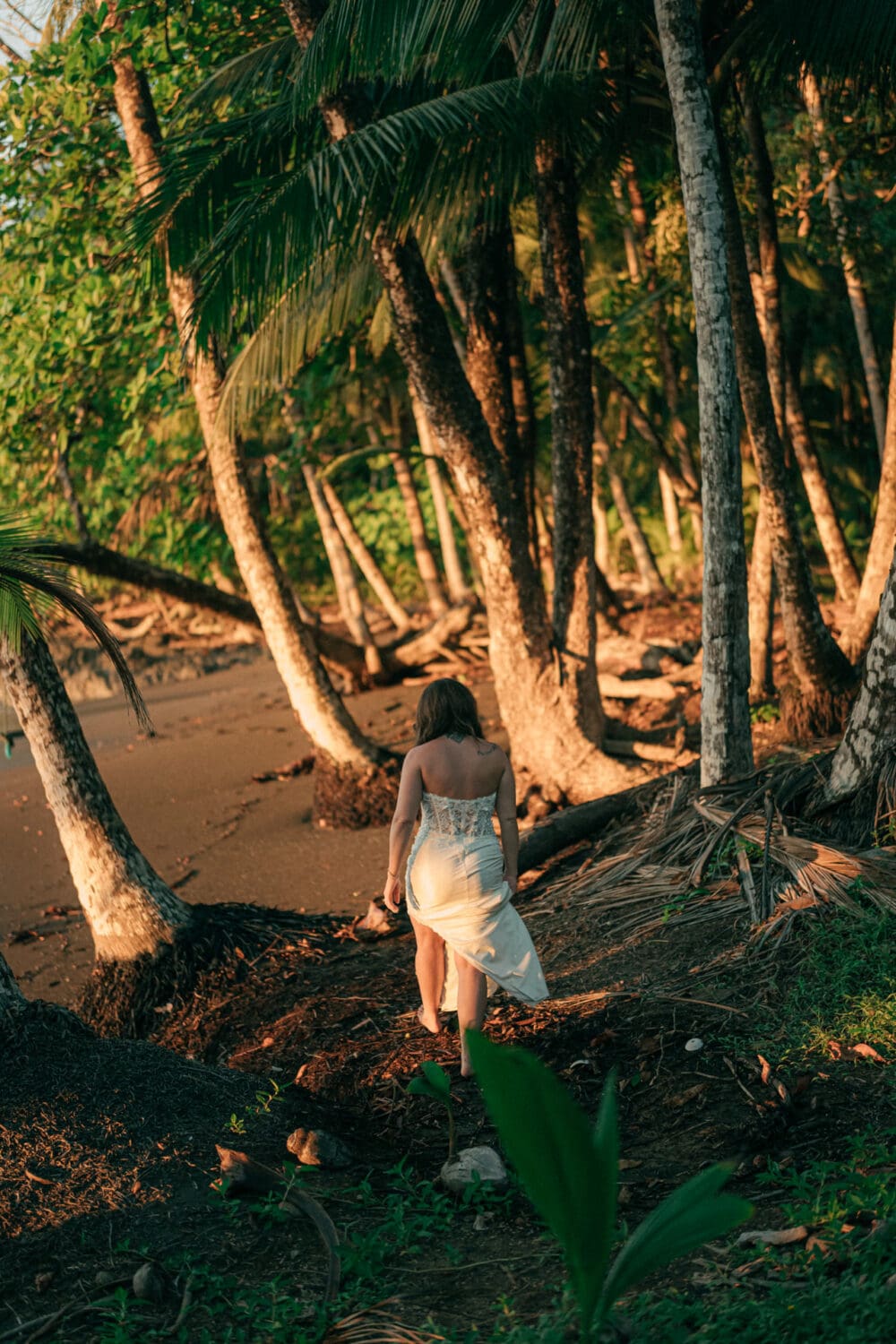
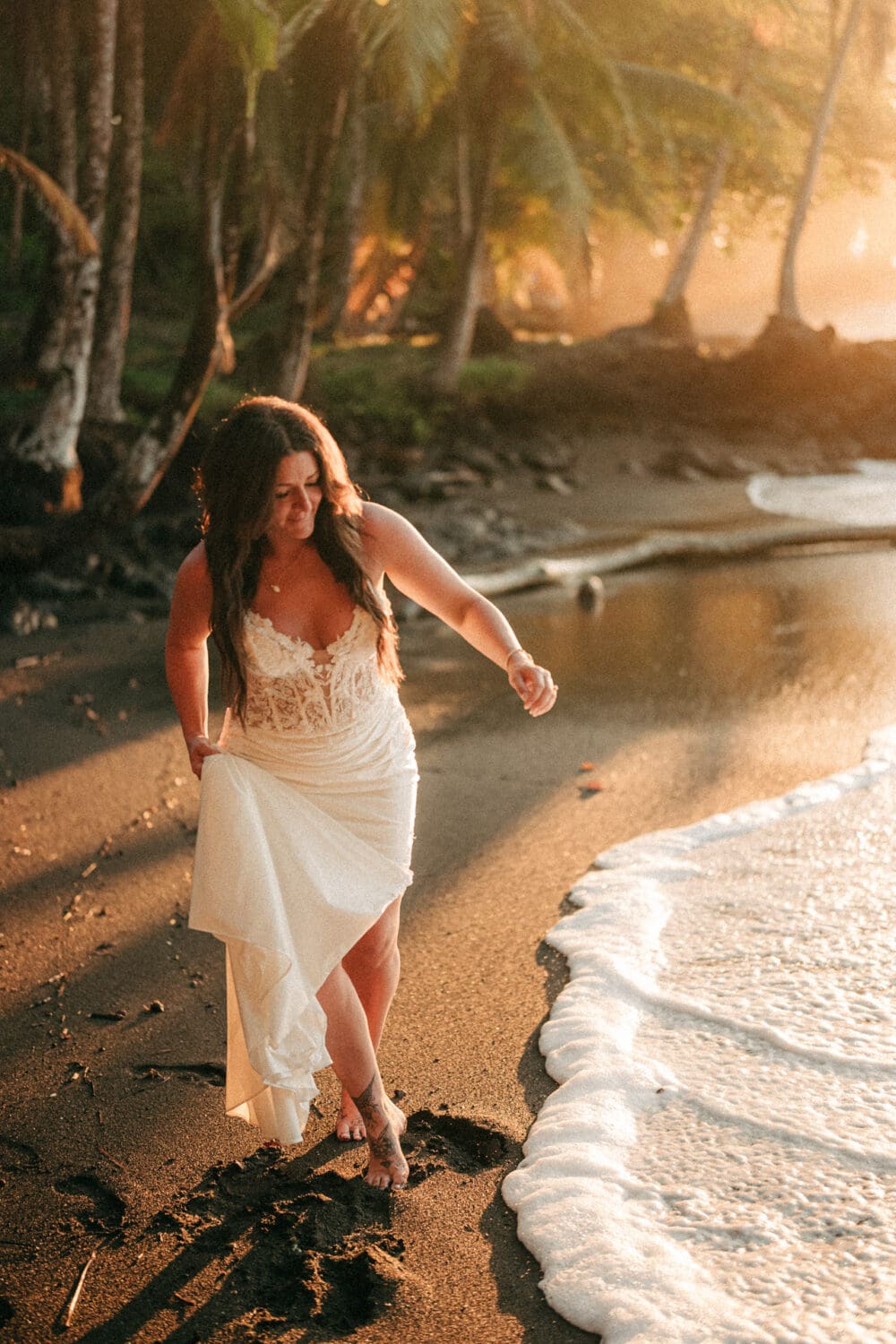
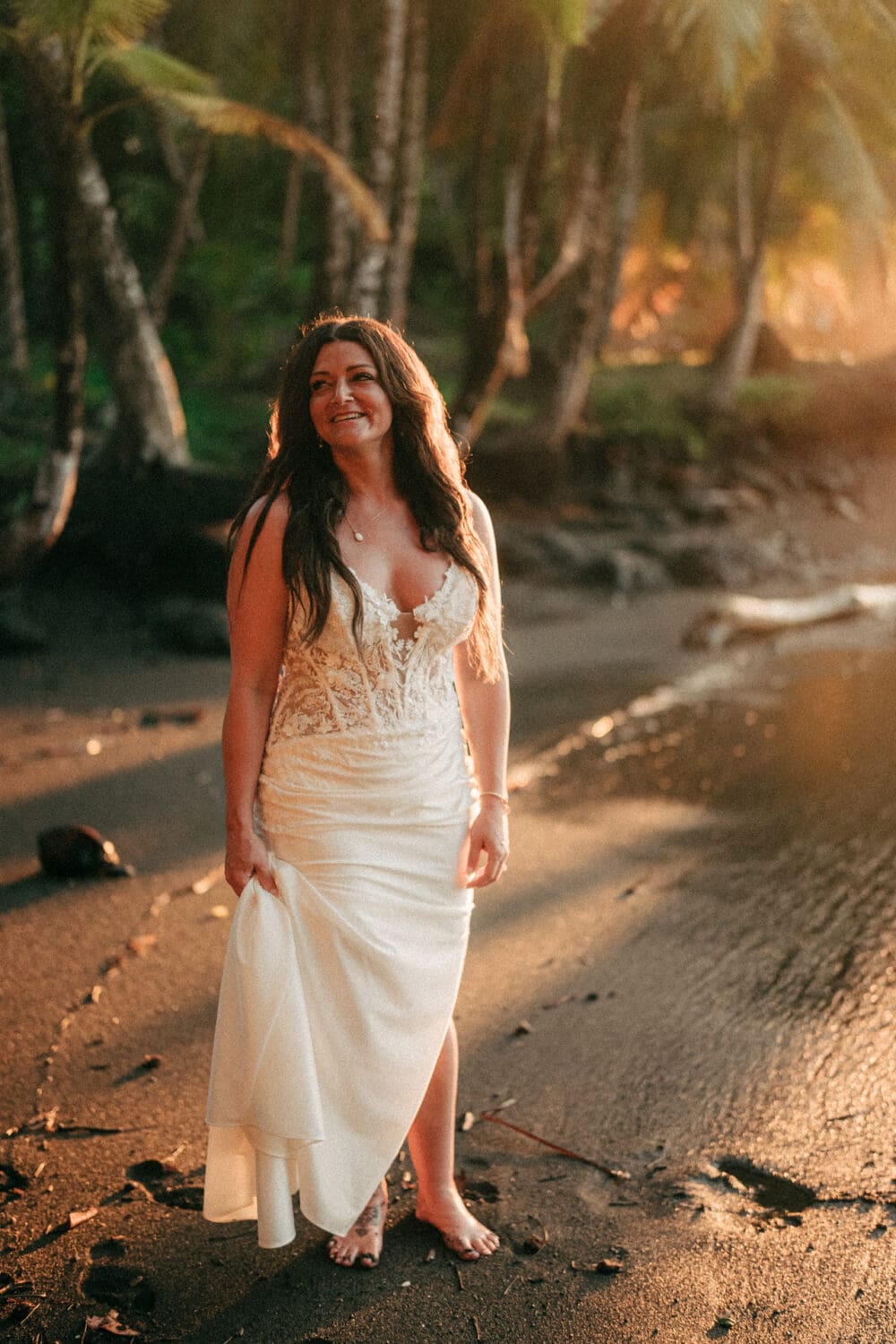
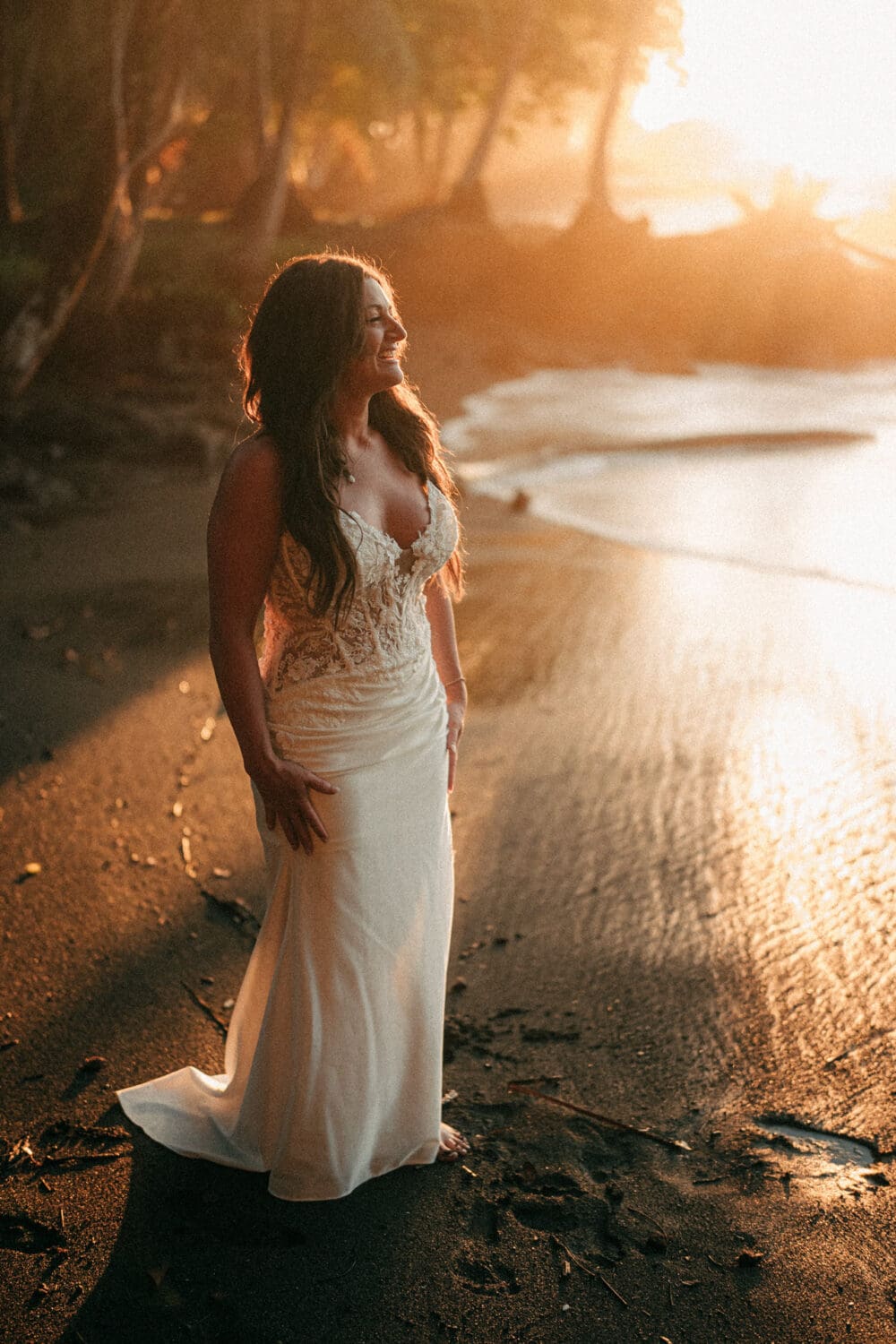
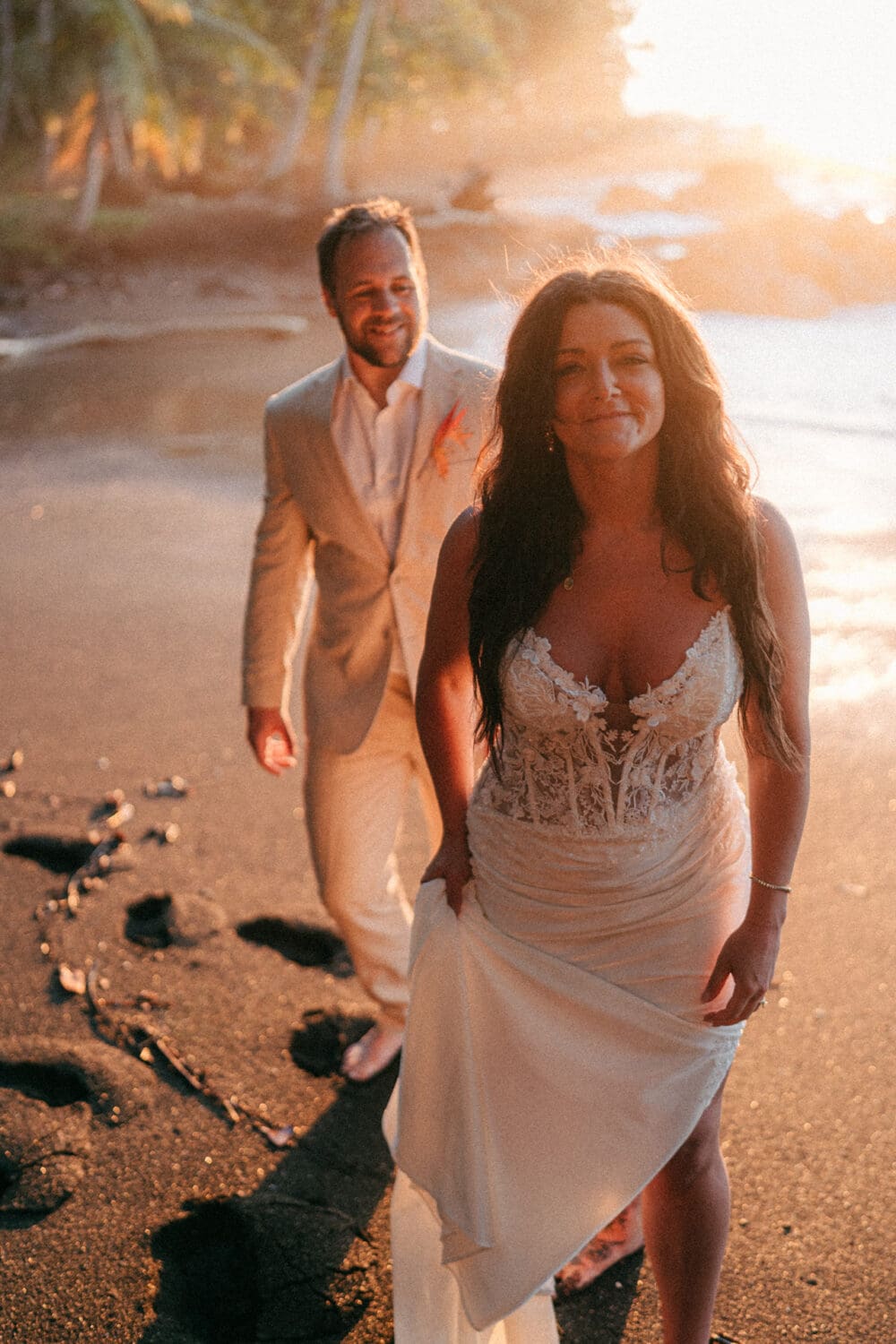
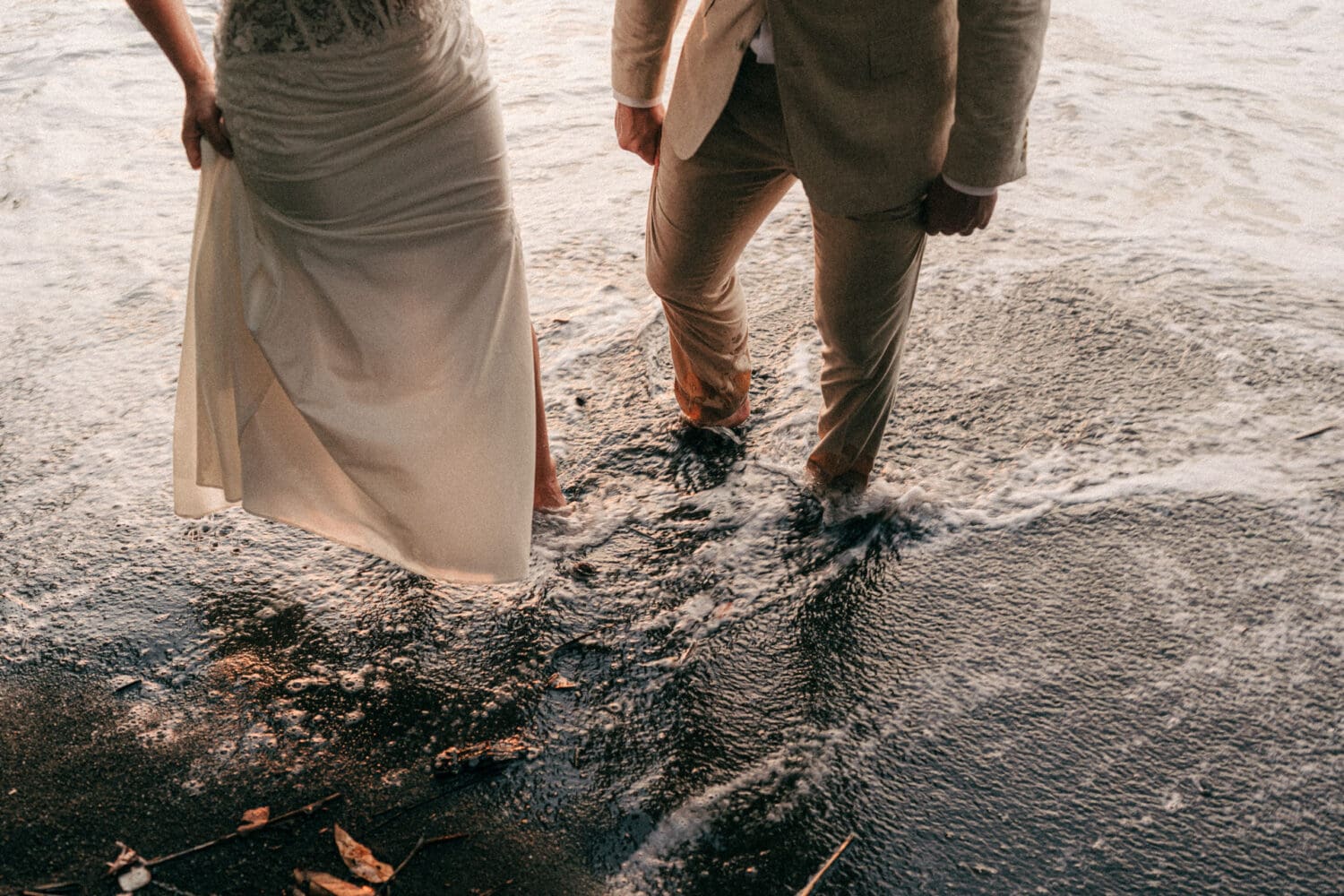
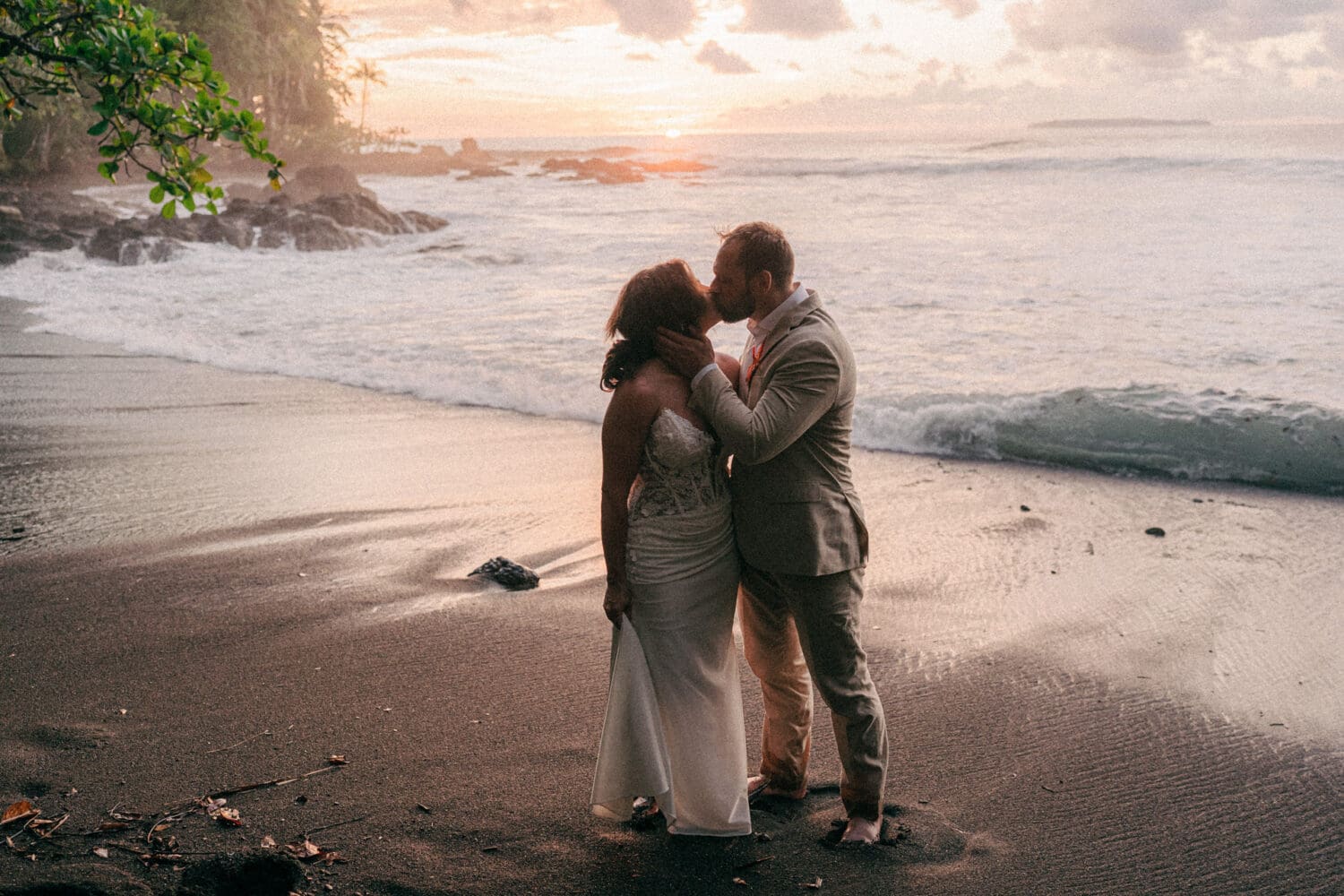
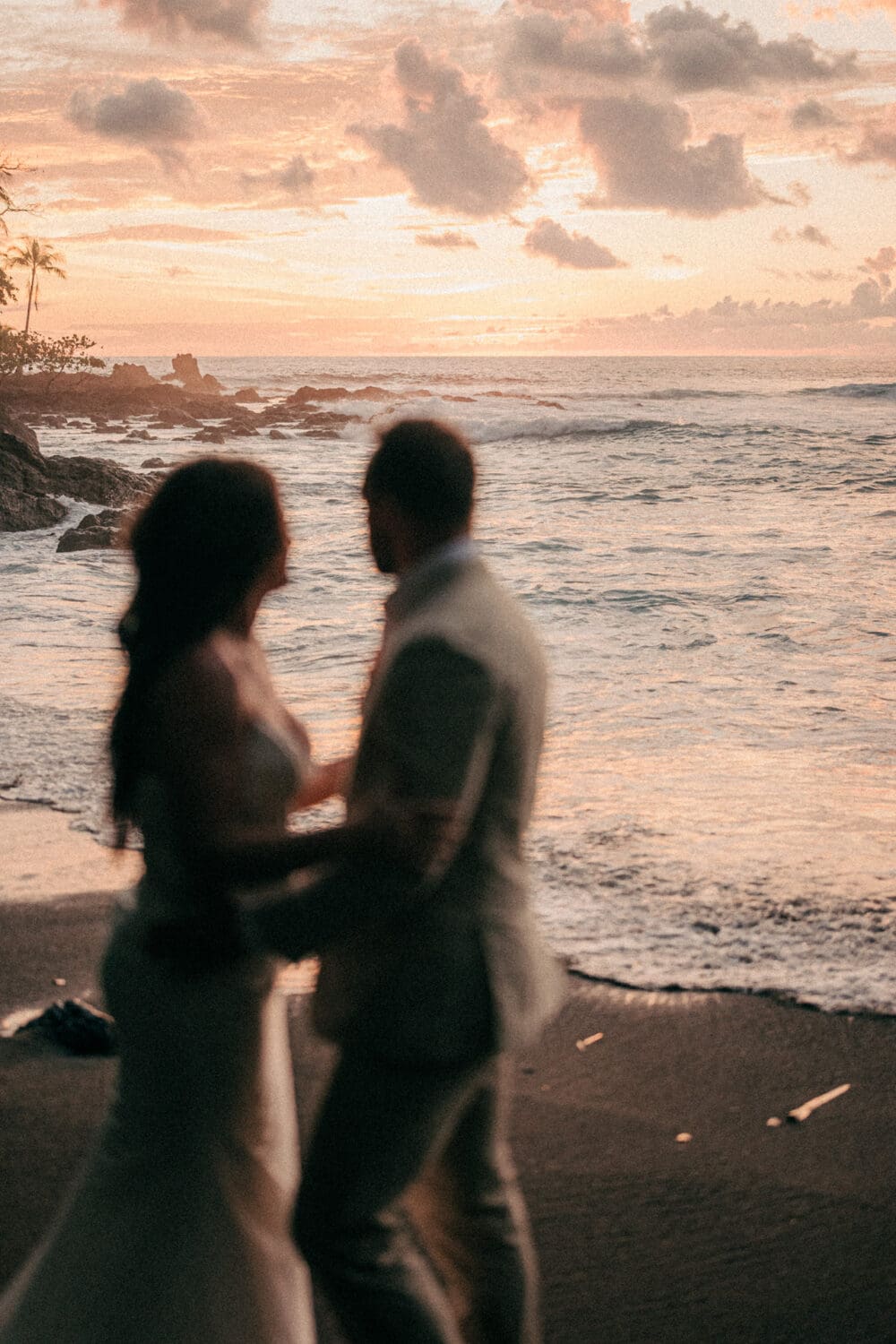
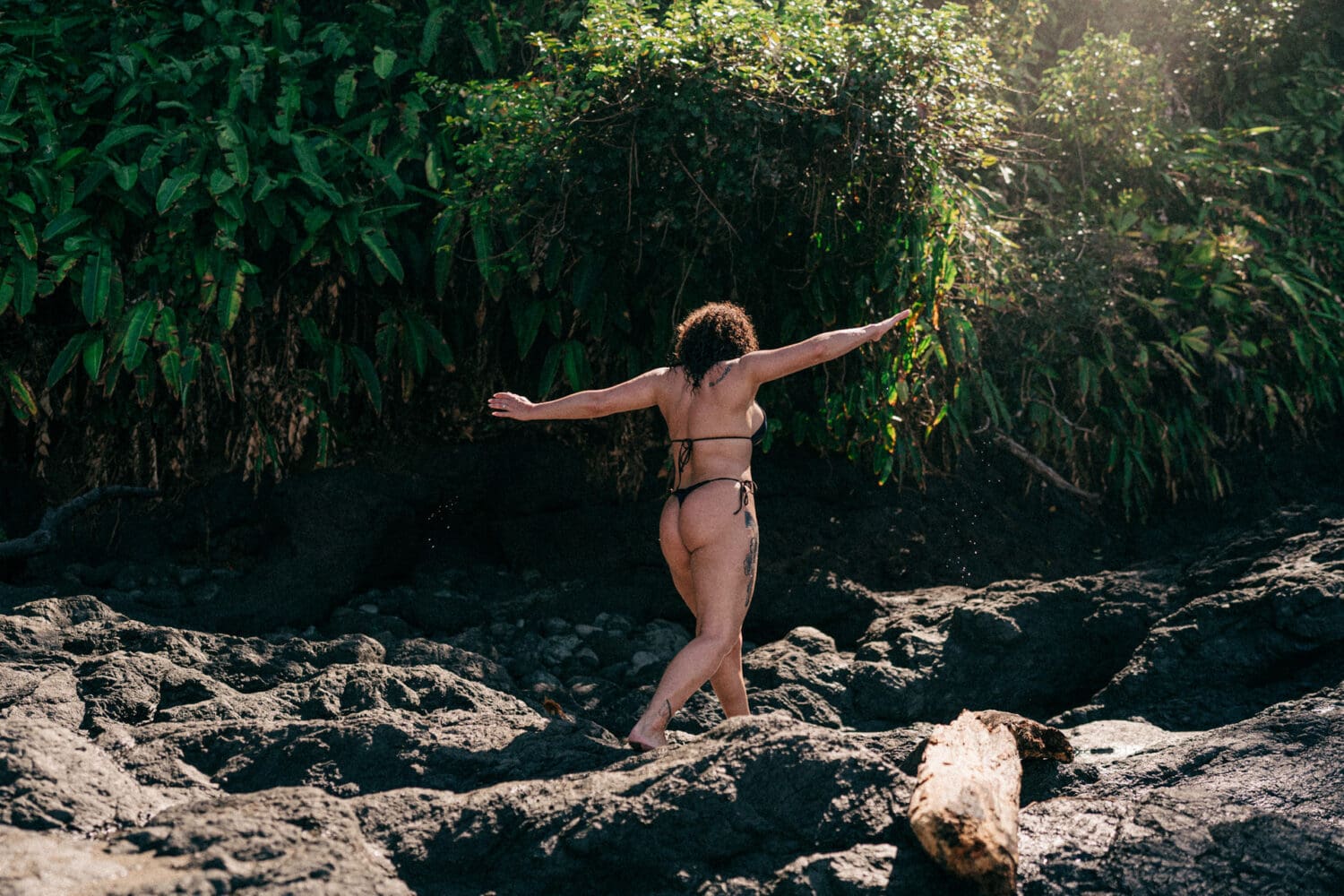
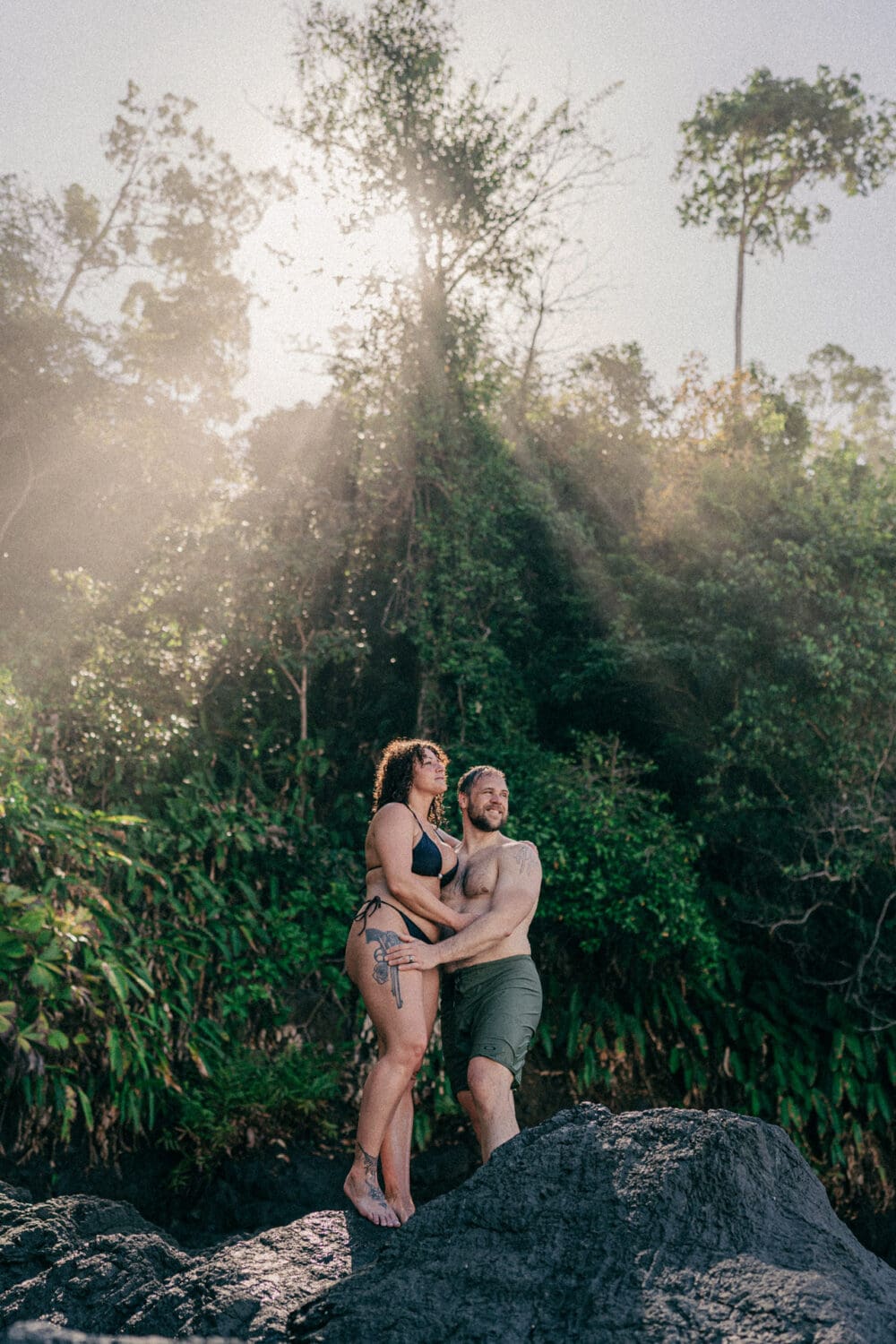
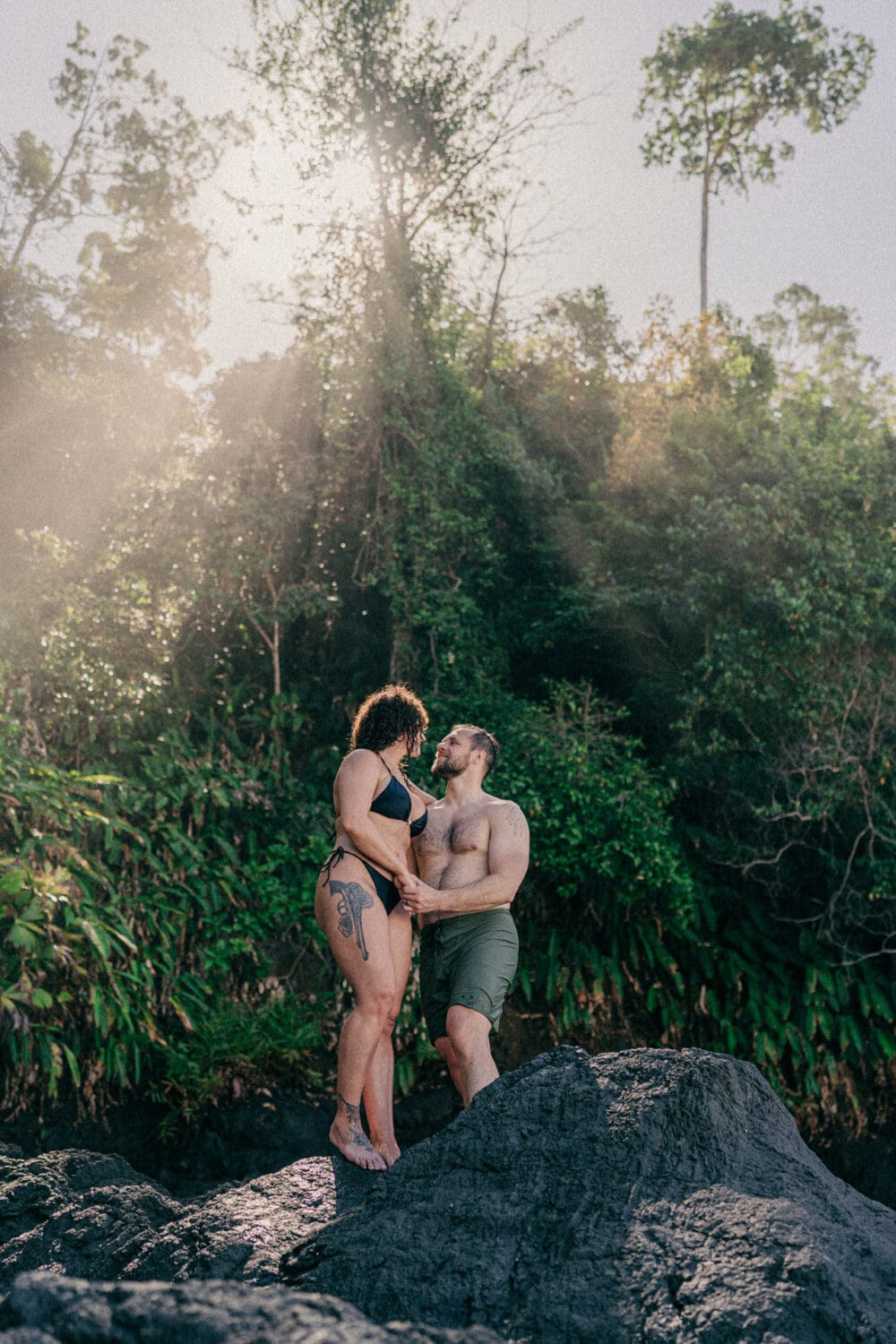
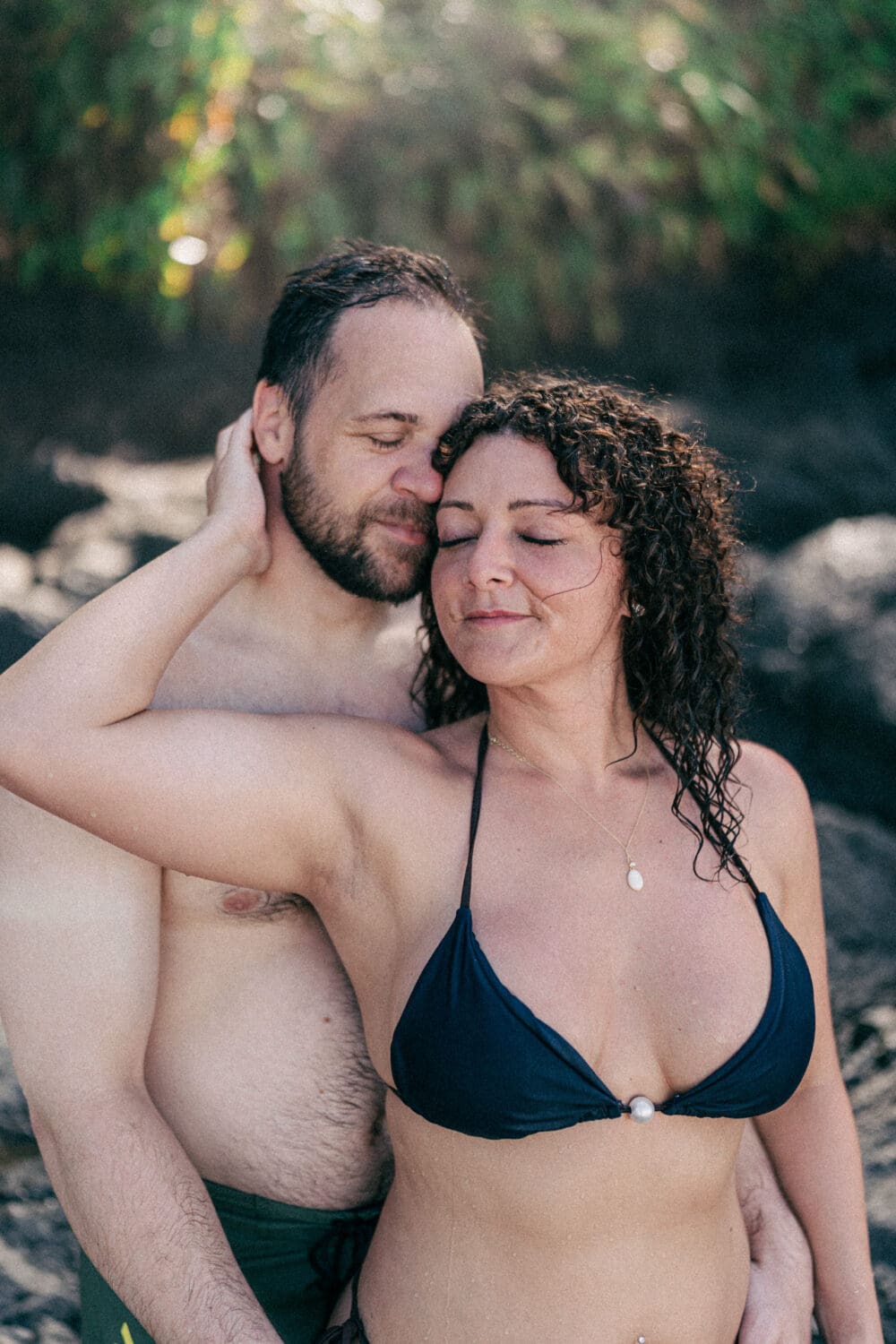
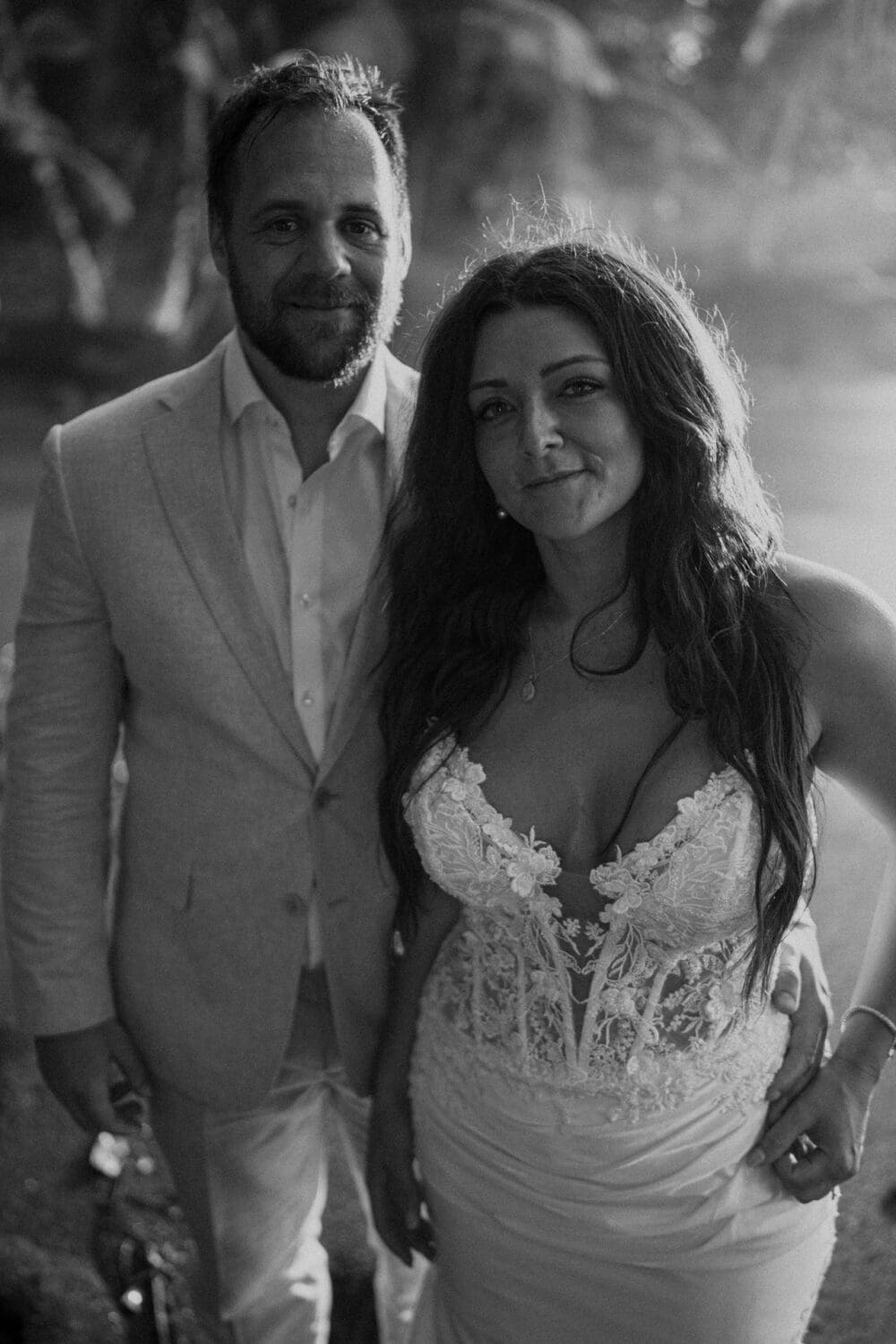
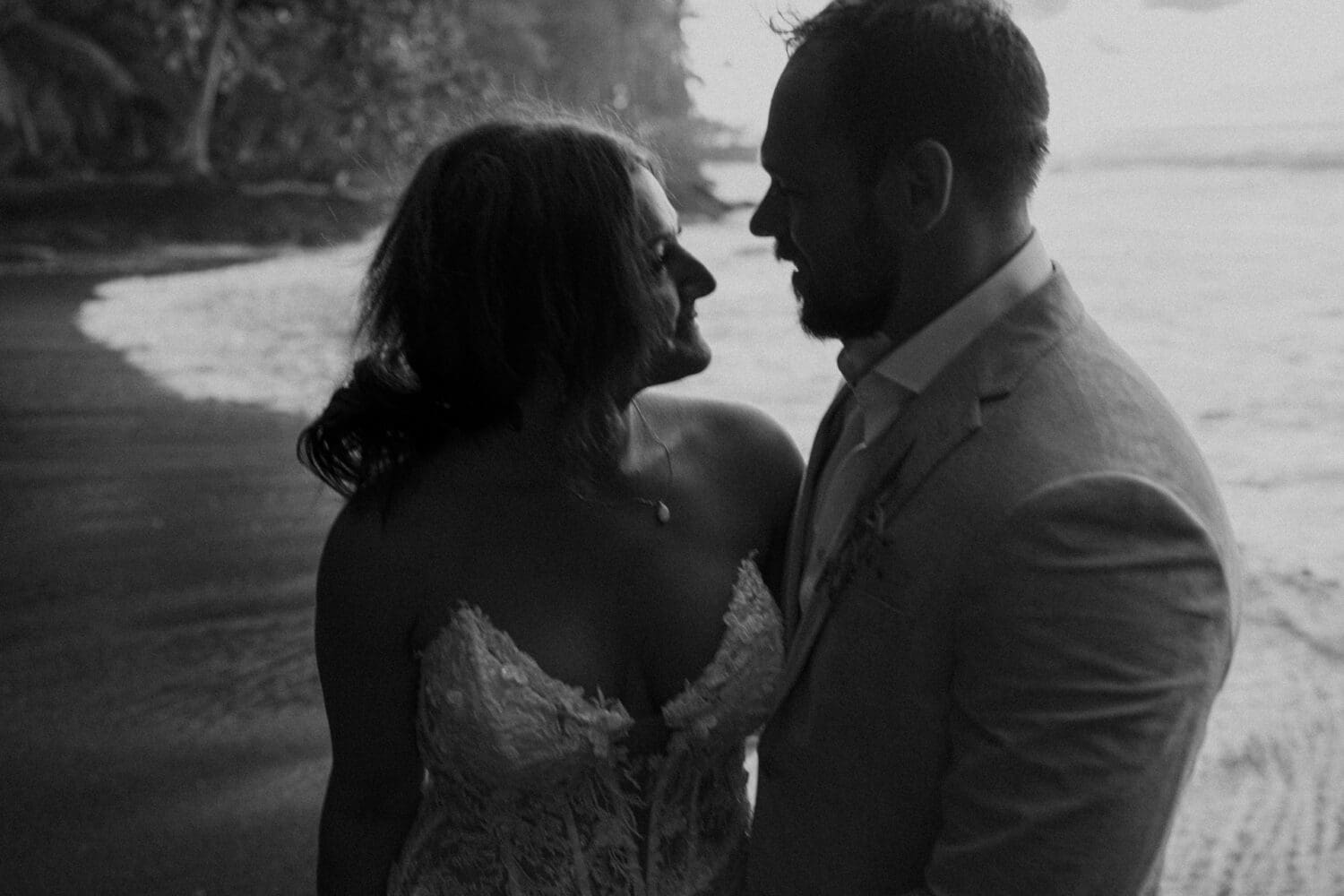
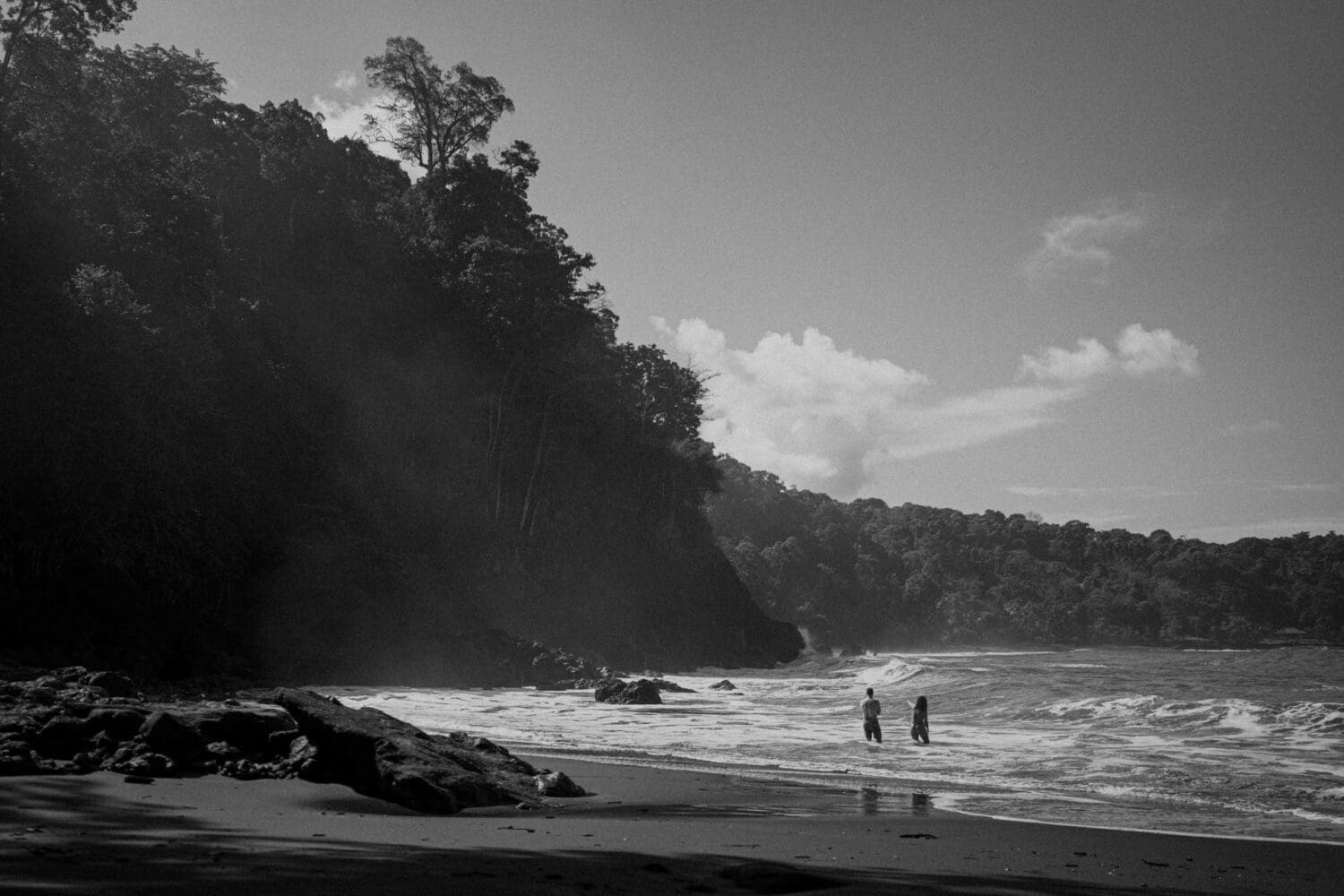
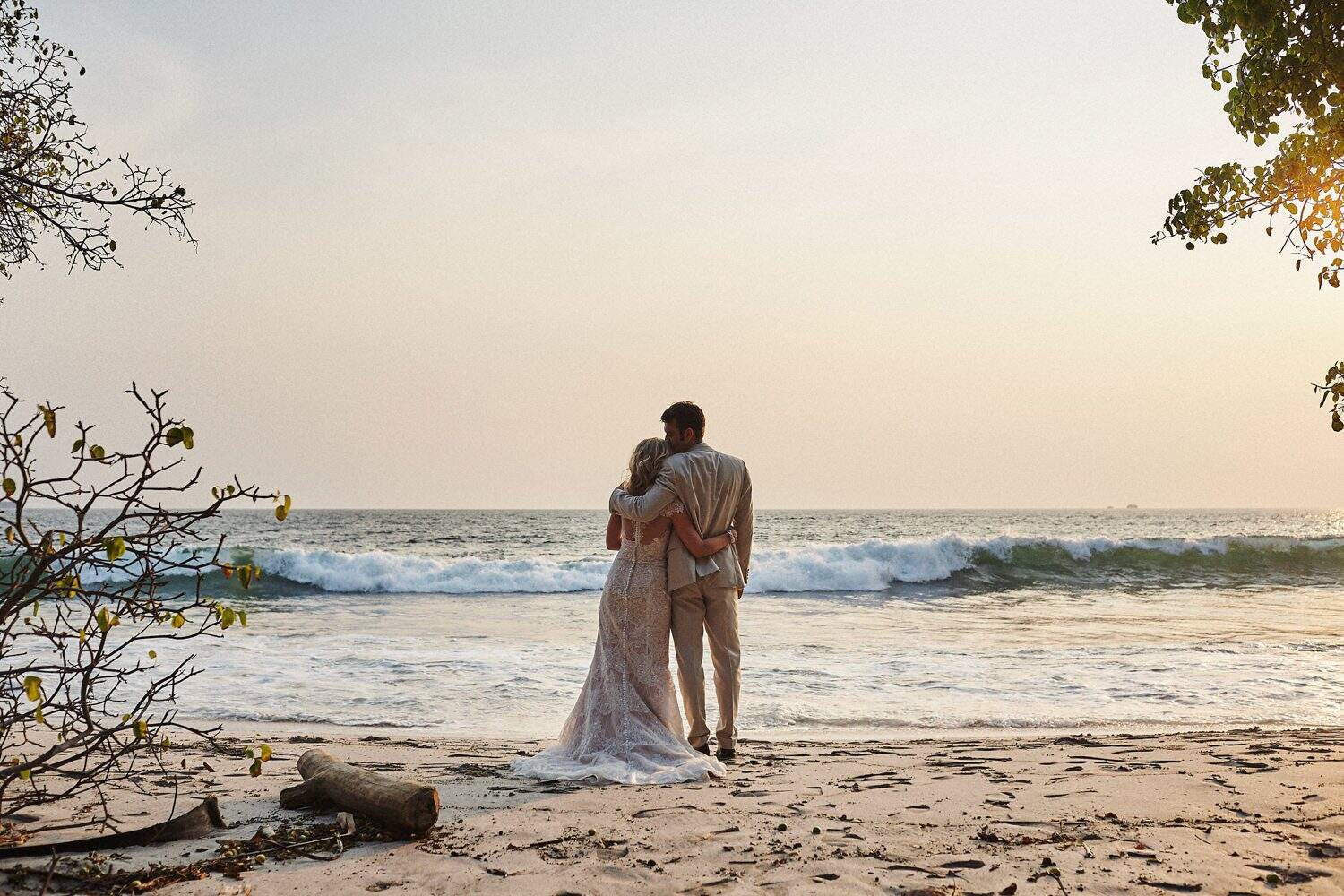
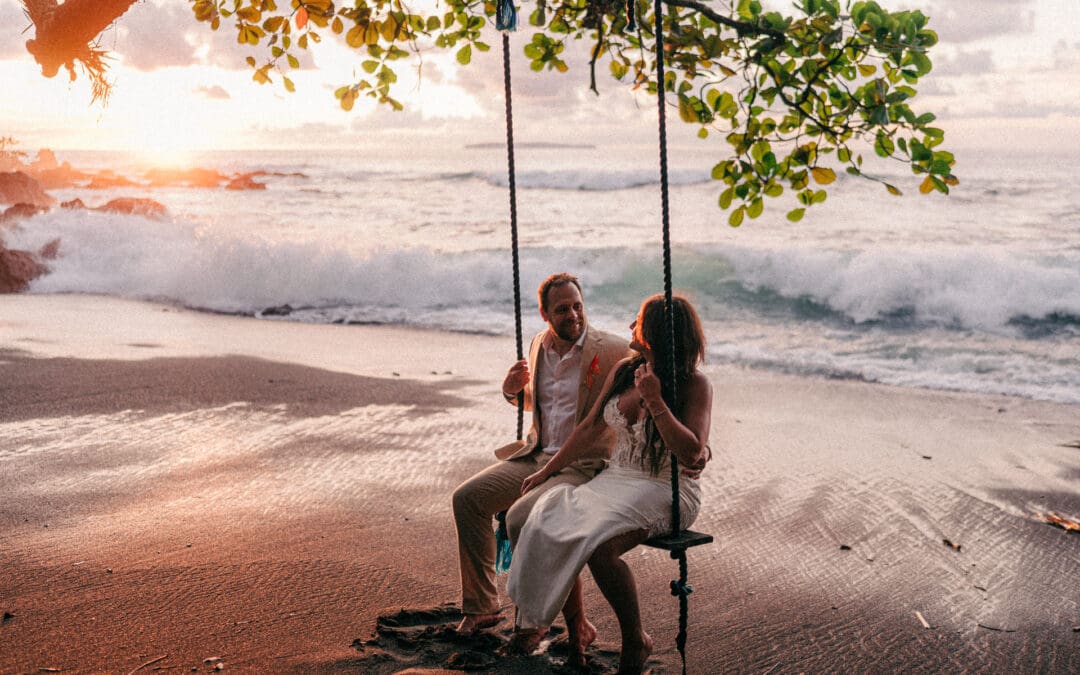
Their ceremony happened beneath the palm trees just outside their room. Later, they changed clothes, got on horses and rode toward San Josecito Beach. They put their wedding clothes back on for sunset, had dinner back at La Jungla, and the following morning we went out again for a hike and photographs on the almost untouched beach beside the hotel.

There were no guests. No audience. And very little civilization around us.

Getting to La Jungla del Jaguar Is Part of the Experience

You don’t simply drive up to La Jungla del Jaguar.

I drove south to Sierpe, where I left my car at Don Jorge, a restaurant that also offers parking beside the boat dock.

There I met the officiant, Marcello Galli, an old friend I’ve worked with at weddings before, and we took a private boat together.

The journey from Sierpe took about an hour and a half.

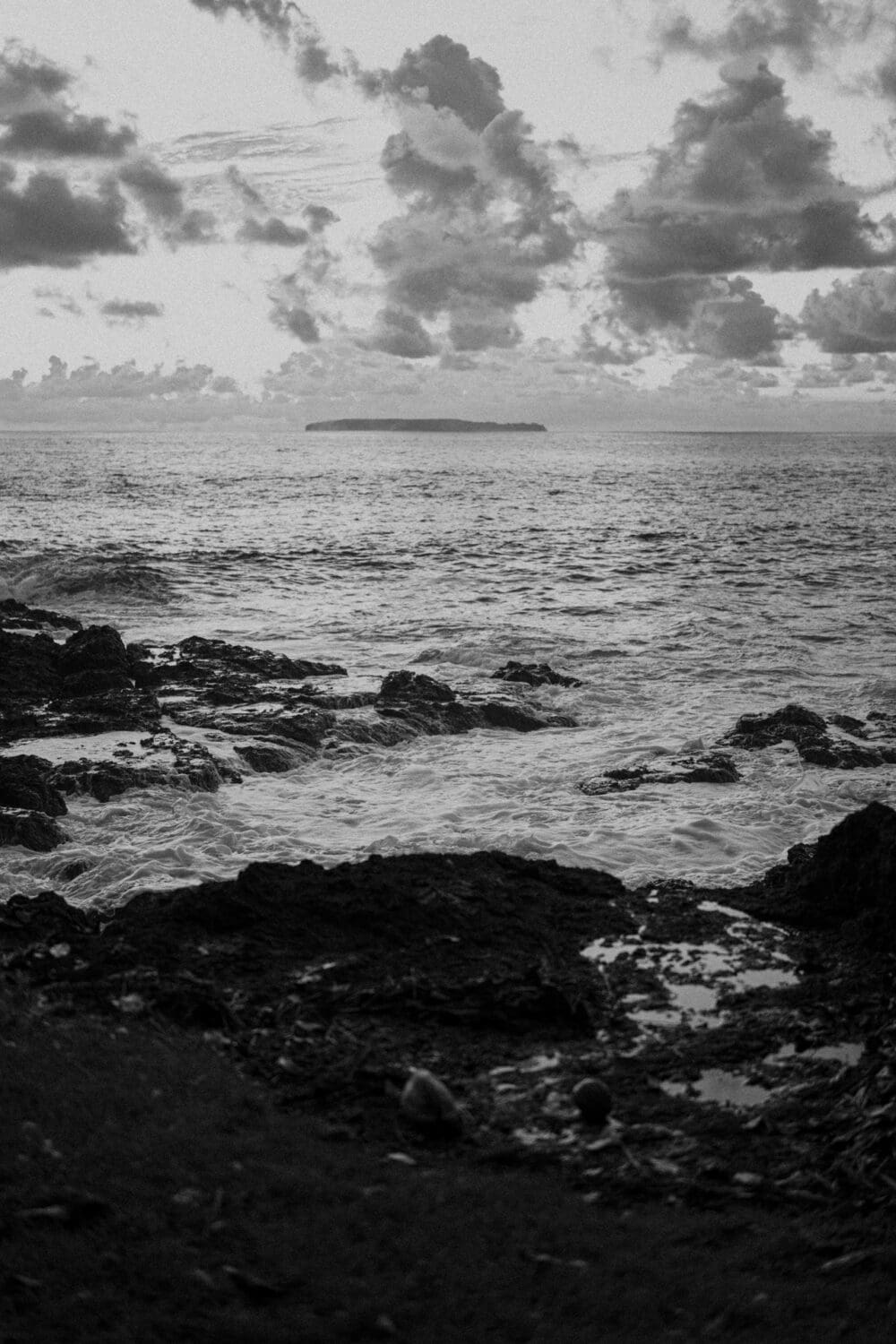
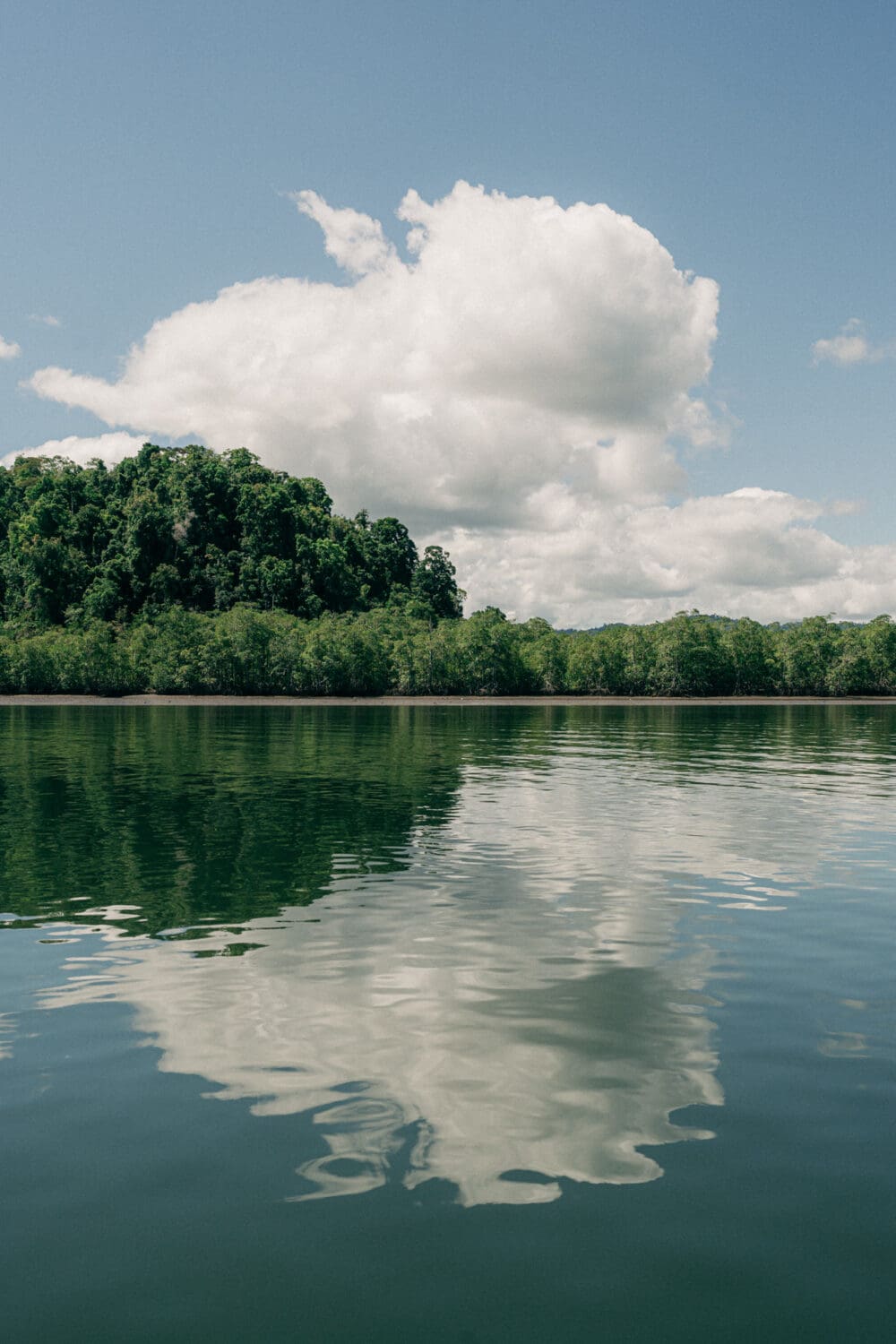
First we traveled along the Sierpe River. Then the river opened into the Pacific Ocean and we continued along the coast, passing the Drake Bay area before eventually reaching La Jungla del Jaguar on the Osa Peninsula.

There is no road access to the property.

That fact tells you quite a lot about the experience before you even arrive.

Once you’re there, you’re there.

The hotel staff, the other guests and the people you’ve arrived with are essentially your little world. During my stay, I would estimate there were fewer than 40 people around in total.

For couples choosing this place specifically because they want to get away from civilization, that’s not an inconvenience.

That’s the point.

The Story: A Ceremony Under the Palm Trees

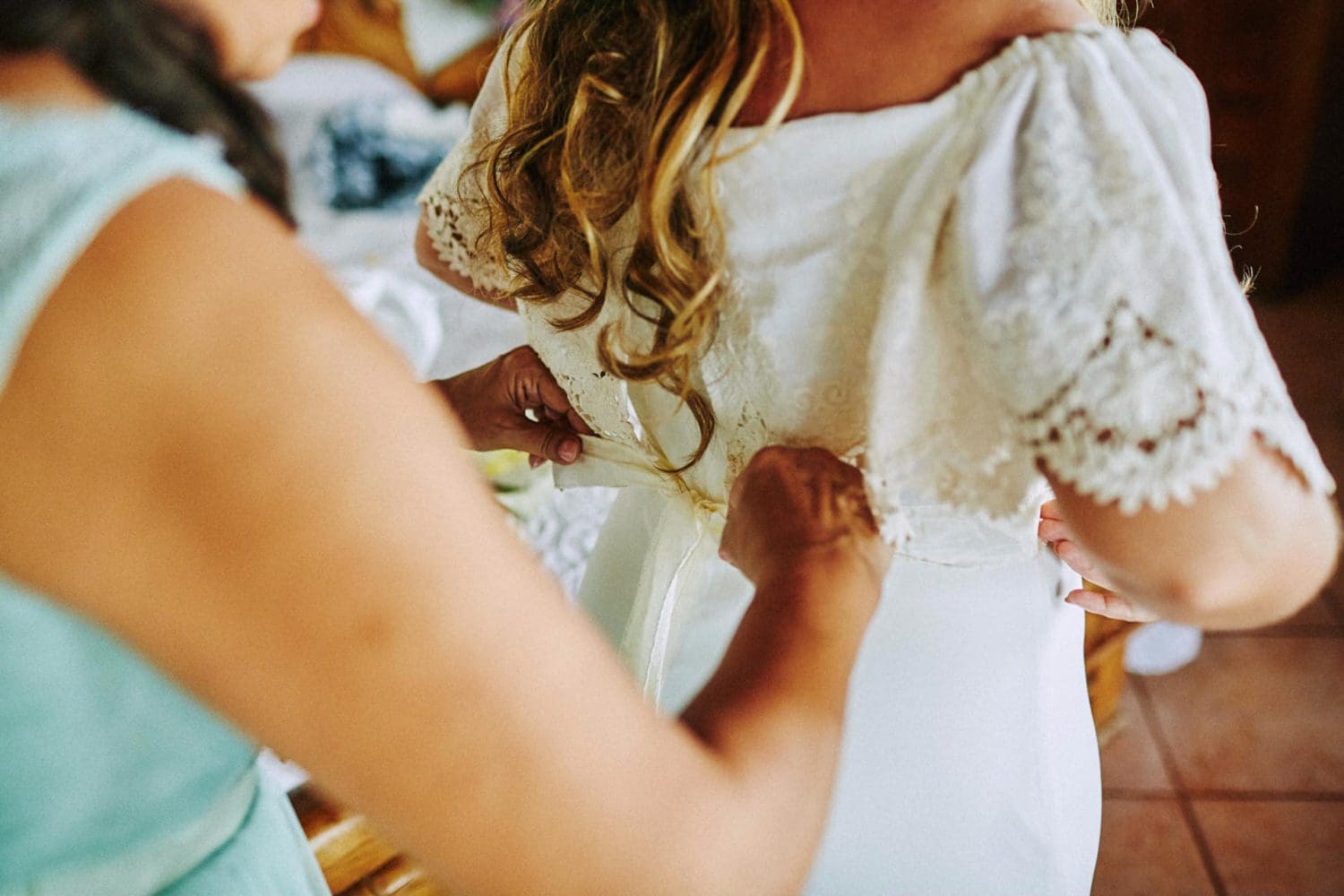
Rebecca and Pascal didn’t want their getting ready photographed, so there was no reason for me to manufacture that part of the story.

We began with what mattered to them.

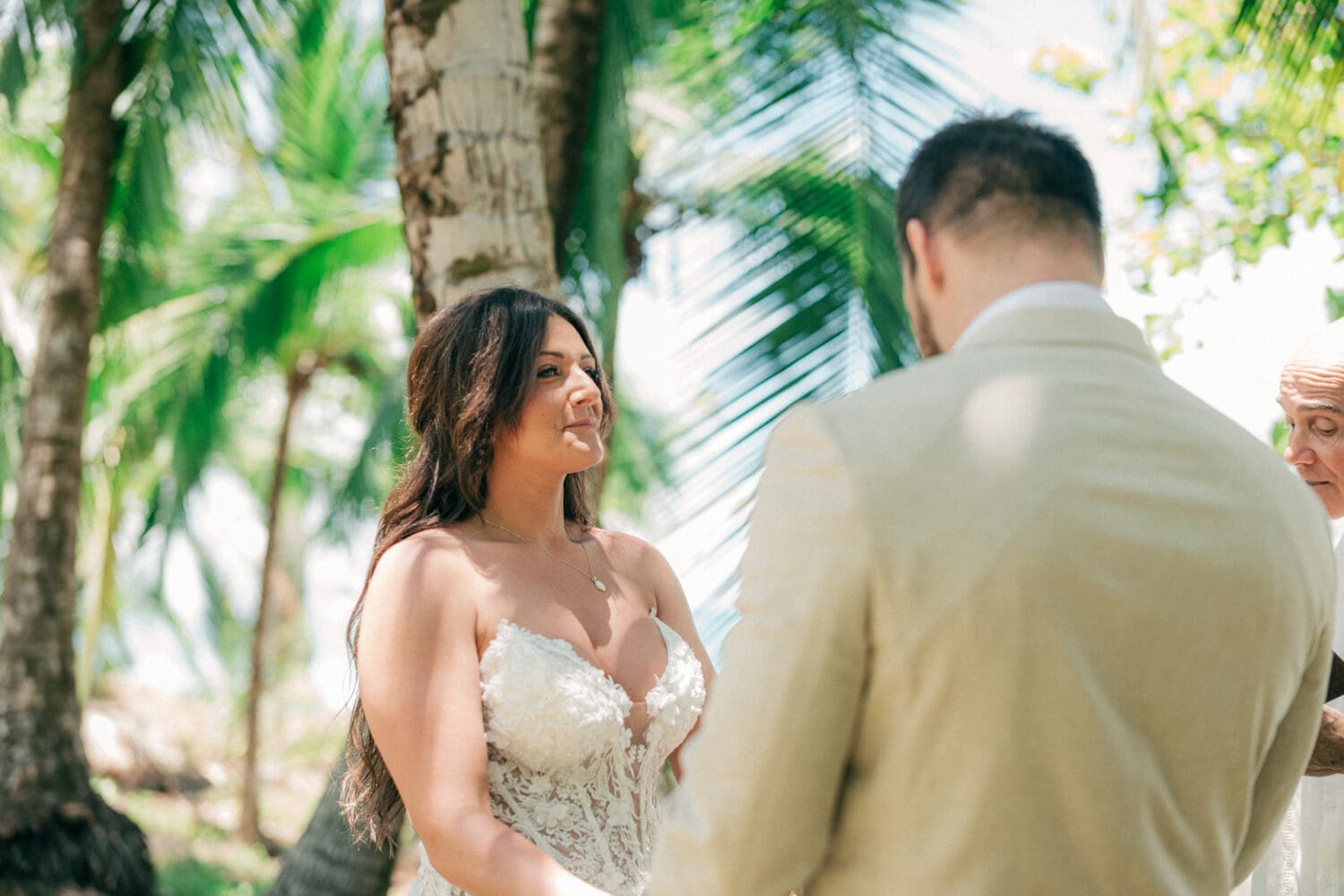
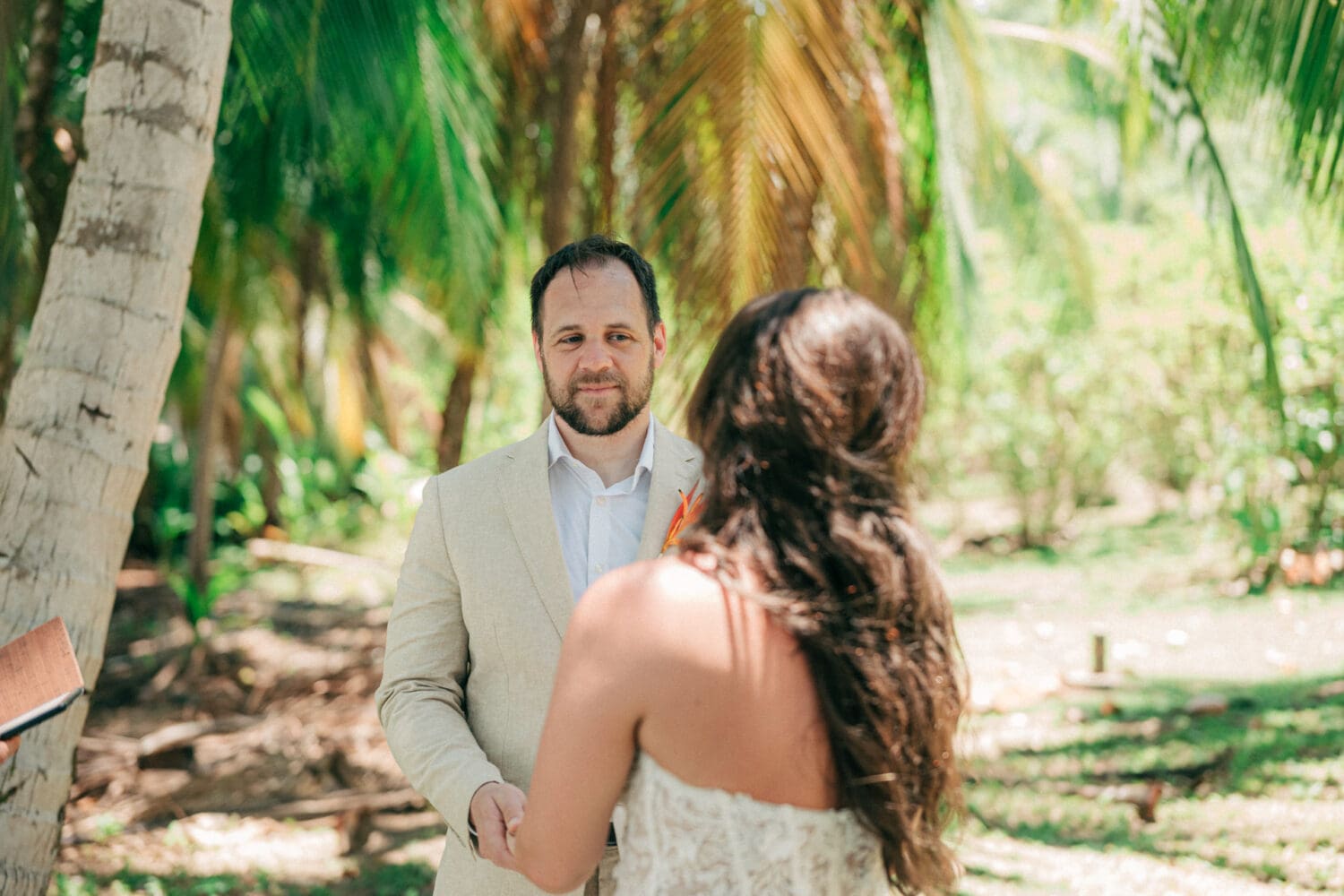
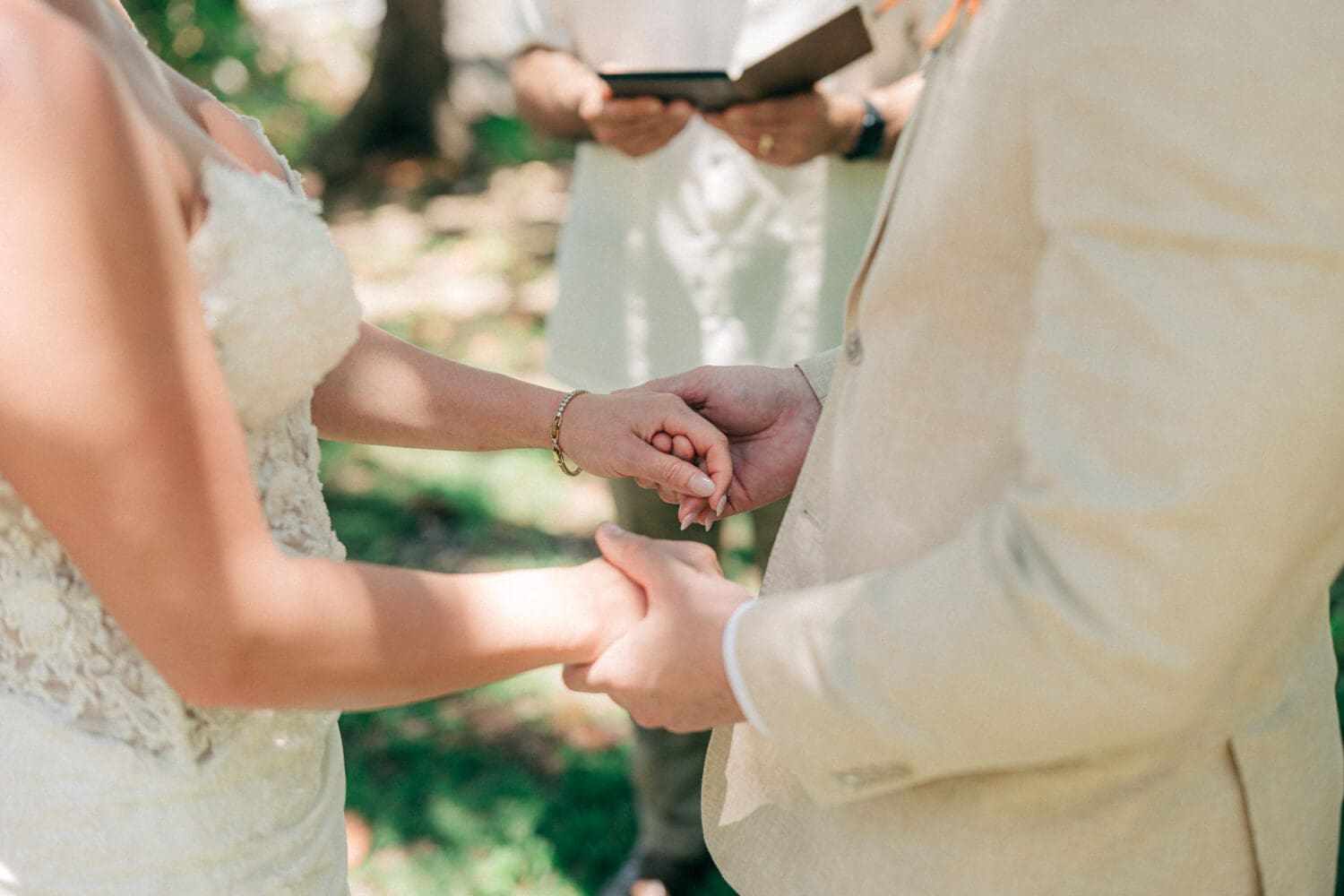
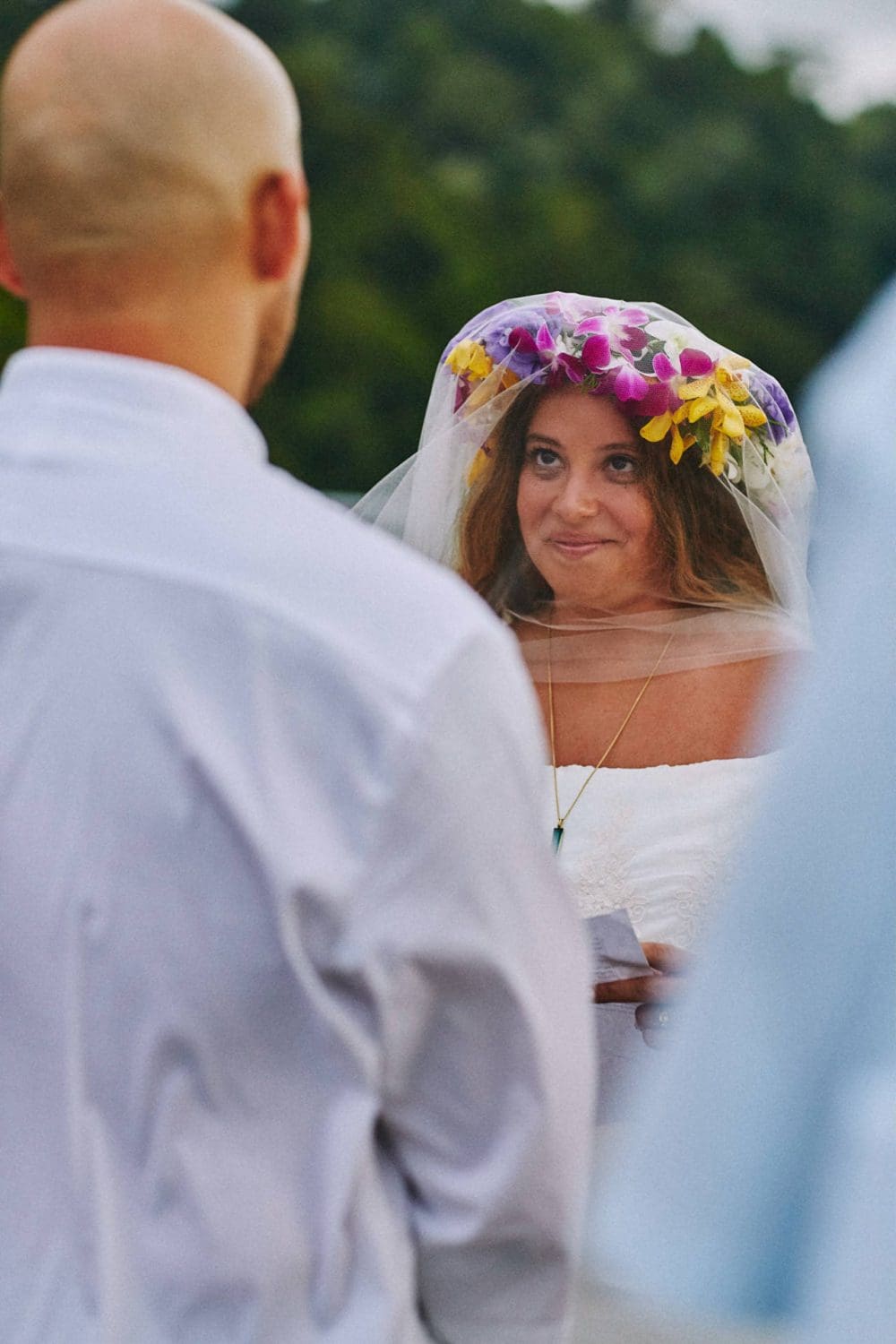
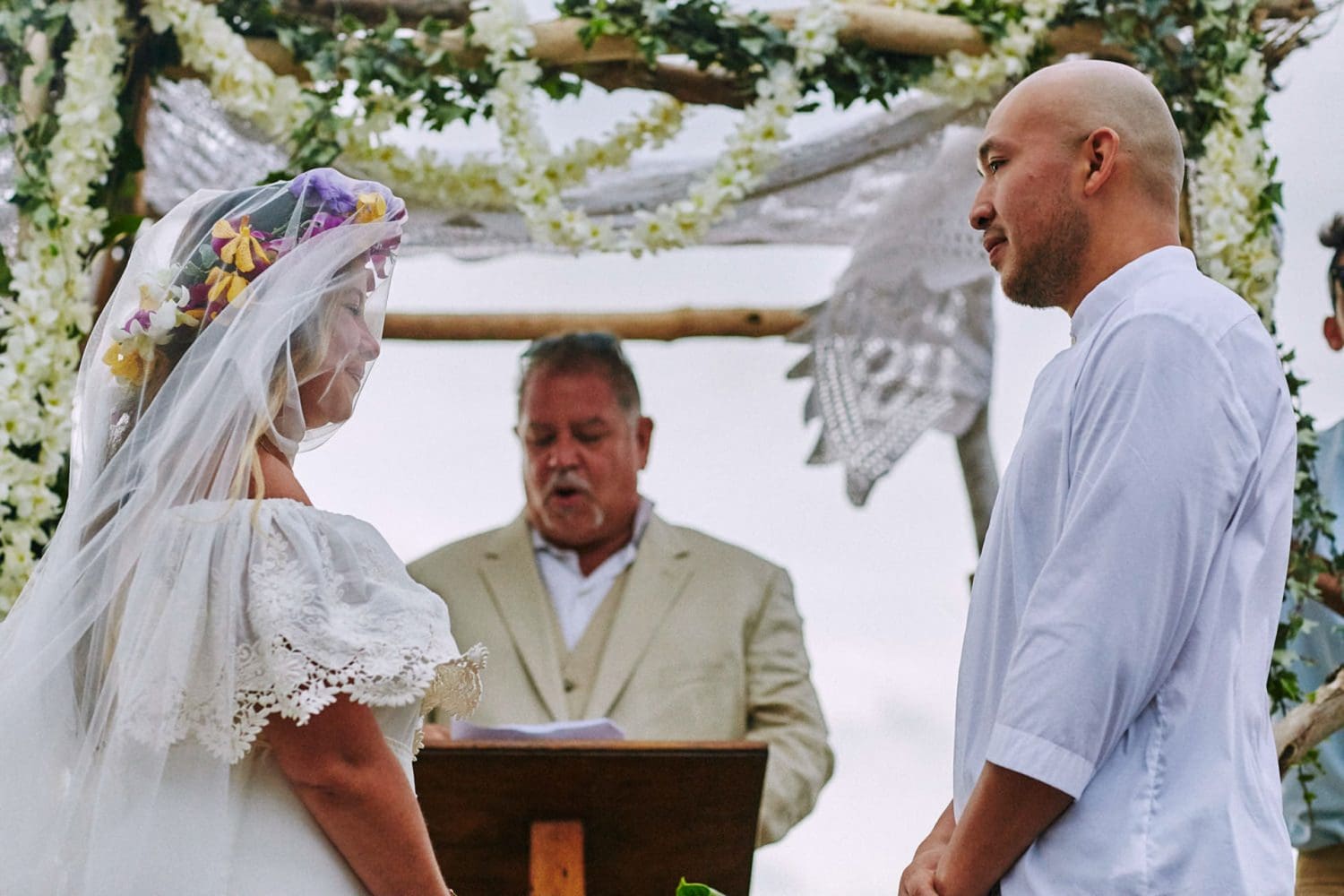
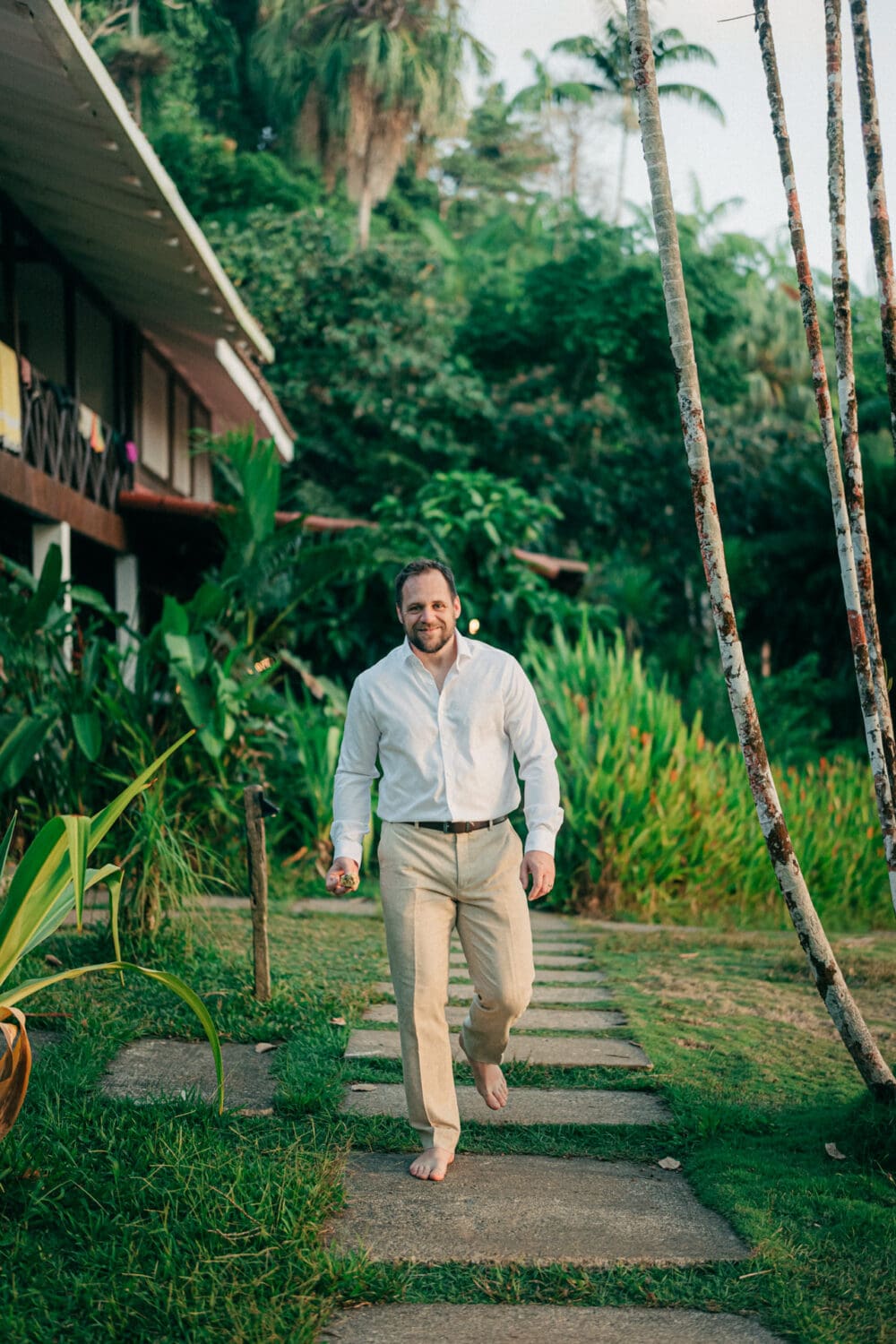
Their ceremony took place just outside their room at La Jungla del Jaguar, beneath the palm trees.

It was only Rebecca and Pascal, the officiant and me.

That suited them.

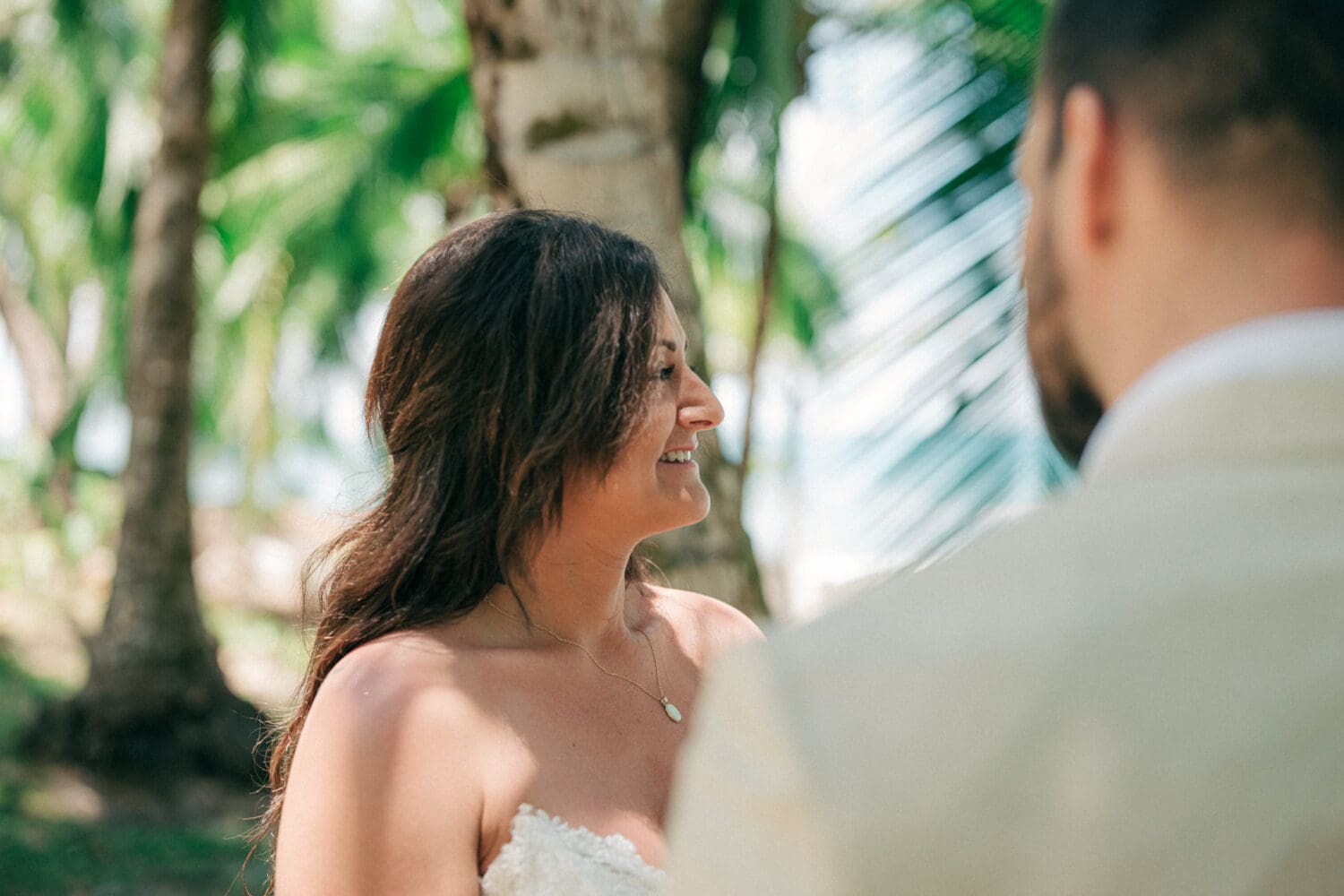
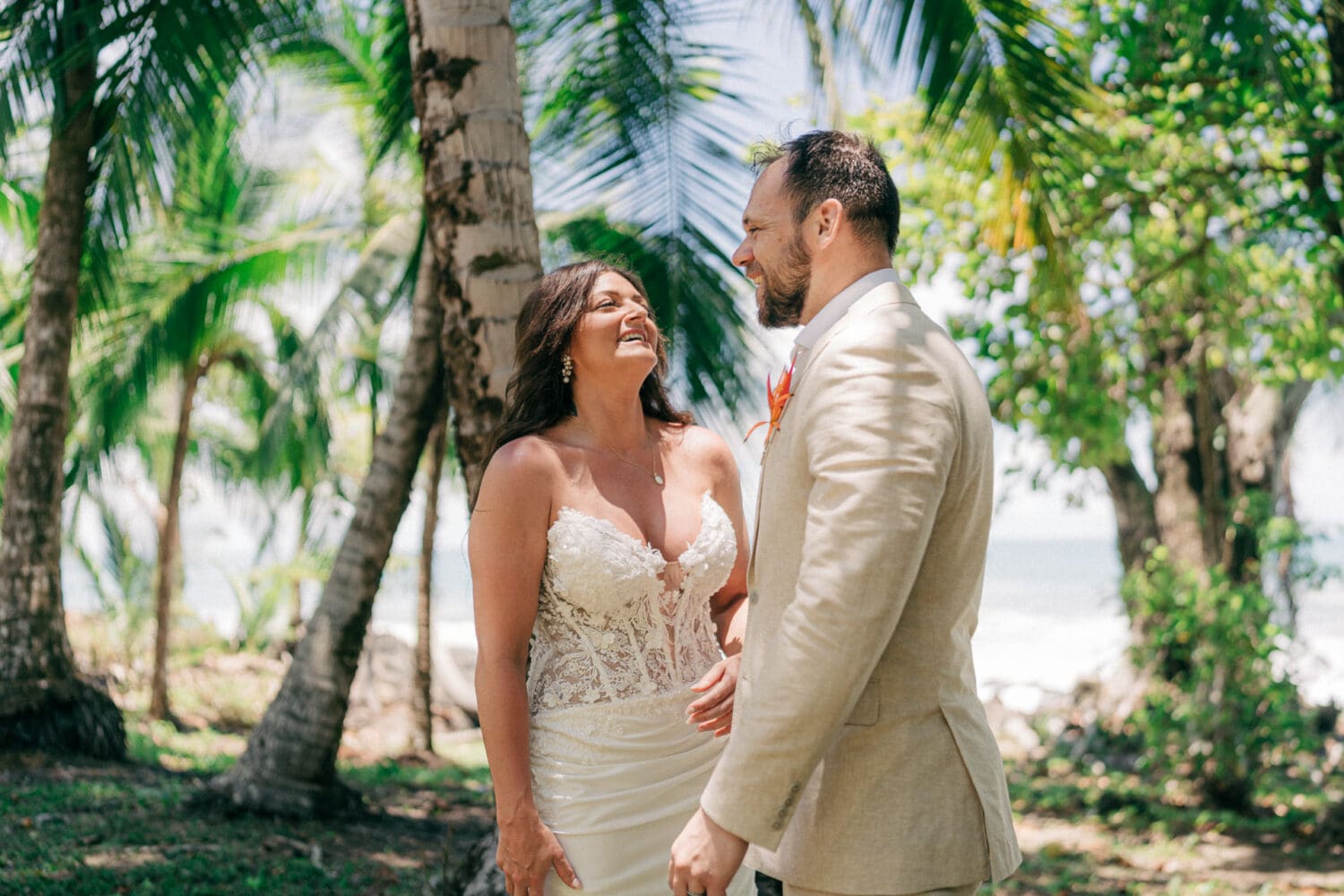
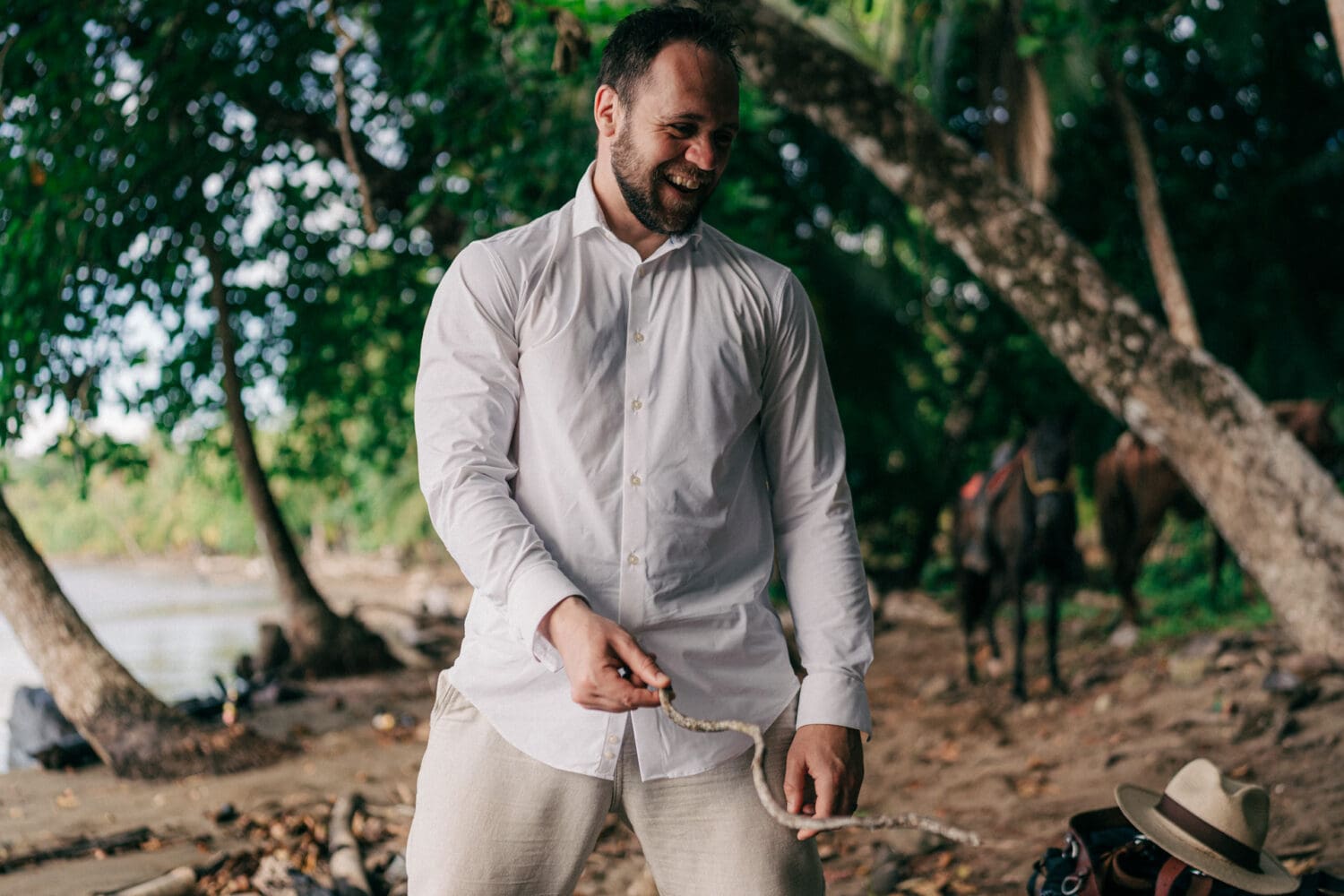
They are relaxed, humble and loving people who weren’t interested in showing off for the camera. My job was to follow that rather than turn their elopement into a photoshoot.

After the ceremony, they changed out of their wedding clothes.

And then we got on horses.

Horseback to San Josecito Beach

The horseback ride toward San Josecito Beach was one of those experiences that makes an Osa Peninsula elopement fundamentally different from simply choosing a beautiful ceremony location.

We weren’t driving from one photo location to another.

We were actually doing something.

The route takes you through the landscape, with a beautiful perspective before descending toward San Josecito. For a couple who likes adventure, I would absolutely recommend it.

Photographing it was another story.

I normally work very simply. One camera, one lens and as little equipment between me and what is happening as possible.

On this day, however, I was producing both photography and video.

Trying to ride a horse while carrying two cameras on a HoldFast MoneyMaker, making photographs and capturing video was considerably more difficult than I expected.

But that’s also why I don’t want to turn an elopement like this into a production.

Rebecca and Pascal were there to ride horses through the Osa Peninsula, not to wait while I constructed shots.

I had to work around what they were doing.

That’s a big part of my documentary training: being able to photograph and film what is actually happening while interfering as little as possible.

Changing Back Into Wedding Clothes for Sunset

After the horseback portion of the day, Rebecca and Pascal changed back into their wedding clothes.

Then the light gave us exactly what we wanted.

The sunset was beautiful.

One of the advantages of an elopement like this is that you aren’t committed to wearing wedding clothes from breakfast until dinner. You can treat the day as an experience first.

Have the ceremony.

Change clothes.

Get on a horse.

Explore.

Then put the wedding clothes back on when the light and location make sense.

For Rebecca and Pascal, that gave the day a rhythm that felt natural rather than scheduled around photography.

After sunset, we returned for dinner.

Groom on horseback following his bride down a coastal road on the Osa Peninsula, Costa Rica

Photographing Photo and Video Alone in the Osa Peninsula

I photographed this elopement with a Leica SL and Leica Summilux-SL 50mm f/1.4.

For video, I used a Sony A7 III with a Sony 35mm f/1.4 GM, and I also carried a DJI Mini 2 for aerial footage where conditions allowed.

I was working alone across both photography and video, which is something I do frequently.

My background in documentary and editorial photography and video has shaped the way I work in situations like this. I don’t want a couple’s elopement surrounded by equipment and people simply because I need to produce different types of coverage.

The equipment needs to follow the experience, not the other way around.

That becomes even more important somewhere like the Osa Peninsula.

What Happens When You’re Far From a Camera Store

Being remote changes the way you prepare.

La Jungla uses solar electricity with battery storage, and power availability is limited. I didn’t have a charging problem because I arrived with everything charged and didn’t use all of the battery capacity I carried.

For the cameras, I had two bodies with two batteries each. For the drone, I carried three batteries.

The important part wasn’t having an enormous amount of equipment.
It was redundancy.

If one camera had failed, I could have completed both the photography and video coverage with the other one.

That’s how I prefer to prepare for remote weddings. The backup should be something I can actually continue working with, not just something that technically exists in my bag.

Humidity also wasn’t a problem.

I’ve worked in Costa Rica long enough to know how to manage equipment in tropical conditions. Overnight, rather than sealing the cameras inside a bag, I left them open in the room with the fan running so air could circulate and moisture wouldn’t sit around the equipment.
Nothing failed.
And that’s the ideal outcome.

Preparation isn’t supposed to become part of the wedding story. It’s supposed to make sure the story can continue when something unexpected happens.
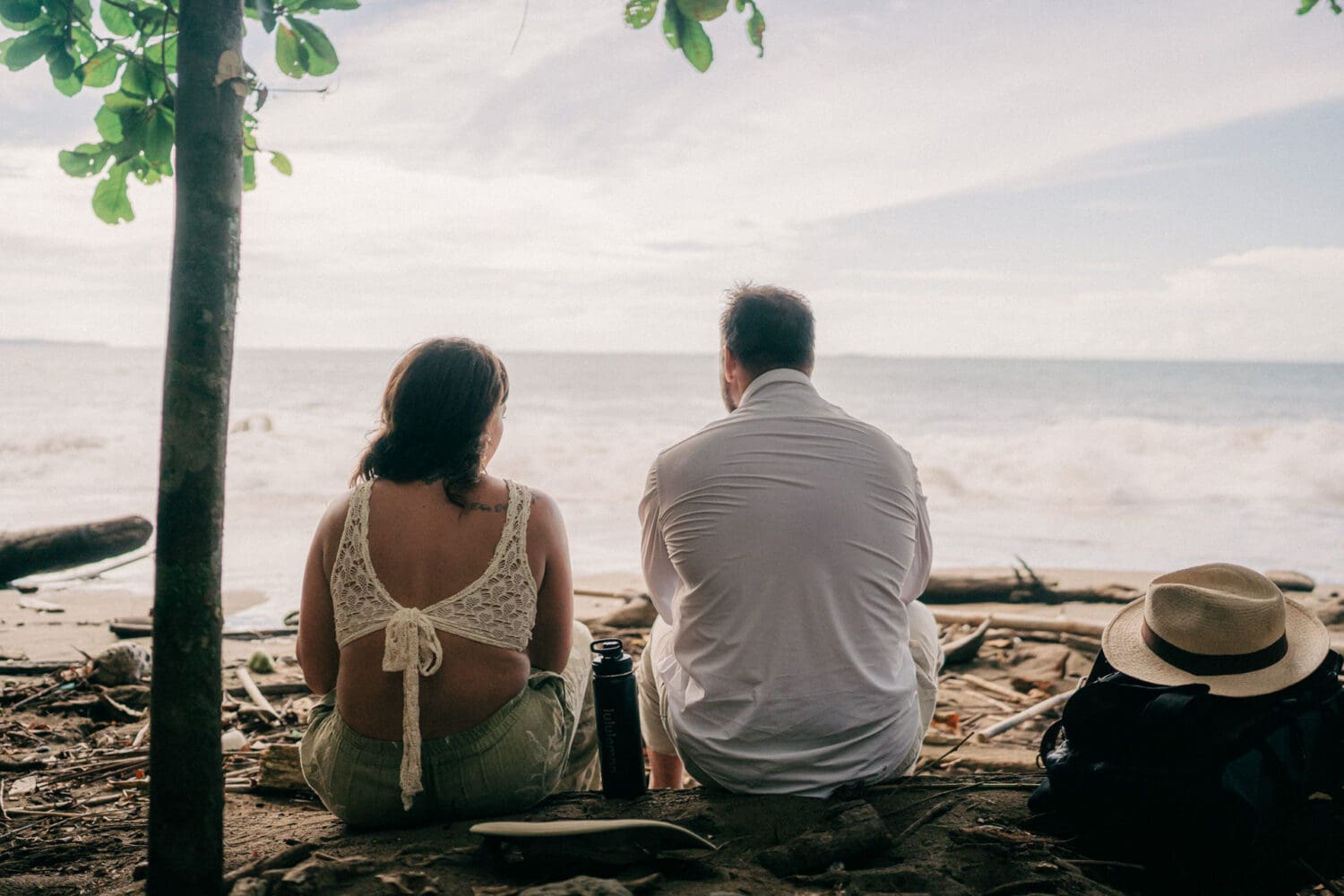
Eloping couple sitting on a wild beach on the Osa Peninsula, Costa Rica

An Insider’s Look at La Jungla del Jaguar

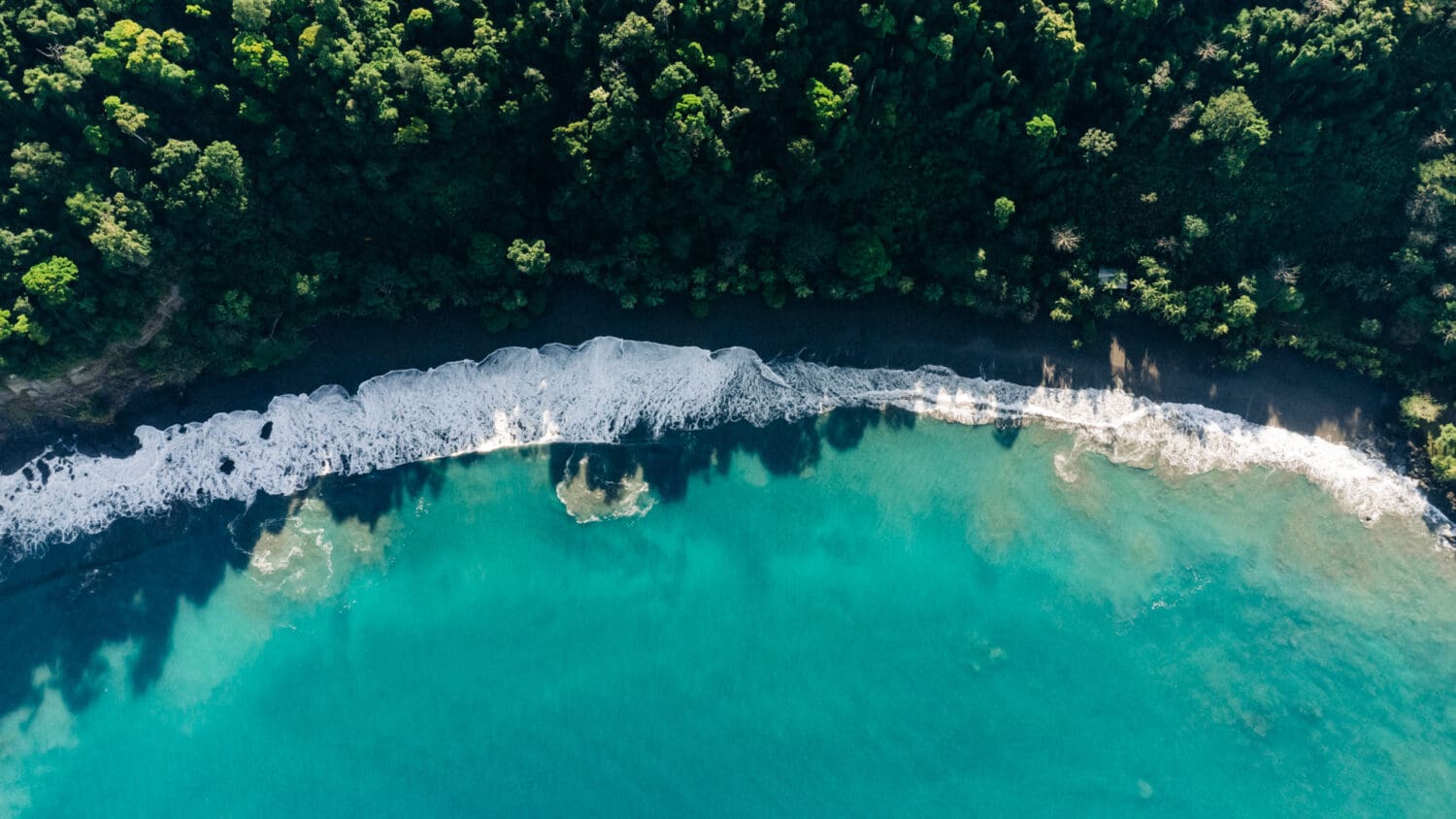
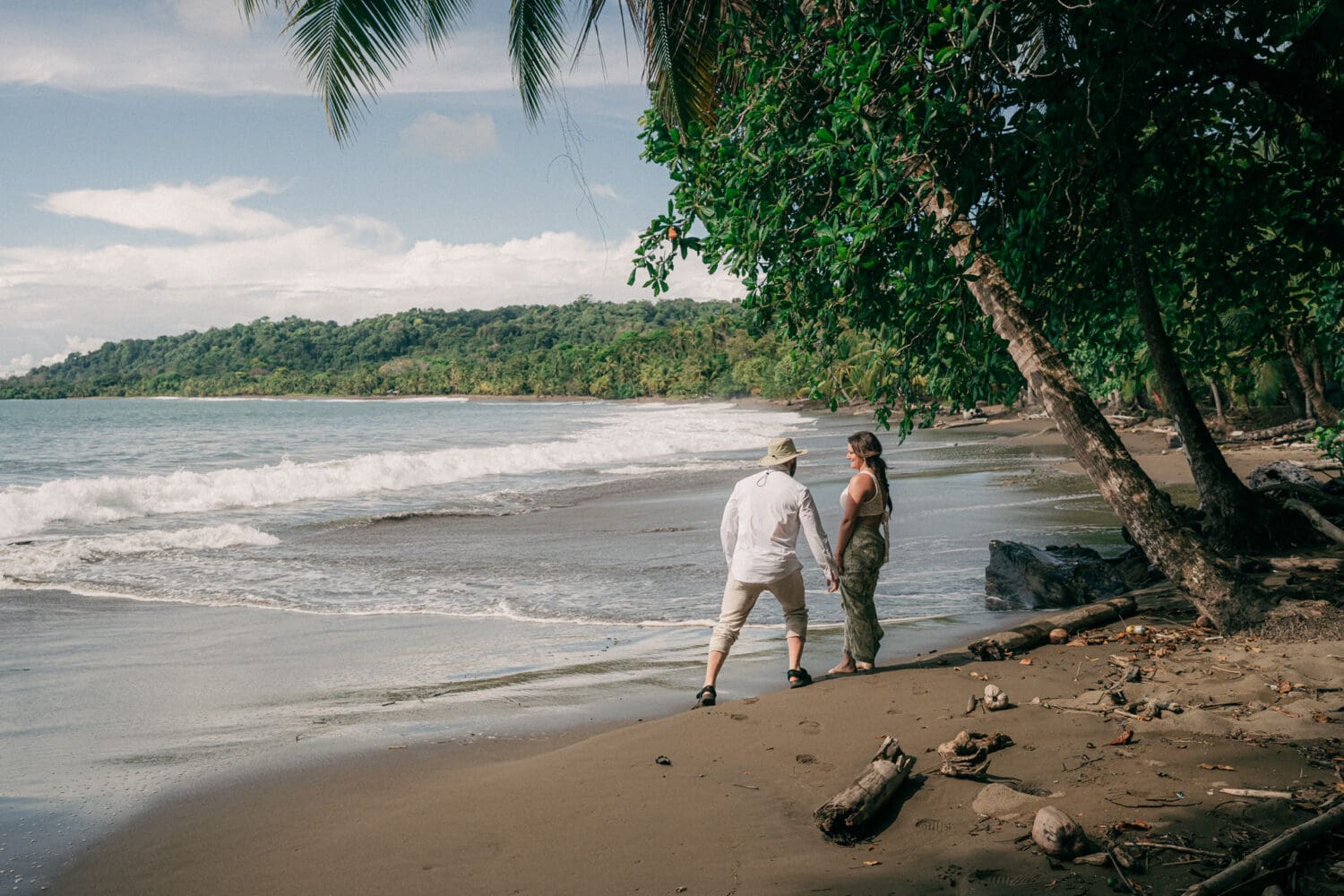
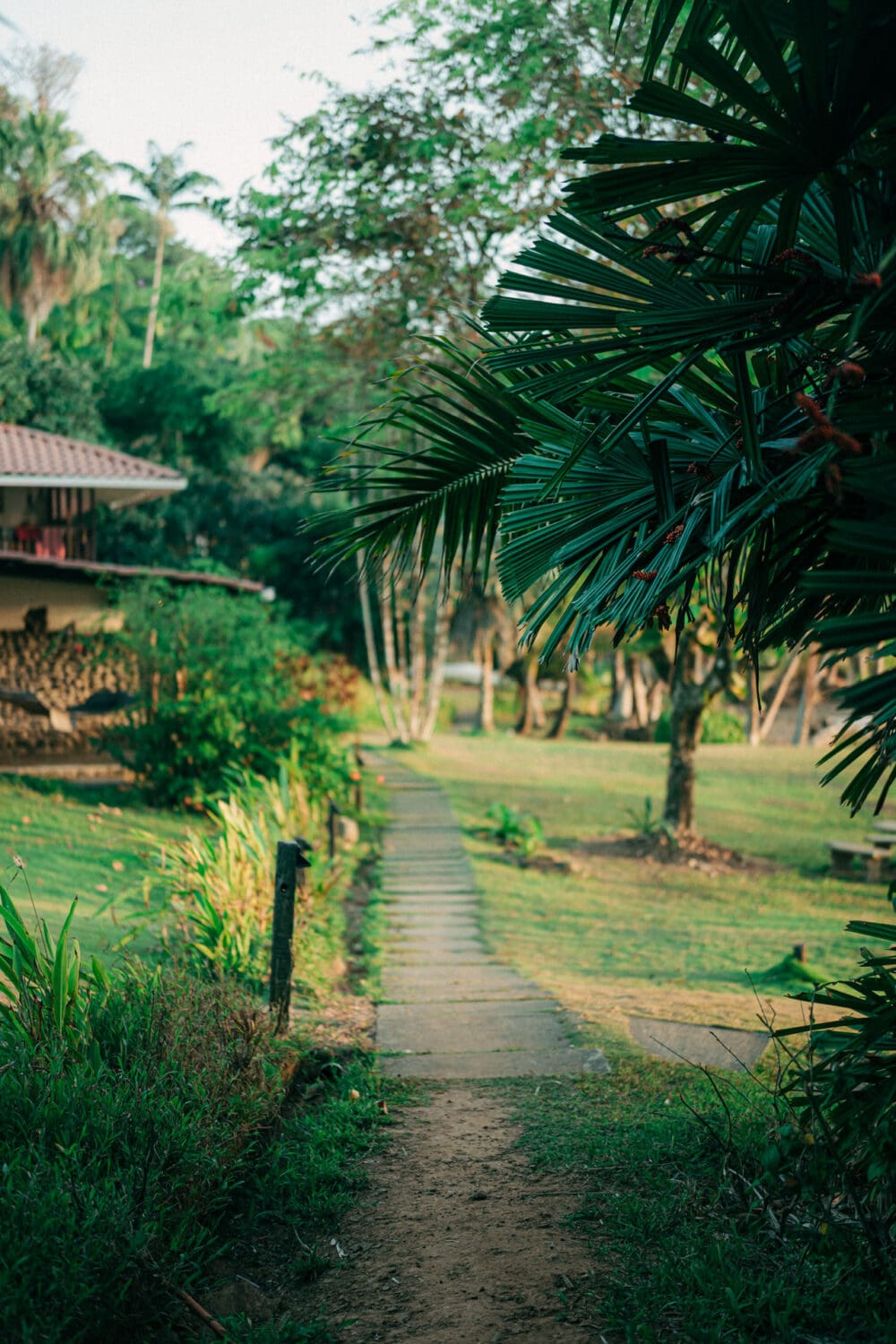
The beach immediately beside La Jungla is one of the things photographs don’t completely explain.

It feels almost untouched.

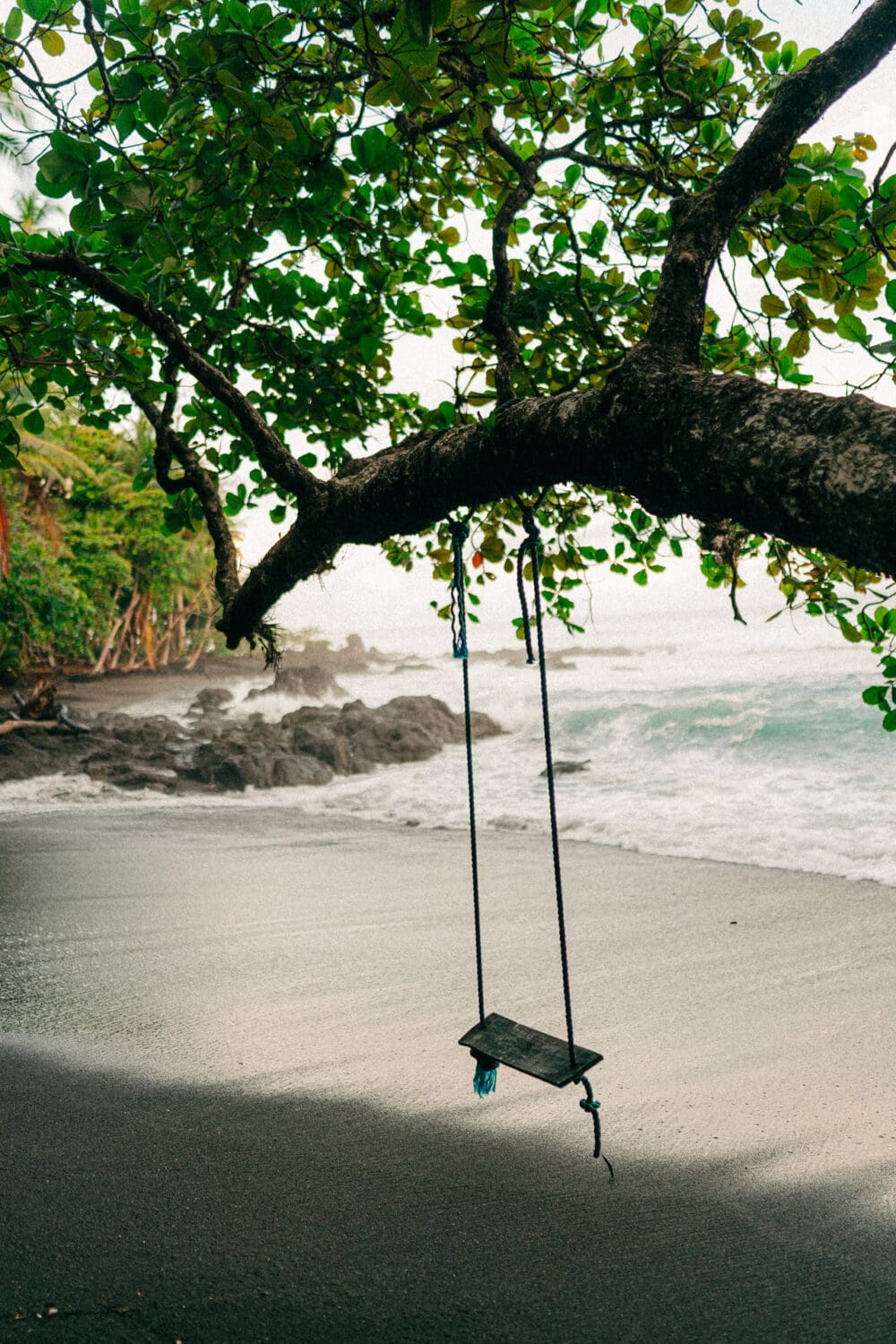
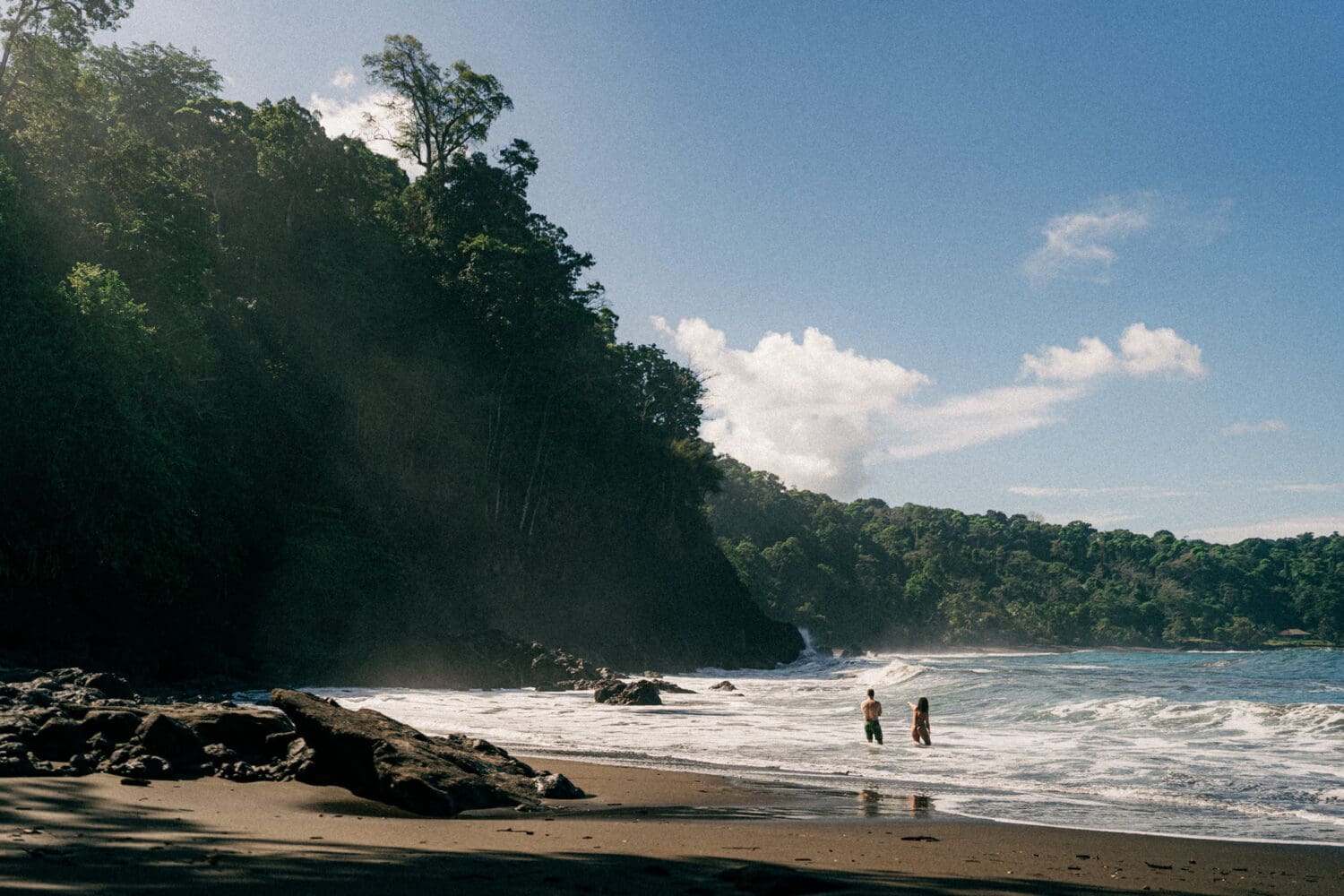
There aren’t rows of chairs, buildings along the shore or crowds to work around. It has the kind of tropical landscape that can look almost unreal because there is so little obvious human alteration.

And then there’s the wildlife.

Birds, monkeys, anteaters and the constant sounds of insects and animals remind you that you’re staying inside a much larger ecosystem.

At night, it becomes especially noticeable.

It gets dark, and instead of hearing traffic, bars or a resort outside your room, you hear everything happening in the forest.

This is also where the Osa Peninsula feels fundamentally different from some of Costa Rica’s more accessible jungle destinations.

In places such as Arenal and La Fortuna, beautiful locations often mean thinking about other visitors and finding ways to photograph around them.

Here, there was nobody to avoid.

You really can feel alone.

The Tide Matters More Than Your Timeline

There is another practical reality couples should understand: access is connected to the ocean and the tide.

Because La Jungla is reached by boat rather than road, transportation doesn’t operate like arriving at a conventional resort whenever you choose.

During my trip, there was a morning boat and an afternoon boat.

That affected my own schedule. I needed to stay overnight rather than leave immediately after the elopement.

Instead of treating that as dead time, I asked Rebecca and Pascal if they wanted to go out again the following morning.

I offered the extra coverage to them at no additional charge.

We went for a morning hike and then photographed on the beach immediately beside La Jungla.

It became another piece of their story that hadn’t originally been planned.

That’s something I like about working this way. Not every good photograph has to exist on a timeline before you arrive.

Sometimes being somewhere longer creates the photograph.
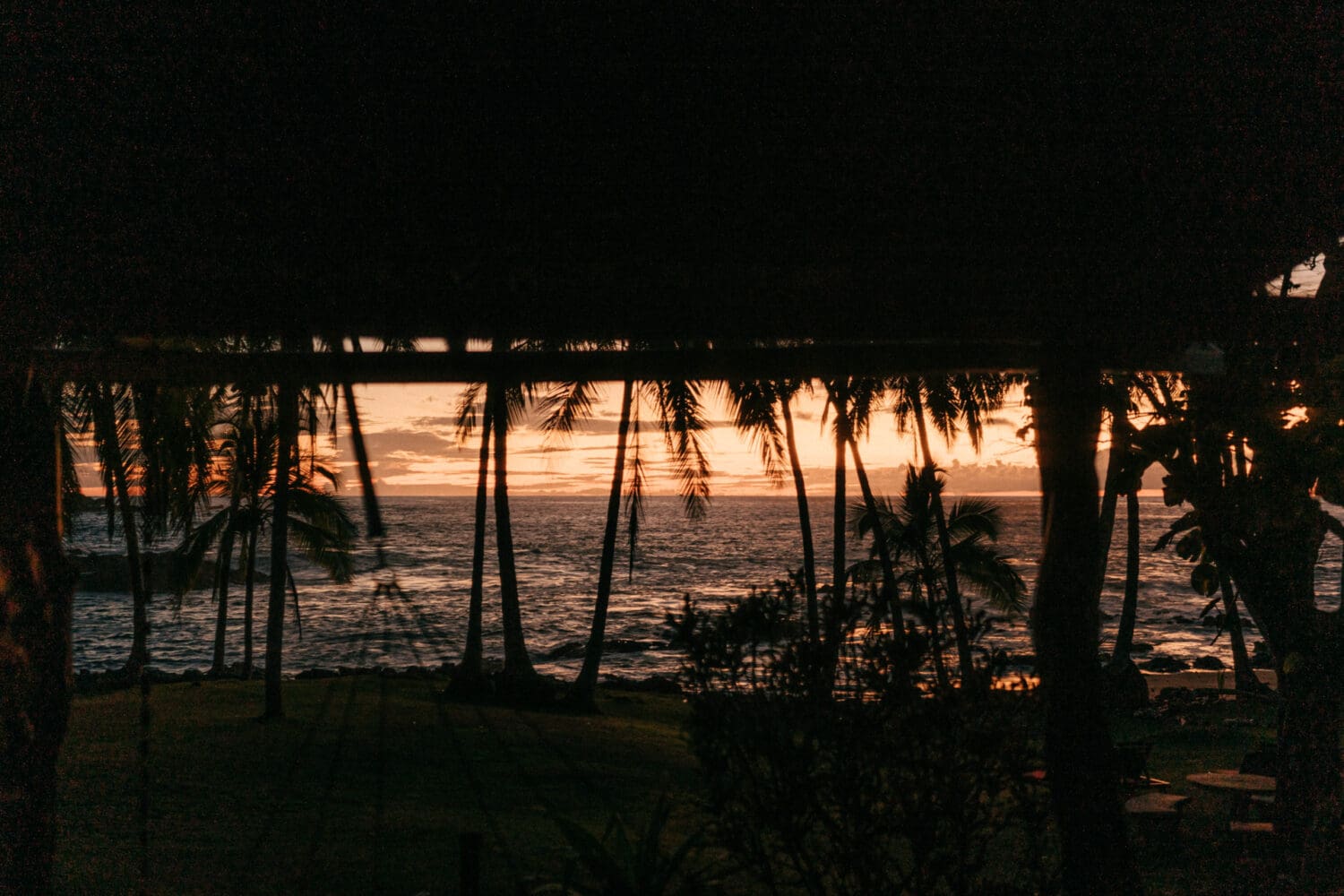
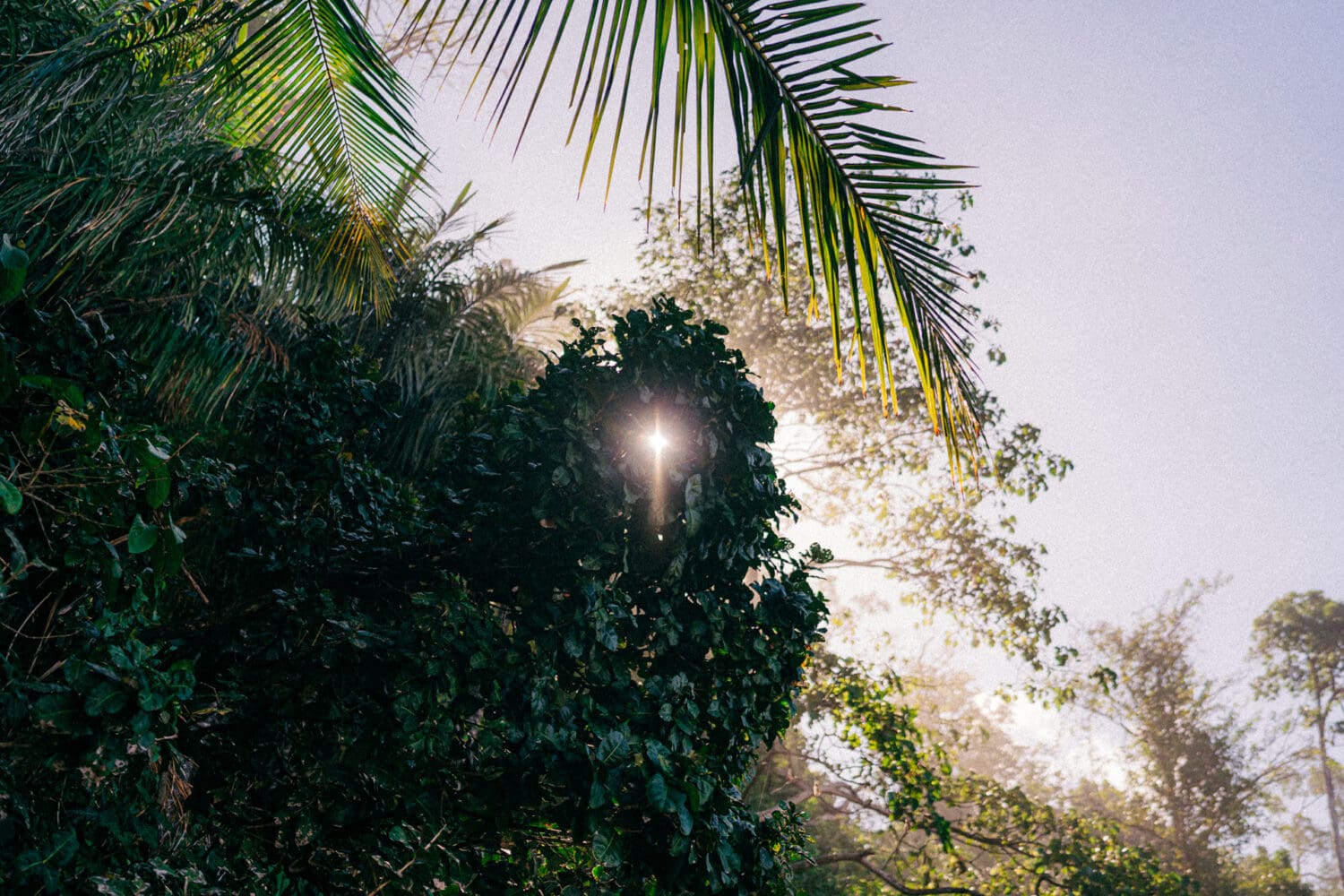
Sunset through the palm trees on the Osa Peninsula, Costa Rica

What I Would Tell a Couple Considering an Osa Peninsula Elopement

My first reaction would be:

Yes. Do it.

But you should know what you’re saying yes to.

I would stay at least three or four days. Getting married the day after arriving is perfectly reasonable, but don’t treat the Osa Peninsula as somewhere you squeeze between two other stops on a Costa Rica itinerary.

For the practical steps before you travel, read my Costa Rica elopement planning guide. The guide to places to elope in Costa Rica can help you compare this remote rainforest experience with other settings.

Explore elopement experiences View elopement collections

Give it time.

You don’t have to be extremely fit or turn the elopement into an expedition. La Jungla can be surprisingly easy if you want it to be. But you can also add hiking, horseback riding and other adventures if that’s part of what brought you there.

You should also be comfortable with nature being in control.

It can rain.

It is hot.

There are mosquitoes.

Boats depend on conditions and tides.

You may occasionally be uncomfortable.

If you need predictable temperatures, polished luxury at every moment and immediate access to everything, this probably isn’t the right place. La Jungla is an amazing place to stay, but it isn’t the Four Seasons.

If you’re adventurous, easygoing, comfortable with a little unpredictability and excited by the idea of experiencing nature in one of its purest forms, it’s difficult to imagine a more appropriate place to elope.

La Jungla del Jaguar and Corcovado

Part of what makes this location exceptional is its relationship with Corcovado National Park.

La Jungla del Jaguar sits on the edge of this extraordinary part of the Osa Peninsula, with access to the deep rainforest that defines the region. The experience isn’t simply looking at jungle from a hotel balcony. You’re living beside it.

The property can even serve as a starting point for deeper experiences in Corcovado, including overnight camping excursions into the park.

That’s why I wouldn’t describe an Osa Peninsula elopement as simply another version of a jungle wedding in Costa Rica.

It is a different commitment.

You take a boat to get there. You organize your days around the environment. Wildlife is part of everyday life. The beach can feel almost completely untouched. And civilization is roughly an hour and a half away by boat.

For Rebecca and Pascal, that was exactly what they had come looking for.
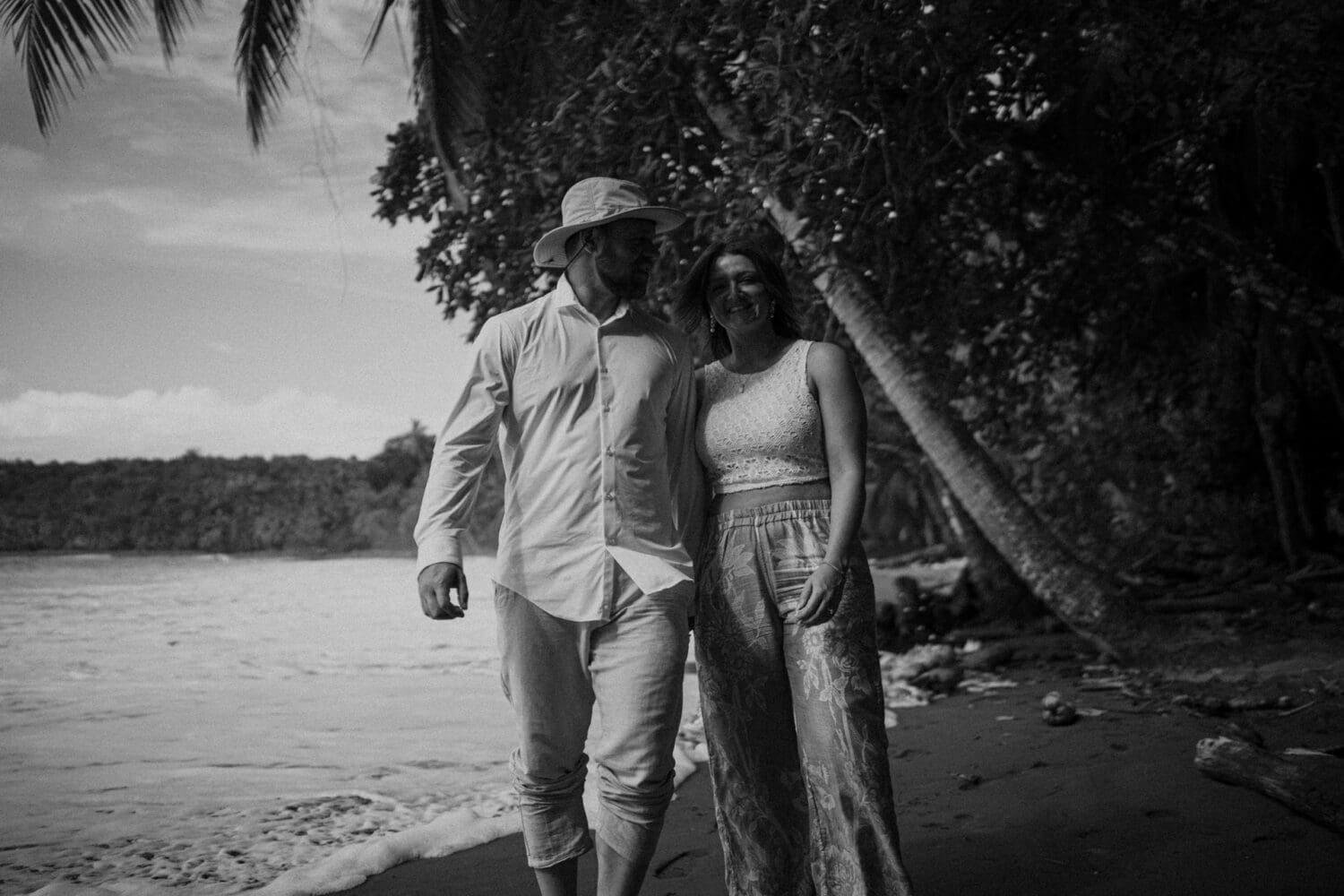
The Kind of Elopement You Remember as an Adventure

Rebecca and Pascal didn’t travel all the way to the Osa Peninsula because they needed a beautiful background for wedding photographs.

They wanted to go somewhere remote together.

The photographs came from that decision.

A ceremony beneath palm trees.

A horseback ride toward San Josecito.

Changing back into wedding clothes for sunset.

Dinner in the jungle.

A night surrounded by the sounds of the forest.

And, because the boat wasn’t leaving until morning, an unexpected final chapter walking and photographing together on an almost empty beach.

That’s what I think an adventure elopement should be.

Not a photoshoot dressed up as an adventure.

An actual experience that happens to leave you with photographs.

Planning an Osa Peninsula elopement La Jungla del Jaguar?

If the idea of getting married somewhere genuinely remote sounds more exciting than inconvenient, tell me what you’re imagining.

I photograph elopements throughout Costa Rica with a documentary approach, using photography and video to follow the experience rather than interrupt it.
 

Costa Rica Green Season Wedding Guide | Rain, Timing & Plan B

Costa Rica Green Season Wedding Guide | Rain, Timing & Plan B

Costa Rica Green Season Wedding. If you’re considering a wedding in Costa Rica between May and November, someone has probably already warned you about the rain.

Here’s what I would tell you after more than 18 years photographing weddings here:

Don’t plan your wedding around hoping it won’t rain. Plan it knowing that it might.

Costa Rica’s green season can bring rain, sometimes a lot of it. But rain does not automatically mean a ruined wedding, a ruined ceremony or ruined photographs. The important part is understanding how the weather behaves, choosing a venue that has a real backup, leaving some flexibility in the timeline and working with people who know how to stay calm when conditions change.

I’ve photographed couples who continued through heavy rain and couples who had to stop for several hours and continue later.

Both had great weddings.

The difference was not that one wedding had rain and the other didn’t.

It was knowing what to do when the rain arrived.

Kelsey and Tucker cloud forest elopement at Hotel Villa Blanca, Costa Rica green season wedding

Is green season a good time to get married in Costa Rica?

Yes, if you’re comfortable with some weather flexibility.

Green season generally runs from May through November, but “rainy season” can give you the wrong idea. It does not mean that it rains continuously from morning until night. Costa Rica’s tropical weather often follows a daily rhythm in which mornings can be relatively clear, clouds build as the day warms, and showers become more likely later in the day.

That pattern varies considerably depending on where you are.

Guanacaste does not behave exactly like Manuel Antonio. Arenal does not behave exactly like the Caribbean. Even within the same region, mountains, elevation and local conditions can change what happens at a particular venue.

And there is another important detail:

The weather can change quickly.

That is why I don’t think a weather forecast should be the thing that decides whether your wedding is going to be enjoyable.

Your plan should.

Green season wedding checklist

If you’re planning a Costa Rica wedding during green season, here’s what I would do.

Before booking your venue

  • Ask what the exact rain backup is.
  • Go and see the backup space if possible.
  • Find out how quickly it can be prepared.
  • Check whether it still looks good for photographs.
  • Ask how the venue handles a last-minute weather change.
  • Think about whether you would prefer a tent, covered terrace or indoor space.

Before the wedding

  • Talk honestly with your partner about rain.
  • Decide how comfortable you are getting wet.
  • Consider your dress, suit, hair and makeup.
  • Tell your photographer how you feel about rain photographs.
  • Leave some flexibility in the timeline.
  • Know where your indoor photography options are.

On the wedding day

  • Don’t panic when you see clouds.
  • Let your planner and photographer assess the conditions.
  • Keep the Plan B available.
  • If the weather is manageable and you want to embrace it, go outside.
  • If the rain is too heavy, wait.
  • Remember that changing the timeline doesn’t mean losing the experience.
A moment from the luxury beach wedding of Lauren and Shae at RIU Guanacaste, Costa Rica green season wedding

What is Costa Rica’s green season actually like?

Green season is the local name many people use for what is also called the rainy season or wet season. It is roughly May through November. The Costa Rica Green Season Wedding.

The simplest way to understand it is not as “six months of rain,” but as a season with a greater possibility of tropical rainfall and a very different landscape.

A typical Pacific day can develop something like this:

Morning: clearer skies or sunshine.

Late morning: temperatures rise and clouds begin developing.

Afternoon: showers become more likely.

Later afternoon and evening: conditions may improve again.

That is a pattern, not a promise. Some days remain dry. Some storms arrive earlier. Some days bring short showers, while others bring much heavier rain.

The research behind this guide identifies this daily convective cycle as one of the most important things couples misunderstand about green season. Tropical heating drives evaporation and cloud development, which can lead to localized afternoon showers.

So when someone says, “It’s rainy season,” that isn’t enough information to plan a wedding.

You also need to know:

Where?

What month?

What time of day?

What does the venue have available if the weather changes?

What is the veranillo?

If you’re considering July, you may hear the word veranillo, or “little summer.”

It refers to a period of relatively reduced rainfall that can occur during the middle of the green season, particularly along parts of the Pacific slope. It can bring stretches of clearer weather during a season that is generally wetter.

It is one reason I wouldn’t look at the words “green season” and assume that every month behaves the same way.

The same goes for September and October.

Those months can be very wet on parts of the Pacific coast, while the Caribbean coast can experience a very different weather pattern.

This is why Costa Rica wedding weather should always be considered regionally, not just nationally.

Where should you get married during green season?

There isn’t one Costa Rica weather pattern.

The country has several distinct microclimates, and your location can make a major difference.

Guanacaste and the North Pacific

Guanacaste is generally the drier part of the Pacific side of Costa Rica.

During green season, the landscape changes dramatically. The dry tropical forests become much greener, and the contrast between the dry-season landscape and green season can be significant.

For couples who want a beach wedding but are concerned about rain, Guanacaste is an important region to consider.

It is still tropical weather, so rain is possible. But the rainfall pattern is different from the wetter rainforest regions farther south.


Manuel Antonio, Uvita and the South Pacific

The Central and South Pacific receive considerably more rainfall, with rainforest vegetation meeting the ocean.

That can mean more dramatic weather during the wetter months.

It also means an extremely lush environment.

If you are attracted to Costa Rica because you want dense tropical vegetation, waterfalls, jungle and that deep green landscape, this is part of the trade-off.

You’re choosing a landscape that depends on rain.


Arenal and La Fortuna

Arenal has its own volcanic microclimate.

Weather can change around the volcano, and rain is part of what makes the region what it is.

Waterfalls are full.

The rainforest is intensely green.

Mist can become part of the landscape.

For a wedding or elopement here, I wouldn’t approach rain in exactly the same way as I would approach a beach wedding in Guanacaste.

The environment itself is already telling you what kind of place you’re in.


The Caribbean

The Caribbean is one of the reasons you should never make a Costa Rica wedding decision based only on a national “rainy season” calendar.

September and October can be among the wetter months on the Pacific side while the Caribbean coast can experience a much drier period.

So if you’re considering September or October, don’t simply ask:

“Is Costa Rica rainy?”

Ask:

“Which part of Costa Rica?”

Kelsey and Tucker cloud forest elopement at Hotel Villa Blanca, Costa Rica green season wedding

Costa Rica Green season wedding vs. Costa Rica Dry season wedding

The difference isn’t simply “rainy versus sunny.”

It changes the entire visual environment.

Green Season Dry Season
Rain Greater possibility of tropical showers Generally drier
Landscape Lush, saturated vegetation Drier tropical landscape
Light More cloud cover and softer light More direct sunshine
Planning Requires more flexibility More predictable for outdoor events
Atmosphere Tropical, green, sometimes dramatic Brighter and more consistently sunny
Photography Clouds, wet foliage and post-storm light Strong sunlight and clear skies

There isn’t a universal winner here.

If you want guaranteed dry weather, green season involves more uncertainty.

If you love lush vegetation, softer light and don’t mind adapting to weather, green season has something different to offer.

And for photography, that difference can be significant.

A moment from the luxury beach wedding of Lauren and Shae at RIU Guanacaste, Costa Rica green season wedding

What time should a Costa Rica green season wedding ceremony start?

For a wedding, my preference is usually the sunset hour.

I don’t automatically move a ceremony earlier simply because it’s green season.

My experience is that rain on the Pacific side often develops around noon and through the afternoon, while conditions can clear toward the end of the day.

But there is an important exception.

If there is strong evidence that rain is definitely coming, I would rather move the ceremony a little earlier than gamble with it.

This is where experience matters.

I’m not trying to predict the weather perfectly. I’m trying to make a good decision with the information we have.

Elopements are different

For an elopement, I usually recommend a morning ceremony.

The reason isn’t only weather.

You have the whole day ahead of you.

You can get married in the morning and then spend the rest of the day exploring, hiking, swimming, visiting waterfalls or simply going somewhere beautiful together.

A wedding with 80 guests and an elopement for two people don’t need the same timeline.


What should a Costa Rica wedding rain backup plan look like?

A good Plan B is more than somewhere dry.

It should be somewhere that still allows the wedding to feel like your wedding.

My first choice is usually a tent, particularly when it allows you to stay connected to the landscape rather than suddenly moving everyone into a completely different environment.

If the venue has a small hall that can be prepared without disturbing the rest of the property, that can also work very well.

And in extreme circumstances, the reception space itself can become the ceremony space.

The important thing is not having a theoretical Plan B.

It’s knowing exactly what Plan B is.


Questions to ask your venue about rain

Before booking, ask:

  • Where exactly will the ceremony move if it rains?
  • Is that space guaranteed for our wedding?
  • Can it be prepared quickly?
  • Can all our guests fit comfortably?
  • What does it look like?
  • Does it have natural light?
  • Can our photographer work there easily?
  • Can the ceremony and reception still flow naturally?
  • Who makes the final decision about moving?
  • How much notice does the venue need?

A covered space that looks beautiful in photographs is very different from a backup space that simply keeps everyone dry.

Don’t only ask, “Do you have a Plan B?”

Ask to see it.

RIU Guanacaste luxury beach wedding photographed by Christopher Alga of Crissorama costa rica green season wedding

Three Costa Rica venues I’ve seen handle rain well

There are many venues in Costa Rica, and I’m not going to pretend there is one universal list of “best rainy-season venues.”

Instead, here are three places I know from experience that illustrate different approaches.

La Paz Waterfall Gardens

La Paz is a place where rain is simply part of the environment.

They have different options for changing conditions, including kiosks, a salon and tents.

That matters because a venue accustomed to rain doesn’t have to improvise its entire operation when weather changes.


Tabacón Thermal Resort & Spa

Tabacón is also located in a naturally rainy environment.

The important thing from a wedding-planning perspective is that they are accustomed to operating in those conditions.

When you’re considering a green-season wedding, I would rather work with a venue that understands its own weather than one that treats rain as an unusual emergency.


El Mangroove, Papagayo

El Mangroove is another good example for a different reason.

The architecture gives you attractive alternatives if weather means the ceremony needs to move indoors.

That is exactly what I look for in a Plan B.

Not simply:

“Can we fit everyone inside?”

But:

“If we move inside, does the experience still work?”


The biggest mistake couples make during green season

Don’t just have a Plan B. Embrace the possibility of rain.

The biggest mistake I see is not failing to rent enough umbrellas.

It’s not embracing the possibility that rain might happen.

If you’re getting married in Costa Rica, you’re getting married in a tropical country.

Rain is part of the place.

You can prepare for it without spending the entire day hoping it doesn’t happen.

I’ve seen couples become stressed because the first drops appear and everyone immediately starts thinking the wedding is ruined.

But rain doesn’t necessarily mean you need to stop.

Sometimes you continue.

Sometimes you move under cover.

Sometimes you wait.

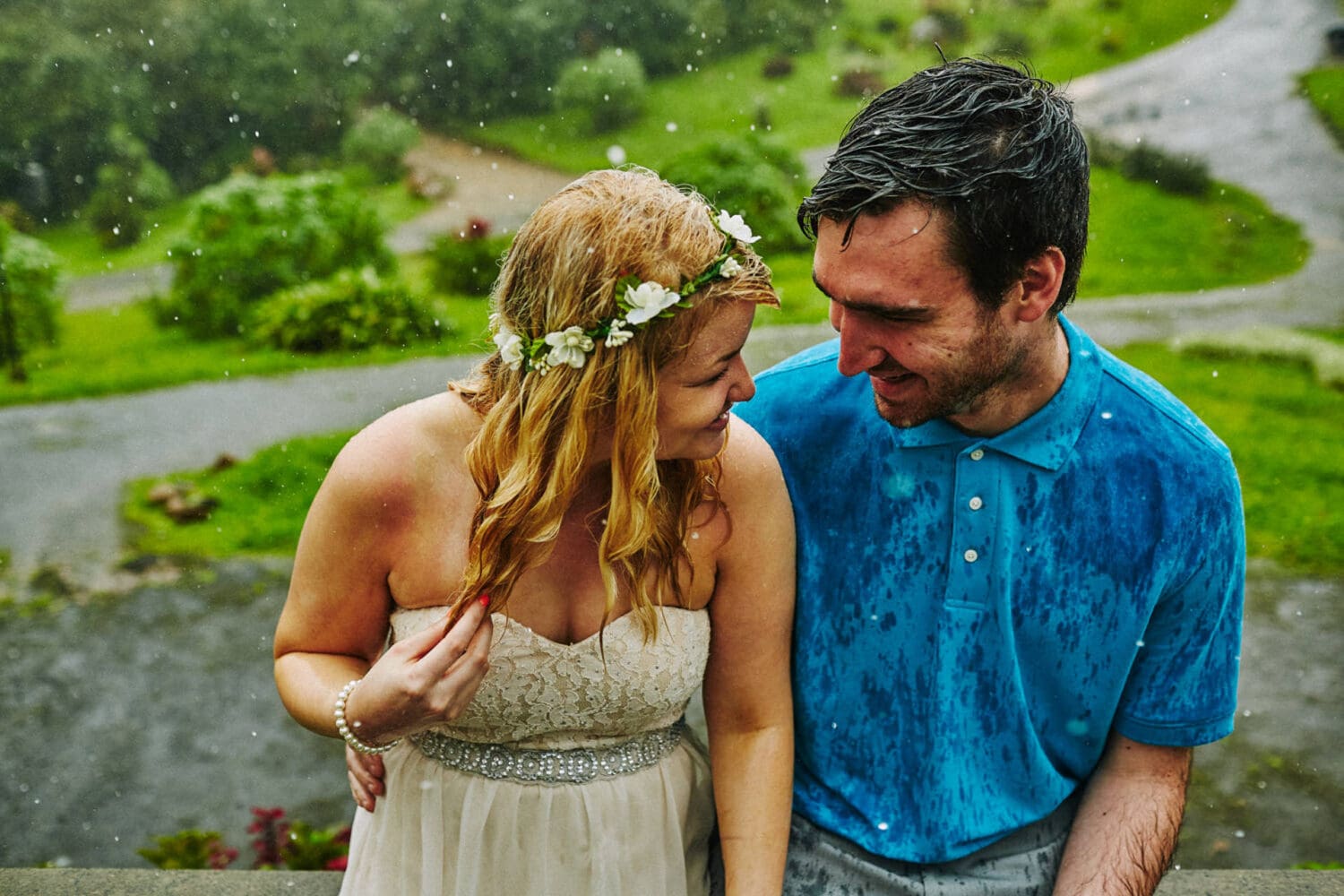
Sometimes you go outside and get wet.

The decision depends on the couple and the conditions.

Documentary photograph from a luxury beach wedding at RIU Guanacaste, Costa Rica

What happens when it actually rains at a Costa Rica wedding?

I’ve seen this play out in very different ways.

Lauren & Shae: when the rain became part of the wedding

At Lauren and Shae’s wedding at the RIU, everything was ready by the beach.

Then it started raining.

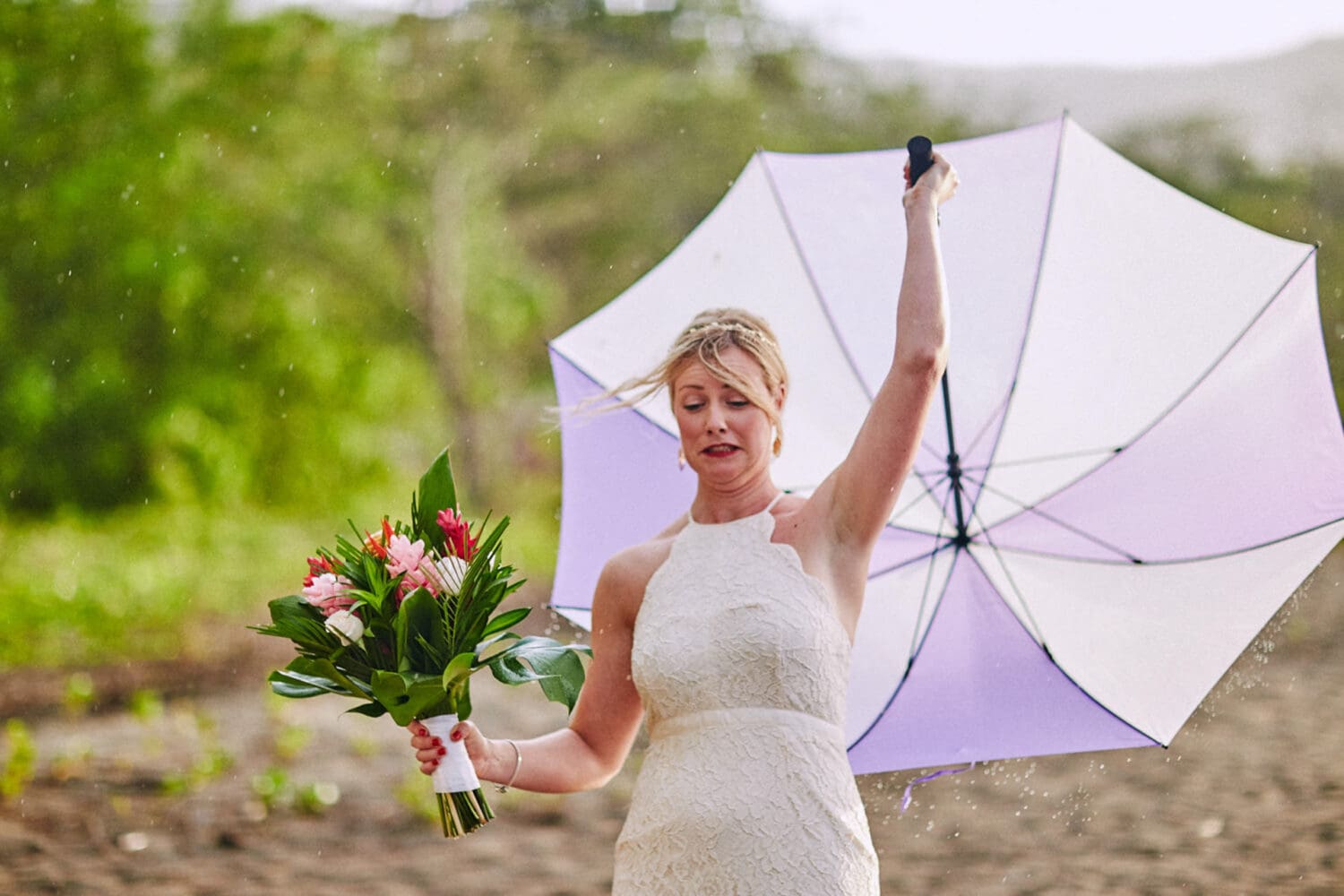
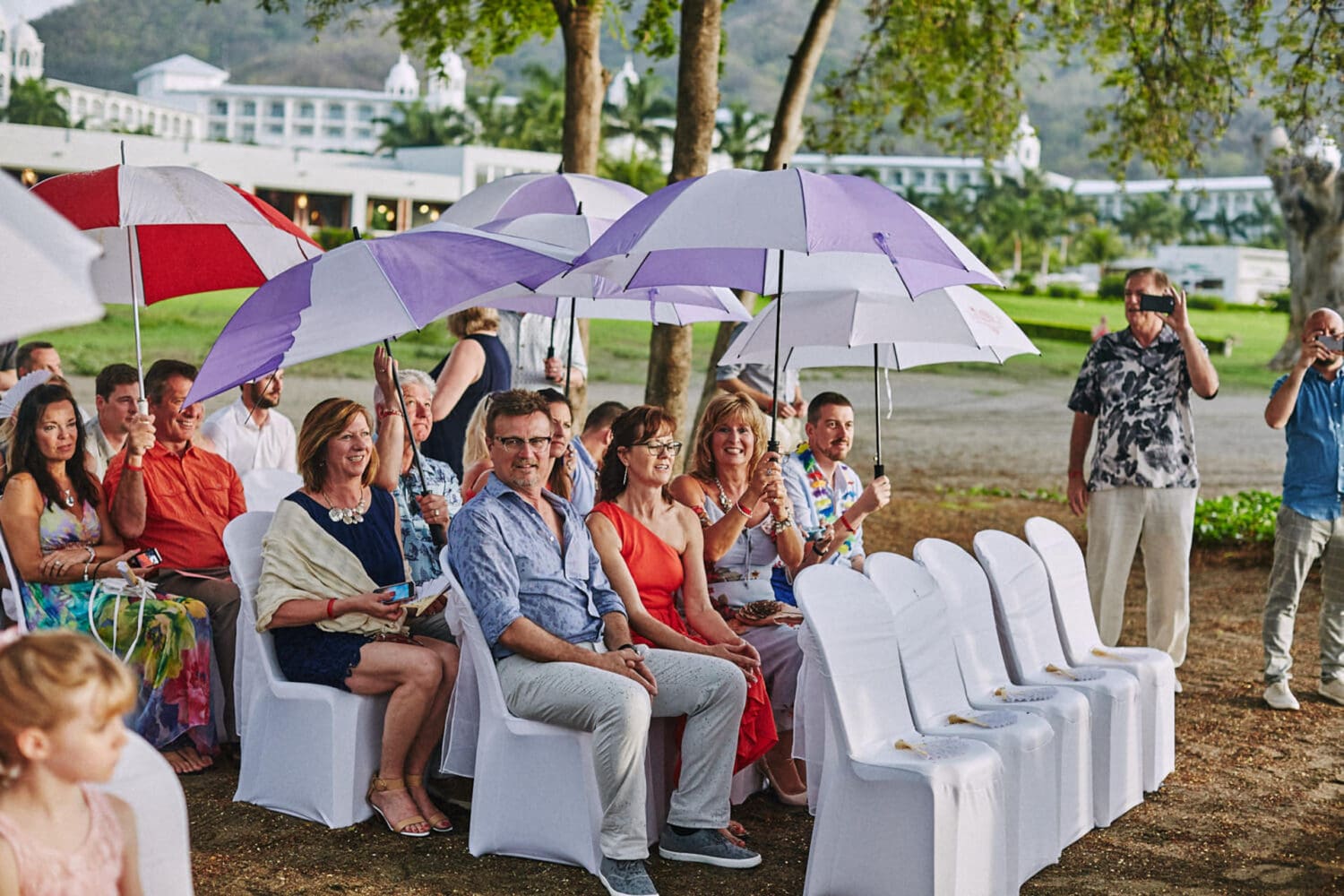
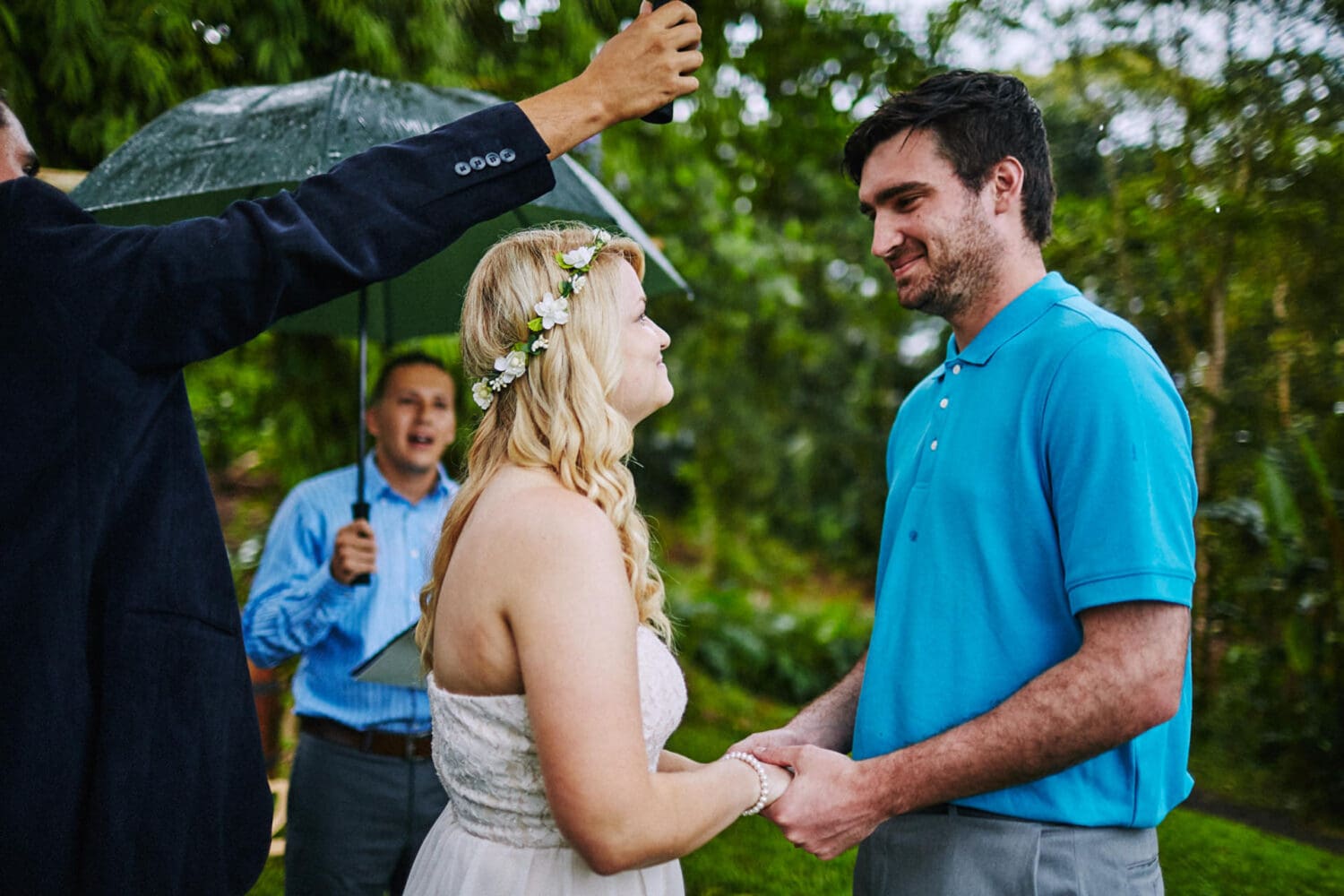
They quickly got umbrellas and continued as if nothing unusual was happening.

They even got into the water.

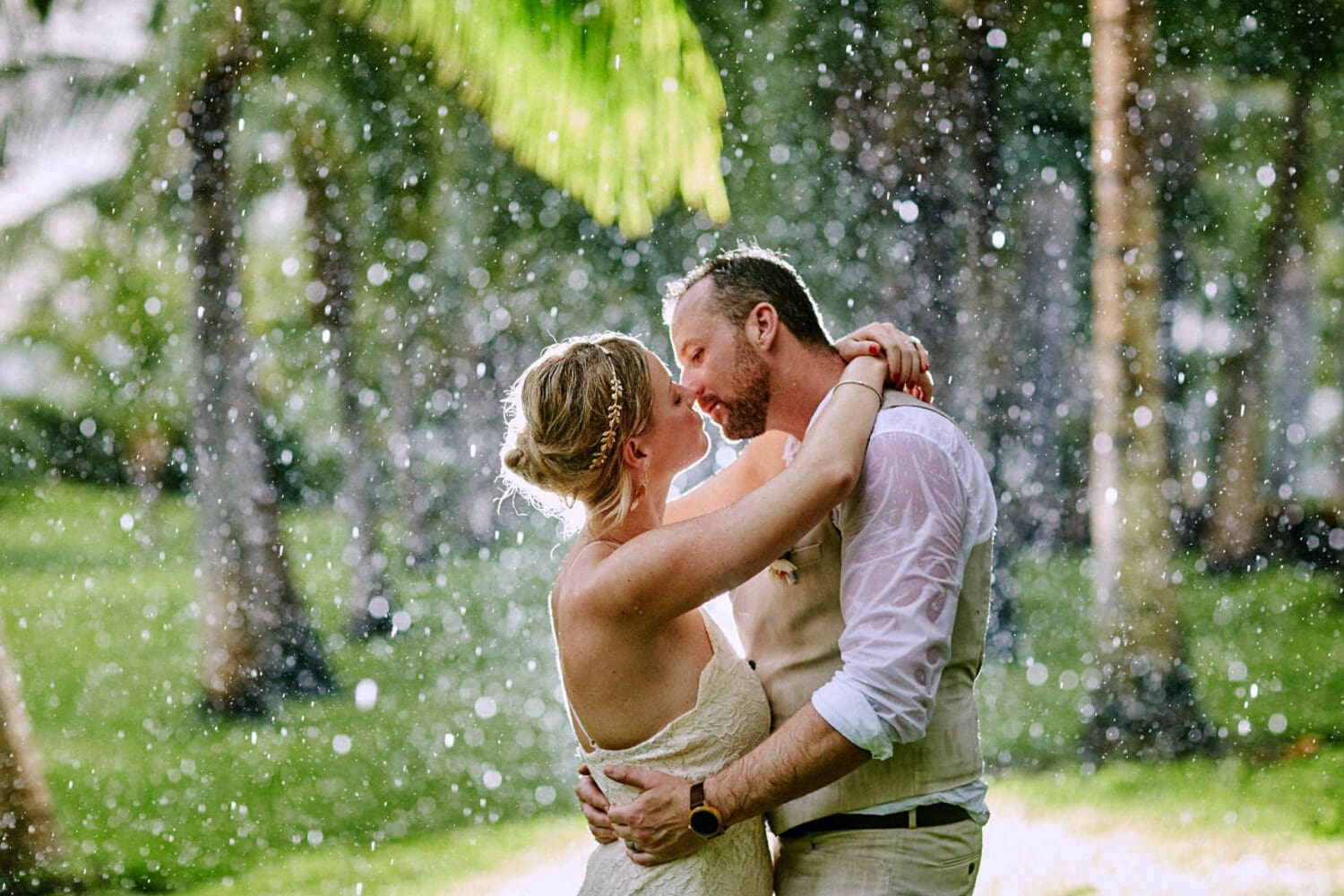
I photographed them under the rain and used a small flash to make the rain visible behind them.

That’s how we made one of my favorite photographs from the day: the two of them kissing, surrounded by falling rain.

What I remember most, though, was what they told me afterward.

They were happy I wasn’t worried about the weather.

They said it was great having me there because I stayed calm and kept doing the job.

That is something I think is easy to underestimate.

The photographer’s attitude can affect how a couple experiences the weather.

If I look worried, start running around and make the rain feel like an emergency, the couple is going to feel it.

If I stay calm, assess the situation and keep working, they can think:

“Okay. This isn’t the end of the day.”

Kelsey and Tucker cloud forest elopement at Hotel Villa Blanca, Costa Rica green season wedding

Kelsey & Tucker: sometimes you should stop

Kelsey and Tucker’s elopement at Villa Blanca was completely different.

The rain became so heavy that we had to stop.

There was no point pretending otherwise.

We waited for a couple of hours.

That changed the schedule. Dinner and some of the later events moved into the evening.

But something interesting happened because of that change.

When we continued, we had blue-hour light.

I combined that light with flash, and we created photographs that belonged to the new version of the day.

They loved the experience.

This is why I don’t tell couples that rain is “never a problem.”

Sometimes it is a problem.

Sometimes the right answer is to wait.

The experience comes from knowing when to keep going and when to stop.


What does a wedding photographer do when rain is coming?

When I arrive at a wedding and see storm clouds building, I don’t immediately tell everyone that a storm is coming.

First, I make sure people are aware of the weather.

I might ask how the weather was the day before.

I look around.

And I start looking for a good indoor location for photographs.

If I find one, I might casually tell the couple:

“I saw this nice place in case we need photos inside.”

That’s it.

I’m not creating panic.

I’m creating an option.

Then I keep watching.


How do you know when rain is coming in Costa Rica?

I’m not a meteorologist, and I’m not pretending that experience lets me predict every storm.

But after years of working here, you learn to pay attention to things beyond an app.

I look at the clouds.

I watch how they’re developing.

And sometimes Costa Rica gives you another little warning.

There can be a breeze just before the rain arrives.

It has a particular smell.

Sometimes you can almost smell the water coming.

Those are small observations, but after doing this for years, they become part of how you work.

A weather forecast can tell me that rain is possible.

Standing at the venue tells me something else.

Hotel Villa Blanca cloud forest elopement photographed by Christopher Alga of Crissorama costa rica green season wedding

Should you take wedding photographs in the rain?

Only if you’re comfortable with it.

The first thing I ask a couple is how they feel about getting wet.

Do you care if your dress gets wet?

Does the suit matter?

What about your hair and makeup?

Are you comfortable standing in the rain for a few minutes?

There isn’t a correct answer.

If they say:

“We love rain. Let’s do it.”

Great.

Let’s get wet.

We can use umbrellas.

We can use flash.

We can make the rain visible.

We can work with reflections, wet vegetation and whatever the weather is giving us.

If they say:

“Absolutely not. I don’t want my dress or hair getting wet.”

That’s completely fine too.

We stay inside.

We find beautiful scenarios.

We use the architecture.

We work with the available light.

The important thing is:

I never force the couple.

Make them feel great and they will look great in the photographs.


Can rain actually make Costa Rica wedding photos better?

Sometimes, yes.

Not because rain automatically makes every photograph better.

But because it changes the light and the environment.

Cloudy conditions can be very helpful for photography because the light becomes softer and less directional. You can often photograph more comfortably at different hours without fighting strong tropical sunlight.

And the colors can become intense.

Green vegetation becomes more saturated.

Wet surfaces reflect light.

The air can feel different after a storm.

And when the clouds finally break, the light can change very quickly.

That can create some extraordinary moments.

Rain also gives you another photographic tool

With flash, falling rain can become visible in the background.

That’s what I did with Lauren and Shae.

Without the rain, that photograph wouldn’t exist.

With Kelsey and Tucker, waiting for the weather gave us something completely different: blue-hour light combined with flash.

So I don’t think of rain as a photographic effect that you force into every wedding.

I think of it as another condition to work with.


What international wedding photographers often underestimate about Costa Rican rain

The rain can be much stronger than people imagine.

Someone coming from a drier climate can look at a forecast and think they understand what “rain” means.

Tropical rain can be another experience entirely.

I’ve also seen photographers discover that their equipment wasn’t as weather-sealed as they thought it was.

That’s one reason local experience matters.

You need to know when to protect the equipment, when you can continue working, where you can move quickly and how to keep photographing without putting everything at unnecessary risk.

The weather doesn’t care that you have a timeline.

You have to adapt to it.


What 18+ years of weddings have taught me about Costa Rican rain

A weather website can tell you that rain is likely.

It can’t tell you whether you should keep walking toward the ceremony, wait for an hour, move under cover or take the couple outside and let them get wet.

After more than 18 years photographing weddings in Costa Rica, I’ve learned to think quickly when conditions change.

Have a Plan B.

Stay calm.

And then embrace what actually happens.

That last part is important.

Because sometimes the clouds give you softer light.

Sometimes the landscape becomes incredibly saturated.

Sometimes the rain passes and the evening opens up.

Sometimes you get blue hour.

Sometimes you make a photograph that simply couldn’t have existed without the rain.

And sometimes the rain is too heavy and you need to stop.

That’s okay too.

The goal isn’t to control the weather.

The goal is to make sure the weather doesn’t control how you experience your wedding.

A moment from the cloud forest elopement of Kelsey and Tucker at Hotel Villa Blanca, Costa Rica green season wedding

Should you take wedding photographs in the rain?

Only if you’re comfortable with it.

The first thing I ask a couple is how they feel about getting wet.

Do you care if your dress gets wet?

Does the suit matter?

What about your hair and makeup?

Are you comfortable standing in the rain for a few minutes?

There isn’t a correct answer.

If they say:

“We love rain. Let’s do it.”

Great.

Let’s get wet.

We can use umbrellas.

We can use flash.

We can make the rain visible.

We can work with reflections, wet vegetation and whatever the weather is giving us.

If they say:

“Absolutely not. I don’t want my dress or hair getting wet.”

That’s completely fine too.

We stay inside.

We find beautiful scenarios.

We use the architecture.

We work with the available light.

The important thing is:

I never force the couple.

Make them feel great and they will look great in the photographs.


Can rain actually make Costa Rica wedding photos better?

Sometimes, yes.

Not because rain automatically makes every photograph better.

But because it changes the light and the environment.

Cloudy conditions can be very helpful for photography because the light becomes softer and less directional. You can often photograph more comfortably at different hours without fighting strong tropical sunlight.

And the colors can become intense.

Green vegetation becomes more saturated.

Wet surfaces reflect light.

The air can feel different after a storm.

And when the clouds finally break, the light can change very quickly.

That can create some extraordinary moments.

Rain also gives you another photographic tool

With flash, falling rain can become visible in the background.

That’s what I did with Lauren and Shae.

Without the rain, that photograph wouldn’t exist.

With Kelsey and Tucker, waiting for the weather gave us something completely different: blue-hour light combined with flash.

So I don’t think of rain as a photographic effect that you force into every wedding.

I think of it as another condition to work with.


What international wedding photographers often underestimate about Costa Rican rain

The rain can be much stronger than people imagine.

Someone coming from a drier climate can look at a forecast and think they understand what “rain” means.

Tropical rain can be another experience entirely.

I’ve also seen photographers discover that their equipment wasn’t as weather-sealed as they thought it was.

That’s one reason local experience matters.

You need to know when to protect the equipment, when you can continue working, where you can move quickly and how to keep photographing without putting everything at unnecessary risk.

The weather doesn’t care that you have a timeline.

You have to adapt to it.


What 18+ years of weddings have taught me about Costa Rican rain

A weather website can tell you that rain is likely.

It can’t tell you whether you should keep walking toward the ceremony, wait for an hour, move under cover or take the couple outside and let them get wet.

After more than 18 years photographing weddings in Costa Rica, I’ve learned to think quickly when conditions change.

Have a Plan B.

Stay calm.

And then embrace what actually happens.

That last part is important.

Because sometimes the clouds give you softer light.

Sometimes the landscape becomes incredibly saturated.

Sometimes the rain passes and the evening opens up.

Sometimes you get blue hour.

Sometimes you make a photograph that simply couldn’t have existed without the rain.

And sometimes the rain is too heavy and you need to stop.

That’s okay too.

The goal isn’t to control the weather.

The goal is to make sure the weather doesn’t control how you experience your wedding.

Costa Rica Green Season Wedding FAQs

Does it rain all day during Costa Rica’s green season?

No. Green season means a greater likelihood of rainfall, not continuous rain every day. On parts of the Pacific coast, rain often develops later in the day, although conditions vary by location and date.

Is green season a bad time for a Costa Rica wedding?

Not necessarily. It depends on how comfortable you are with weather flexibility, where in Costa Rica you’re getting married and how well the venue handles rain.

What time should a green-season wedding ceremony start?

For a wedding, I generally prefer the sunset hour. If there is strong evidence that rain is likely to arrive around that time, I would consider moving the ceremony earlier. For elopements, I generally prefer a morning ceremony so the couple has the rest of the day for their adventure.

What happens if it rains during an outdoor wedding ceremony?

You have several options. Continue under a tent or covered space, move indoors, or wait for the rain to pass. The right decision depends on the intensity of the rain, the venue and how comfortable the couple is.

Should I have a tent for a Costa Rica wedding?

A tent can be an excellent Plan B, particularly when it allows you to remain connected to the outdoor environment. But ask your venue exactly what the tent setup involves before booking.

Can you take wedding photographs in heavy rain?

Sometimes. If the couple is comfortable getting wet and the conditions are safe, rain can become part of the photographs. If the rain is too heavy, waiting can be the better choice.

Can rain make wedding photographs better?

It can. Cloudy conditions can produce softer light, while rain can saturate vegetation and create reflections. Flash can also make falling rain visible in the frame. The key is working with the conditions rather than forcing a particular effect.

Is September or October a good time for a Costa Rica wedding?

It depends heavily on the region. These months can be among the wettest on the Pacific side, while the Caribbean can experience a much drier period.

What is the veranillo?

The veranillo, or “little summer,” is a period of relatively reduced rainfall that can occur during the middle of the green season, particularly on parts of the Pacific slope.

What should I ask a Costa Rica wedding photographer about rain?

Ask whether they have photographed real weddings during heavy rain, how they approach a changing timeline, what happens if you need to move indoors and whether they are comfortable photographing in the conditions you’re likely to encounter.

Planning a Costa Rica wedding during green season?

You don’t need to hope for perfect weather.

You need a good plan, a flexible timeline and people who know what to do when the weather changes.

And if the rain comes?

Sometimes we’ll stay inside.

Sometimes we’ll wait.

And sometimes we’ll go outside and make photographs in it.

That’s part of getting married in Costa Rica.

Hotel Costa Verde Wedding in Manuel Antonio | Joelle & Levi

Hotel Costa Verde Wedding in Manuel Antonio | Joelle & Levi

A Hotel Costa Verde wedding in Manuel Antonio gave Joelle and Levi a different kind of Costa Rica destination wedding. With around 150 guests, they chose the hotel’s terrace instead of a beach ceremony, brought in a traditional Costa Rican folklore performance because Joelle is originally from Costa Rica, and finished the night with a DJ who was also a friend of theirs.

The wedding at a glance

  • Couple: Joelle and Levi, from New York
  • Venue: Hotel Costa Verde
  • Location: Manuel Antonio, Costa Rica
  • Guests: Around 150
  • Ceremony: On the hotel terrace instead of the beach
  • Reception: A Costa Rican folklore performance, then a DJ until midnight

Planning in this area? Read my Manuel Antonio wedding photographer guide and my Costa Rica wedding venues guide, or see how I work as a Costa Rica wedding photographer.

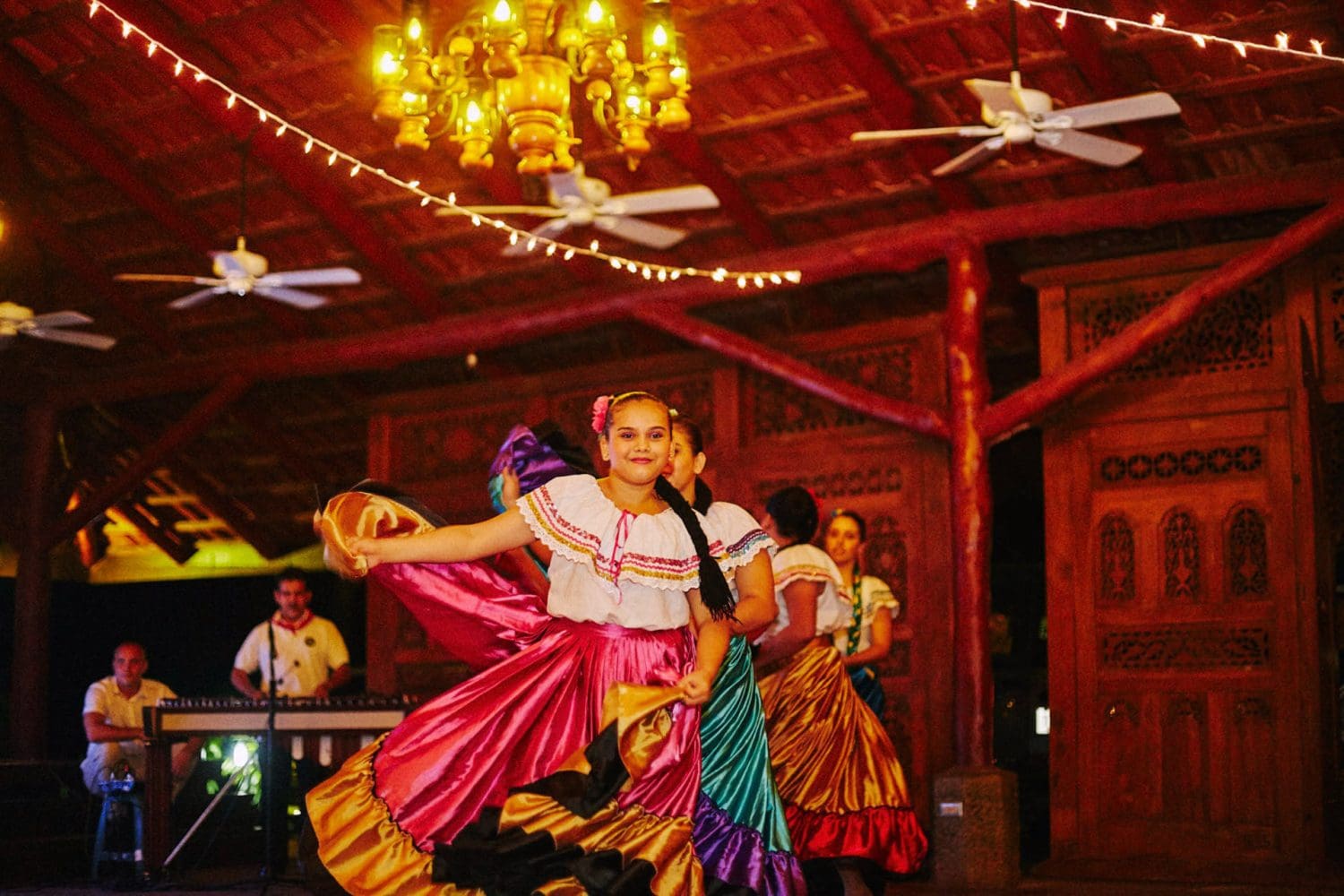
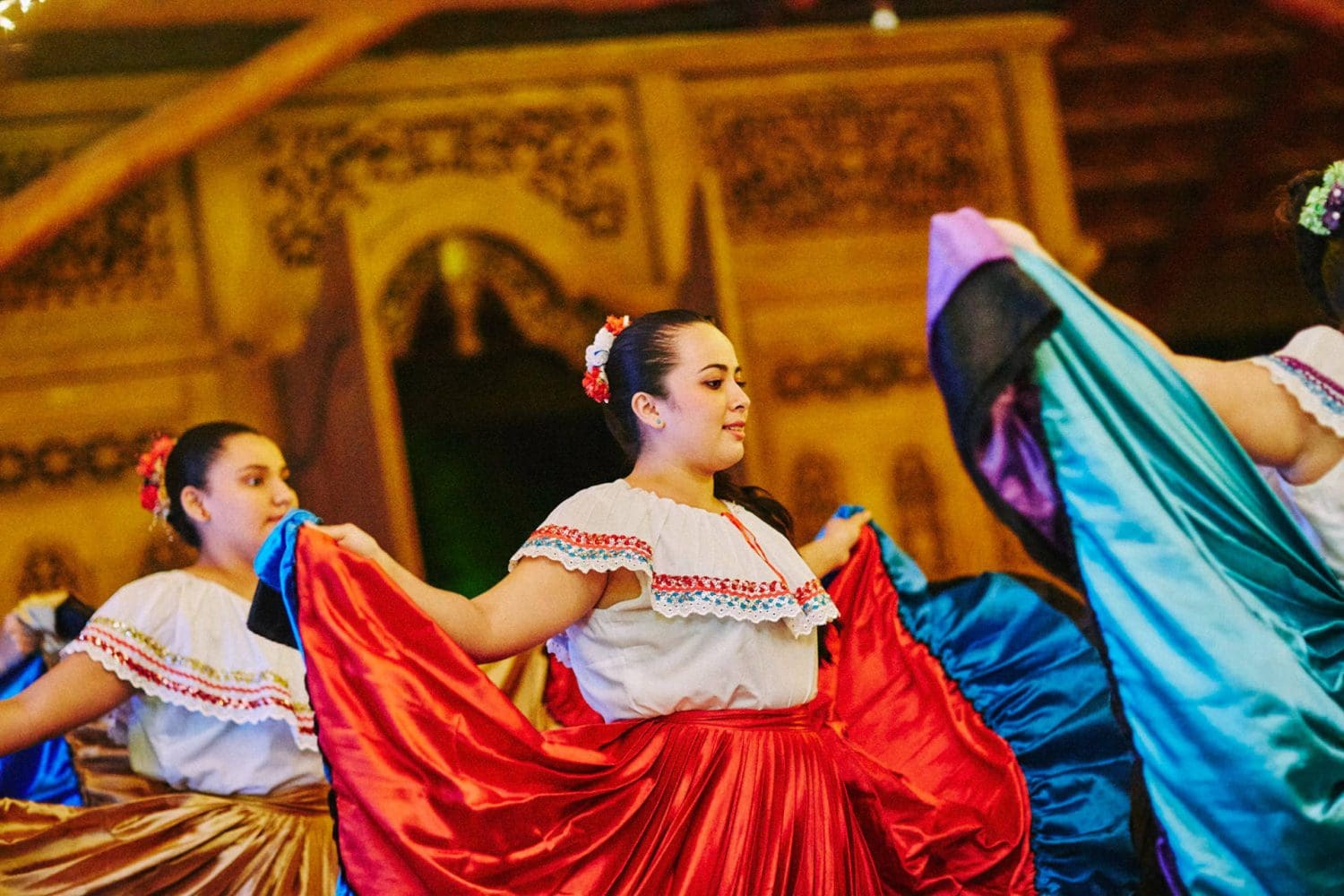
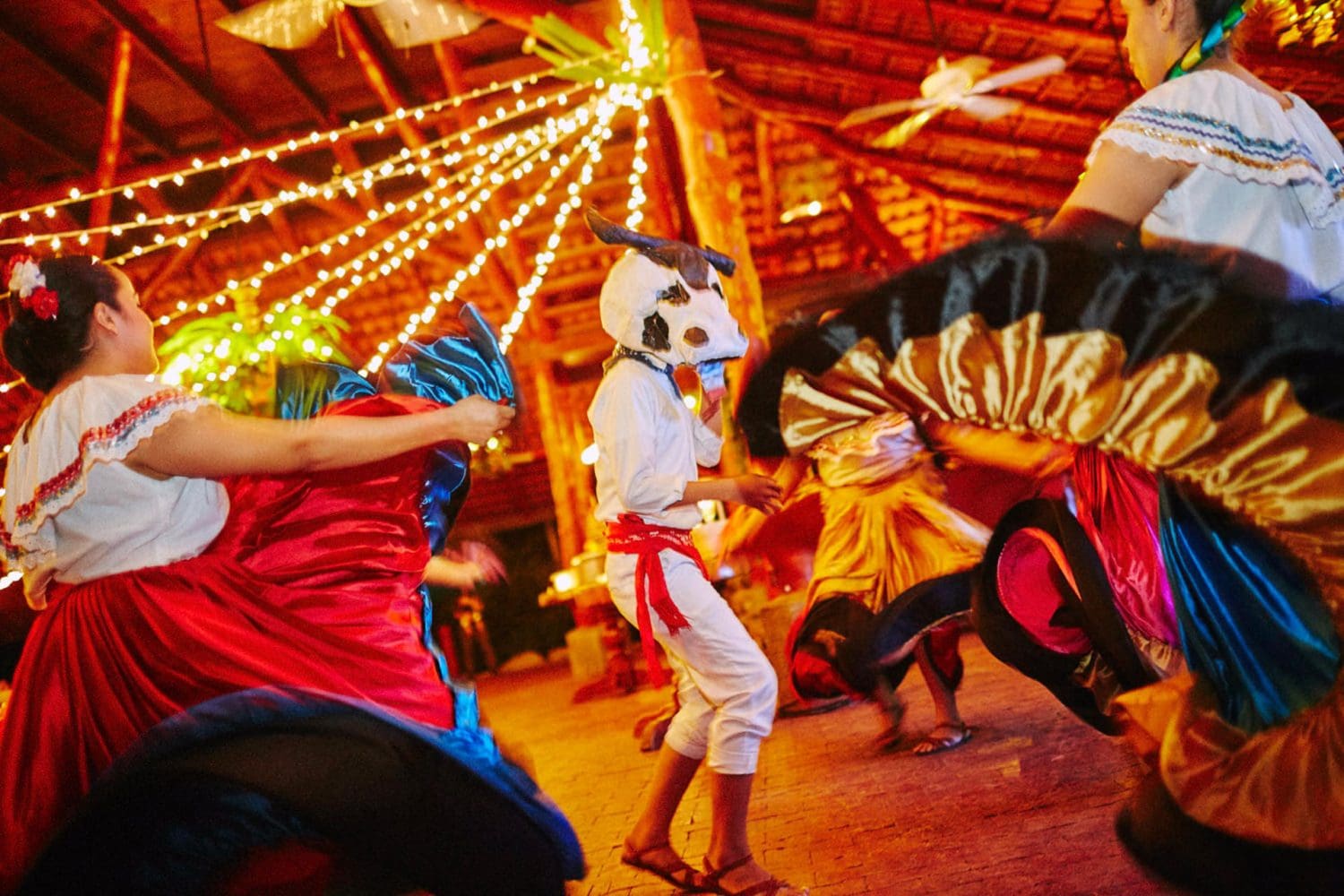
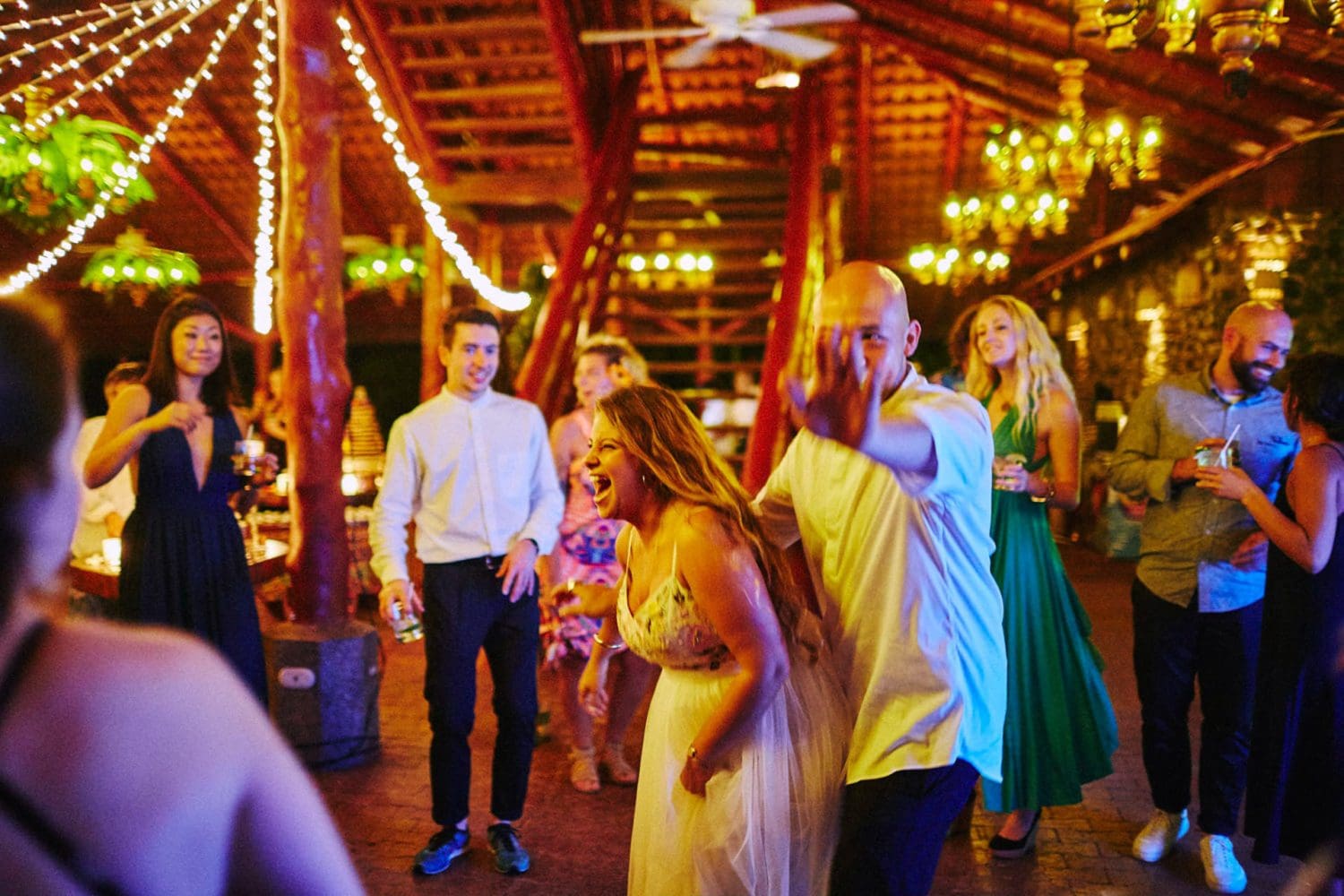
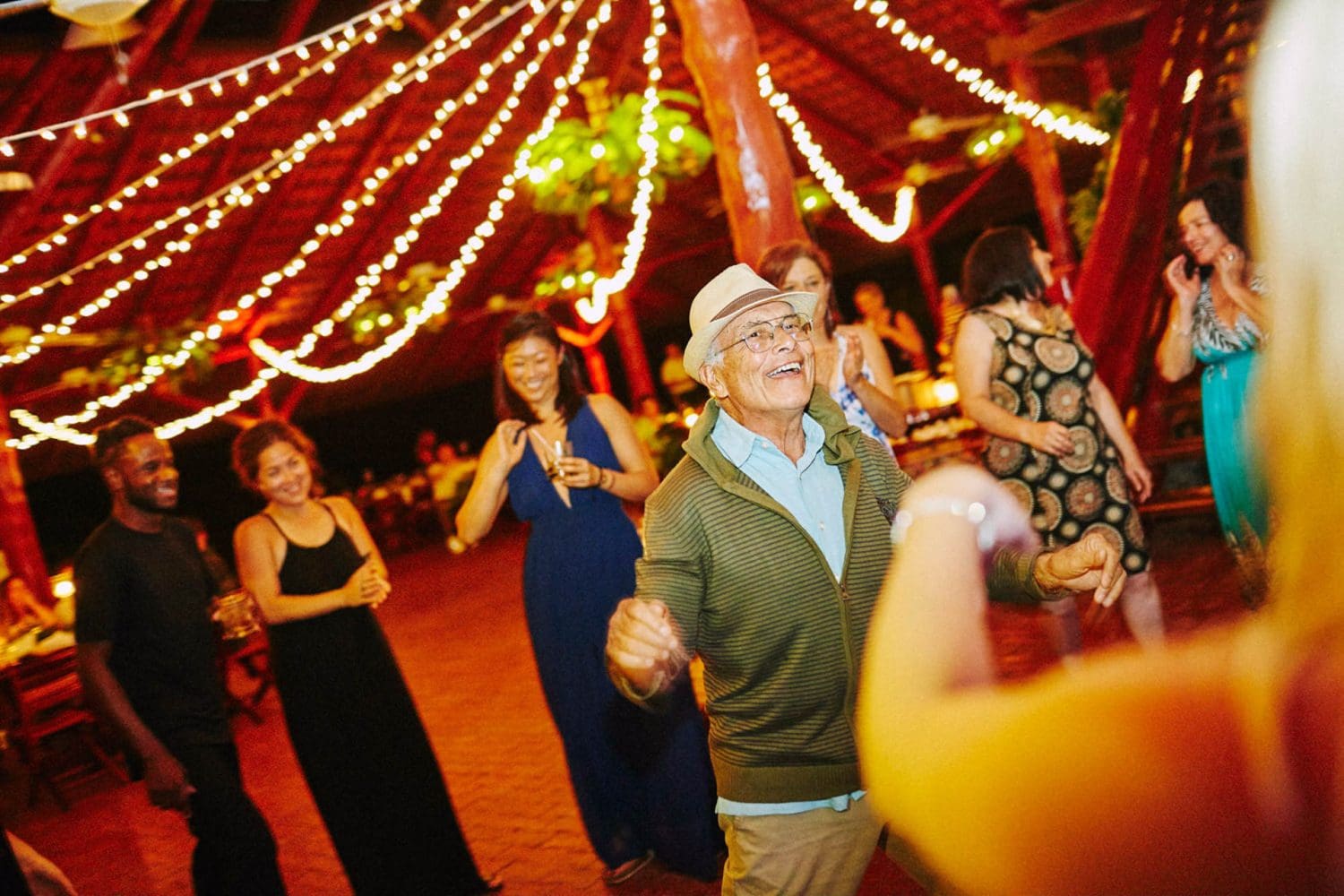
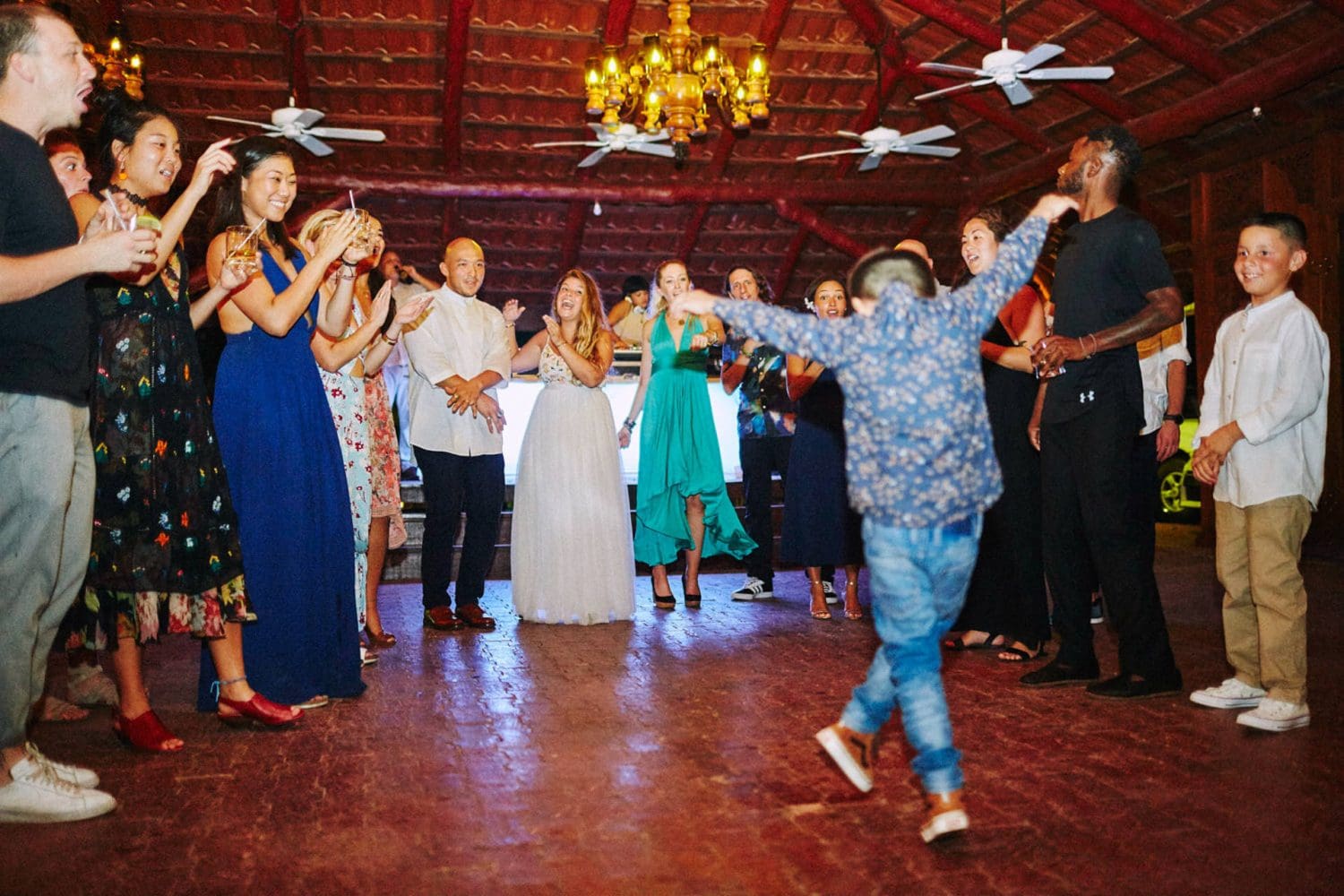
It was a wedding with two very different kinds of energy. The evening started with traditional music, colorful costumes and dancing, and later turned into a full dance floor that stayed busy until midnight.

The Story: A Costa Rican Wedding With a New York Twist

Joelle and Levi came from New York, but Costa Rica was an important part of their story. Joelle is originally from Costa Rica, so having a traditional Costa Rican folklore performance was a meaningful part of the reception.

The wedding took place on the terrace at Hotel Costa Verde, with around 150 guests.

Rather than having a traditional beach ceremony, they chose to celebrate at the hotel. That gave the wedding a different atmosphere from many of the beach weddings I photograph around Manuel Antonio.

The folklore performance took place during the reception, from around 7:00 to 7:30 in the evening.

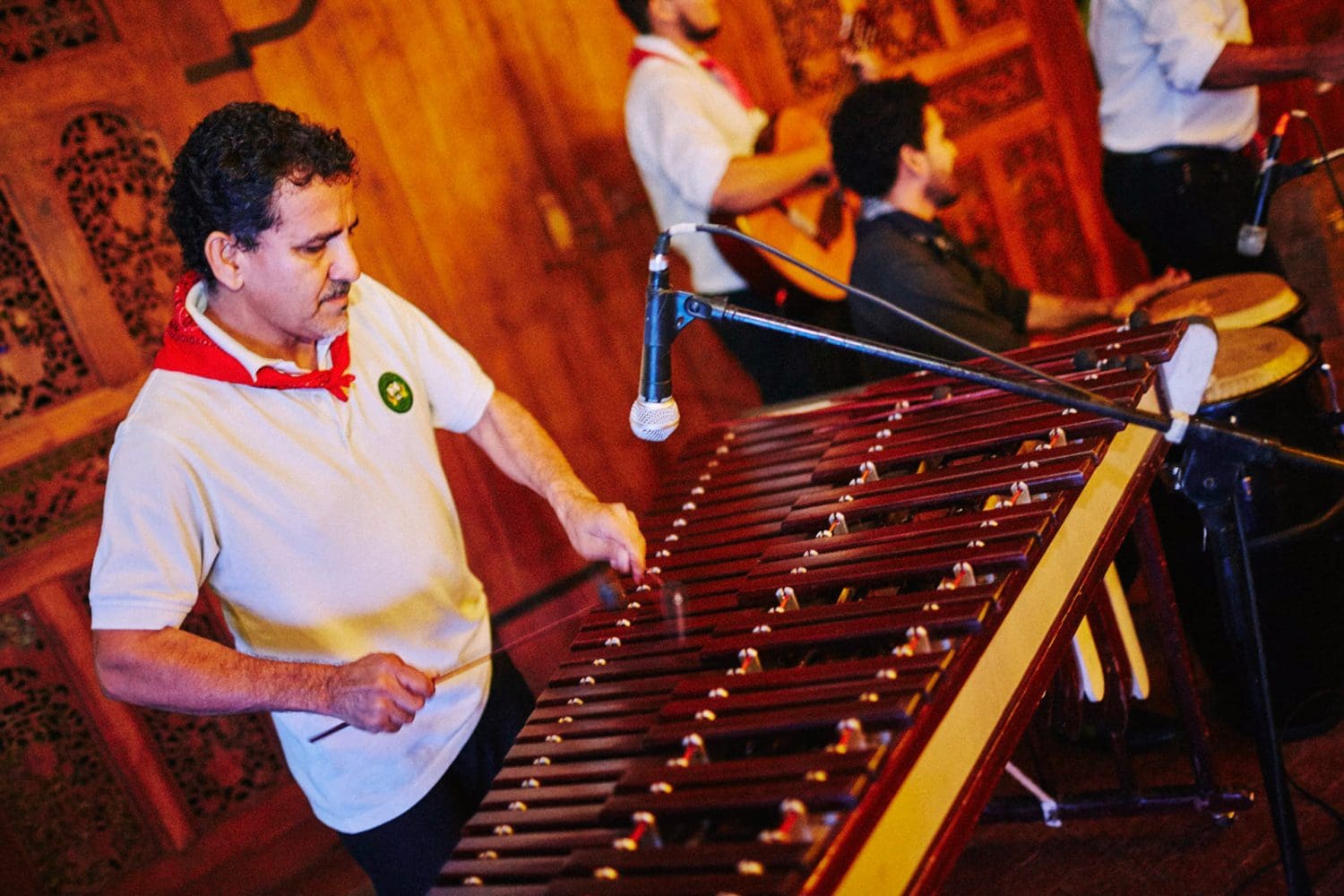
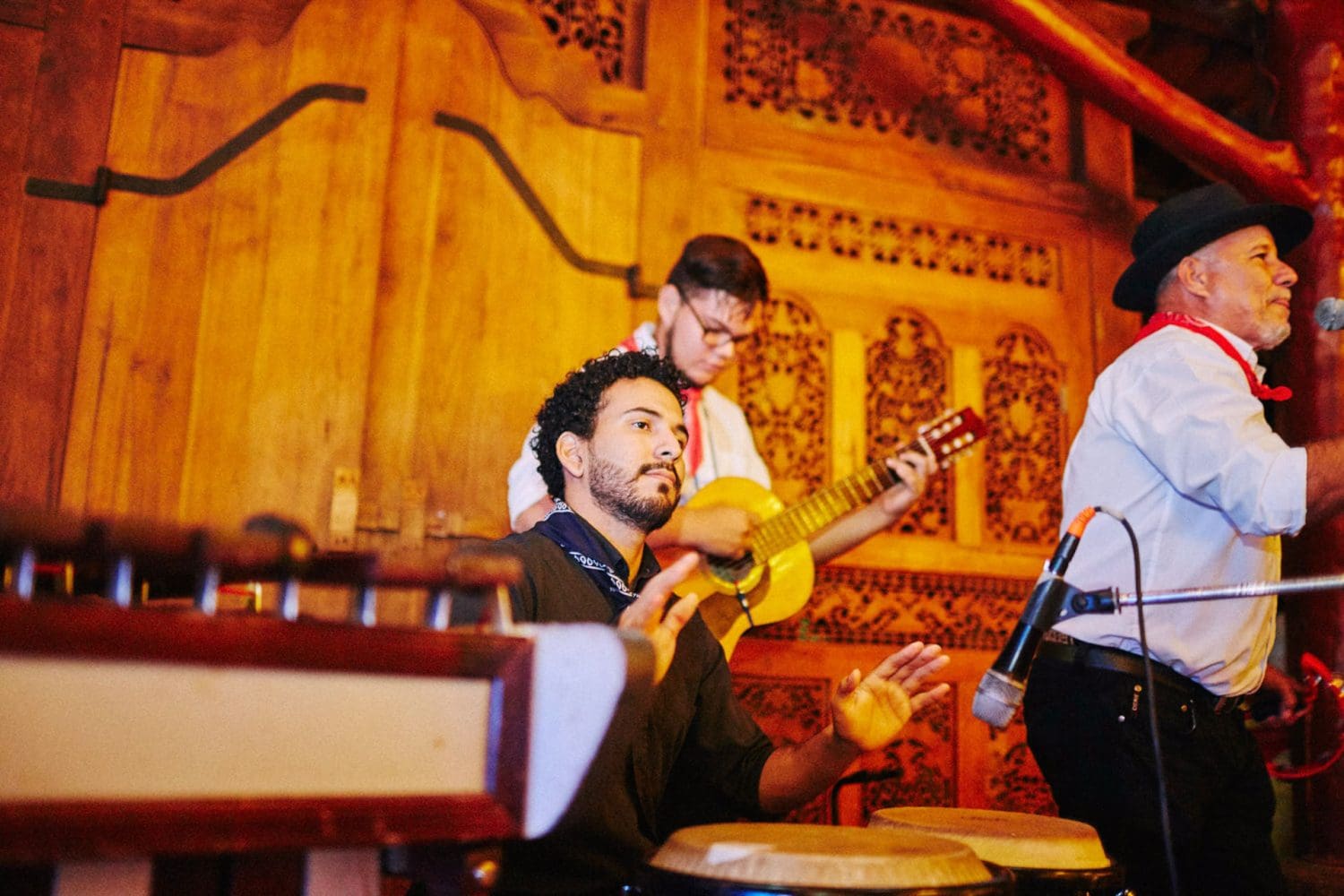
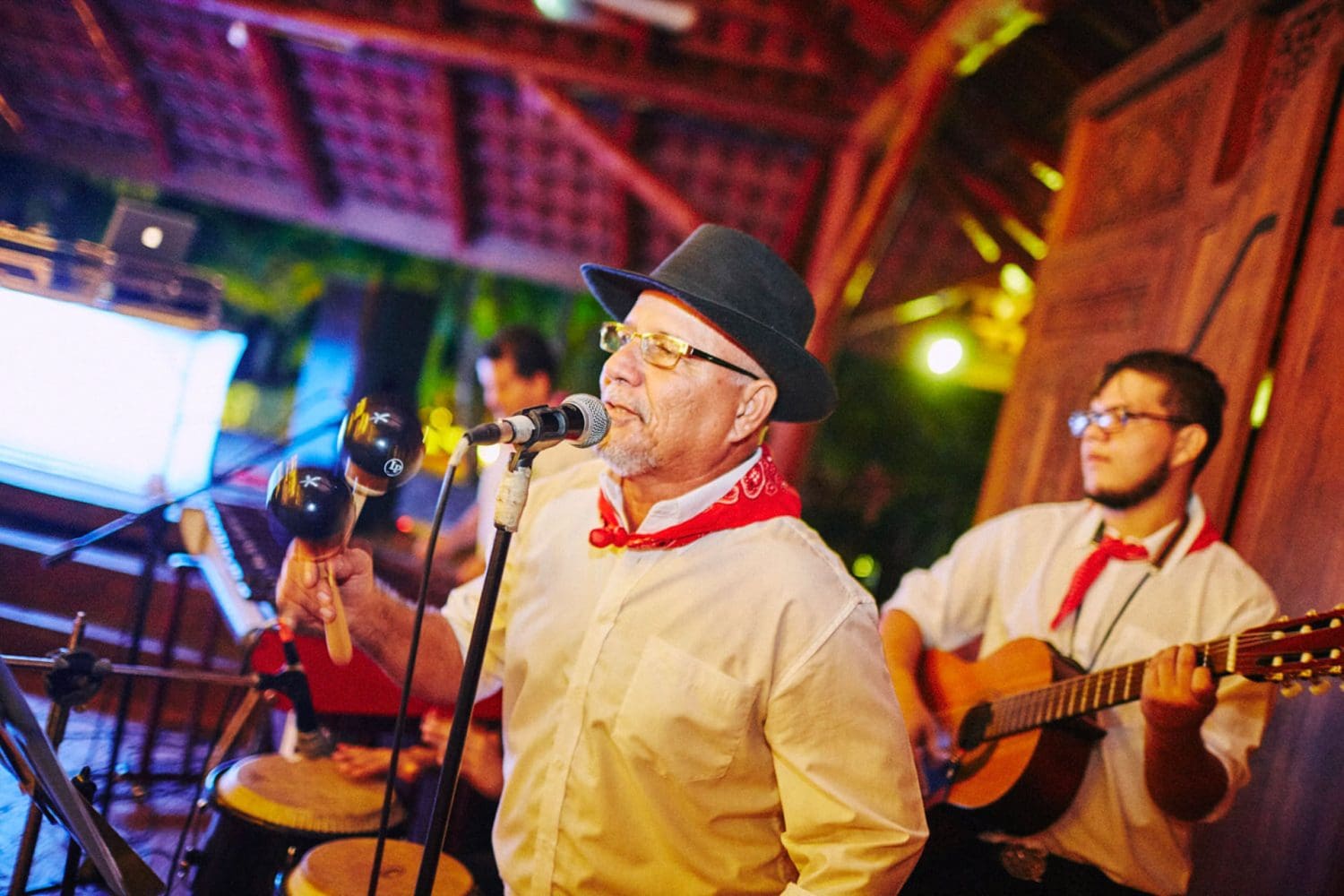
The dancers arrived in traditional outfits, accompanied by live instruments, and performed traditional Costa Rican dances. The colors, movement and music completely changed the atmosphere of the terrace.

Then the party changed direction.

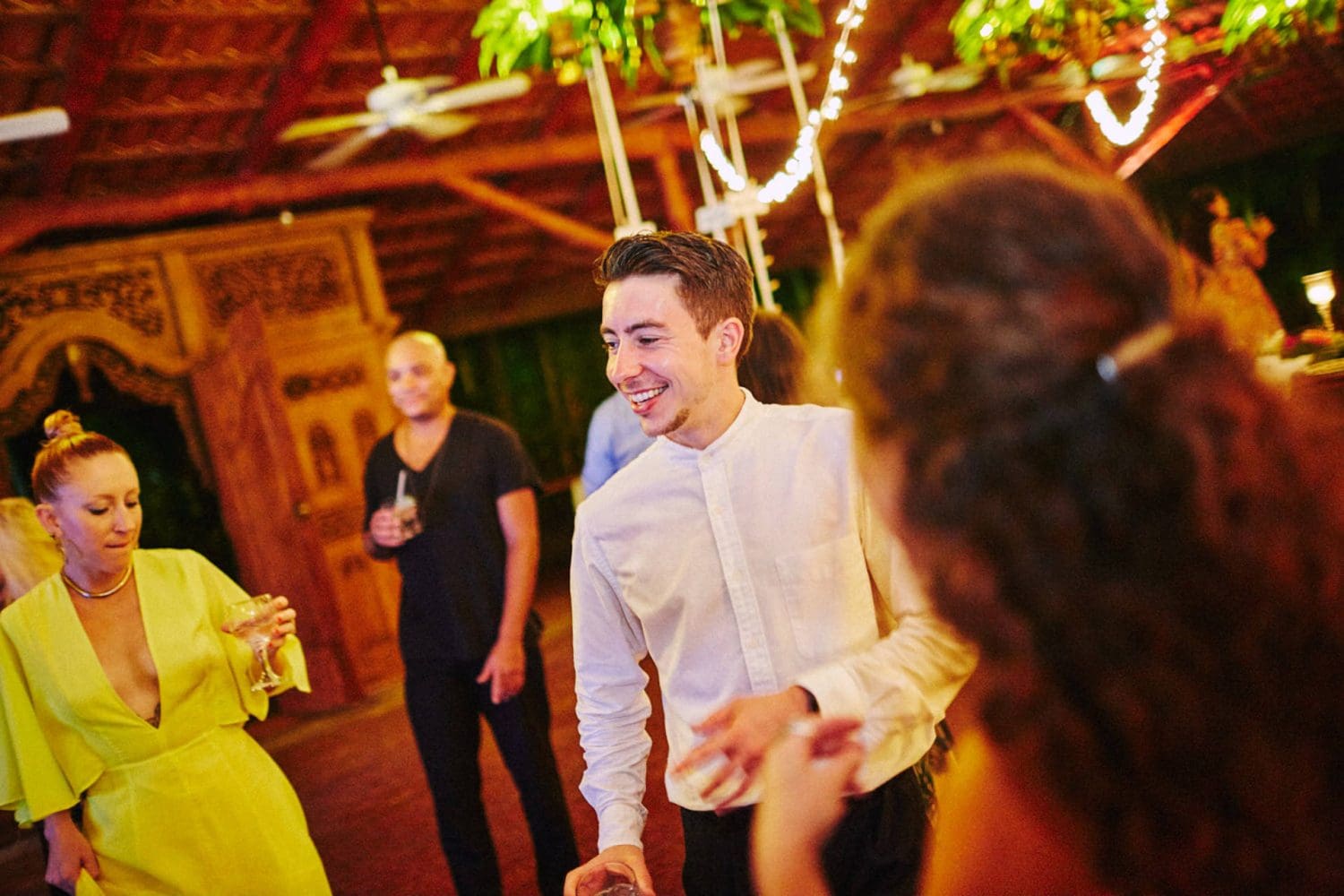
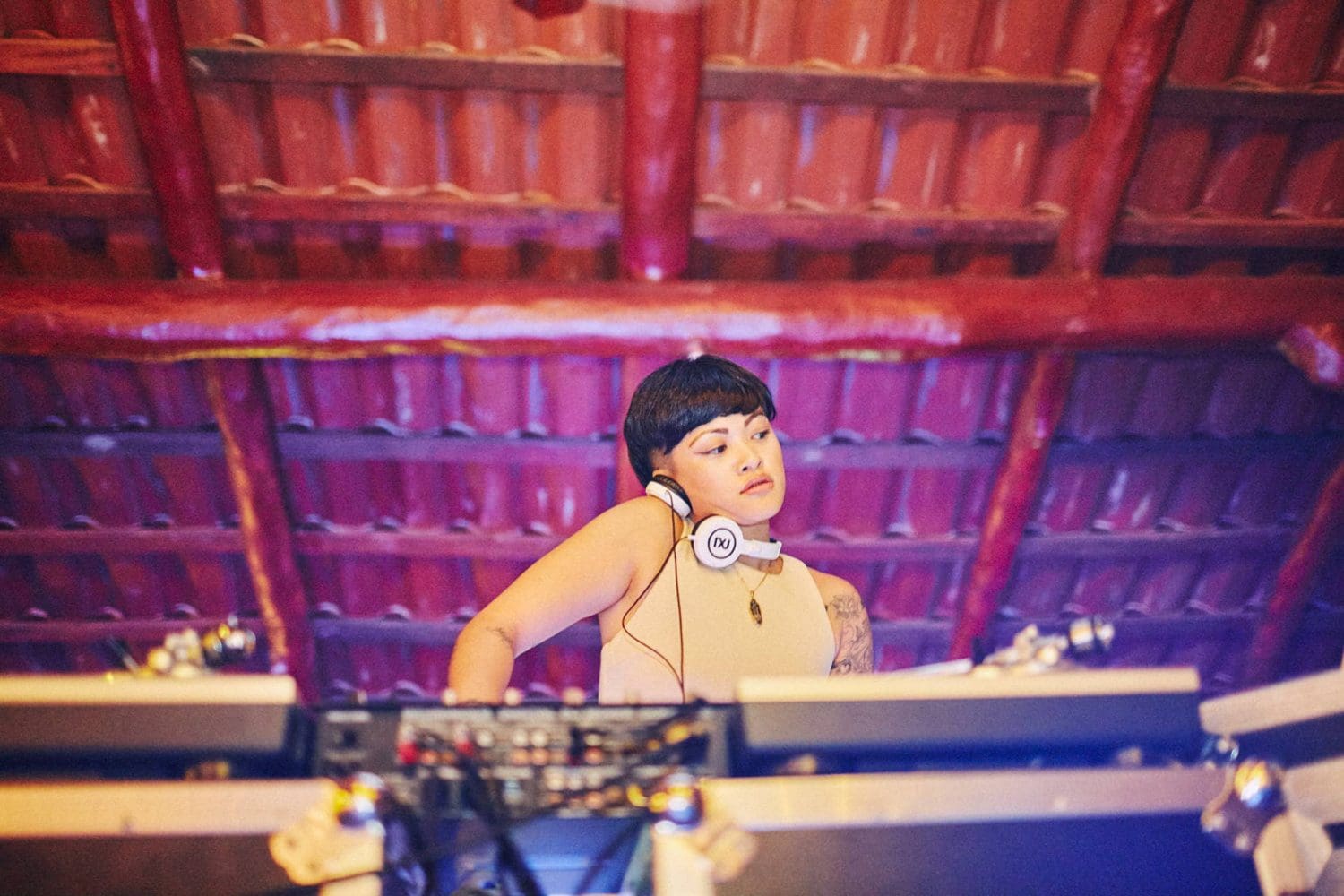
After the folklore performance, the DJ took over and kept everyone dancing until around midnight.

The DJ was also a friend of Joelle and Levi, which helped give the reception a very relaxed feeling. Joelle and Levi themselves were super cool and relaxed throughout the wedding, and over time they became great friends of mine.

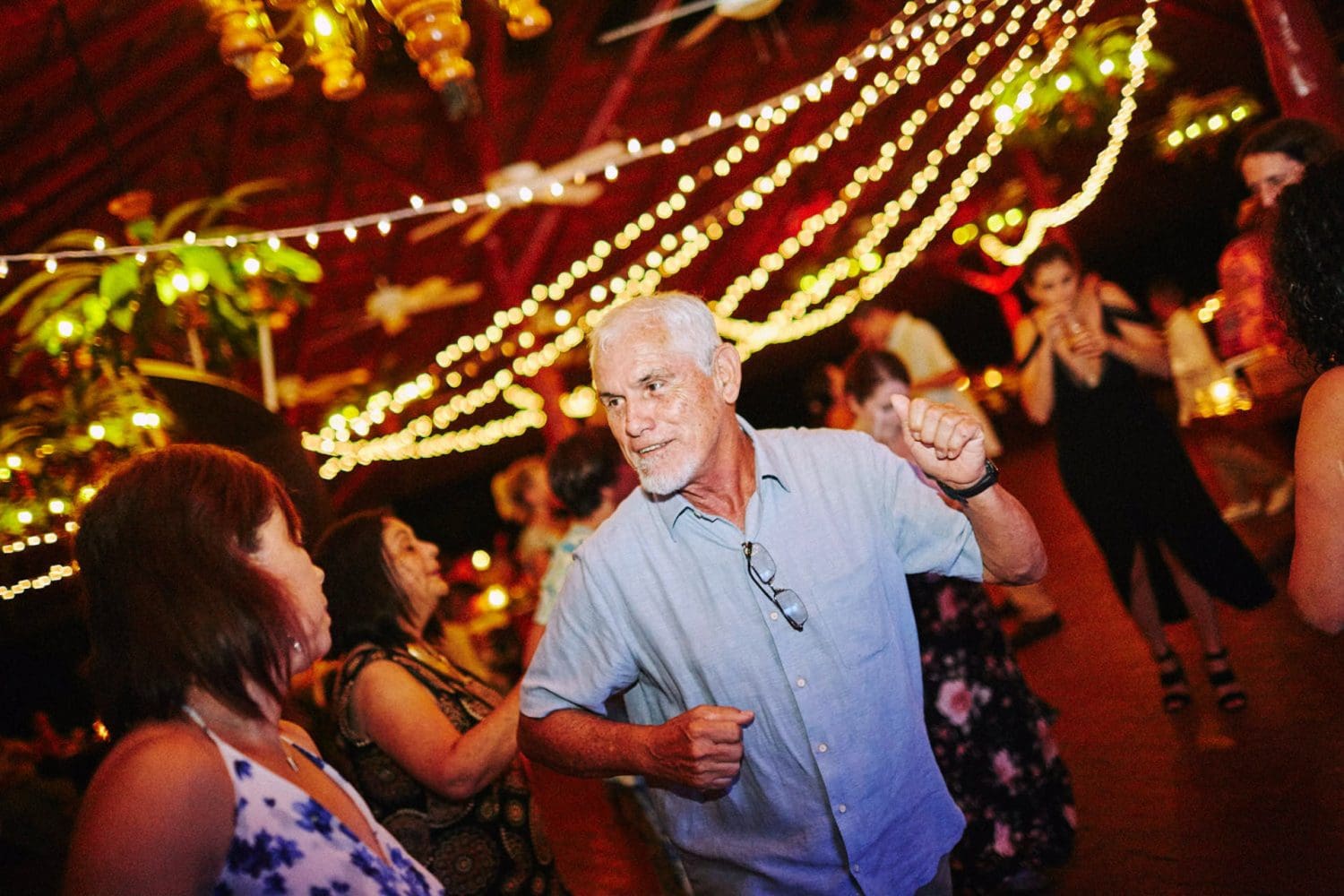
And then there was Levi’s father, who was a character in his own right and added plenty of personality to the day.

The Photographer’s Perspective: Photographing a Wedding That Keeps Changing

One of the things I like about weddings is that the atmosphere can change completely within a few minutes.

At Hotel Costa Verde, the evening moved from a traditional Costa Rican performance with live instruments and colorful clothing into a completely different kind of celebration with music, friends and a packed dance floor.

My approach was to let the light that was already there do as much of the work as possible.

The terrace had plenty of existing light, so I used it whenever I could. For the reception, I introduced flash when it was needed, using a Canon 600RT.

The idea wasn’t to make everything look like it had been lit by a flash. I wanted to keep the atmosphere of the room and the light that was already part of the wedding.

That became particularly important once the dance floor filled up.

The Technical Side: Canon 5D Mark III and Fixed Lenses

I photographed the wedding with a Canon 5D Mark III and Canon L-series fixed lenses.

My approach was simple: work with the existing light as much as possible, and introduce flash when the reception needed it.

For the folklore performance, the existing light and the atmosphere of the terrace were important. The colorful traditional clothing, live instruments and movement already gave me plenty to work with.

Later, when the reception became darker and the dance floor took over, I used the Canon 600RT flash.

Flash can sometimes make a reception feel disconnected from the environment if it is used without considering the existing light. I prefer to first understand what light is already there and then use flash to support it.
The goal is still to photograph what the wedding actually felt like.

For the portraits I carried the 35mm f/1.4 and the 85mm f/1.2 on a Holdfast Moneymaker harness, so both lenses were always at hand. The 35mm gave me the wider scenes with the Manuel Antonio coastline. The 85mm let me stay back and photograph the closer, quieter moments without getting in their space.

A moment from the tropical wedding of Joelle and Levi at Hotel Costa Verde, Manuel Antonio, Costa Rica

An Insider’s Look at Hotel Costa Verde

One of the things I like about Hotel Costa Verde is that it offers a strong alternative for couples who don’t want their ceremony on the beach.

The terrace is particularly interesting because of its relationship with the surrounding Manuel Antonio landscape. It also has beautiful light around sunset, which makes it a natural place to continue photographing the couple after the ceremony and during the transition into the reception.

The gardens around the hotel are another useful part of the property.

They give you a chance to photograph the greenery that makes Manuel Antonio such a distinctive place without needing to leave the hotel. For couples who want photographs that feel connected to Costa Rica but don’t necessarily want every photograph to be on the beach, that is a real advantage.

We photographed around the hotel and used those different environments throughout the day.

The terrace gives you the views and the changing light. The gardens give you the tropical greenery. And then the reception brings everyone back together.

That variety means you don’t have to build the whole photographic experience around one location.

The Tropical Wall and the Bridge

You don’t always need your toes in the sand to show you’re in Costa Rica. Most photographers at Hotel Costa Verde head straight for the beach. We found a quieter side of the terrace instead: a lush wall of palms and native trees that kept the jungle front and center in Joelle and Levi’s portraits.

We used the bridge on the property for their first look. It looks beautiful, but what it really gave them was privacy. In the middle of a wedding day, a quiet corner where a couple can just be together matters more than any backdrop.

Joelle and Levi told me early on that they didn’t want the usual sunset poses. I spent the getting ready and the ceremony watching how they moved and talked to each other, so by the time we got to portraits I wasn’t really posing them. I was guiding them into moments that already felt like them.

Why a Hotel Wedding Can Be the Right Choice in Manuel Antonio

When people think about getting married in Manuel Antonio, the first image that often comes to mind is a beach ceremony.

But it doesn’t have to be that way.

Hotel Costa Verde offers another option. You can have your ceremony and reception in one place while still having access to the landscape and greenery that make the area special.

For Joelle and Levi, that worked particularly well because the wedding itself was the focus.

The terrace provided a beautiful setting for the celebration, the gardens offered another environment for photographs, and the reception gave them enough space for a large group of around 150 people.

And because the folklore performance was part of the reception, the venue became more than just a backdrop. It was the place where their New York life and Joelle’s Costa Rican background came together.

A tropical wedding at Hotel Costa Verde Wedding, Manuel Antonio, Costa Rica.

What I Would Tell a Couple Planning a Wedding at Hotel Costa Verde

Don’t assume you need a beach ceremony to have a Costa Rica wedding.

If you like the idea of being surrounded by tropical greenery but want something different from a ceremony directly on the sand, Hotel Costa Verde is worth considering.

I would also make time for portraits around the property, particularly around sunset.

The terrace can have beautiful evening light, and the gardens give you a completely different look. You can get the tropical feeling of Manuel Antonio without turning every photograph into the same beach image.

For a larger wedding, I would also give the reception program its own space in the timeline.

A performance like the Costa Rican folklore show isn’t just another five minutes between dinner and dancing. It is an experience for the guests, and it deserves enough time to happen naturally.

In Joelle and Levi’s case, it created a memorable part of the evening before the party moved into a completely different rhythm with their friend behind the DJ booth.

A Wedding That Brought Two Worlds Together

Joelle and Levi’s wedding wasn’t trying to look like a traditional destination wedding.

It was personal.

A couple from New York. A Costa Rican folklore performance because Costa Rica was part of Joelle’s story. A friend providing the music later in the night. Around 150 people celebrating together on a terrace overlooking Manuel Antonio.

For me, that’s what makes a wedding interesting to photograph.

The venue matters, but what people bring to the venue matters even more.

Hotel Costa Verde gave Joelle and Levi the terrace, the gardens and the Manuel Antonio landscape. They filled it with their people, their music and their own connection to Costa Rica.

And that’s what I remember most about the day.

Planning a Wedding at Hotel Costa Verde?

If you’re considering Hotel Costa Verde for your Manuel Antonio wedding and want to know what the day can look like from a photographer’s perspective, I’d be happy to talk through your plans.

Surprise Proposal La Diosa Waterfall Nauyaca | Costa Rica Proposal Photographer

Surprise Proposal La Diosa Waterfall Nauyaca | Costa Rica Proposal Photographer

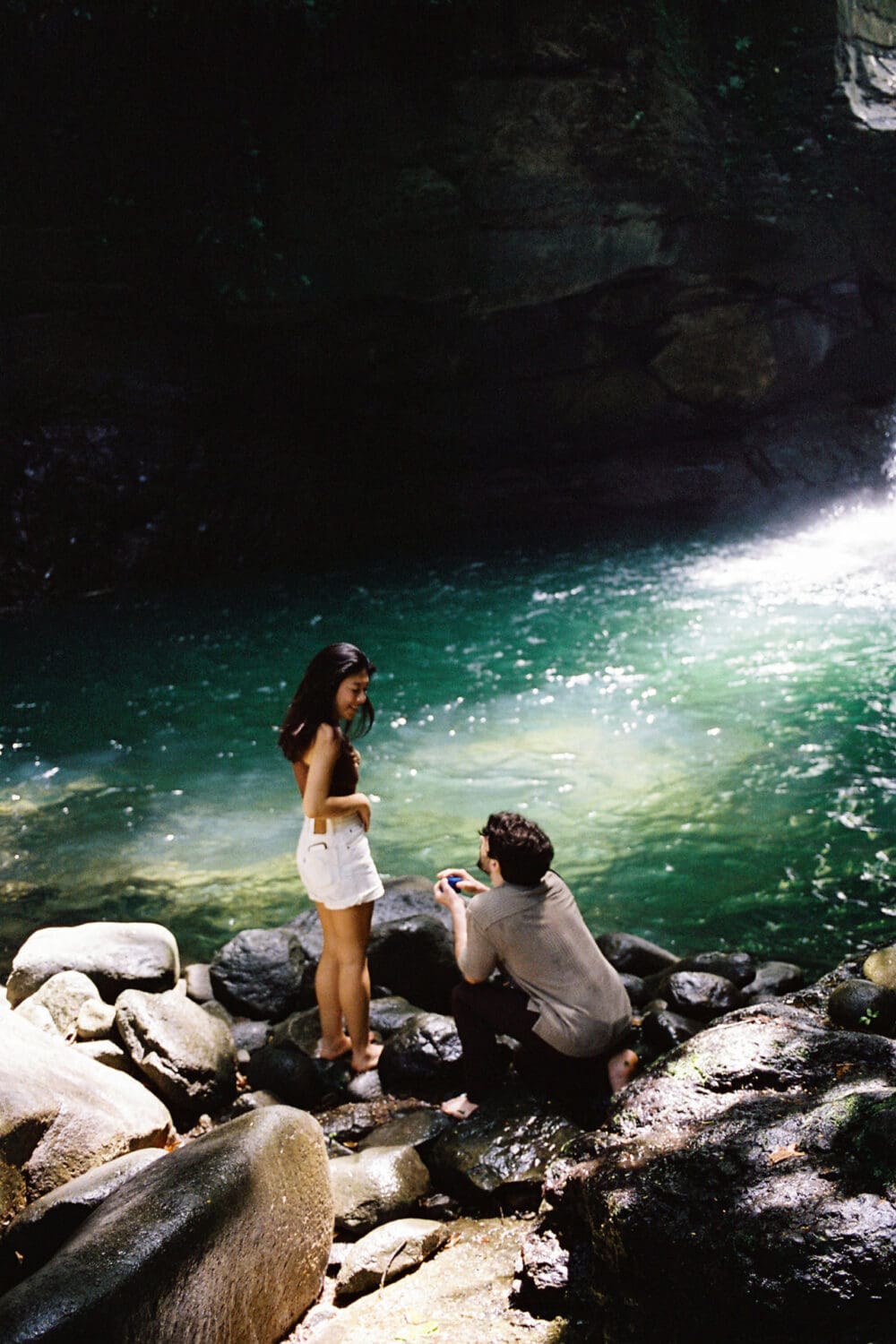
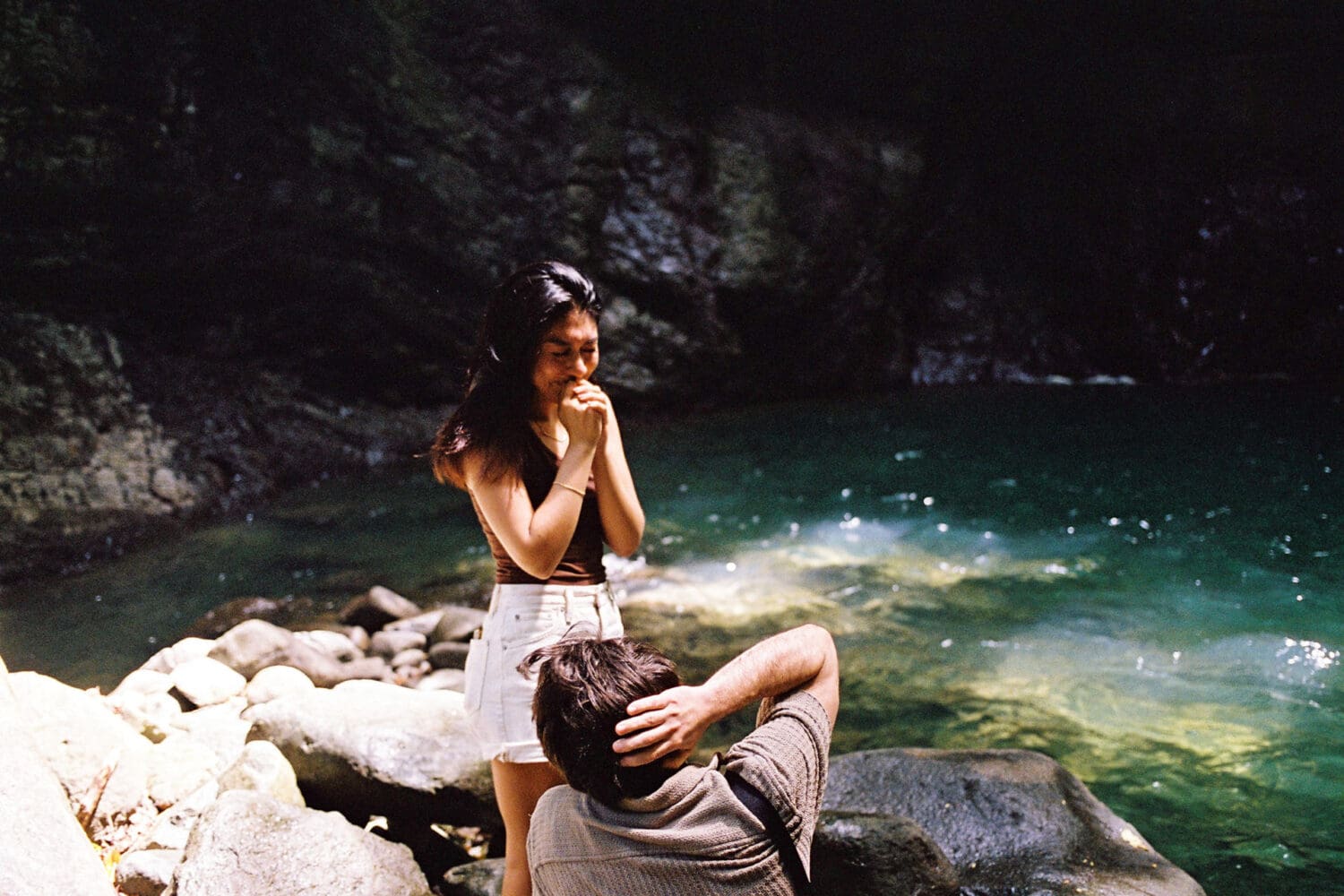
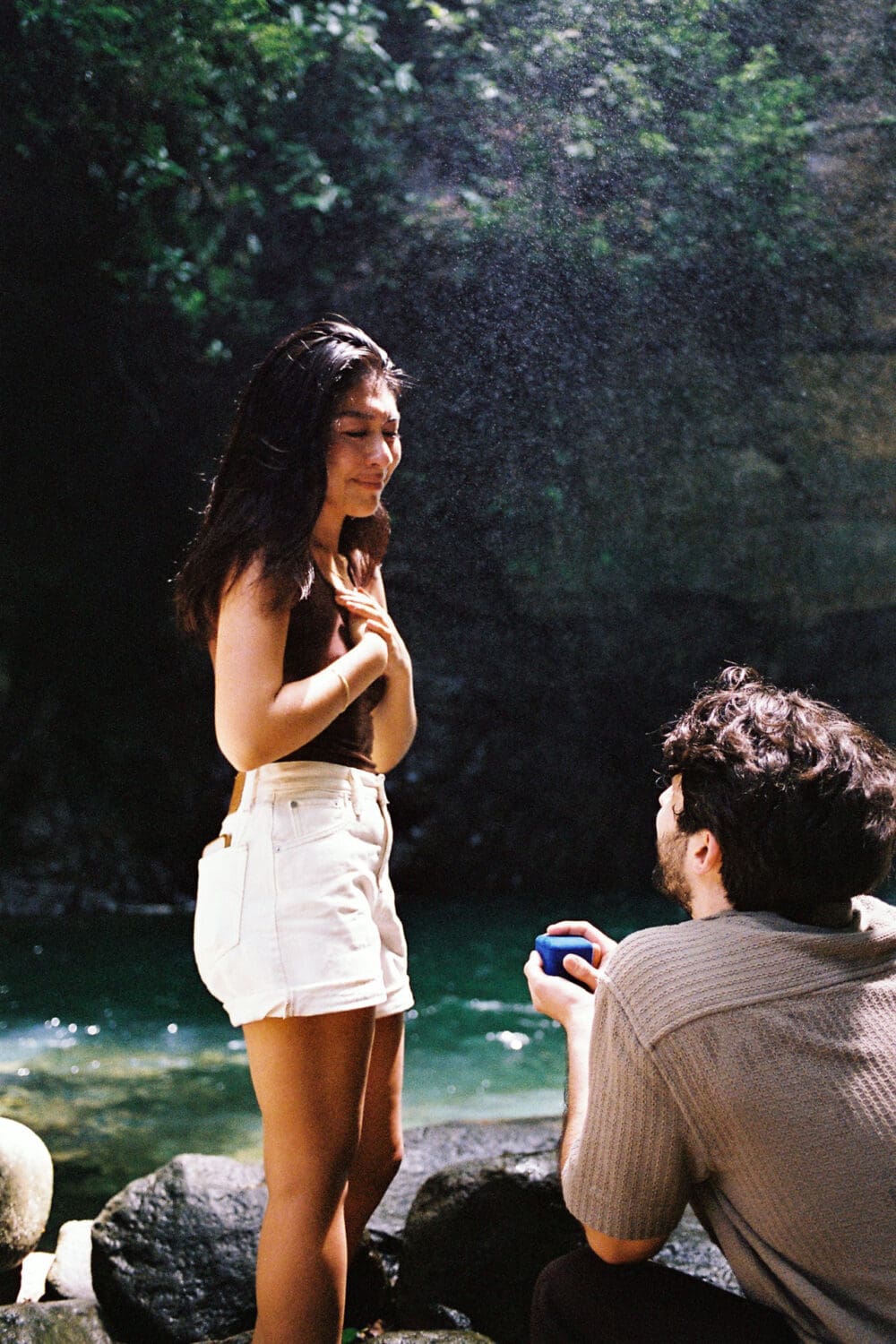
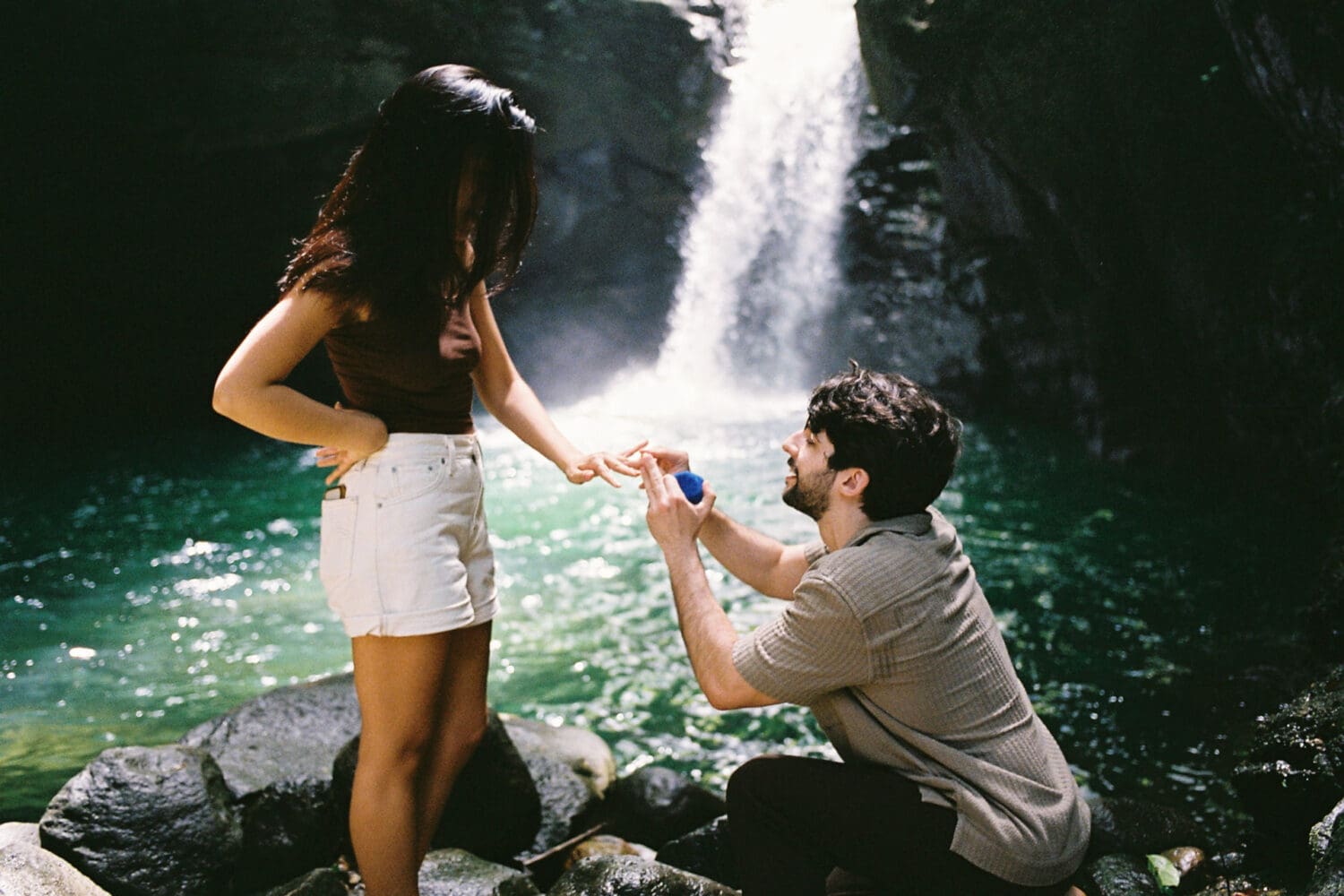
A Surprise Proposal La Diosa Waterfall Nauyaca became the setting for Kimberly & Jack’s story. Jack was staying at Holos Community and wanted to propose to Kimberly somewhere they could experience the waterfall together. He also had one very specific request: he wanted the proposal photographed on 35mm film.

The Story: A Surprise Proposal La Diosa Waterfall Nauyaca

La Diosa Waterfall is inside Holos Community in Nauyaca, Pérez Zeledón, on the road toward Dominical. The property is next to the famous Nauyaca Waterfalls, surrounded by tropical forest, rocks and running water.

Jack was staying at Holos Community when he asked if I could photograph his proposal to Kimberly. He had seen my work and knew that I use film. He also loves analog photography, so he asked if it was possible to photograph the proposal on 35mm film.

It was.

Kimberly already knew the waterfall, so Jack had a natural reason to suggest going there.

His idea was simple:

“Let’s watch it one more time before we go.”

I arrived before them and pretended to be photographing birds. It gave me a reason to be there without making Kimberly suspicious.

Then something unexpected happened.

A tiger heron arrived.

That made the story even easier. I could genuinely photograph the bird while Jack and Kimberly continued toward the rocks near the waterfall.

When Jack proposed, I was already in position and photographing.

Afterwards, they laughed, and I introduced myself to Kimberly. Once the surprise was over, we spent some more time photographing them around La Diosa.

The best proposal plans are sometimes the simplest ones. There was no elaborate setup for Kimberly to notice. Jack had a reason to bring her to the waterfall, and I had a reason to be there.

The Photographer’s Perspective: Photographing a Proposal on Film

This was different from the way I normally approach a proposal.

Usually, I work with digital and film together. This time, Jack specifically wanted the proposal photographed on film. It was the first time someone had asked me to photograph a proposal using film as the main medium rather than as part of a hybrid approach.

That changes the preparation.

With film, there is no opportunity to look at the back of the camera and check whether the photograph worked. You have to understand the light, the location and the moment before it happens.

I spent time around the waterfall before Kimberly and Jack arrived, metering the area and looking at how the light was falling.

It was a sunny morning, but the waterfall was underneath the tree canopy. There was a mixture of shade and rays of sunlight coming through the trees. The light was very stable, so once I understood the exposure of the area, I knew what I was working with.

I also took a small number of digital photographs so Jack could receive a 48-hour sneak peek. The proposal itself and the rest of the session were photographed on film.

The Technical Side: Canon EOS 3, Leica M6 and Portra 400

For the film photographs, I used two cameras:

  • Canon EOS 3 with a Canon 50mm f/1.2
  • Leica M6 with a Leica Summarit 35mm

The film was Kodak Portra 400, and I shot two full 36-exposure rolls.

I used the camera meter and did not push the film.

Portra 400 is one of my preferred films for Costa Rica because of its ability to handle the combination of bright tropical light and deeper shade. At La Diosa, that was particularly useful because we were working beneath the forest canopy with sunlight coming through in different areas.

The negatives came back well exposed.

The film was developed and scanned in Costa Rica by Codifo Photo Lab.

For me, film is not a filter or an extra effect that gets added to a wedding or proposal. I like it because of what the medium itself brings to the photograph: the depth, color and texture.

Digital sensors can be incredibly precise. Film has a different physical quality that makes me react to the photograph immediately. It feels real in a different way.

For Jack, that was important. He already loved analog photography, and he wanted that feeling to be part of the photographs of his proposal.

Cc beachfront papagayo wedding photographer capturing a bride walking to the ceremony

An Insider’s Look at La Diosa Waterfall and Nauyaca

La Diosa Waterfall is located inside Holos Community in Nauyaca, Pérez Zeledón, on the road toward Dominical.

The location has a very different feeling from a conventional proposal setting. Instead of a designed viewpoint or a formal garden, you are surrounded by tropical forest, rocks and the sound and movement of the waterfall.

For photography, that gives you plenty to work with without needing to create a complicated setup.

The tree canopy creates shade, while openings in the forest allow sunlight to reach parts of the scene. The rocks around the water also give the couple places to move naturally after the proposal.

For a surprise proposal, the environment can also help the photographer remain unnoticed.

In this case, the bird-photography idea worked particularly well. I wasn’t simply pretending to be somewhere else. The location genuinely gave me something to photograph while waiting for Jack to make his move.

And then the tiger heron appeared.

Sometimes the best cover is something you couldn’t have planned.

surprise proposal danta waterfall arenal observatory

What I Would Tell a Couple Planning a Proposal at La Diosa

Keep the plan believable.

Jack didn’t need to invent an elaborate story to get Kimberly to the waterfall. She already knew the place, so suggesting that they go back to see it before leaving made sense.

Think about what you would normally do together and build the proposal into that experience.

My Costa Rica proposal experience includes help with timing, light and discreet positioning. If you’re still choosing a setting, the Costa Rica wedding locations guide gives you a sense of how the regions differ.

Explore proposal collections Read the weather guide

I would also plan around the light. At La Diosa, the forest canopy creates a mixture of shade and direct rays of sunlight. Arriving beforehand gives your photographer the opportunity to understand where the light is and where they can position themselves without becoming part of the surprise.

And if you want your proposal photographed on film, talk to your photographer about it before the day.

Film requires preparation. Your photographer needs to know the location, understand the light and have a plan for where to be before the proposal happens. There is no second chance to recreate the moment if the photographer isn’t ready.

A Proposal That Felt Like Them

Kimberly and Jack loved the photographs.

For Jack, the photographs looked the way he had imagined them. The film wasn’t something added afterwards to change the appearance of the images. It was part of what he wanted from the beginning.

That is what I like about this story.

The proposal wasn’t built around photography. It was built around a place they already knew, a simple excuse to visit it one more time, and a plan that allowed Kimberly to experience the moment without knowing what was coming.

The 35mm film simply became the way we preserved it.
Ready to Plan Your Costa Rica Proposal?

If you’re planning a surprise proposal in Costa Rica and want the photography to feel connected to the place, the experience and the people involved, I’d love to hear what you’re planning.

Costa Rica Wedding Photography Pricing: 2027 Cost Guide

Costa Rica Wedding Photography Pricing: 2027 Cost Guide

Costa Rica wedding photography collections begin at $3,500. The Wedding Day is $3,500, The Wedding Story is $5,500, and The Wedding Archive is $8,000. Elopements start at $2,200 and run to $6,000 depending on how much of the country you want to see. Travel anywhere in Costa Rica is included.

Current collection prices

Current wedding and elopement collections, so you can see where you land.

Collection Type Price Best for
Portrait or engagement session Session $750 A couple of hours in one place
Half-Day Elopement Elopement $2,200 You already know the place you want
Signature Elopement Elopement $3,000 One place. A whole day. Nothing rushed.
The Wedding Day Wedding $3,500 The complete story of the wedding itself
Costa Rican Wanderlust Elopement $4,500 Two places, one complete day
The Wedding Story Wedding $5,500 Couples who want to remember more than the wedding day
The Grand Tour Elopement $6,000 Two days, multiple landscapes
The Wedding Archive Wedding $8,000 A wedding day, additional celebration, and agreed day-after experience with a physical memory box

Wedding photography collections begin at $3,500.

The difference between an elopement and a wedding collection is not the budget. It is whether anyone else is there. Elopement collections are built around the two of you moving through Costa Rica. Wedding collections are built around a day with guests in it.
You will also see quotes below $2,000 elsewhere. Those exist. Further down I explain what is usually missing from them, and it is rarely the thing people assume.
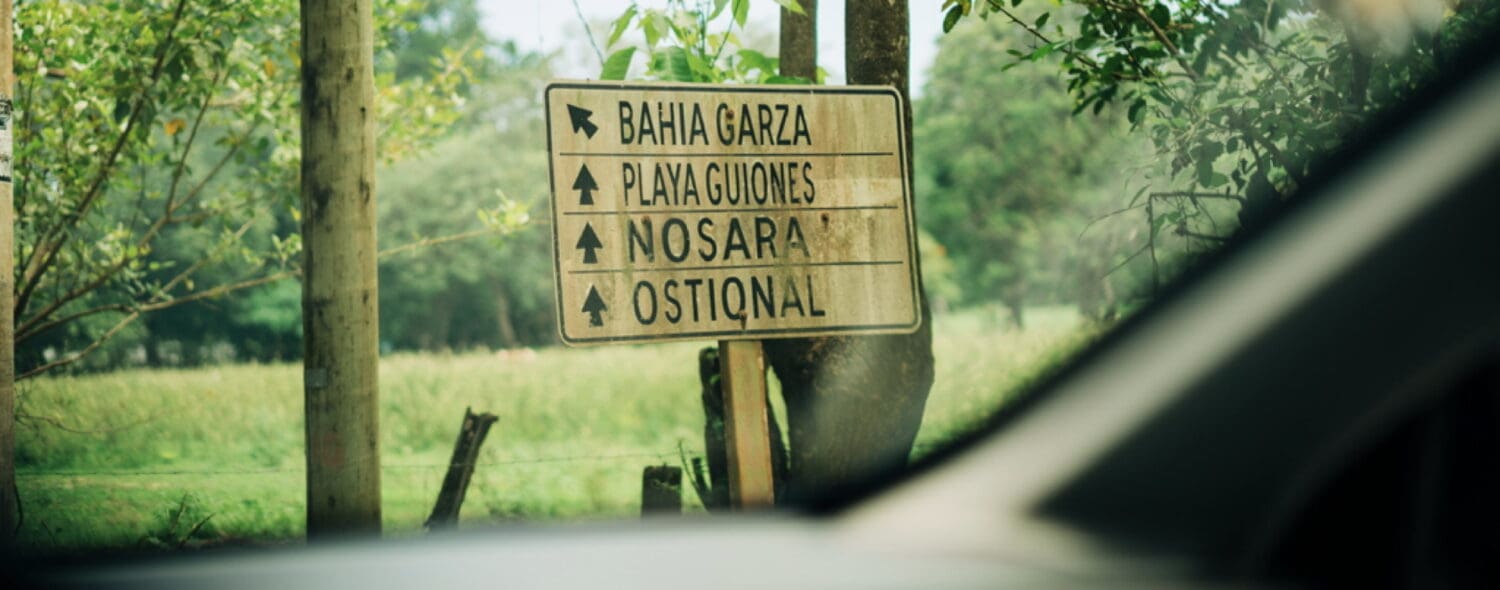
Road sign to Nosara, Playa Guiones and Ostional seen through a car windscreen on the drive to a wedding in Guanacaste

What actually changes the price in Costa Rica

This is where Costa Rica stops behaving like anywhere else.

Where your venue is

Guanacaste and La Fortuna are not the same job. A beach ceremony in Tamarindo is a short drive from a lot of infrastructure. A wedding in the mountains above Monteverde, or down the coast toward Uvita, can mean four to six hours of driving, a 4×4, and arriving the day before because driving those roads after a twelve hour wedding day is not safe.

I include travel anywhere in Costa Rica in my collections. Not everyone does. When you compare quotes, ask specifically whether domestic travel and the night before are included, because that is where a low number often quietly grows.

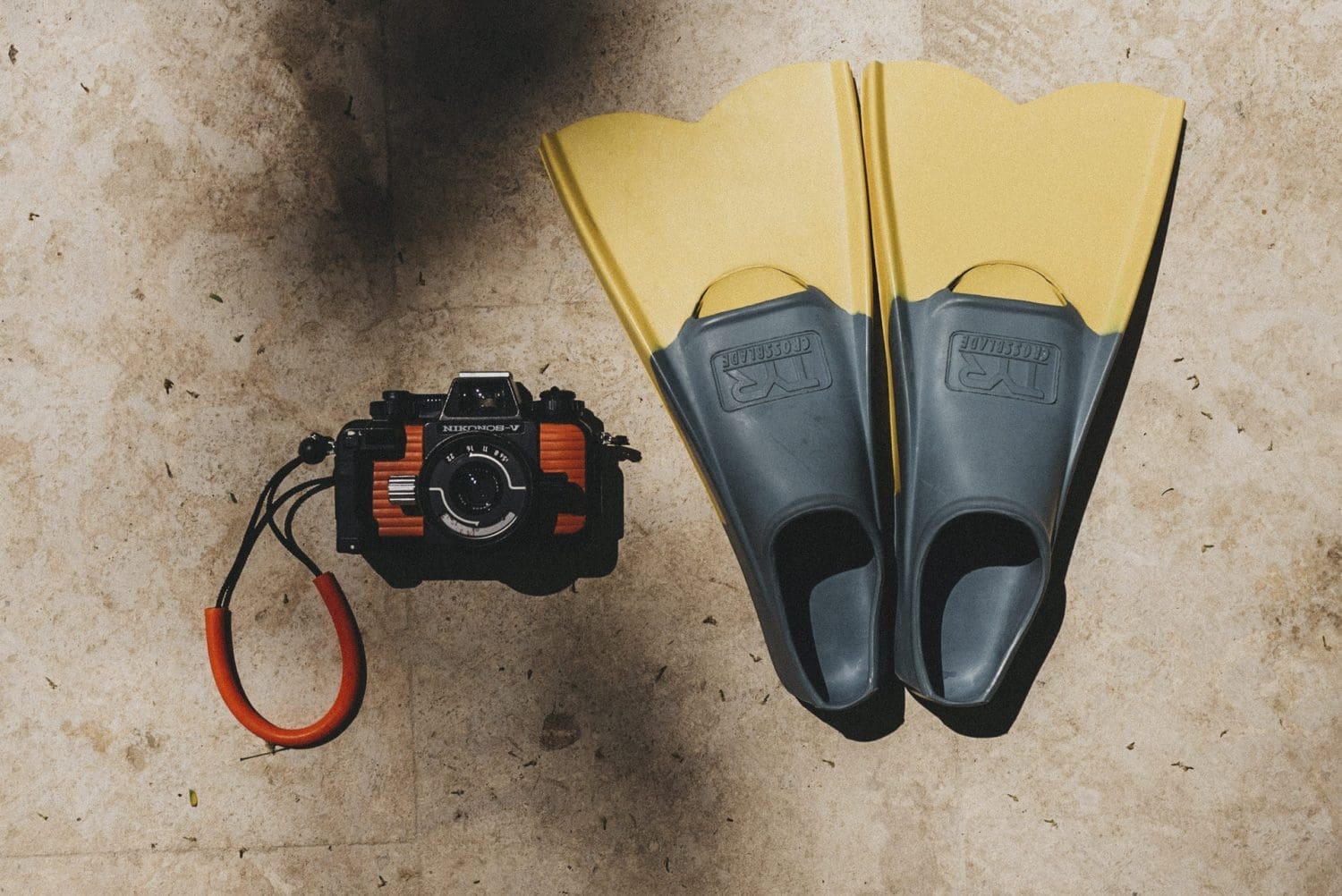
An underwater film camera and a pair of snorkel fins laid out on concrete before a Costa Rica beach wedding

Green season versus dry season

December through April is the busy stretch. Dates go earlier and photographers hold firmer on price. May through November is quieter, and there is more room to talk.

Green season does not mean a ruined wedding. It usually means an afternoon shower, better light, and a much emptier waterfall. It is one of the easiest ways to spend less without giving anything up.

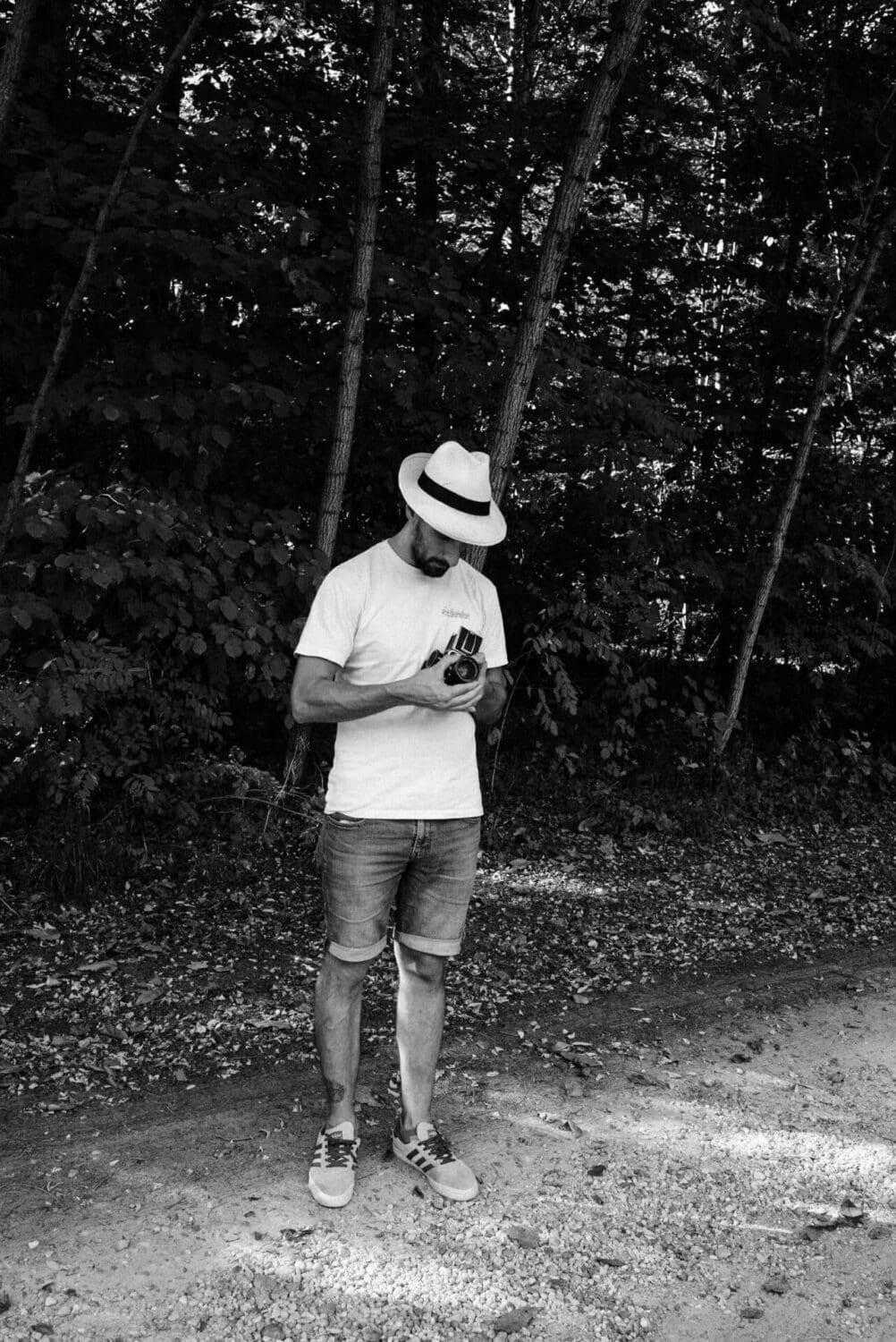
Black and white photograph of a man in a panama hat checking his camera at the edge of the trees on a Costa Rica beach

How much of the day you want kept

Most pricing conversations get framed as hours. I do not think that is the useful question. The useful question is how much of the story you want preserved. A three hour elopement and a three day celebration are different amounts of story, not just different amounts of clock.

The 13% IVA

Costa Rica charges 13% value added tax, and many venues add a 10% service charge on top. Plenty of quotes you receive from local vendors will not show it. Ask whether a number is before or after tax before you compare two of them.
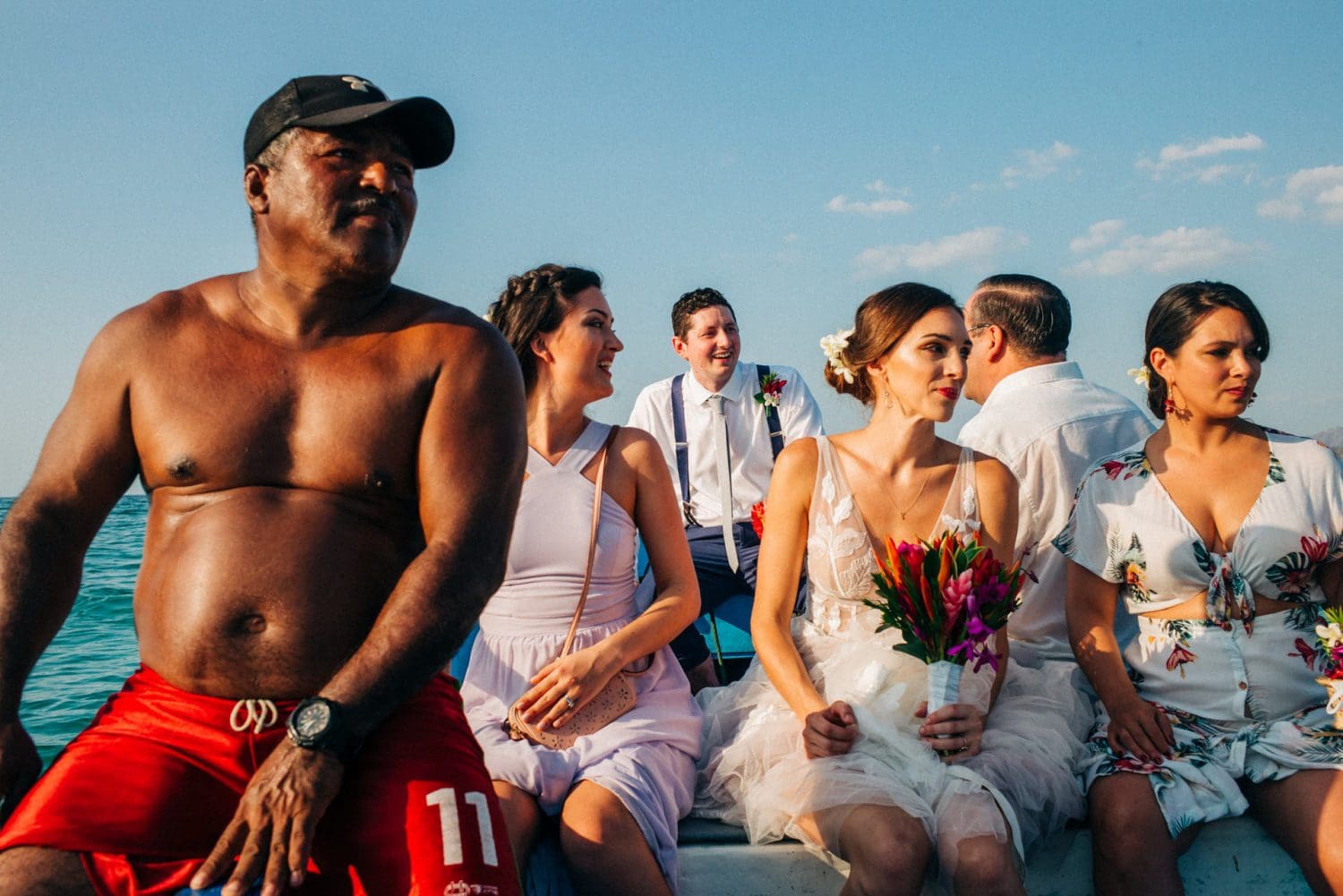
A bride, groom and bridesmaids sitting with the boatman on a small boat crossing to a wedding at Playa Conchal

My collections

I build collections around how much of the story you want kept, not how many hours are on the invoice.

Elopements

Elopement collections come down to one question: how much of Costa Rica do you want to see on the day you get married?

  • Half-Day Elopement, $2,200. A simpler, more focused way to elope. Best if you already know the place you want.
  • Signature Elopement, $3,000. One place. A whole day. Nothing rushed.
  • Costa Rican Wanderlust, $4,500. Two places, one complete day.
  • The Grand Tour, $6,000. Two days, multiple landscapes. An elopement that becomes a journey.

Full details on the elopement packages page.

Weddings

The Wedding Day ($3,500) includes full wedding-day coverage with Christopher, digital + 35mm photography, 400+ photographs, an approximately 2-minute Motion Portrait, and fine art prints. The Wedding Story ($5,500) adds one 3-hour event, two photographers / cinematographers, Polaroids, 500+ photographs, a Documentary Wedding Film of 3 to 5 minutes with natural sound and one roll of Super 8, a choice of complete ceremony or speeches film, and a curated print folio. The Wedding Archive ($8,000) includes the full wedding day, one additional celebration and one agreed day-after experience with flexible activity-based duration, two photographers / cinematographers plus a documentary assistant, medium-format couple portraits, Polaroids, 700+ photographs, a Wedding Documentary Archive of 7 to 9 minutes with two Super 8 rolls, complete ceremony and speeches films, voluntary guest audio and agreed keepsakes, an heirloom album and a physical Wedding Memory Box. Every collection includes a 72-hour preview, private gallery, printing rights, lifetime gallery backup and Costa Rica travel.

Portrait and engagement sessions are $750.

Travel anywhere in Costa Rica is included in every collection. There are no surprise domestic travel fees.

You can see exactly what sits inside each wedding collection on the wedding photography packages page.

Things couples add

Add on Price
Additional Chapter (another gathering) $800 for one additional event of up to 3 hours
Heirloom Album From $1,000; included in The Wedding Archive
Social Story $1,200
Full Ceremony Film $900 as an addition; choose this or speeches in The Wedding Story; both included in The Wedding Archive
Full Speeches Film $900 as an addition; choose this or ceremony in The Wedding Story; both included in The Wedding Archive
Rush Delivery From $800
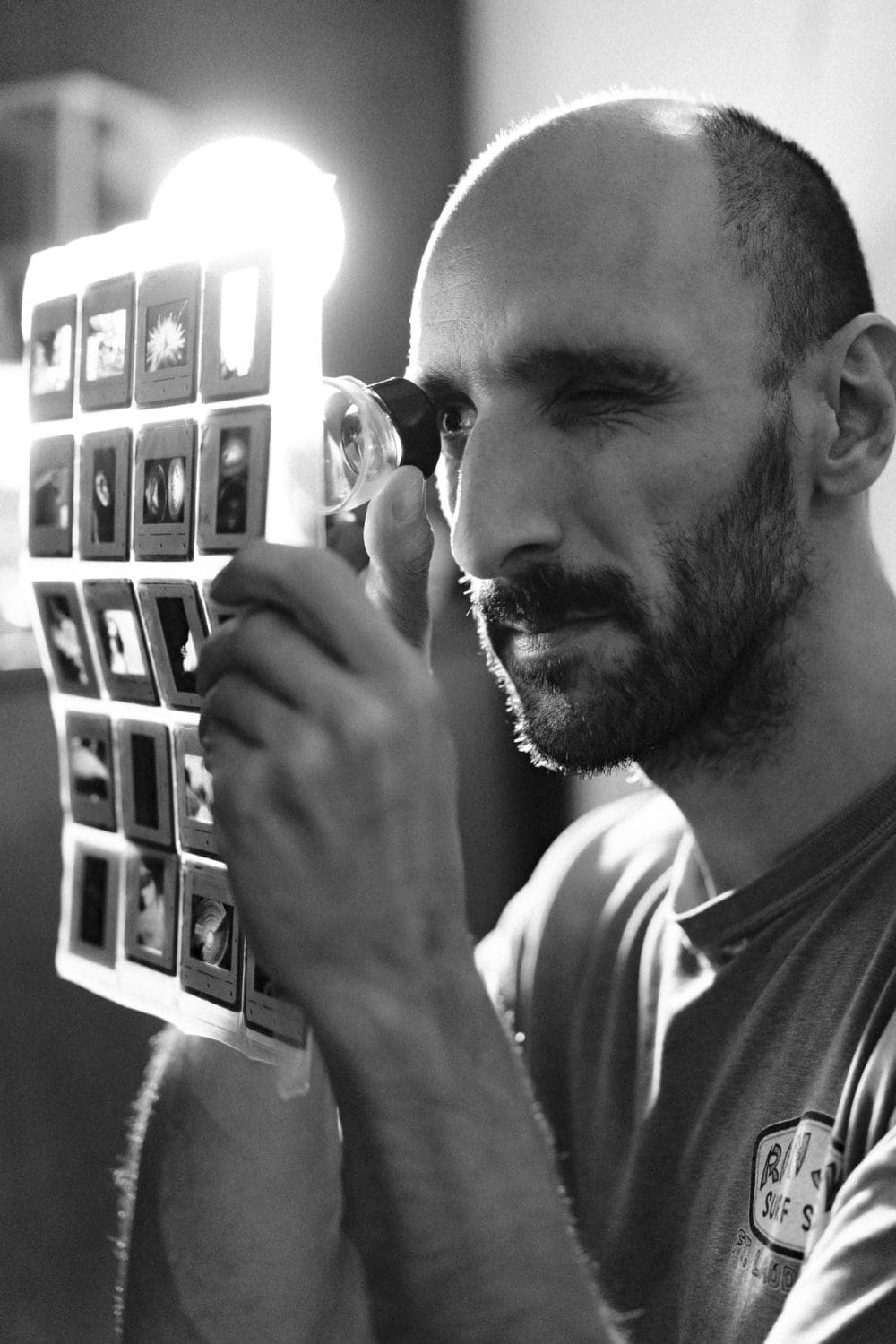
Christopher Alga holding a sheet of 35mm negatives up to the light to check frames from a Costa Rica wedding

Why some quotes are so much lower

A $1,500 quote and a $5,000 quote are rarely the same job with a different sticker on it.
What tends to be missing from the cheaper one:

  • One camera body with no backup, and no second card recording your photos as they are taken
  • No lighting, which matters more than people expect at a reception under the trees
  • Domestic travel billed separately, or the night before billed separately
  • Very little editing, so the gallery drifts in colour from beginning to end
  • No liability insurance, which some venues will actually ask about
  • No real backup of your files after delivery

None of that shows up in the sample gallery. It shows up when something goes wrong.

The single most useful question to ask any photographer, at any price, is what happens if a camera fails during your ceremony. The answer tells you almost everything.

A couple embracing on Flamingo Beach at sunset, framed by tree branches, at a Costa Rica wedding

How photography fits your overall budget

Start with the experience you want preserved. The Wedding Day is $3,500, The Wedding Story is $5,500, and The Wedding Archive is $8,000. Each includes photography, its own film experience, fine art prints, and travel throughout Costa Rica.

If you want the full picture of what a Costa Rica wedding costs, I keep a separate breakdown by venue type and guest count: How Much Does a Wedding in Costa Rica Cost?

Frequently asked questions

How much does a wedding photographer cost in Costa Rica? Prices vary across the market. My wedding photography collections begin at $3,500, with The Wedding Story at $5,500 and The Wedding Archive at $8,000.
Is travel within Costa Rica extra? In my collections, no. Travel anywhere in the country is included. Ask other photographers directly, because it is often quoted separately.

Do photographers charge more in high season? Usually. December through April is peak. Green season, May through November, is generally easier on both price and availability.

Is video included? Yes. The Wedding Day includes an approximately 2-minute Motion Portrait. The Wedding Story includes a Documentary Wedding Film of 3 to 5 minutes with natural sound and one roll of Super 8, plus your choice of complete ceremony or speeches film. The Wedding Archive includes a Wedding Documentary Archive of 7 to 9 minutes with two rolls of Super 8 and both complete ceremony and speeches films.

How far ahead should I book? For a dry season Saturday, twelve to eighteen months is normal. Green season dates often stay open much later.

Does the price include tax? Ask every vendor this. Costa Rica adds 13% IVA, and many venues add a 10% service charge, and neither always appears on the first quote you see.

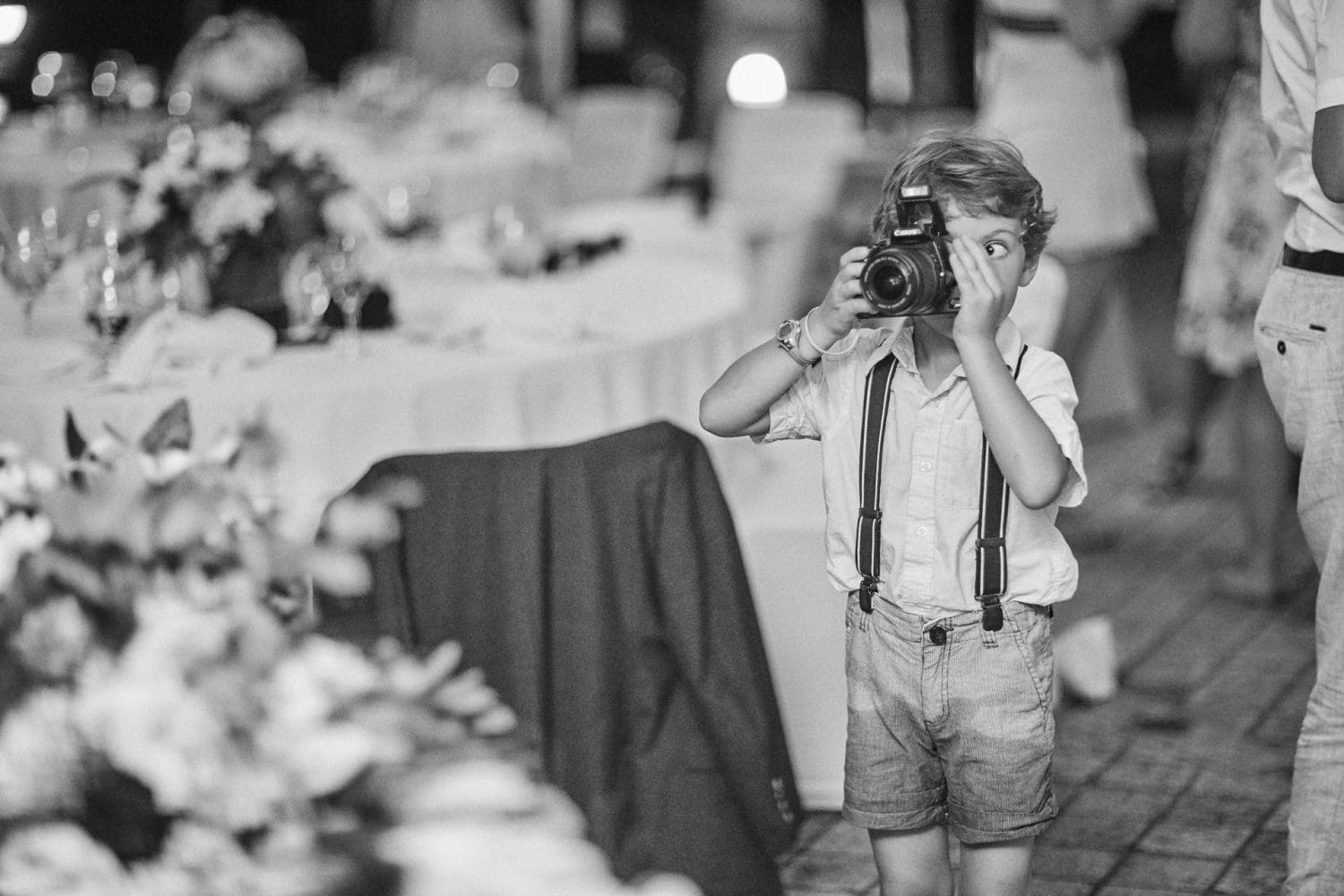
A young boy in braces holding a camera up to his eye during a wedding reception in Costa Rica

Final note

If you are trying to work out what makes sense for your wedding, I would rather have a conversation than send you a price sheet. Tell me where you are getting married, roughly how many people are coming, and what you actually want to remember, and I will tell you honestly what fits.