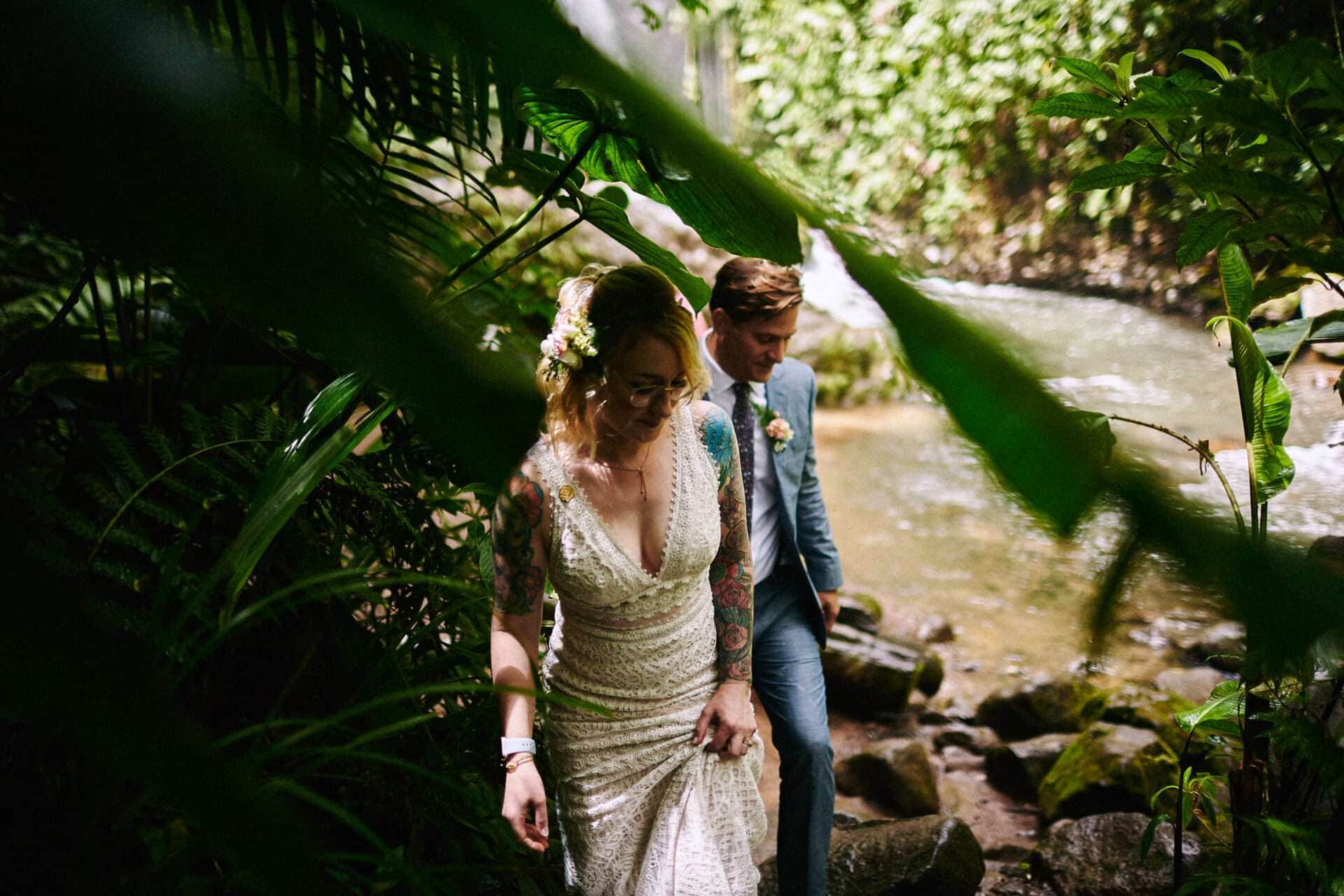
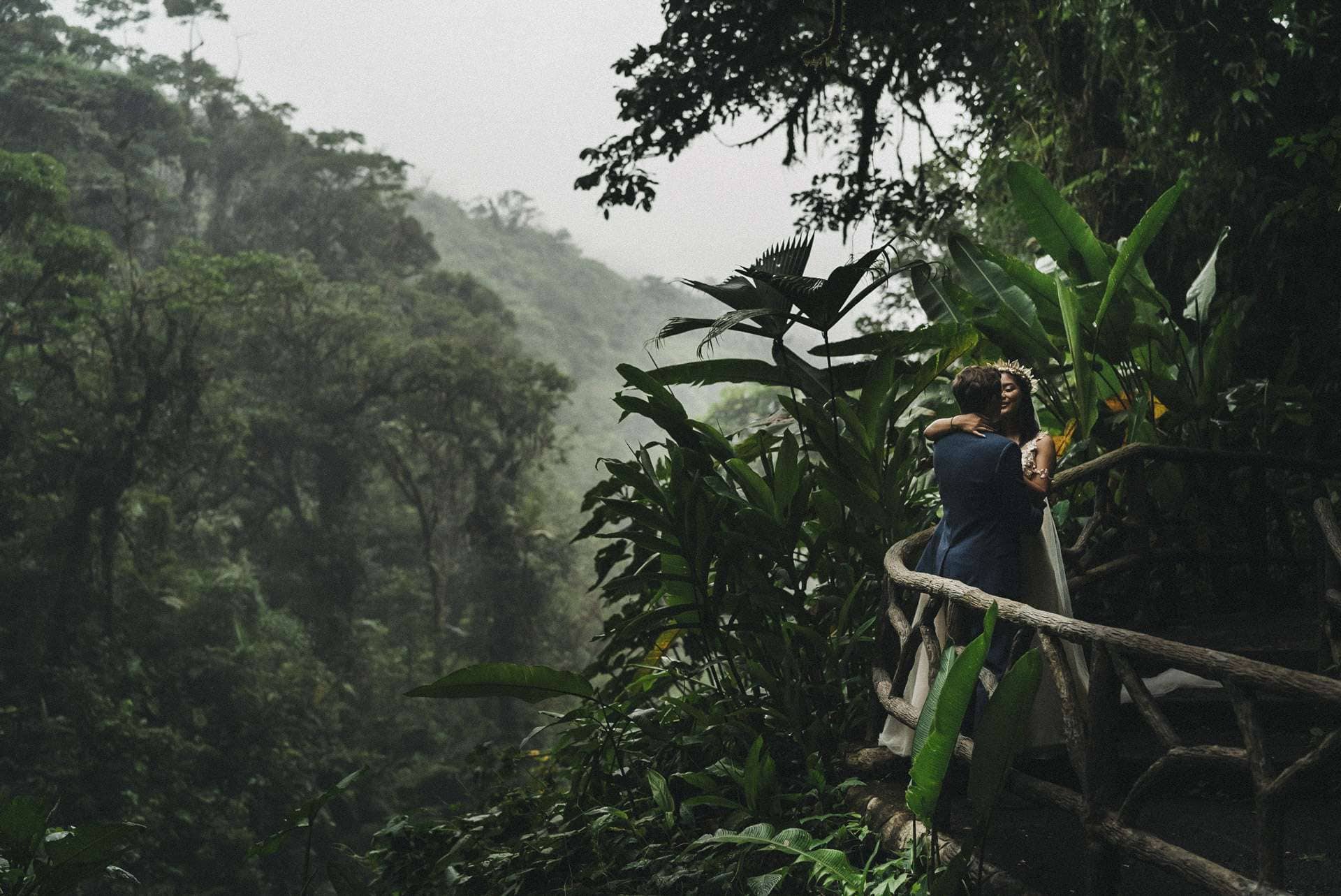
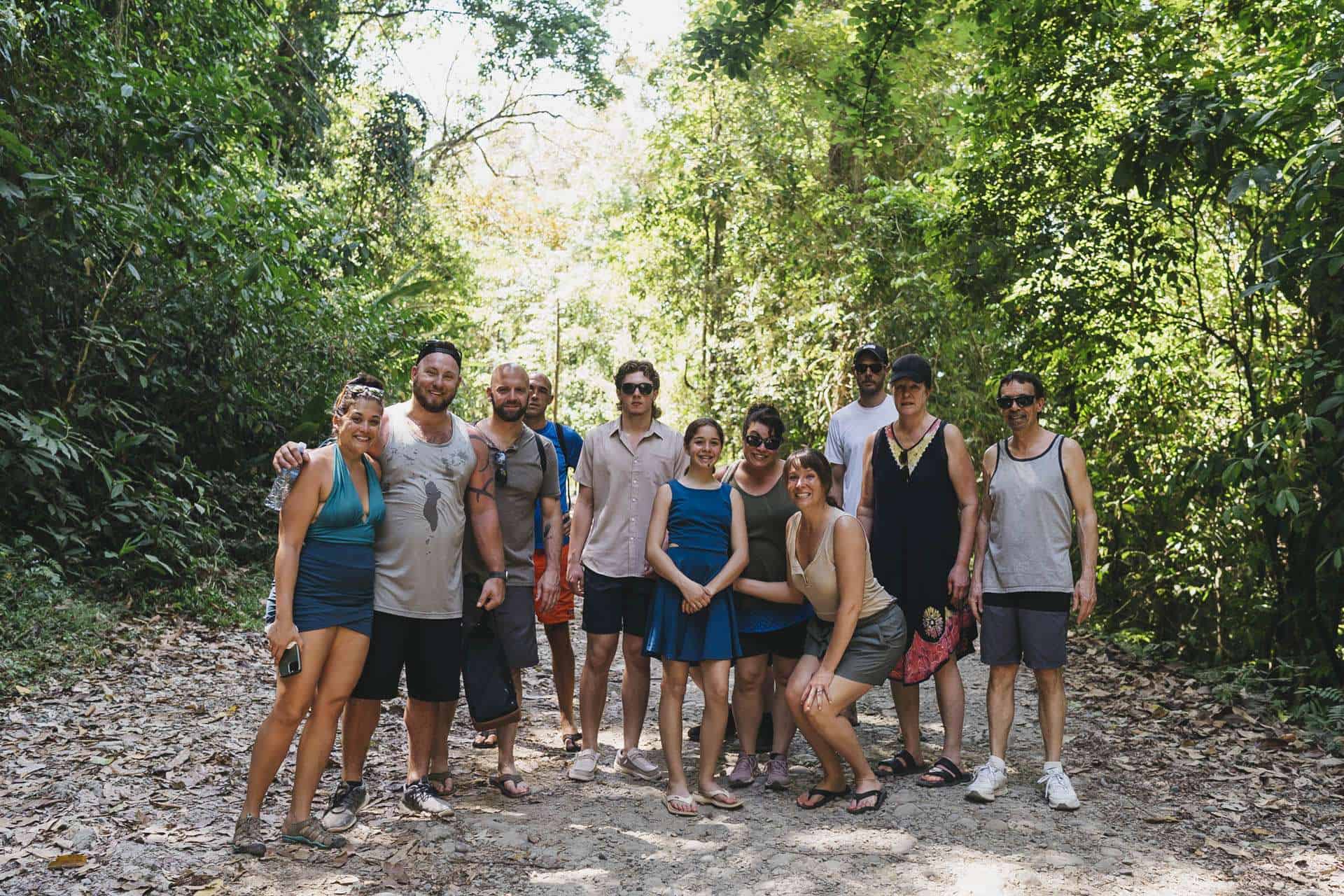
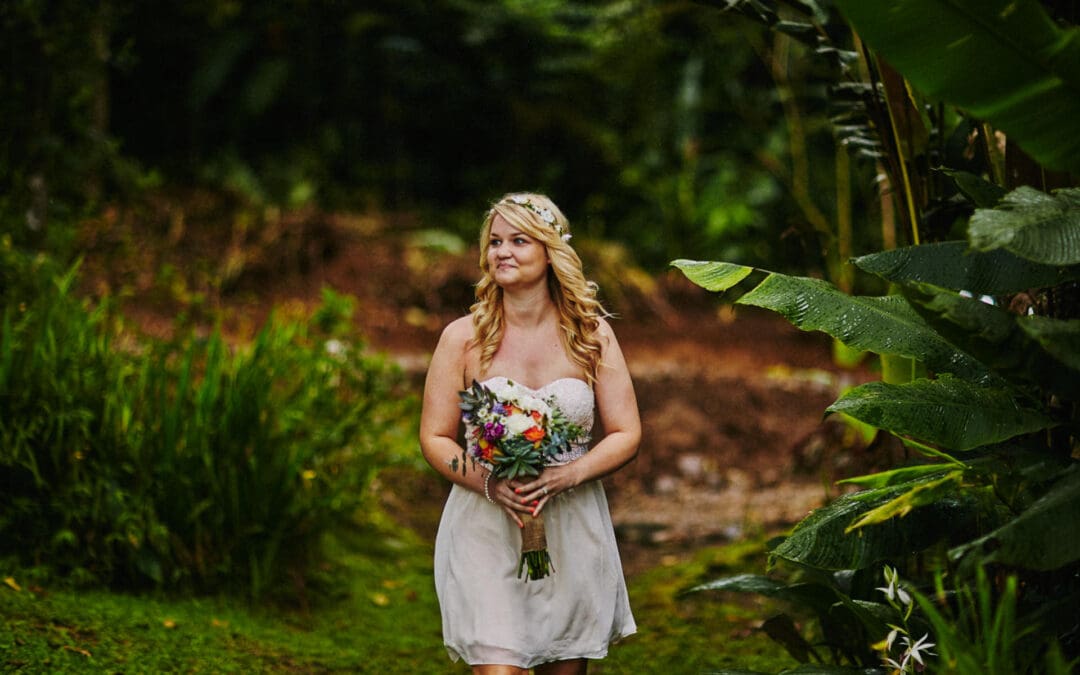
Can You Get Married in Costa Rica Without Being a Resident 2026

Can You Get Married in Costa Rica Without Being a Resident 2026

Can You Get Married in Costa Rica Without Being a Resident 2026. Yes, absolutely. You do not need to be a resident of Costa Rica to get legally married here. As long as you have a valid passport and the required documentation, you can marry in Costa Rica as a tourist, and your marriage will be recognized internationally.

Residency requirements for marriage costa rica

There are no residency requirements for foreigners getting married in Costa Rica. You don’t need to live here, own property here, or have any long-term visa. The 90-day tourist stamp you receive when you fly in is all you need to legally marry during your stay.

This is one of the reasons Costa Rica has become such a popular destination wedding location, the process is accessible, straightforward, and welcoming to international couples.

Foreigner marriage laws costa rica

Costa Rican law treats all marriages equally, whether performed for residents or visitors. The requirements are the same:

  • Valid passports for both partners
  • Proper documentation (birth certificates, divorce decrees if applicable, all translated to Spanish)
  • A licensed Costa Rican attorney or Catholic priest to perform the legal ceremony

Once your marriage is registered with the Civil Registry (Registro Civil), you’ll receive an official marriage certificate that’s valid worldwide. Most couples receive this document 2–3 months after the ceremony.

Pro-Tip from Your Photographer in Costa Rica: One of the beautiful things about destination weddings is that you’re starting fresh in a place that’s meaningful to both of you, not tied to anyone’s hometown or family expectations. I’ve photographed couples from all over the world who chose Costa Rica specifically because it leveled the playing field. No one has “home-field advantage,” and that often makes the celebration feel more authentic and focused on just the two of you. Plus, the photos of you exploring a new place together? They tell a better story than any church parking lot ever could.

The full picture is in my guide to the legal requirements for getting married in Costa Rica, which covers the documents, the witnesses and how the marriage is recognized back home.

Can You Get Married in Costa Rica Without Being a Resident 2026

Ready to start planning your Costa Rica Wedding?

If you’re currently planning your wedding in Costa Rica and want photography that feels natural, intentional, and editorial, you can explore my approach here:
Best Places to Get Married in Costa Rica 2026

Best Places to Get Married in Costa Rica 2026

Best Places to Get Married in Costa Rica 2026. Costa Rica is small, about the size of West Virginia, but incredibly diverse. You can choose between Pacific beaches, Caribbean coastlines, misty cloud forests, volcanic landscapes, or lush rainforests. The key is matching the location to your wedding vibe and your guests’ comfort level.

Best wedding venues costa rica

Here are the most popular regions, each with its own personality:

Guanacaste (Northwest Pacific Coast): The most popular choice for destination weddings. Think sunny beaches, luxury resorts, and reliable dry-season weather. Towns like Tamarindo, Papagayo Peninsula, Playa Flamingo, and Nosara offer everything from all-inclusive resorts to intimate boutique hotels. If you want guaranteed sunshine and easy logistics for guests, this is your safest bet.

Manuel Antonio (Central Pacific): Jungle meets ocean. This region offers dramatic coastal views with rainforest backdrops. It’s more humid and lush than Guanacaste, with excellent wildlife (monkeys, sloths, toucans crashing your ceremony is not uncommon). Perfect for couples who want that “Jurassic Park” tropical vibe.

Arenal/La Fortuna (Northern Highlands): Volcano weddings with hot springs. If you’re drawn to misty mountains, waterfalls, and dramatic volcanic views, Arenal is stunning. Keep in mind it’s rainier here year-round, but the landscape is unmatched for adventurous couples.

The Caribbean Coast (Puerto Viejo/Cahuita): Laid-back, bohemian, and colorful. This side of Costa Rica has a completely different culture, reggae vibes, Afro-Caribbean influence, and a slower pace. It’s less developed for weddings but perfect for couples seeking something unconventional.

Guanacaste vs manuel antonio wedding

This is the big decision most couples face:

  • Guanacaste: Drier, sunnier, more resort options, easier airport access (Liberia International Airport). Best for larger weddings and guests who want convenience.
  • Manuel Antonio: More lush and dramatic, smaller-scale venues, slightly more adventurous. Best for intimate weddings and couples who prioritize scenery over predictability.

Jungle wedding venues

If a rainforest ceremony is calling you, look into places like:

  • Pacuare Lodge (remote eco-lodge accessible only by raft, seriously epic)
  • Finca Rosa Blanca (organic coffee plantation near San José)
  • Hacienda Guachipelín (working ranch near Rincón de la Volcán)
  • Rio Perdido (canyon views with natural hot springs)

These venues are ideal for couples who want total immersion in nature and don’t mind trading beach sunsets for waterfall backdrops.

Pro-Tip from Your Costa Rica Wedding Photographers: I’ve shot weddings all over Costa Rica, from Guanacaste’s golden coastlines to Monteverde’s cloud forests, and I love returning to familiar spots where I know exactly how the light falls. That said, I get genuinely excited about new locations because they push me to see things with fresh eyes and create something completely unique for you. If you’ve found an off-the-beaten-path gem, I’m all in.

Best Places to Get Married in Costa Rica 2026

Best Places to Get Married in Costa Rica 2026
Costa Rica Destination Wedding: 5 Reasons to get married in Paradise.

Costa Rica Destination Wedding: 5 Reasons to get married in Paradise.

Costa Rica Destination Wedding

Costa Rica destination wedding

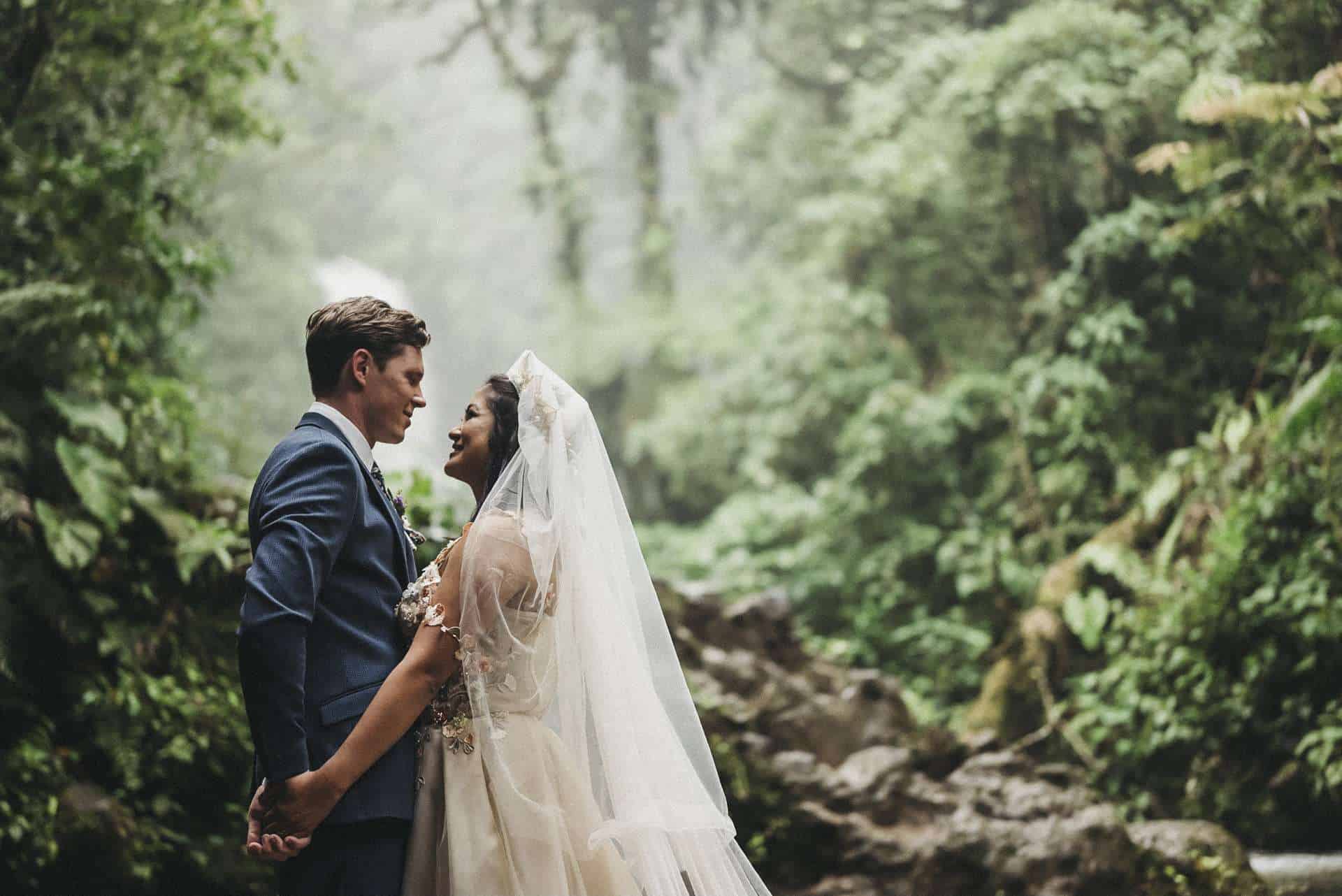
A magical moment captured during Jasha & Brian’s rainforest Costa Rica destination wedding.

Are you recently engaged and dreaming of saying “I do” somewhere breathtaking? As a Costa Rica destination wedding photographer who has captured countless couples’ special moments across this beautiful country, I can tell you that Costa Rica offers something truly magical that other destinations simply can’t match.

Costa Rica isn’t just another tropical wedding location, it’s an experience that will transform your celebration into an unforgettable adventure for you and your guests. From pristine beaches to misty cloud forests, this small but mighty country packs endless possibilities for couples seeking a meaningful destination wedding.

Why do People get married in Costa Rica?

Costa Rica may be small (about the size of West Virginia), but it’s home to nearly 5% of the world’s biodiversity, more than the United States and Canada combined! This incredible natural wealth creates spectacular backdrops for your wedding photos that simply can’t be replicated elsewhere.

The country’s motto “Pura Vida” (pure life) isn’t just a saying; it’s a philosophy that infuses everything here. This positive, relaxed approach to life creates an atmosphere where you can truly be present on your wedding day, surrounded by natural beauty and warm, welcoming locals.

Key reasons to choose Costa Rica:

Reason #1 Beach Weddings: Where Two Oceans Offer Double the Magic

Sunset ceremony at Playa Conchal, where the vibrant sky meets the Pacific Costa Rica destination wedding

Sunset ceremony at Playa Conchal, where the vibrant sky meets the Pacific

Costa Rica offers an incredible advantage for beach weddings, access to both Pacific and Caribbean coastlines, each with its own distinct character:

Pacific Coast Weddings:

The Pacific side features dramatic sunsets that paint the sky in vibrant oranges and pinks, creating spectacular ceremony backdrops. Popular wedding locations like Guanacaste offer white sand beaches such as Playa Conchal and Playa Flamingo, where turquoise waters create a stunning contrast against the shoreline.

I remember photographing Jennifer and Andrew’s wedding in Tamarindo, where their ceremony coincided with one of the most spectacular sunsets I’ve ever witnessed. The golden light bathed everyone in a warm glow as they exchanged vows with their toes in the sand—creating images that looked almost otherworldly.

Caribbean Coast Weddings:

For couples seeking a different vibe, the Caribbean coast offers palm-fringed beaches with a unique Afro-Caribbean culture. Places like Puerto Viejo and Cahuita provide a more laid-back atmosphere where reggae rhythms and vibrant culture blend with natural beauty.

Reason #2 Mountain Weddings: Elevated Romance in the Clouds

A couple sharing a private moment overlooking the Valle Central mountains Costa Rica destination wedding

A couple sharing a private moment overlooking the Valle Central mountains

For couples who dream of something beyond beaches, Costa Rica’s mountains offer spectacular wedding settings with cooler temperatures and breathtaking views:

Cloud Forest Celebrations:

Monteverde and the surrounding cloud forest regions provide a mystical setting where mist drifts through the trees, creating an almost fairytale atmosphere. Imagine exchanging vows surrounded by orchids and the occasional hummingbird darting past!

Volcano Views:

Several luxury resorts near Arenal and Poás volcanoes offer wedding venues with dramatic volcanic backdrops. These locations provide not just incredible views but also access to natural hot springs, perfect for a relaxing pre-wedding spa day.

Jasha and Brian chose a mountain resort nestled in the rainforest for their wedding. Their ceremony took place on a terrace overlooking lush valleys with mountains in the distance. As they said their vows, a gentle afternoon mist rolled in, creating a magical atmosphere that felt like they were floating among the clouds. Their guests still talk about how unique and moving the experience was, something they simply couldn’t have had anywhere else.

Reason #3 Rainforest Weddings: Nature's Cathedral

Costa Rica destination wedding An intimate ceremony beneath the rainforest canopy near Manuel Antonio

An intimate ceremony beneath the rainforest canopy near Manuel Antonio

Perhaps the most uniquely Costa Rican wedding option is celebrating in the rainforest. These settings offer:

Unparalleled Natural Décor:

Nature provides the most spectacular decorations, towering trees draped with vines, colorful flowers, and the occasional curious wildlife witness. One couple I photographed had a sloth slowly make its way across a branch during their ceremony, an unexpected but delightful guest!

Immersive Experience:

Rainforest venues immerse you and your guests in nature’s symphony, from the gentle sound of rainfall (nature’s rice toss!) to the calls of howler monkeys and tropical birds providing a natural soundtrack to your celebration.

Many eco-lodges and reserves offer stunning wedding venues within primary rainforest, where you can celebrate your love while supporting conservation efforts.

Reason #4 The Green Season Advantage: Costa Rica's Best-Kept Wedding Secret

The lush, vibrant landscape that makes green season so special Costa Rica destination wedding

The lush, vibrant landscape that makes green season so special

While Costa Rica welcomes visitors year-round, many couples shy away from the green season (May through November). However, as someone who’s photographed weddings during every month of the year here, I can tell you that green season offers several distinct advantages:

Vibrant Landscapes:

The occasional rainfall makes Costa Rica explode with color during these months. Forests become more lush, waterfalls flow more dramatically, and everything feels more alive. Your wedding photos will capture Costa Rica at its most vibrant.

Better Availability & Value:

Many top venues and vendors have more availability during green season, giving you access to the best locations without the year-long waitlists. You’ll often find better rates during these months too, allowing you to allocate your budget to other aspects of your wedding experience.

Predictable Weather Patterns:

The green season doesn’t mean constant rain! Typically, mornings are sunny and clear, with brief afternoon showers that pass quickly. Experienced Costa Rica wedding planners can help schedule your events to work with these patterns, not against them.

Fewer Crowds:

Your guests will enjoy more intimate experiences at popular attractions, and your beach ceremony won’t have curious onlookers in the background of every photo.

Real Costa Rica Wedding Story: Jasha & Brian's Rainforest Romance

Costa Rica destination wedding Jasha & Brian celebrating their special day surrounded by nature

Jasha & Brian celebrating their special day surrounded by nature

Jasha and Brian were initially hesitant about a May wedding in Costa Rica. They worried about rain disrupting their plans but fell in love with a mountain resort surrounded by rainforest and decided to embrace the green season.

Their wedding week featured sunny mornings, perfect for their ceremony and portraits, with brief afternoon showers that created magical lighting conditions. The rain actually enhanced their experience, bringing out wildlife, creating dramatic skies for photos, and cooling the air to a perfect temperature.

What made their celebration truly special was how they incorporated Costa Rica’s natural elements. Their outdoor reception featured local flowers, farm-to-table cuisine, and even a surprise visit from toucans during cocktail hour. Their guests couldn’t stop talking about how different this was from any wedding they’d attended before.

Jasha later told me: “The green season gave us the real Costa Rica experience. Everything was so lush and vibrant. Looking back, I can’t imagine having chosen any other time or place.”

Reason #5 Beyond the Wedding Day: An Adventure for Everyone

A wedding party enjoying pre-wedding adventures in Costa Rica

A wedding party enjoying pre-wedding adventures in Costa Rica

One of the greatest advantages of a Costa Rica destination wedding is that it doubles as a vacation for everyone involved. Your guests can:

  • Zip-line through rainforest canopies
  • Relax at natural hot springs
  • Spot wildlife on guided tours
  • Take surfing lessons on beginner-friendly beaches
  • Hike to breathtaking waterfalls
  • Explore coffee plantations

Many couples I work with arrange group activities before or after the wedding, creating additional opportunities for everyone to bond and make memories together. These shared adventures often become as cherished as the wedding itself.

Planning Your Costa Rica Destination Wedding

Planning a wedding from afar might seem daunting, but Costa Rica’s well-developed tourism infrastructure makes the process smoother than you might expect:

Best Time to get married:

  • Dry Season (December-April): More predictable weather but higher prices and crowds
  • Green Season (May-November): Lush landscapes, fewer crowds, better values
  • Transition Months (May, November): Often offer the best of both seasons

Popular Wedding Locations:

  • Guanacaste: For beach lovers seeking accessibility and resort amenities
  • Manuel Antonio: Where rainforest meets the beach
  • Monteverde: For cloud forest magic
  • Arenal: For volcano views and hot springs
  • Caribbean Coast: For a more laid-back, culturally diverse experience

Ready to Start Planning Your Costa Rica Destination Wedding?

As someone who has photographed weddings throughout Costa Rica for years, I’d love to share more insights about creating your dream celebration here. Beyond just photography, I can help you understand what makes each location special and how to make the most of Costa Rica’s natural beauty on your wedding day.

Let’s chat about your Costa Rica wedding vision! Schedule a free consultation to discuss your dreams for a destination wedding in paradise.

During our conversation, we’ll explore:

  • The best locations based on your wedding style and vision
  • Timing considerations for your specific dream location
  • How to incorporate Costa Rica’s natural beauty into your celebration
  • Local insights that will enhance your wedding experience
  • Photography opportunities that will capture your love story against Costa Rica’s stunning backdrops

¡Pura Vida y felicidades!

Is It Legal for US Citizens to Get Married in Costa Rica 2026

Is It Legal for US Citizens to Get Married in Costa Rica 2026

Is It Legal for US Citizens to Get Married in Costa Rica 2026. Yes, absolutely. Marriages performed in Costa Rica are legally recognized worldwide, including in the United States, Canada, and throughout Europe. This is one of the most common concerns for destination wedding couples, but the process is more straightforward than most people expect.

Legal requirements for wedding in Costa Rica

Costa Rica welcomes foreign couples with relatively simple documentation. Here’s what you’ll need:

  • Valid passports for both partners
  • Birth certificates (original or certified copies, translated to Spanish by an official translator)
  • If previously married: Divorce decree or death certificate of former spouse (also translated)
  • Tourist visa: Most US citizens receive a 90-day tourist stamp upon arrival, no special visa required

One major relief: No blood tests are required, unlike in some US states. This outdated requirement doesn’t exist in Costa Rica, simplifying your timeline considerably.

Getting married in Costa Rica US citizens

The ceremony itself must be performed by a licensed Costa Rican attorney or a Catholic priest. Most wedding planners and venues have trusted attorneys they work with regularly. The attorney will handle the legal paperwork, and you’ll receive an official marriage certificate (in Spanish) that you can then translate and authenticate for use back home.

Processing time is typically 2-3 months after the ceremony for the final certificate, so plan accordingly if you need it for legal name changes.

Documents needed for marriage Costa Rica

Your wedding planner or attorney will provide a complete checklist, but having your documents translated before arrival saves valuable vacation time. Expect to spend $300-$500 on document preparation and attorney fees for the legal ceremony.

Pro-Tip for Eloping Couples: If you’re eloping and need witnesses for your legal ceremony, your Elopement photographer(me) can serve as one. It’s happened more times than you’d think, sometimes it’s just the two of you, your attorney, and me with my camera. It’s actually pretty special.

The full picture is in my guide to the legal requirements for getting married in Costa Rica, which covers the documents, the witnesses and how the marriage is recognized back home.

Is It Legal for US Citizens to Get Married in Costa Rica 2026

Ready to start planning your Costa Rica Wedding?

If you’re currently planning your wedding in Costa Rica and want photography that feels natural, intentional, and editorial, you can explore my approach here:

Europe Destination Wedding Planning Guide for American Couples (2026)

Europe Destination Wedding Planning Guide for American Couples (2026)

[pac_divi_table_of_contents included_headings=”off|on|off|off|off|off” title_container_bg_color=”gcid-secondary-color” _builder_version=”4.27.5″ _module_preset=”default” global_colors_info=”{%22gcid-secondary-color%22:%91%22title_container_bg_color%22%93}” theme_builder_area=”post_content”][/pac_divi_table_of_contents]
9

TL;DR

Europe Destination Wedding Planning Guide. If you’re short on time, here’s what you need to know:

Start planning 18-24 months ahead – Peak Mediterranean season (May-June, Sept-Oct) books up fast
Budget realistically – Expect €30k-€100k for 40-80 guests (add 20-30% buffer for hidden costs)
Keep guest lists under 60 – Smaller = more intimate, less expensive, easier logistics
Hire a local planner – Essential for navigating language, vendors, and avoiding costly mistakes
Choose value regions – Portugal, Croatia, inland Spain, Puglia offer 30-40% savings vs. Amalfi/Como
Carefull with multi-day events – Welcome dinner + wedding + brunch = 2-3x the cost
Accept guest declines – Plan for 50-60% attendance; not everyone can travel internationally
Photography matters – Budget €3k-€8k for experienced destination wedding photographers

Best Mediterranean regions: Spain (Mallorca, Barcelona, Costa Brava), Italy (Puglia, Tuscany, Amalfi Coast), Greece (Santorini, Crete), Portugal (Algarve, Lisbon), France (Provence, French Riviera), Croatia (Istria, Dubrovnik)

Ready to dive deeper? Keep reading for the complete breakdown.

What Real Couples Wish They'd Known: 15 Hard-Earned Lessons

Before we talk venues, Europe wedding photographers, and packages, let’s start with what actually matters. These insights come from real couples who planned European destination weddings, the lessons they learned the hard way, so you don’t have to.

Europe destination wedding planning

1. Smaller Guest Lists = Less Stress, More Intimacy

The Reality: Keep it under 60 guests if you can.

Couples with 20-60 guests consistently report better experiences than those hosting 100+. Smaller celebrations give you flexibility with venues, lower per-person catering costs, the ability to rent villas for multi-day stays, and, most importantly, an intimate atmosphere where you actually get to spend time with everyone.

Takeaway: Lower headcount means fewer vendors, simpler logistics, fewer surprise costs, and a wedding that feels personal instead of like managing a conference.

2. Skip the “It” Destinations, Go Where Value Lives

The Reality: Portugal and inland Spain beat Amalfi Coast pricing by 40%.

Couples consistently steer away from Instagram-famous locations because vendor costs are inflated. Portugal, Croatia, inland Spain, and Puglia offer the same European charm, historic venues, incredible food, beautiful landscapes, without the luxury markup.

Takeaway: You get all the European magic without the “trendy destination” tax. Your budget goes further on what actually matters.

3. Hire a Local Planner, Seriously

The Reality: Local expertise prevents expensive mistakes.

Couples who hired in-country planners reported smoother experiences, better vendor relationships, realistic cost expectations, and fewer surprise fees. Local planners know which venues have hidden costs, how to structure contracts, and can communicate in the local language.

Takeaway: A good planner pays for themselves by preventing budget blow-outs and logistical disasters.

4. Hidden Costs Will Surprise You, Budget 20-30% Extra

The Reality: What “should” cost €20,000 often becomes €26,000.

Multiple couples mentioned costs ballooning once “minor” fees appeared: VAT (20-25%), tourist taxes, music permits, vendor minimums, service charges, late-night fees. Smart couples build in a contingency buffer from day one.

Takeaway: Your initial budget is your starting point, not your ceiling. Plan for unexpected expenses.

5. Never Reveal Your Full Budget to Vendors

The Reality: “Step 1: never reveal your real budget 😅”

When vendors know your maximum, they have little incentive to offer budget-friendly options, they quote higher packages, upgrades, and extras because they assume you can pay. Couples who disclosed their full budget upfront often felt pressured into unnecessary spending.

Takeaway: Start with a lower number. Let vendors present options, then negotiate up if needed.

6. European Vendors Are More Low-Key Than American Ones

The Reality: Don’t expect flashy, high-energy US-style service.

Some American couples were surprised by the “calmer” vendor style in Europe. European wedding professionals are attentive and skilled, but more understated, less “jazz hands,” more quiet competence. This isn’t worse, just different.

Takeaway: Set expectations for intimate, personal service rather than big production energy. It’s a cultural difference, not a quality issue.

7. Guest Travel Logistics Are Your Biggest Emotional Challenge

The Reality: Not everyone will come, and that’s okay.

Even when couples had solid budgets, they stressed about whether guests would commit: time off work, international travel costs, visa requirements, accommodations. Some guests will decline due to finances, family obligations, or work constraints, and that can trigger guilt or disappointment.

Takeaway: Plan for 50-60% attendance from your invite list. Accept early that not all loved ones can make it.

8. Multi-Day Events Explode Your Budget Fast

The Reality: Welcome dinner + wedding + brunch = 2-3x the cost.

Couples who planned weekend-long celebrations (welcome drinks, rehearsal dinner, ceremony, farewell brunch) saw costs spike dramatically, even with moderate guest counts. Each event needs separate catering, rentals, coordination, and often multi-day venue commitments.

Takeaway: Treat each additional event as a separate wedding, not an add-on. Budget accordingly, or simplify to ceremony + reception only.

9. Flexibility = Better Value and Less Stress

The Reality: “Perfect villa + 100 guests + peak summer” is a recipe for frustration.

Couples who insisted on dream-list parameters—specific villa type, coastal location, 100 guests, July wedding—struggled with availability and unrealistic quotes. Those who stayed flexible found better venues at better prices with way less stress.

Takeaway: Rigid expectations limit options. Flexibility opens doors to venues you hadn’t considered that might be even better.

If you want somewhere to start, my guide to the best wedding venues in Europe covers more than 50 of them by country, including the quieter ones couples tend to find late.

10. Start Planning 18-24 Months Ahead

The Reality: Late planning = limited options and higher prices.

Couples who booked 1.5-2 years in advance had time to secure ideal venues, coordinate guest travel, send early save-the-dates, and build contingency into their budget. Those planning under 12 months faced limited availability, premium last-minute pricing, and high stress.

Takeaway: Early start = more control, better choices, time to handle surprises without panic.

11. Over-Planning Kills the Joy

The Reality: Less is more, focus on the wedding day, not a production.

Multiple couples regretted adding too many extras (welcome dinner, day-after brunch, multiple activities). It led to vendor fatigue, host stress, and ironically, less time with guests because they were managing logistics.

Takeaway: You’re planning a wedding, not a weekend festival. Prioritize quality time over packed schedules.

12. Not Everyone Will Travel, And That’s Legitimately Okay

The Reality: Accept the reality early, plan accordingly.

Some guests will decline. Work schedules, finances, family situations, there are legitimate reasons people can’t travel internationally. Couples who accepted this early and built their guest list around committed attendees avoided resentment and guilt.

Takeaway: A destination wedding means a smaller, more intentional guest list. Focus on who can be there, not who can’t.

13. Intimate Vibes Beat Instagram Glamour

The Reality: Vineyard simplicity > over-produced perfection.

Couples seeking “forest, vineyard, outdoors, minimal décor” weddings reported feeling more themselves. They chose venues that didn’t need heavy decorating, which reduced stress and cost. The atmosphere felt cozy and meaningful instead of performative.

Takeaway: Authenticity beats aesthetics. Choose what reflects you as a couple, not what looks good on social media.

14. Set Guest Expectations Early and Clearly

The Reality: Transparent communication prevents awkwardness.

Smart couples sent preliminary surveys asking if guests were willing/able to travel and cover their own accommodations. This helped filter the guest list realistically. Clear messaging, “If you can’t come, we completely understand”, reduced pressure and guilt.

Takeaway: Honesty upfront saves emotional burden. Let guests opt in or out without judgment.

15. The “Worth It” Factor Isn’t About Cost, It’s About Experience

The Reality: Intimacy and magic beat convenience.

Despite the challenges, many couples said meeting loved ones at a European villa, waking up to historic surroundings, and spending a weekend celebrating together felt worth every bit of effort and expense. For them, the stress was an acceptable trade-off for once-in-a-lifetime memories.

Takeaway: If you value atmosphere, uniqueness, and emotional connection over convenience and low cost, a destination wedding delivers something irreplaceable.

Understanding Destination Wedding Packages Europe: What's Actually Included

When you see “destination wedding package,” it can mean wildly different things depending on the vendor. Here’s how to decode what you’re actually getting.

Destination wedding photographer Europe destination wedding planning

Types of Packages

1. Venue-Only Packages

What’s included: The space, basic tables/chairs, sometimes linens
What’s NOT included: Catering, bar, florals, photography, planning, entertainment

Average Cost: €3,000-€15,000 depending on location and exclusivity

Best for: DIY couples who want to source their own vendors


2. All-Inclusive Venue Packages

What’s included: Venue, catering, bar service, coordinator, basic décor, sometimes accommodations
What’s NOT included: Photography, videography, florals (beyond basics), entertainment, personal planning

Average Cost: €200-€350 per guest (so €20k-€35k for 100 guests)

Best for: Couples who want simplified logistics but still control key vendors like photography


3. Full-Service Planning Packages

What’s included: Planner manages everything, venue scouting, vendor coordination, timeline, day-of management
What’s NOT included: The actual vendor costs (you pay those separately)

Average Cost: €5,000-€15,000 for full-service planning (or 10-20% of total budget)

Best for: Couples planning from abroad who need local expertise


4. Elopement Packages

What’s included: Photography (4-8 hours), coordination, sometimes celebrant, basic florals, location scouting
What’s NOT included: Guest accommodations, reception, catering

Average Cost: €3,000-€12,000 depending on location and photographer quality

Best for: Couples getting married alone or with under 20 guests


What to Ask Before Booking ANY Package

Is VAT (20-25%) included in the quoted price?
What’s the cancellation/postponement policy?
Are vendor meals included? (Standard to feed your vendors)
What are the payment terms? (Typically 25-50% deposit, rest before wedding)
Is there a venue fee separate from catering minimums?
What’s included in “coordination”? (Day-of only vs. full planning)
Can we use outside vendors or is there a preferred list?
What happens if our guest count changes?
Are setup and breakdown included?
What insurance is required? (Public liability, cancellation)

Weddings in Europe: Practical Realities American Couples Need to Know

Destination wedding photographer Europe destination wedding planning

Legal Marriage vs. Symbolic Ceremony

The Smart Move: Handle legal paperwork at home, celebrate symbolically in Europe.

Why: European legal marriages require residency periods, translated documents, apostilles, and bureaucratic processes that vary by country. Most couples do a quick courthouse ceremony at home (or self-solemnize if their state allows), then have a beautiful symbolic celebration abroad.

Exception: If legal marriage in Europe is important to you, hire a planner who specializes in navigating that country’s requirements. Budget extra time (often 3-7 days on-site before the wedding).


Guest Count Realities

Average destination wedding in Europe: 40-70 guests (vs. 140 at home weddings)

Why fewer guests come:

  • International flights: $800-$1,500 per person from the US
  • Accommodations: $150-$400/night for 2-4 nights
  • Time off work: Many can’t take a full week
  • Visa requirements for some guests
  • Family obligations, financial constraints

Plan for 50-60% attendance from your initial invite list. If you invite 100, expect 50-60 to commit.


Travel Logistics for Guests

Choose locations with easy airport access:

Best for US guests (direct flights from major cities):

  • Barcelona, Spain
  • Rome, Italy
  • Athens, Greece
  • Lisbon, Portugal
  • Paris, France
  • Nice, France

Require connections but worth it:

  • Mallorca, Spain (via Madrid/Barcelona)
  • Puglia, Italy (via Rome/Milan)
  • Santorini, Greece (via Athens)
  • Costa Brava, Spain (via Barcelona)

Communication timeline:

  • 12-18 months out: Send save-the-dates with location info
  • 9-12 months out: Share accommodation blocks, travel tips
  • 6 months out: Send formal invitations with RSVP deadline
  • 3 months out: Share detailed itinerary, what to pack

Language Barriers

High-end wedding vendors in tourist-heavy Mediterranean regions speak excellent English. This includes:

  • Spain (Barcelona, Mallorca, Marbella, Valencia)
  • Italy (Tuscany, Amalfi Coast, Lake Como, Rome)
  • Greece (Santorini, Mykonos, Athens)
  • Portugal (Lisbon, Porto, Algarve)
  • France (Paris, Provence, French Riviera)

In hidden gem locations (Slovenia, Romania, rural areas), English is less common, hire a bilingual coordinator.

Your planner acts as translator when needed for local services (permits, transportation, etc.).


Weather Considerations

Best months for Mediterranean weddings:

  • May-June: Warm (not hot), fewer crowds, spring blooms, reliable weather
  • September-October: Still warm, harvest season (great for vineyard weddings), shoulder season pricing

Peak summer (July-August):

  • Pros: Guaranteed sunshine, long days
  • Cons: Extreme heat (35-40°C / 95-104°F), peak tourist crowds, highest prices

Off-season (November-March):

  • Pros: Significantly cheaper, no crowds
  • Cons: Weather unpredictable, shorter days, many venues closed
  • Works in: Southern Spain, Greece, Portugal (milder winters)

Cultural Differences to Expect

Meal timing:
European dinners start later (8-9 PM is normal). Adjust your timeline or inform guests.

Service style:
More formal, less “chummy” than US service. Not rude, just professional European hospitality.

Vendor punctuality:
“On time” can be interpreted differently. Build buffer into schedules.

Noise ordinances:
Many venues have 11 PM-midnight music cutoffs. Plan accordingly.

Europe Wedding Planner: When You Need One (And When You Don't)

Destination wedding photographer Europe destination wedding planning

When You ABSOLUTELY NEED a Planner

Large weddings (80+ guests) – Too complex to coordinate remotely
Multi-day celebrations – Welcome dinner, ceremony, brunch requires serious logistics
Language barriers – Planning in countries where you don’t speak the language
Legal marriage abroad – Navigating residency, documents, translations
Limited time on-site – Can’t visit beforehand to meet vendors
Complex venues – Historic estates, castles, villas requiring permits/insurance


When You MIGHT Skip a Planner

Intimate elopements (under 20 people) – Vendors can coordinate directly
All-inclusive venue packages – Venue handles most coordination
You speak the language fluently
You have time and strong organizational skills
Single-day, simple ceremony + reception


What European Wedding Planners Actually Do

Full-Service Planning (12-18 months):

  • Venue scouting based on your vision and budget
  • Vendor curation (photographers, florists, caterers, musicians)
  • Contract negotiation (in local language)
  • Timeline creation and management
  • Design consultation
  • Guest coordination (travel info, accommodations)
  • Legal/permit handling
  • Day-of coordination and crisis management

Cost: €5,000-€15,000 flat fee (or 10-20% of total wedding budget)


Partial Planning (6-12 months):

  • Vendor recommendations and coordination
  • Timeline finalization
  • Month-of check-ins
  • Day-of coordination

Cost: €3,000-€8,000


Month-Of/Day-Of Coordination:

  • Final vendor confirmations
  • Timeline management on wedding day
  • Setup oversight
  • Problem-solving during event

Cost: €1,500-€4,000


Elopement Coordination:

  • Location scouting
  • Vendor coordination (photographer, celebrant, florist)
  • Permits/paperwork
  • Day-of assistance

Cost: €1,500-€3,500


Top European Wedding Planning Agencies

For Mediterranean Luxury:

For Intimate/Elopement Specialists:

For Budget-Conscious:

  • The Elopement Collective (Europe-wide) – Transparent pricing, elopement focus
  • Local venue coordinators (many offer day-of services at €1,000-€2,000)

Wedding Agency Europe: Understanding the Service Model

choose destination wedding photographer Europe destination wedding planning

What’s the difference between a planner and an agency?

Wedding Planner: Individual or small team, hands-on, usually works one location/region

Wedding Agency: Larger organization, multiple planners, covers broader geography, often has vendor partnerships

Agency Benefits:

Economies of scale (can negotiate better vendor rates)
Broader location coverage
Backup planners if someone gets sick
Established vendor relationships

Agency Drawbacks:

Less personal relationship
May push preferred vendors (who pay commission)
Higher costs in some cases

How Crissorama Fits Into Your European Wedding Planning

After 18 years shooting destination weddings, I understand the entire ecosystem, not just the photography part.

Destination wedding photographer Europe destination wedding planning

What sets Crissorama apart:

Seasonal Positioning: I split my year between Barcelona and Costa Rica (. When you book me for a Mediterranean wedding, I’m already there, no transatlantic flight risks, no jet lag, no last-minute travel anxiety.

All-Inclusive Pricing: My €7,500 package covers two full days of coverage (welcome evening + up to 12 hours on wedding day), hybrid photography + documentary film, all travel expenses across Spain, Italy, France, Greece, and Portugal, 800+ edited images, and 2-week delivery. No surprise fees, no expense reimbursements.

Honest Guidance: During our consultation, I’ll help you think through not just photography, but the full experience, timeline, guest flow, realistic expectations. After seeing hundreds of Mediterranean weddings, I know what works and what causes stress.

Ready to start planning your European destination wedding?

Contact us for a no-pressure consultation about photography that captures your celebration authentically.

Extra Bonus:

Your European Wedding Planning Checklist

18-24 Months Before:

  • Research and choose your region/location
  • Set realistic budget (including 20-30% buffer)
  • Decide on guest list size
  • Send save-the-dates
  • Book venue and photographer
  • Hire planner (if using one)

12 Months Before:

  • Book remaining key vendors (catering, florals, music)
  • Secure accommodation blocks for guests
  • Research legal requirements (if marrying legally abroad)
  • Send formal invitations

6 Months Before:

  • Finalize timeline with planner/vendors
  • Confirm all contracts and payments
  • Share travel details and itinerary with guests
  • Book your own travel and accommodations

3 Months Before:

  • Final guest count and seating plan
  • Confirm photographer shot list and timeline
  • Coordinate vendor arrival times
  • Purchase wedding insurance

1 Month Before:

  • Final payments to vendors
  • Confirm all logistics with planner
  • Pack and ship any items needed on-site
  • Relax and trust your planning